
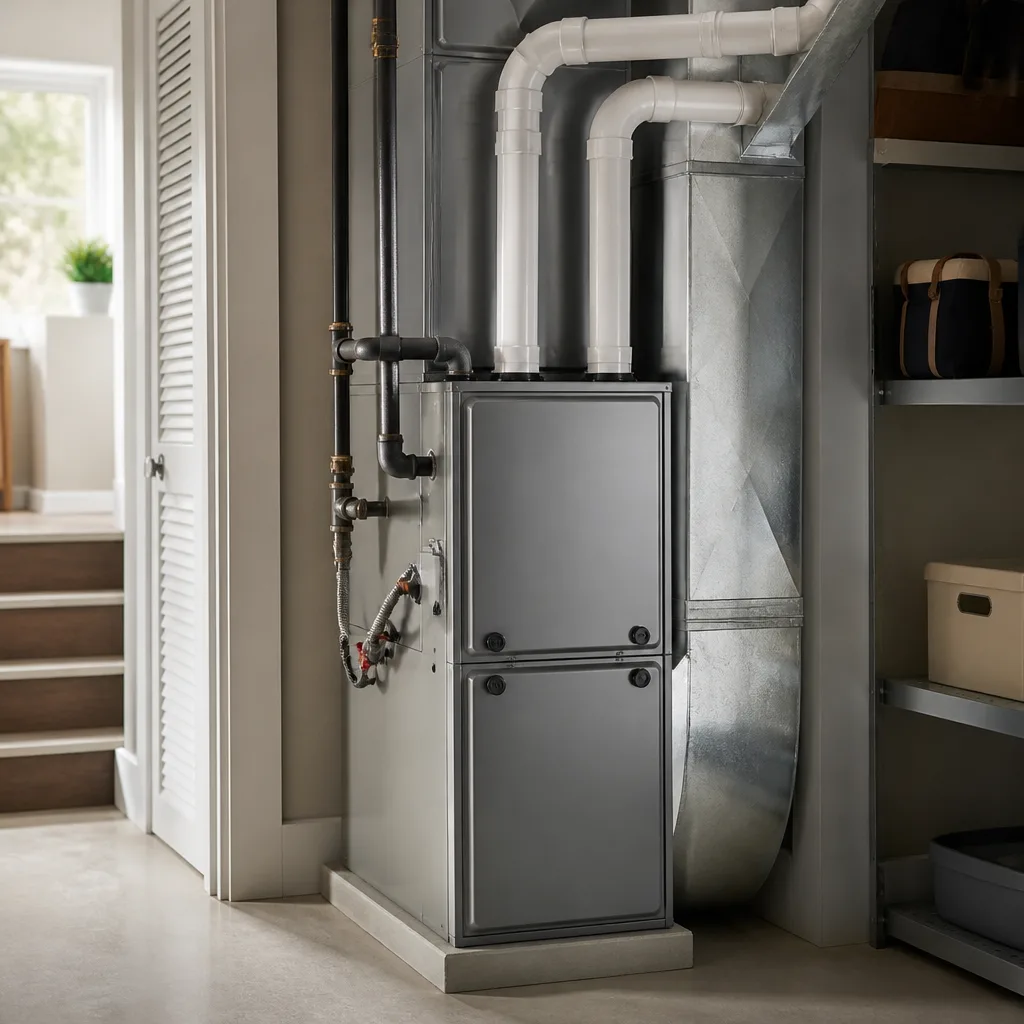
 Furnace & heating
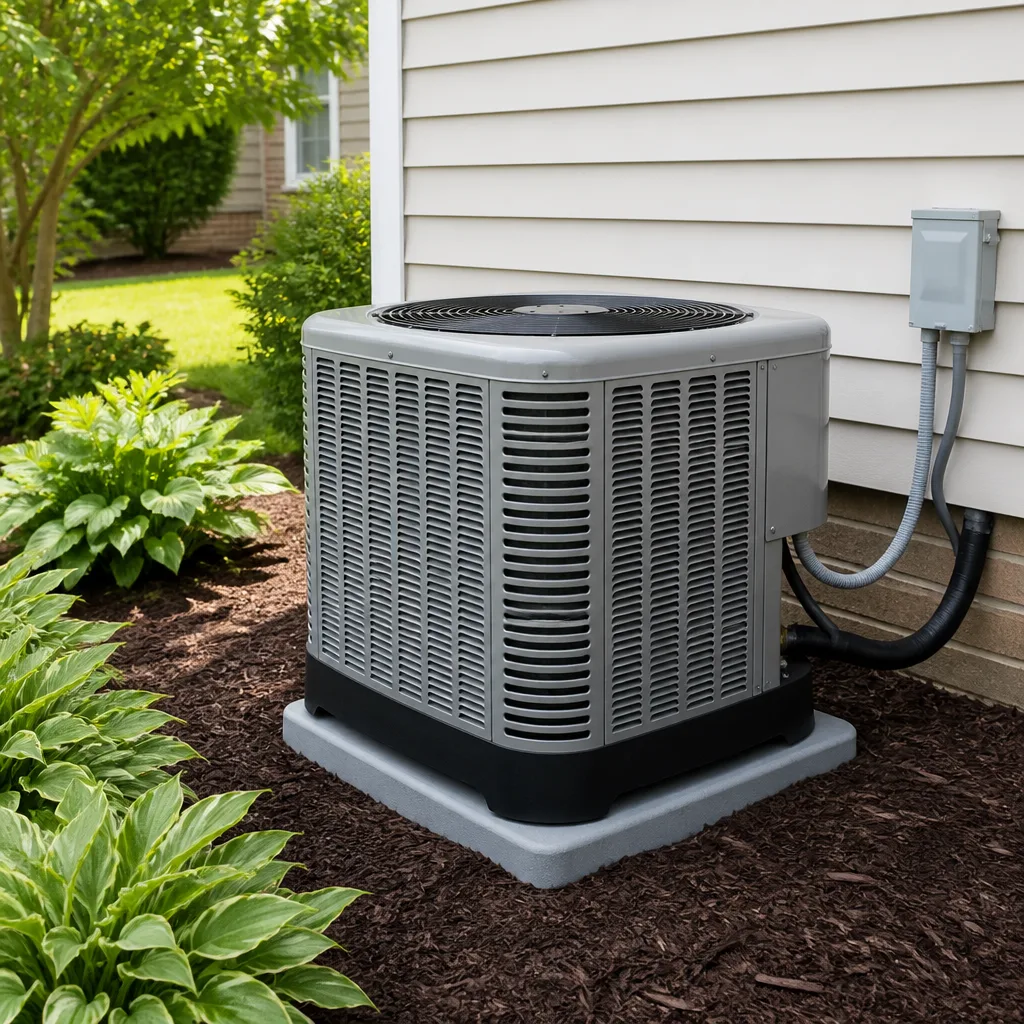 AC repair
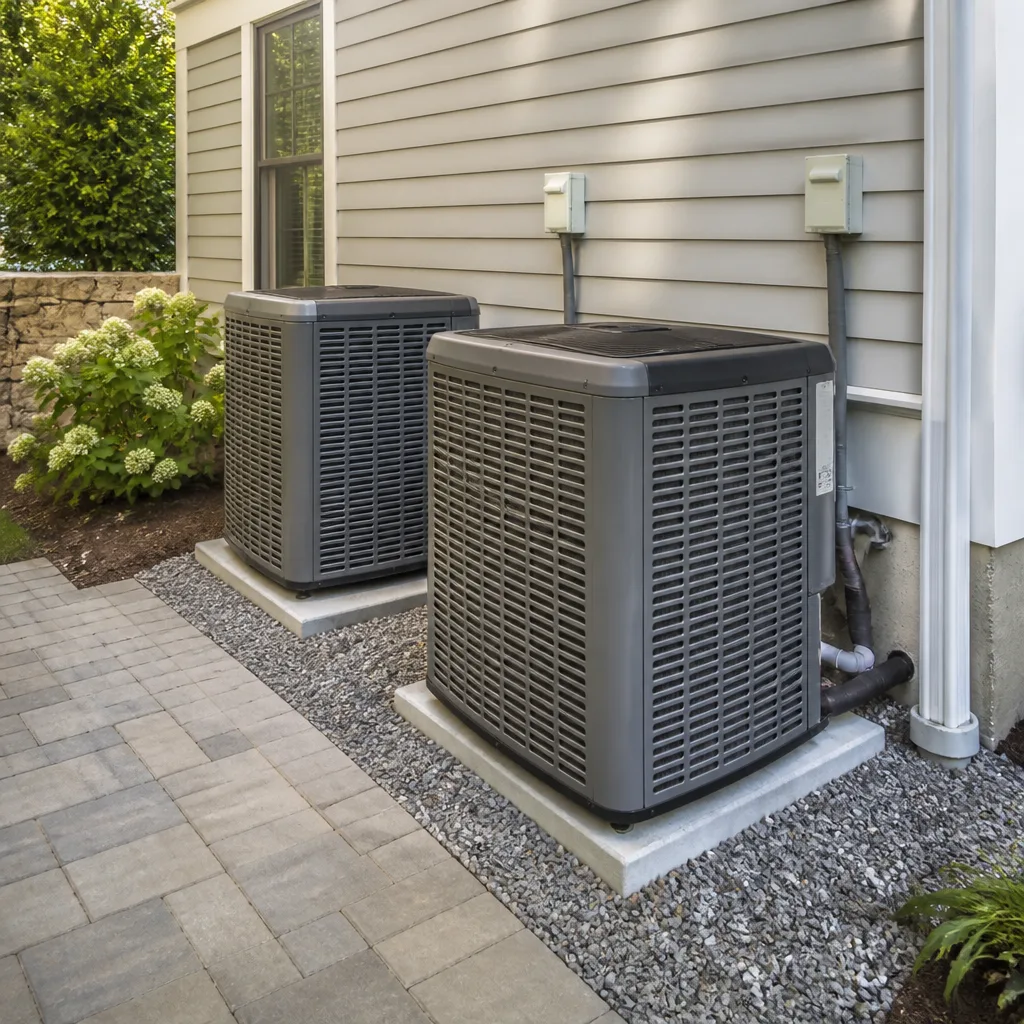 Heat pumps
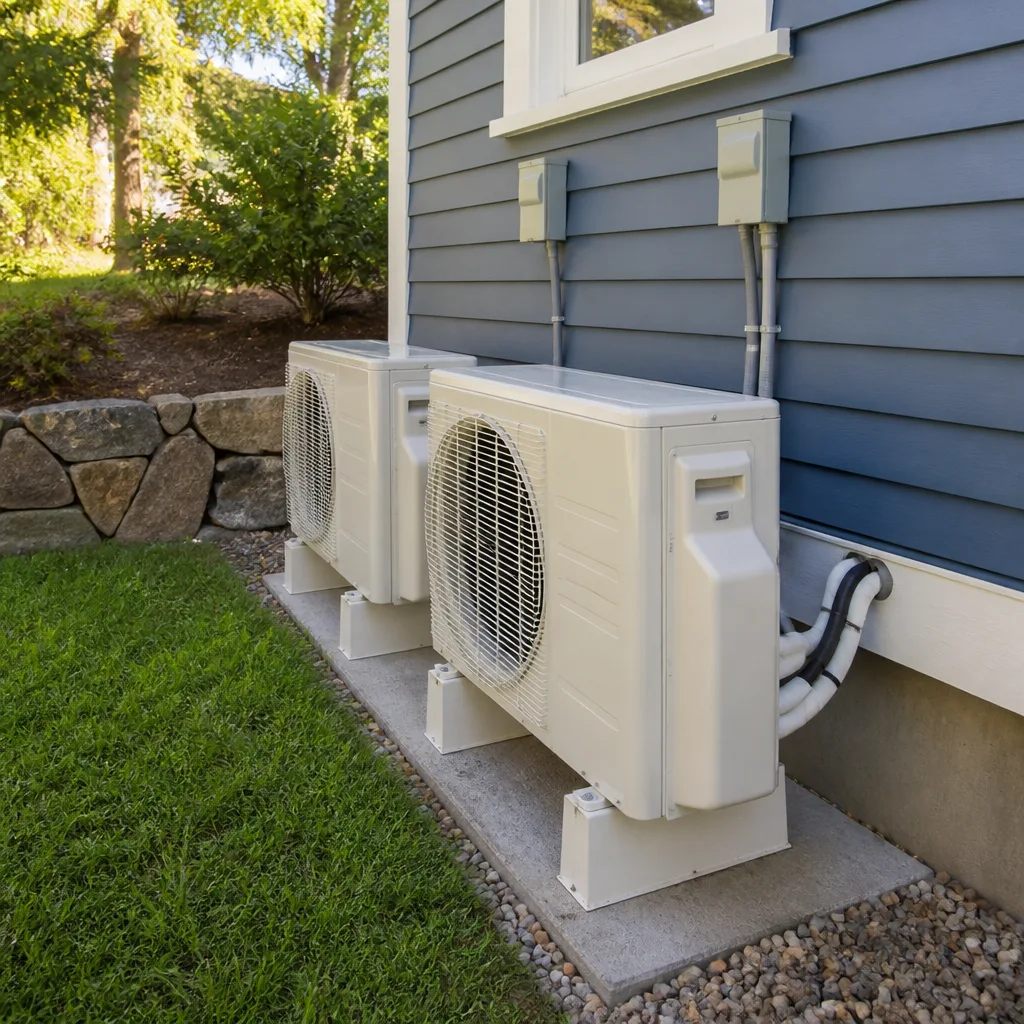 Ductless mini splits
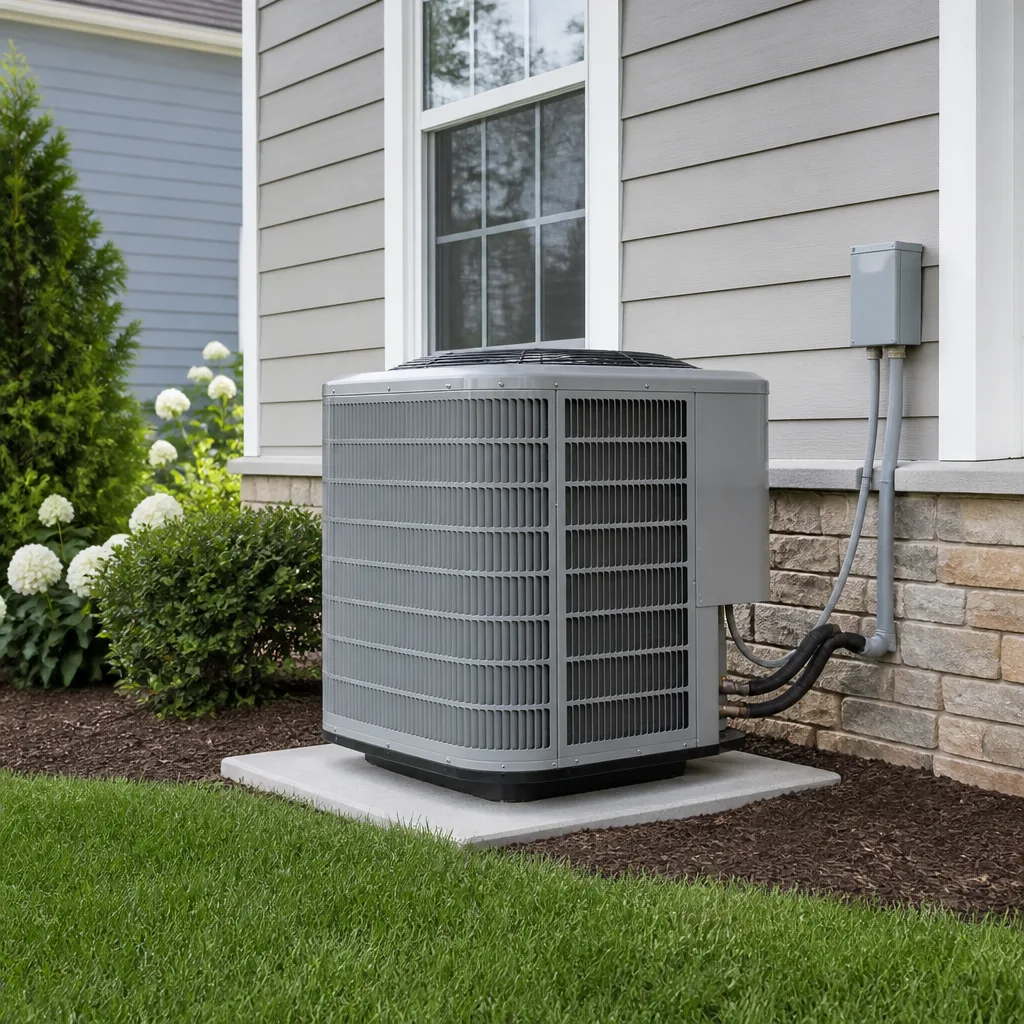 Carrier
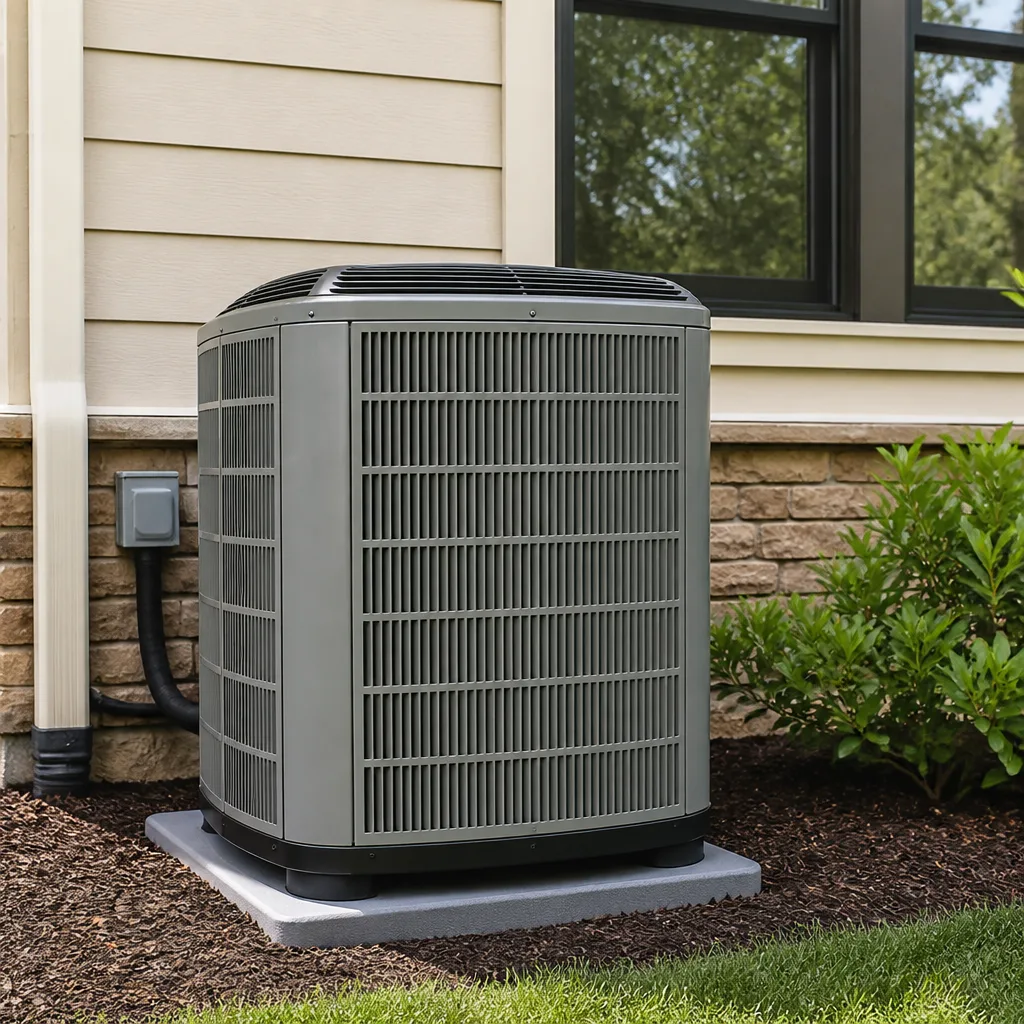 Trane
Trane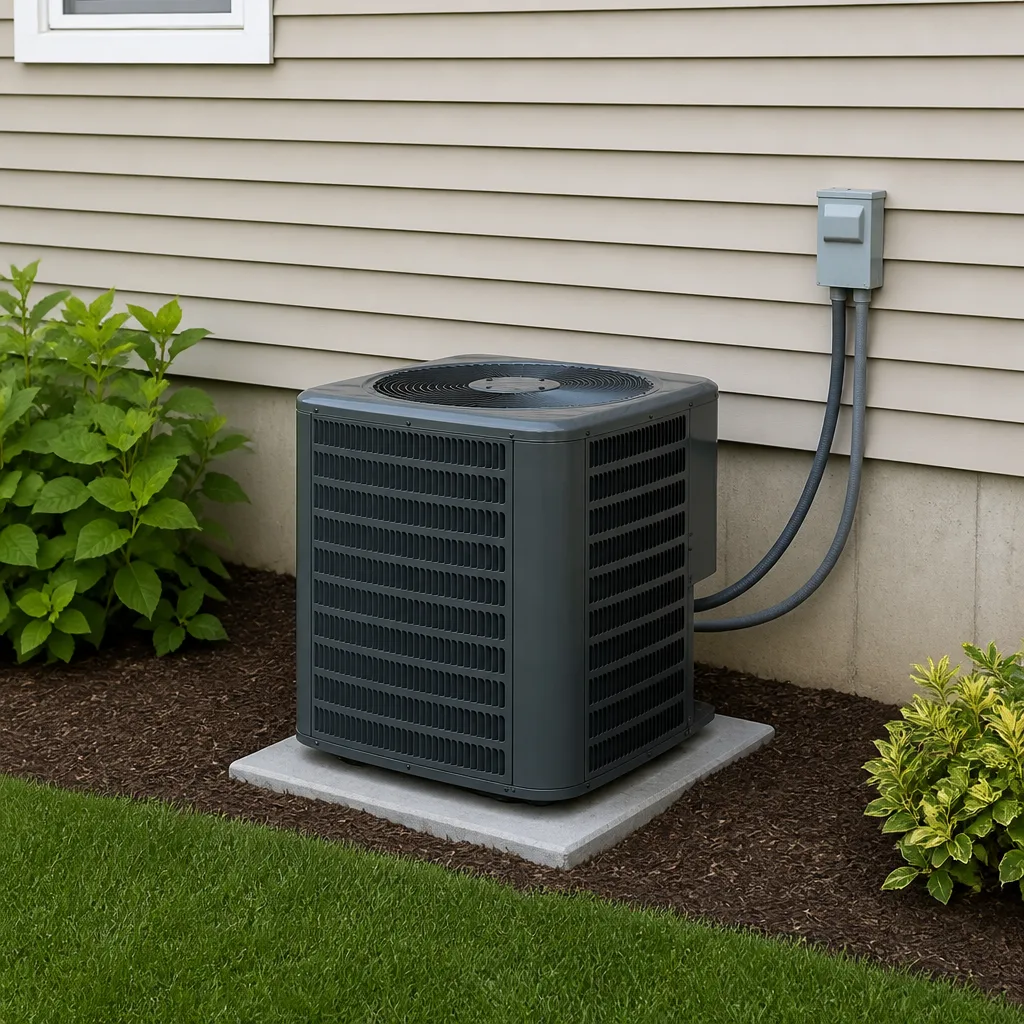 Goodman
Seasonal tune-up and full diagnostic on your Carrier, Trane, or Goodman system - readings shown to you before any repair is proposed
Diagnosis first, numbers second - you approve the repair price before a single part goes in.
Get your free estimateBryant AC Installation in San Jose: What to Know First
Bryant AC installation in San Jose typically runs between $4,130 and $8,850 depending on the model line, home size, and whether you’re replacing existing ductwork or starting fresh. As an independent Bryant service provider, Cold Harbour Heating and Air San Jose installs, replaces, and tunes Bryant systems across the South Bay, with most jobs completed in one to two days once equipment arrives. We give you a written price before any work begins, and every installation is backed by our 365-Day Done Right Promise in writing.
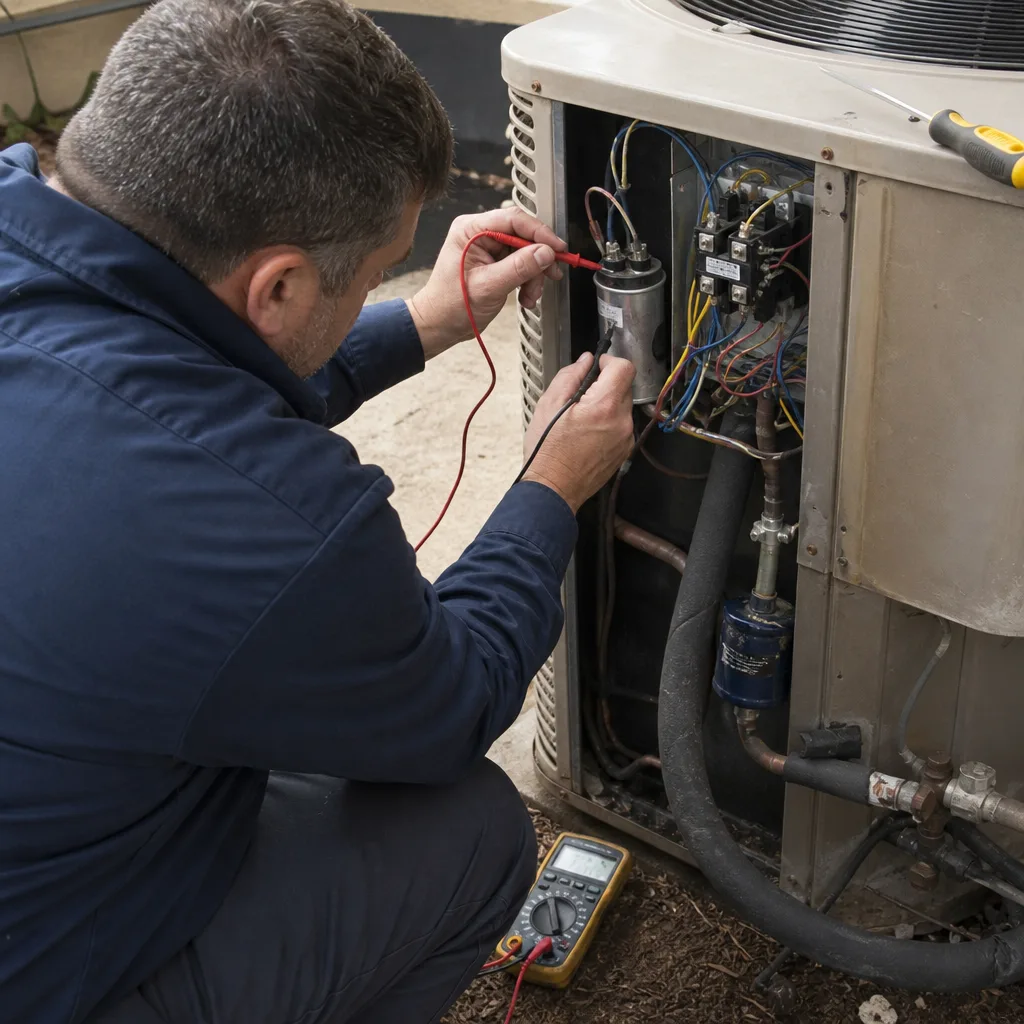
This page is for San Jose homeowners who either own a Bryant system that’s reached the end of its life or are considering Bryant for a new central air installation. If you’re weighing repair against replacement, or you want to know what a Bryant unit actually costs to install in this market, you’re in the right place. Call (669) 800-4179 and a live person picks up, any hour, any day.
How Bryant Products Fail – and What We See in San Jose Homes
Bryant builds solid equipment, but every line has its patterns. After years of pulling these units apart across San Jose, here’s what we actually see in the field:
- Evolution Series inverter boards failing after power surges. The Evolution line (the 189BNV and 288BNV heat pumps) runs on sensitive inverter electronics. San Jose’s rolling brownouts and PG&E’s public safety power shutoffs are hard on them. We see boards fried after voltage dips that a standard surge strip would not stop. Our fix: we install a whole-home surge protector when we do the AC installation, not as an add-on pitch but because we know the board costs $800+ to replace. Bryant’s own documentation recommends surge protection, but most installers skip it to keep the quote low.
- Preferred Series capacitors wearing out early in dusty corridors. The Bryant Preferred 126 series uses dual-run capacitors that degrade faster in homes near Almaden’s open spaces or the dry creek beds, where fine dust gets pulled through the condenser coil. A weak capacitor makes the compressor hard-start or trip. On a new install, we position the outdoor unit away from prevailing dust paths and use an OEM-grade replacement capacitor from day one, not the bargain-bin part that fails in 18 months.
- Legacy Series evaporator coils developing pinhole leaks. The Bryant Legacy line (113 and 115 series) had a run of evaporator coils with formicary corrosion, the kind that starts as a microscopic pinhole and slowly bleeds refrigerant. Here’s the tell: your air runs but never gets cold, and the system loses charge every six to nine months. In San Jose’s mild winters, homeowners often don’t notice until the first 90-degree day in May. If a Legacy coil has failed, we walk you through replacement coil options versus full AC replacement, and we show you the leak with a leak detector before we recommend anything.
- Heat pump reversing valves sticking on Bryant 226 models. The variable-speed heat pump line sometimes has reversing valves that hang when switching from heat to cool. The symptom: the system blows warm air in August, and the homeowner thinks the compressor is dead. It’s usually a stuck valve or a control board issue, not a failed compressor. We diagnose it properly before quoting, and we’ve saved San Jose homeowners thousands by replacing a $350 valve instead of a $4,000 outdoor unit.
- Drain pan cracks and secondary drain clogs in horizontal attic installs. Many San Jose ranch houses put the air handler in the attic, lying on its side. Bryant’s horizontal drain pans crack if the unit isn’t properly pitched. We shim and level every install, and we clear the secondary drain line as part of the job. It’s a ten-minute step most crews skip, and it’s the difference between a ceiling stain and a clean attic floor three years later.
Styles & brands we work with
Our Bryant AC Installation Process
Here’s how a Bryant installation goes with us, from the first call to the final walkthrough:
- 1
The call. You reach a live person, not a voicemail. We ask what the system is doing, how old it is, and whether you have any paperwork from a previous service. Victor Mancini keeps a logbook of every job and checks it before estimates.
- 2
The site visit. We show up in the window we gave you. We measure the home, check the ductwork, inspect the electrical panel, and walk the outdoor space where the condenser will sit. We’re looking for clearance problems, undersized returns, and anything that would mess with airflow.
- 3
The written quote. You get a price before any work starts. It includes the equipment, the labor, the permitting, the electrical connection, the refrigerant charge, and the cleanup. It does not change at the door. We tell you what you’re getting and why, and we don’t push a premium model when a mid-line Bryant Preferred will do the job.
- 4
The install. We handle the full removal of the old unit, the new Bryant equipment, the line set, the drain, the thermostat, and the electrical. Our techs are background-checked, uniformed, and trained on nine major residential brands, so they understand how a Bryant system differs from a Carrier or Trane unit they worked on yesterday.
- 5
The test. We run the system through its paces: static pressure, refrigerant levels, temperature split, drain flow. We check the charge with a manifold gauge set and a subcooling reading, not a guess. Then we run the furnace in heat mode if you have a dual-fuel setup to make sure the handoff works.
- 6
The cleanup and the guarantee. We leave the job site cleaner than we found it. Then we hand you the written 365-Day Done Right Promise, which says that if the installation has a problem within a year, we come back and correct it at no charge.
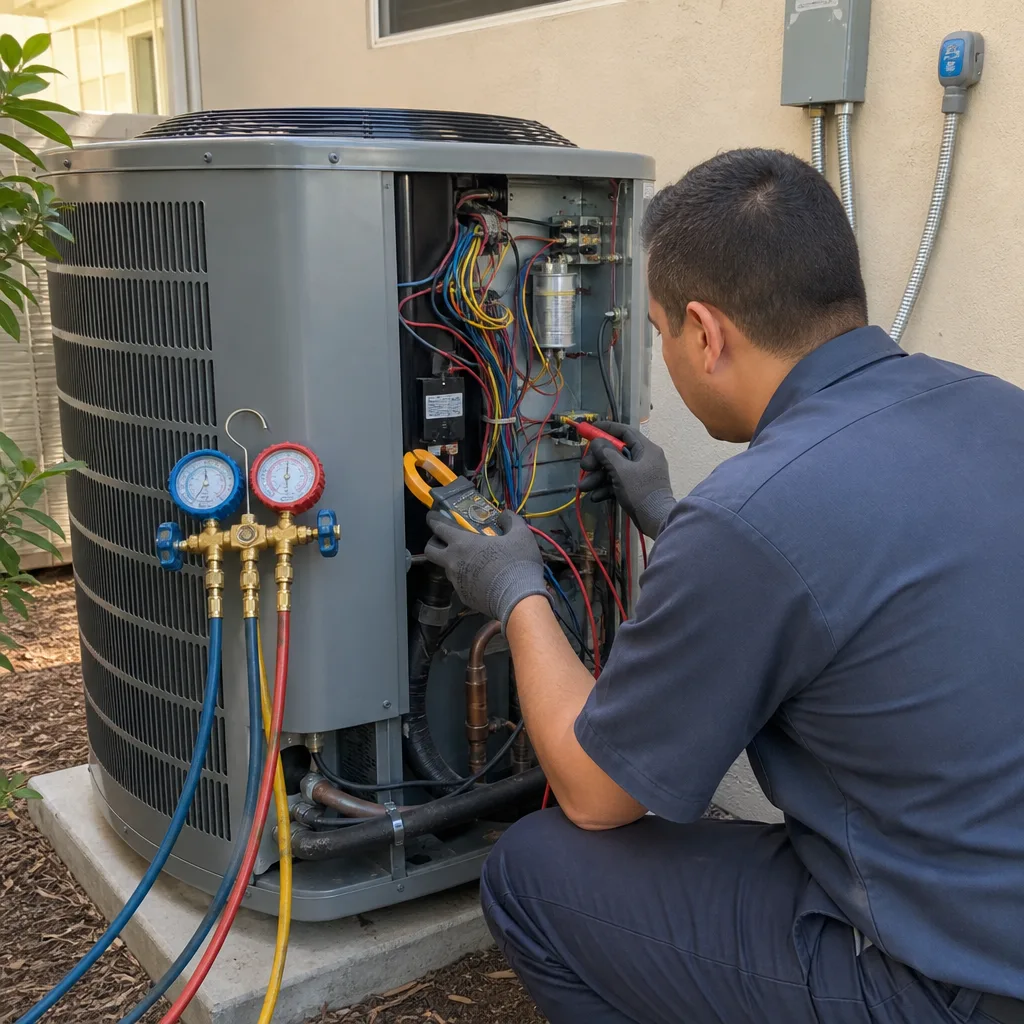
See the difference
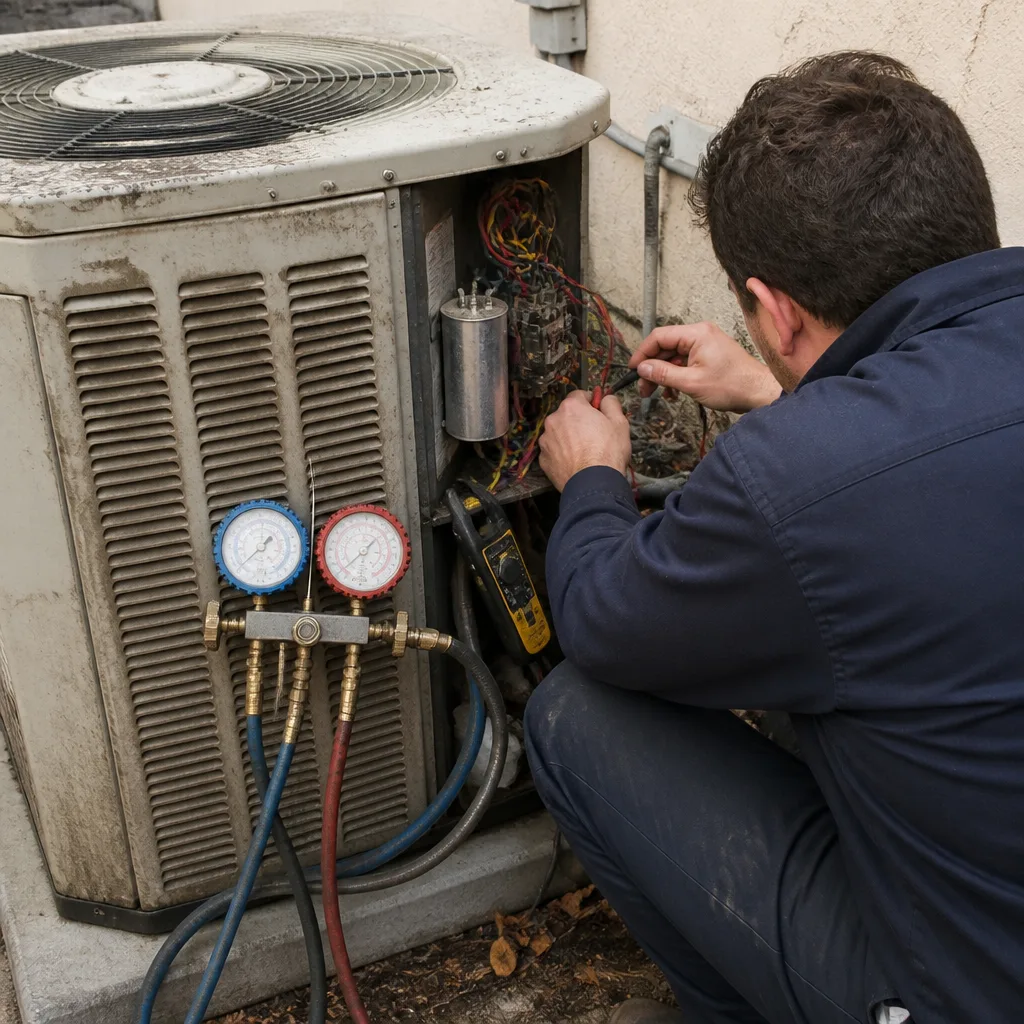 Before
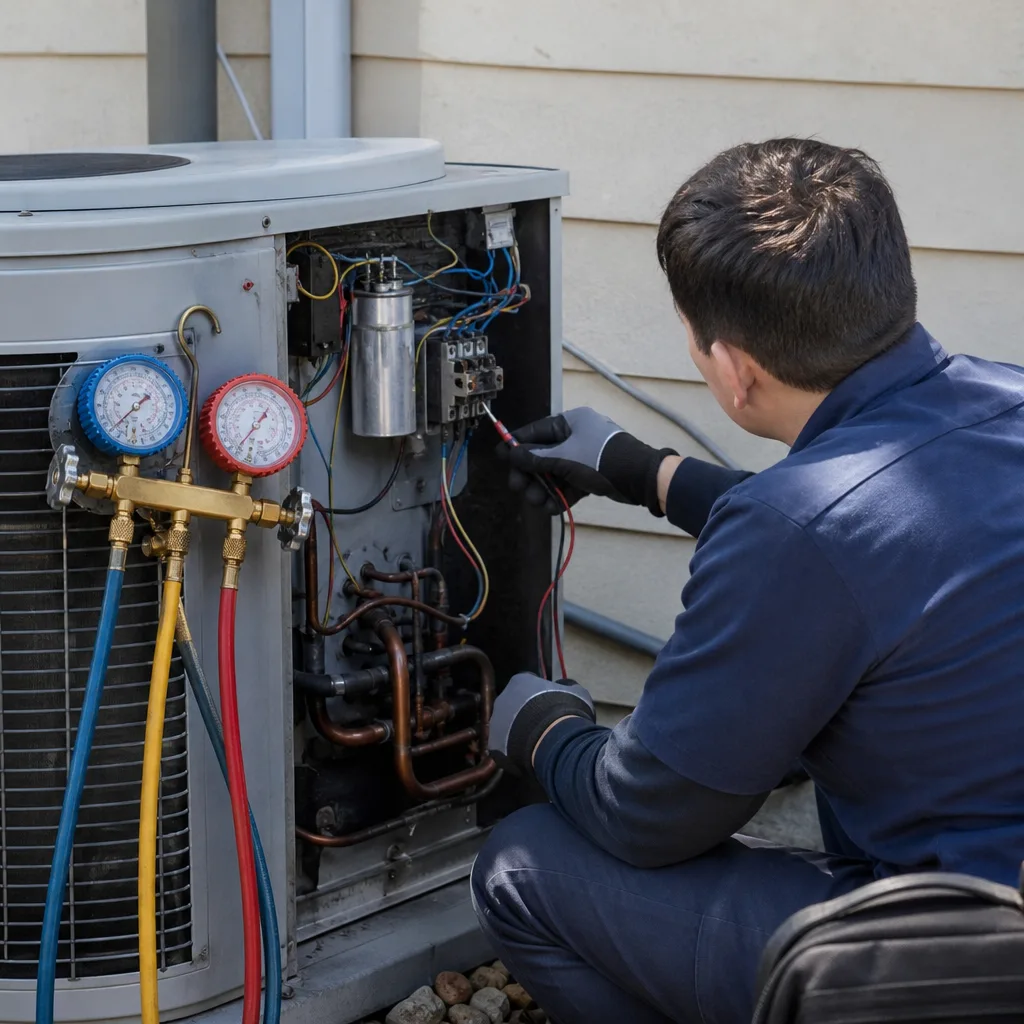 After
After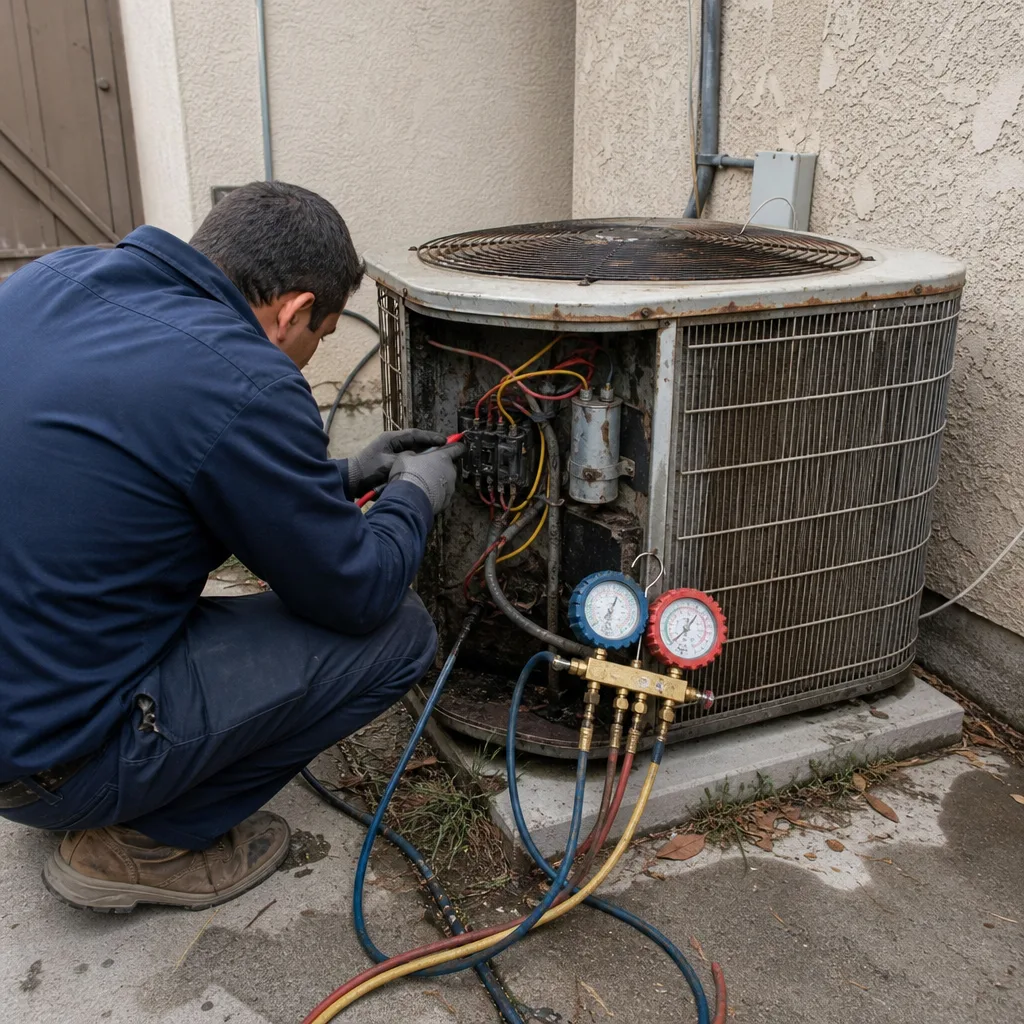 Before
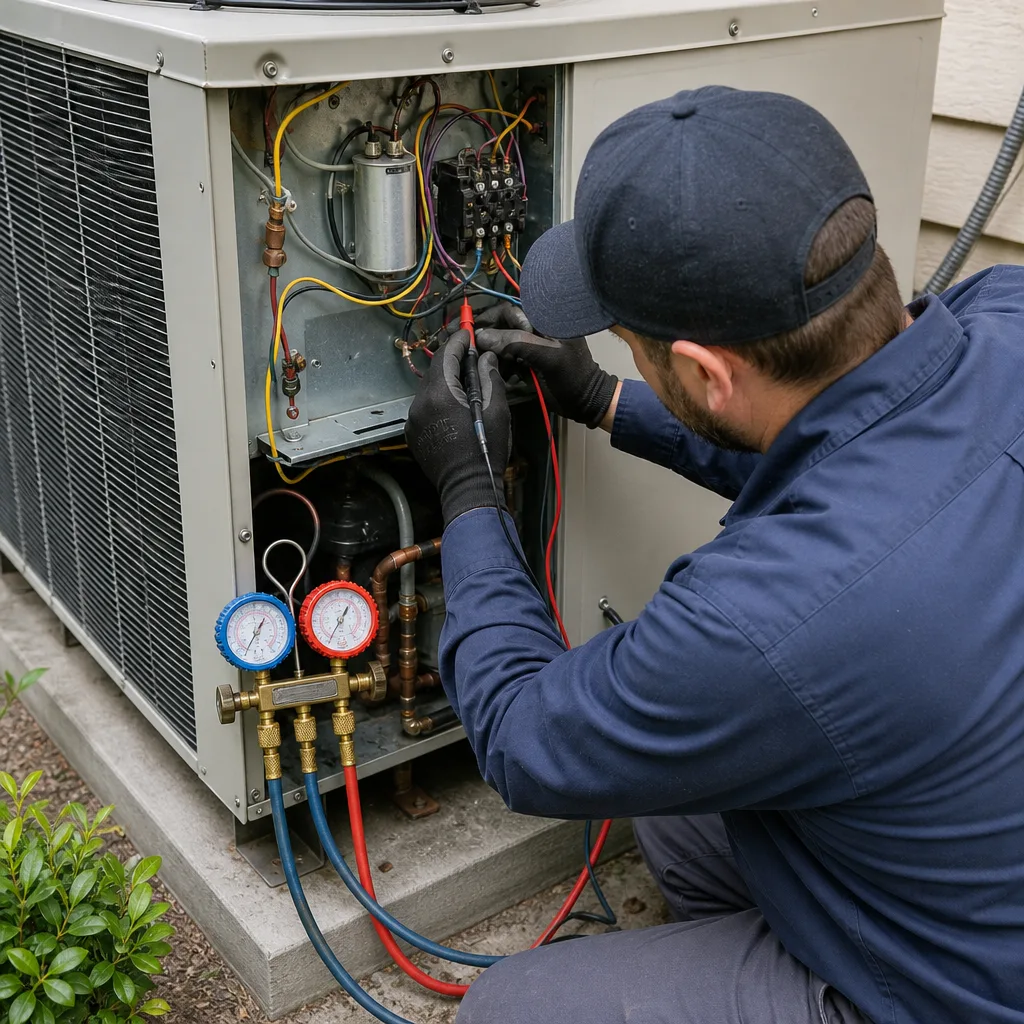 After
After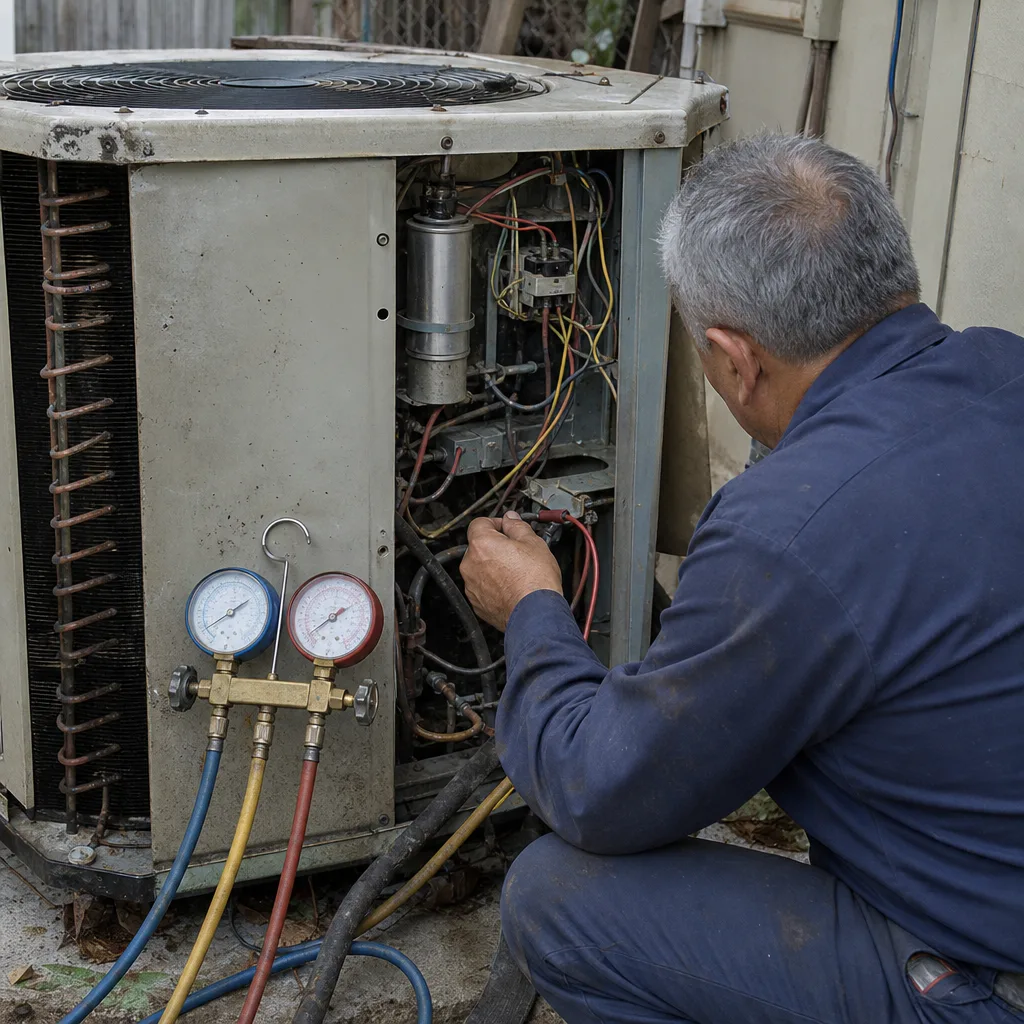 Before
 After
AfterWhat Bryant AC Installation Costs in San Jose
Here are the honest numbers we quote, parts and labor included:
- Bryant Legacy single-stage AC, 3-ton, standard install: $4,130 – $5,200
- Bryant Preferred 126 series, 3-ton, two-stage, attic or crawlspace: $5,600 – $6,800
- Bryant Evolution 189BNV heat pump, variable-speed, 4-ton, with communicating thermostat: $7,500 – $8,850
- Ductwork replacement or significant modifications: add $1,800 – $4,500 depending on the home
What moves the price: the model line, the tonnage, the condition of your existing ductwork, the length of the refrigerant line run, and whether the job requires a panel upgrade. San Jose’s permit fees and the 2019 Title 24 energy code requirements also add a few hundred dollars to every job, and we factor those into the written quote so there are no surprises. Call (669) 800-4179 for a free estimate on your specific home.
Why San Jose Homeowners Call Cold Harbour Heating and Air San Jose for Bryant Work
Most HVAC companies will install a Bryant unit. The difference is what happens after the check clears. We put our promises on paper, starting with a written price before a single tool comes out of the truck and a firm arrival window we actually honor. Since 2003, we’ve operated as an independently owned and operated member of the Kingswell network, which means we work to the same written standards regardless of which tech shows up. Our technicians know Bryant equipment because they’ve pulled it apart for years, but they’re also trained on Carrier, Trane, and Lennox, so if you have a mixed system, one crew handles it all. Victor Mancini grew up in the San Fernando Valley, where a dead AC in August means a rough night, and he studied HVAC at Los Angeles Trade-Technical College before spending two decades diagnosing systems from the inside out. Tell us what the system is doing and we will tell you what it needs, no guessing, no upselling.
FAQs
No. As long as the equipment is registered and installed according to Bryant’s installation specs, the manufacturer warranty stays intact. We’re an independent Bryant service provider, which means we follow the same installation standards Bryant publishes for its authorized dealers, but we’re not bound by a dealer agreement that limits our parts choices. We register every system for you after the install, which is a step many homeowners forget and which preserves the 10-year limited compressor warranty.
If the compressor is dead, the coil is leaking, and the unit is more than 12 years old, replacement usually makes more sense than repair. A failed compressor on a Bryant Evolution can cost $2,800 – $3,500 to replace, and you’re putting a new part in an aging unit. We’ll show you the math on both options before we recommend anything. Call (669) 800-4179 and we’ll give you an honest read over the phone.
For a standard replacement with equipment in stock, we can usually schedule within a week. Heat pump models from the Evolution line sometimes have a 2-3 week lead time from the distributor. We give you a firm installation date in the written quote, not a vague window. If you’re replacing a dead AC in the middle of a San Jose heat wave, we’ll tell you the fastest real option, not the fastest-sounding one.
We install the full Bryant residential line: central air conditioners, ductless mini-splits, and heat pumps, including the Evolution and Preferred series. Ductless installs run higher than central on a per-ton basis because of the line set runs and wall penetrations, but we quote the same way: written price first, no surprises at the door.
The 365-Day Done Right Promise covers it. If the installation has a problem within a full year, we come back and correct it at no charge. That promise is written down and handed to you before the technician leaves, not buried in a warranty booklet. If it fails, call (669) 800-4179 and we schedule the return visit, no argument, no deductible.
Written by Victor Mancini, Owner, Cold Harbour Heating and Air San Jose at Cold Harbour Heating and Air San Jose, serving San Jose and nearby areas.