
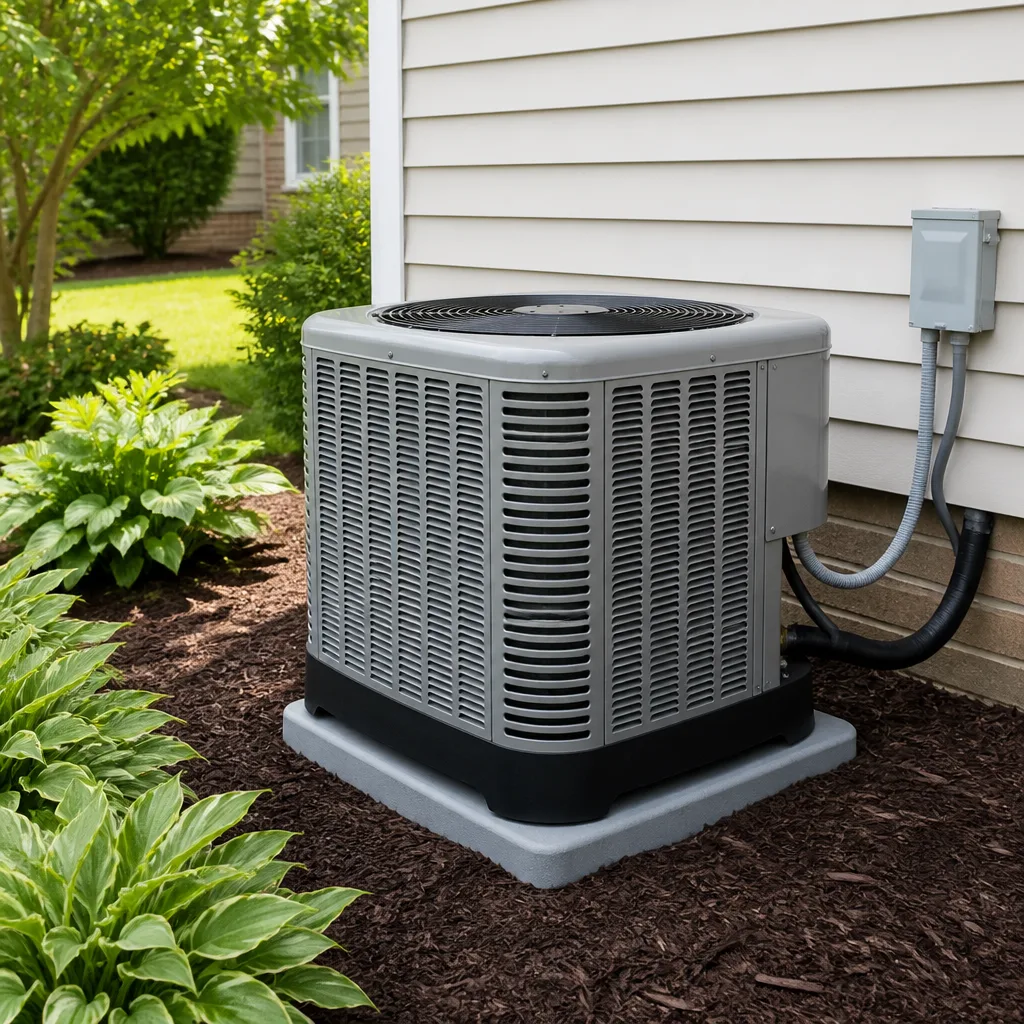
 AC repair
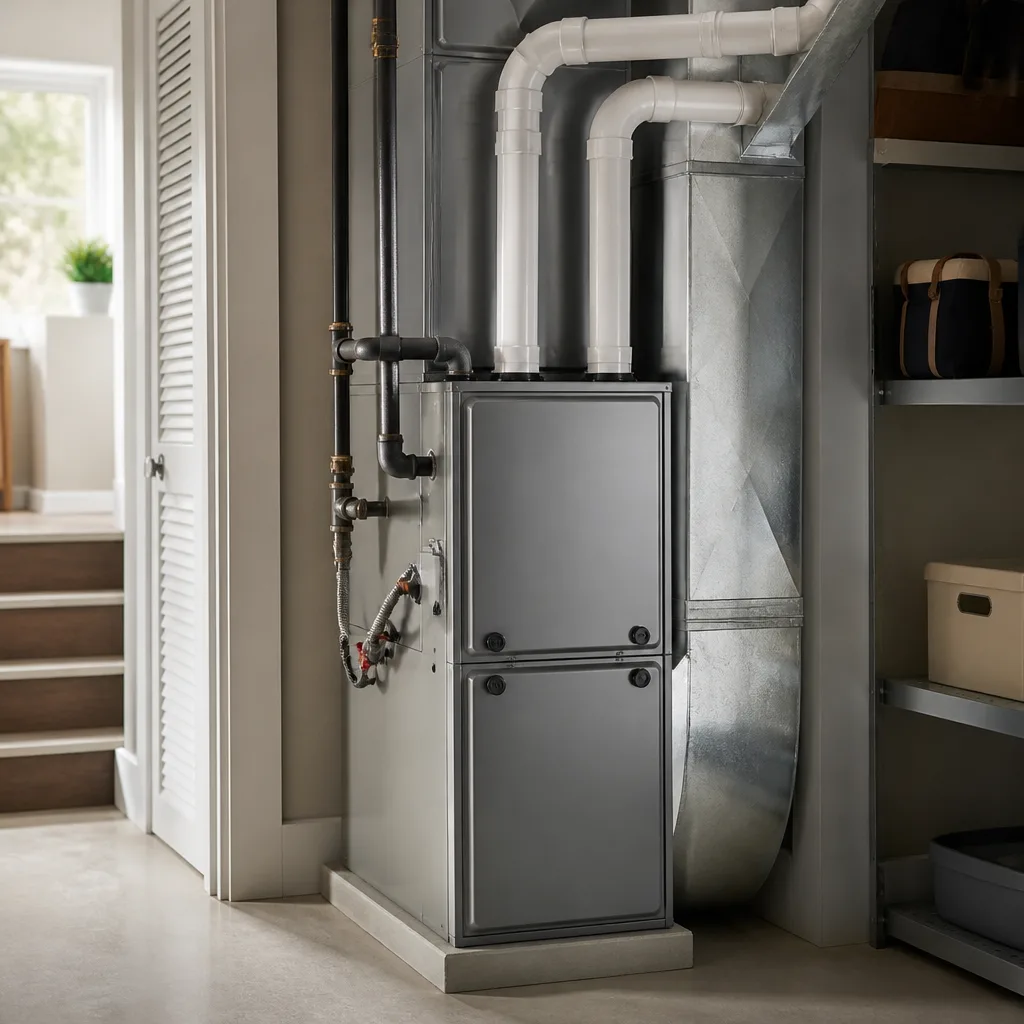 Furnace & heating
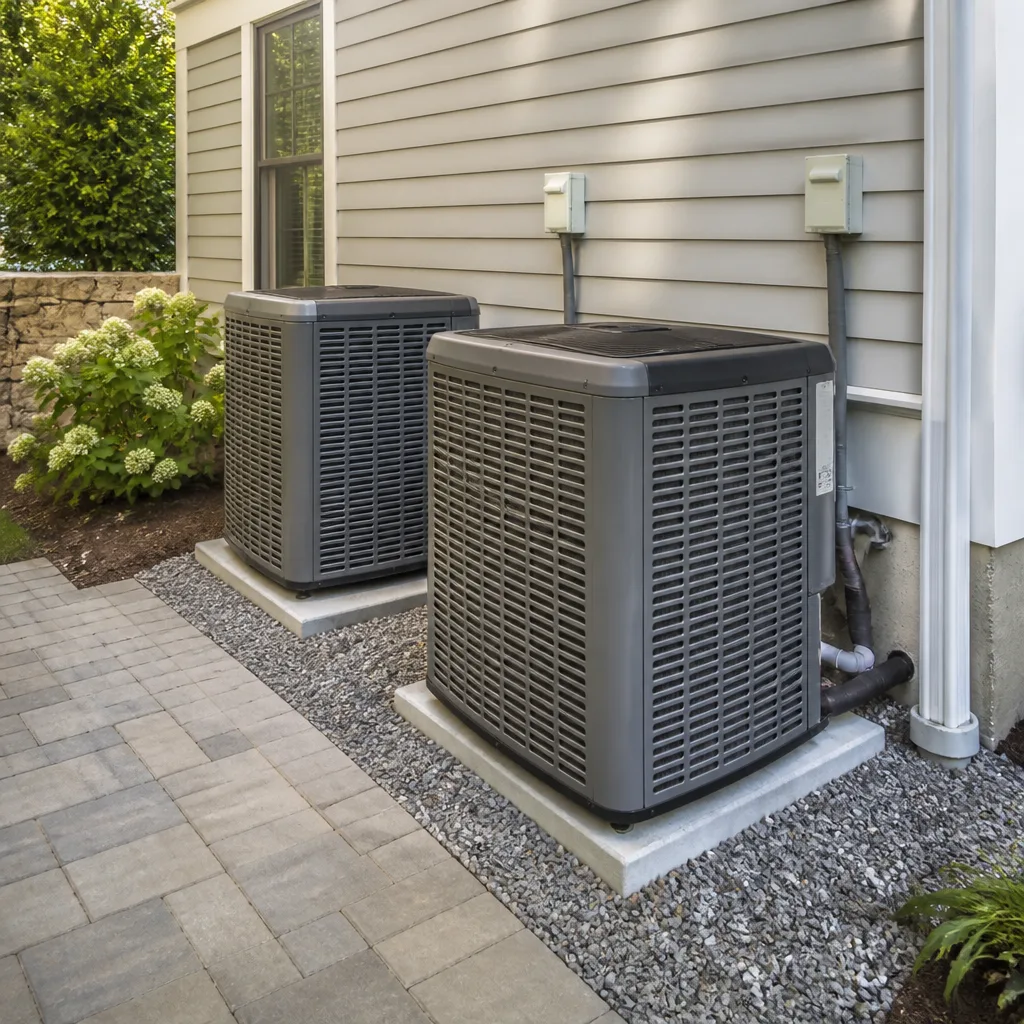 Heat pumps
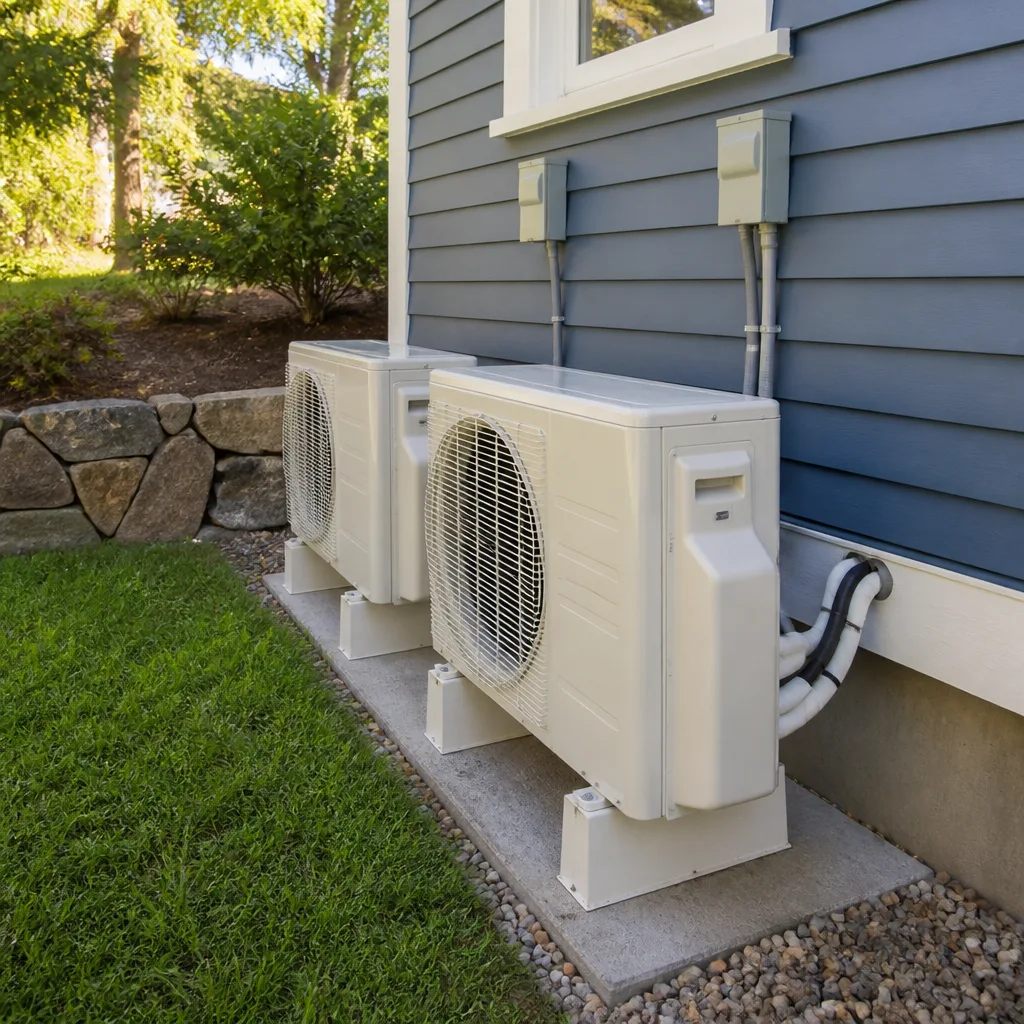 Ductless mini splits
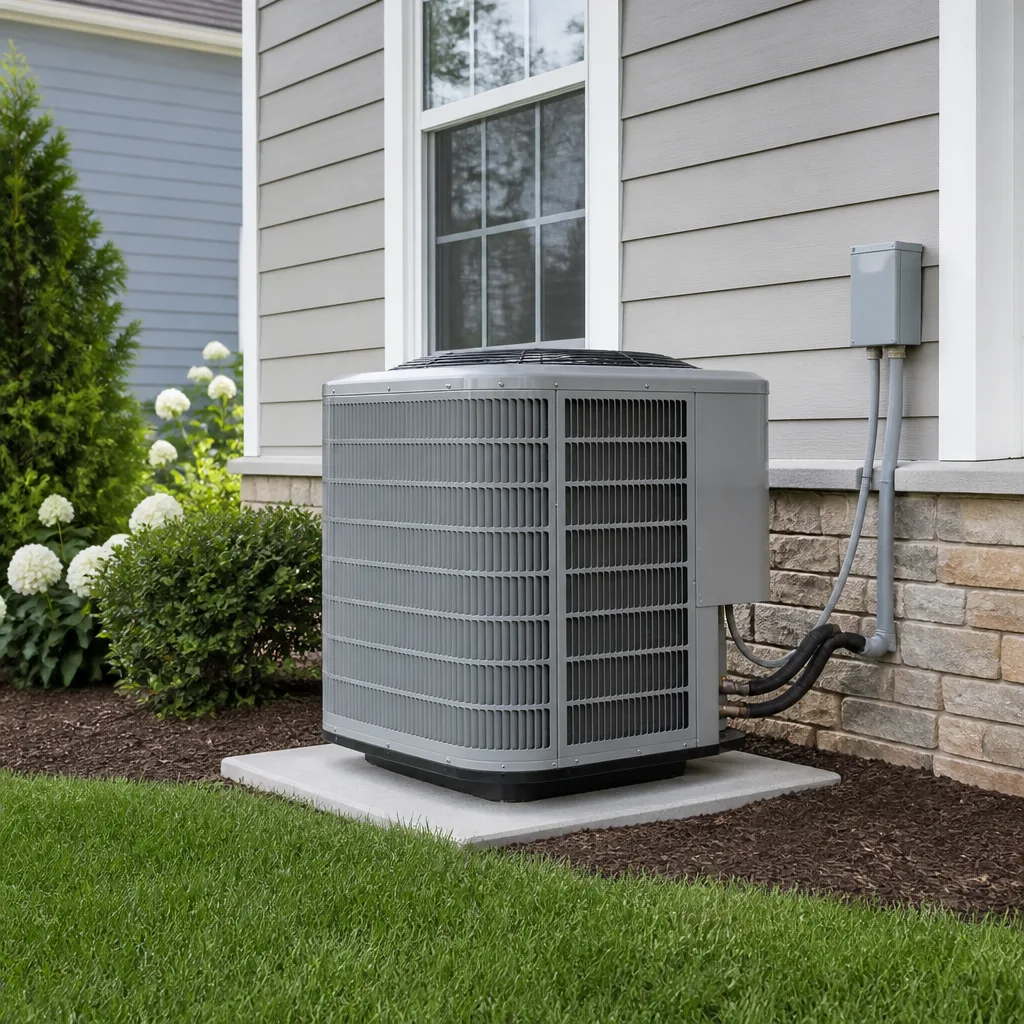 Carrier
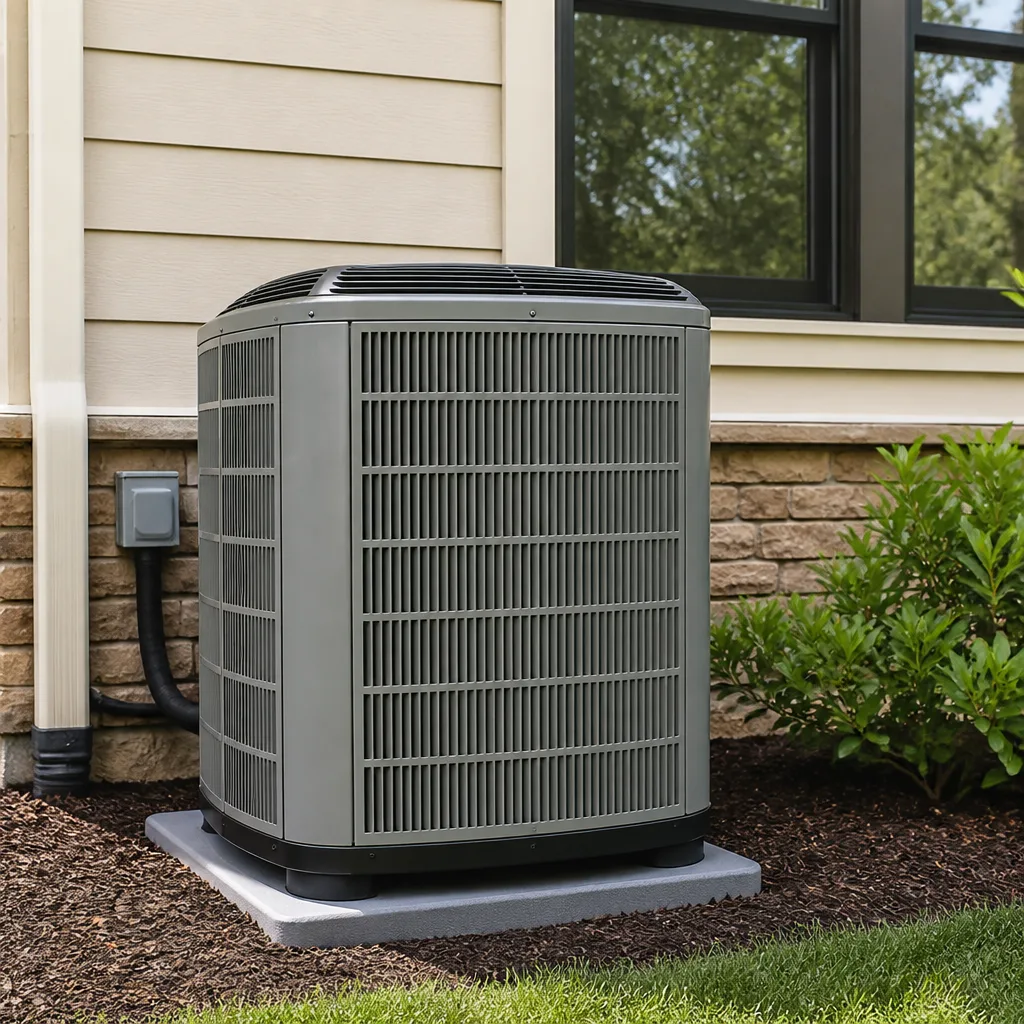 Trane
Trane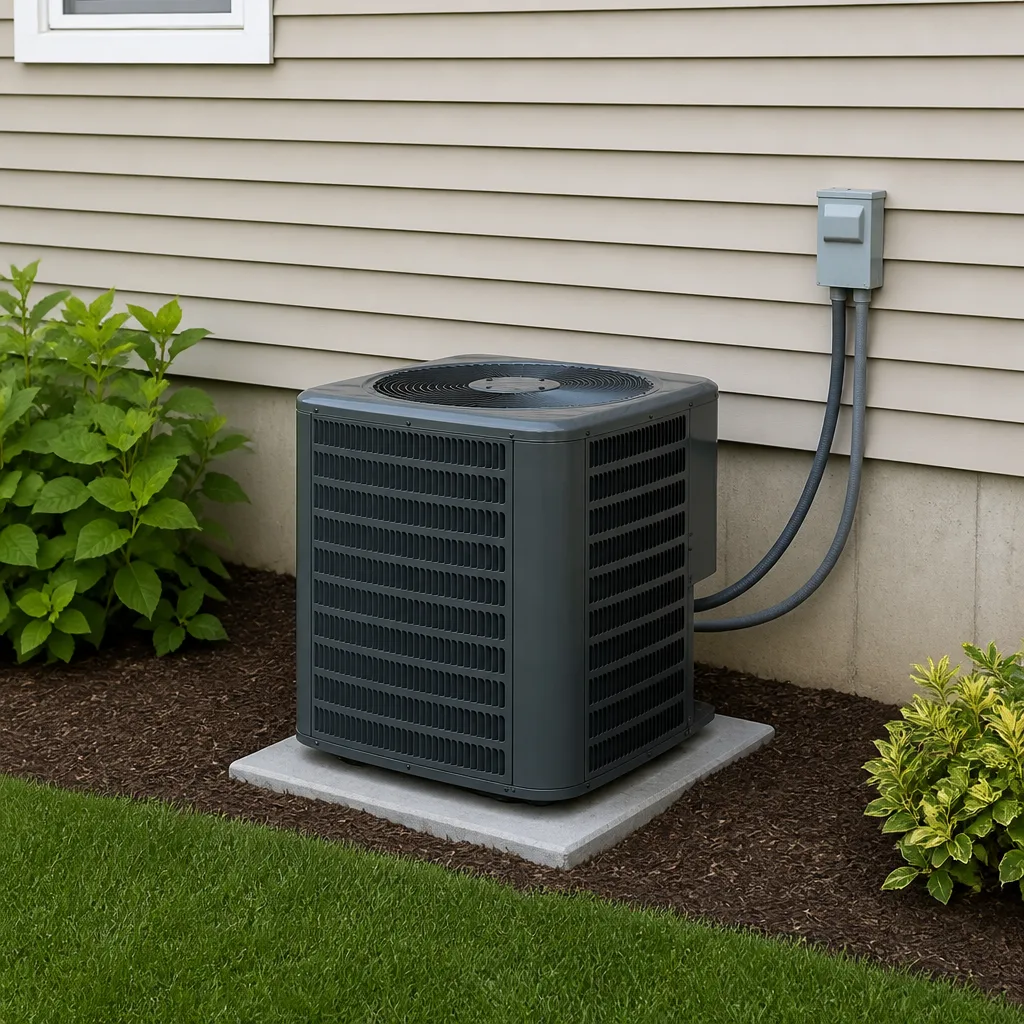 Goodman
Seasonal tune-up and full diagnostic on your Carrier, Trane, or Goodman system - readings shown to you before any repair is proposed
Diagnosis first, numbers second - you approve the repair price before a single part goes in.
Get your free estimateBryant Ductwork Repair: The San Jose Owner’s Guide
Bryant ductwork repair in San Jose typically runs $175 to $765 installed, depending on how much of the duct run is damaged and whether we’re sealing, patching, or replacing a section. We stock standard Bryant-compatible duct fittings, collars, and sealants on our trucks, so most repairs in San Jose are done same-day or within one business day. Most homeowners discover the problem the way you’d expect: one room that never quite cools in July, a musty smell when the blower kicks on, or a utility bill that crept up $40 without explanation. Ductwork fails quietly, and Bryant systems are efficient enough that the furnace or air handler keeps running fine while conditioned air escapes into the attic or crawlspace. By the time you feel the problem, you’ve usually been paying to heat and cool dead air for a while.
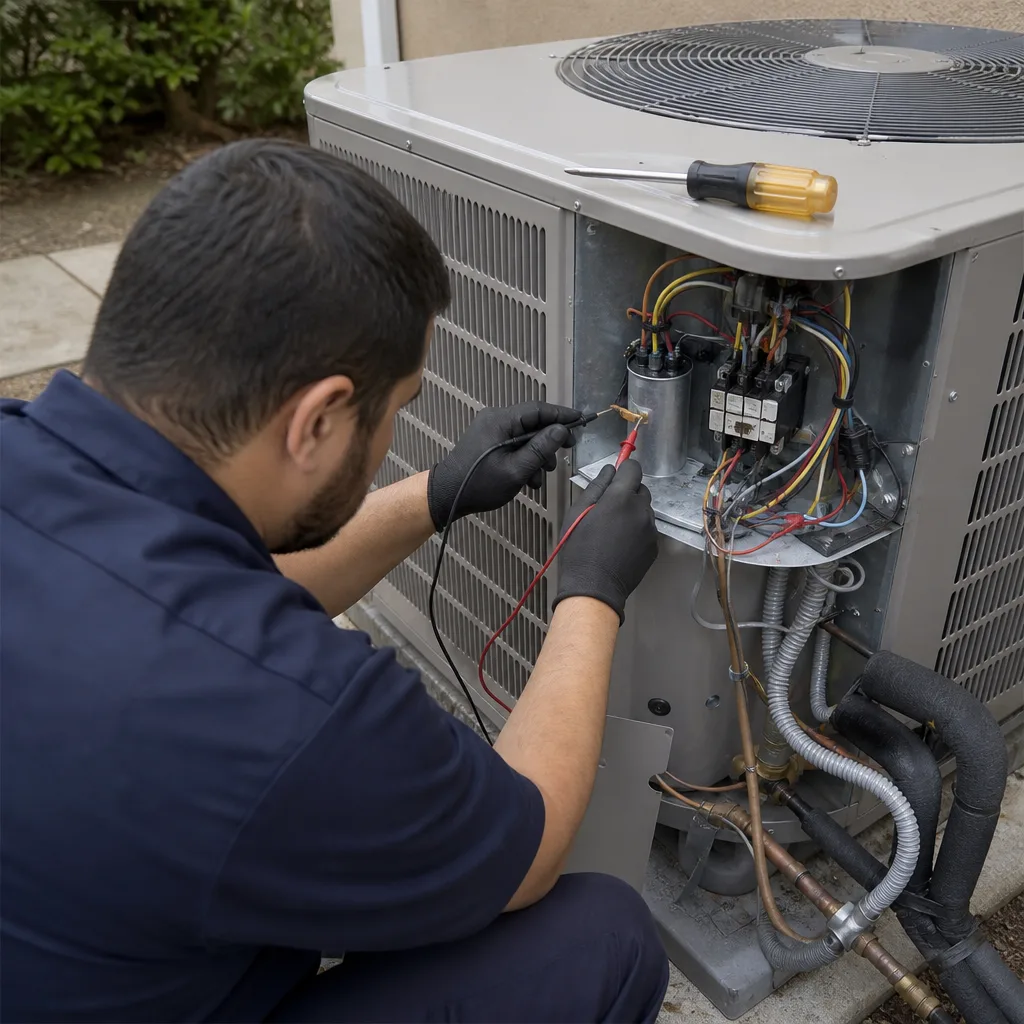
Here’s what San Jose owners need to know about Bryant ductwork repair, what it costs, and how we handle it. Our crew works on Bryant equipment every week, and we’ve learned where these systems tend to lose airflow first.
Which Bryant Models This Applies To
Ductwork repair isn’t tied to a single Bryant model number. Any Bryant furnace, air handler, or heat pump connected to sheet metal, flex duct, or fiberboard duct runs into the same issues. What matters more is the duct configuration: rectangular sheet metal trunks, round flex runs, or a mix where the original installer transitioned from hard pipe to flex at the supply boots. Most Bryant systems installed in San Jose tract homes from the 1990s through the 2010s use a blend of both, and the transitions are where we find the majority of failures.
One compatibility gotcha to understand: Bryant’s newer Evolution and Preferred series air handlers push slightly higher static pressure than older builder-grade units. That means an aging flex duct run that held up fine under the original furnace may start separating at the takeoff collar once a higher-efficiency Bryant blower is installed. If we’re repairing ductwork on a system that was recently upgraded, we check the static pressure along with the visible damage. On the OEM versus aftermarket question: Bryant doesn’t manufacture its own ductwork. What matters is the material gauge and the quality of the sealing, not a brand stamp. We use 26-gauge sheet metal for repairs, UL-listed flex rated for California Title 24, and aluminum tape that won’t dry out and peel the way vinyl tape does in a hot San Jose attic.
Styles & brands we work with
Signs Your Bryant Ductwork Repair Is Failing
- One or two rooms never reach the set temperature. This usually points to a disconnected or crushed flex run feeding those rooms. The main trunk is fine, but the branch line has pulled loose at the boot or been flattened by something stored on top of it in the attic.
- Dust accumulates on surfaces within days of cleaning. A return-side duct leak pulls unfiltered attic air into the system, and that air carries insulation fibers and decades of dust. It then blows through every supply register in the house.
- The blower runs constantly but the house feels humid or stuffy. Conditioned air is escaping into unconditioned space, so the Bryant system never reaches its temperature setpoint. The compressor and blower work overtime for results you can’t feel.
- You hear a faint whistling or fluttering near registers when the system runs. Air is being forced through a smaller opening than the duct was designed for, usually a partially collapsed section or a takeoff that’s worked loose. The sound is the system telling you where the leak lives.
- Your energy bill climbs with no change in thermostat habits. We see this most often in San Jose’s Willow Glen and Cambrian neighborhoods, where homes built in the 1970s still have original metal duct trunks. Seams separate after decades of thermal expansion, and a system that once delivered 90 percent of its air to the rooms is now losing 25 percent or more to the attic.
See the difference
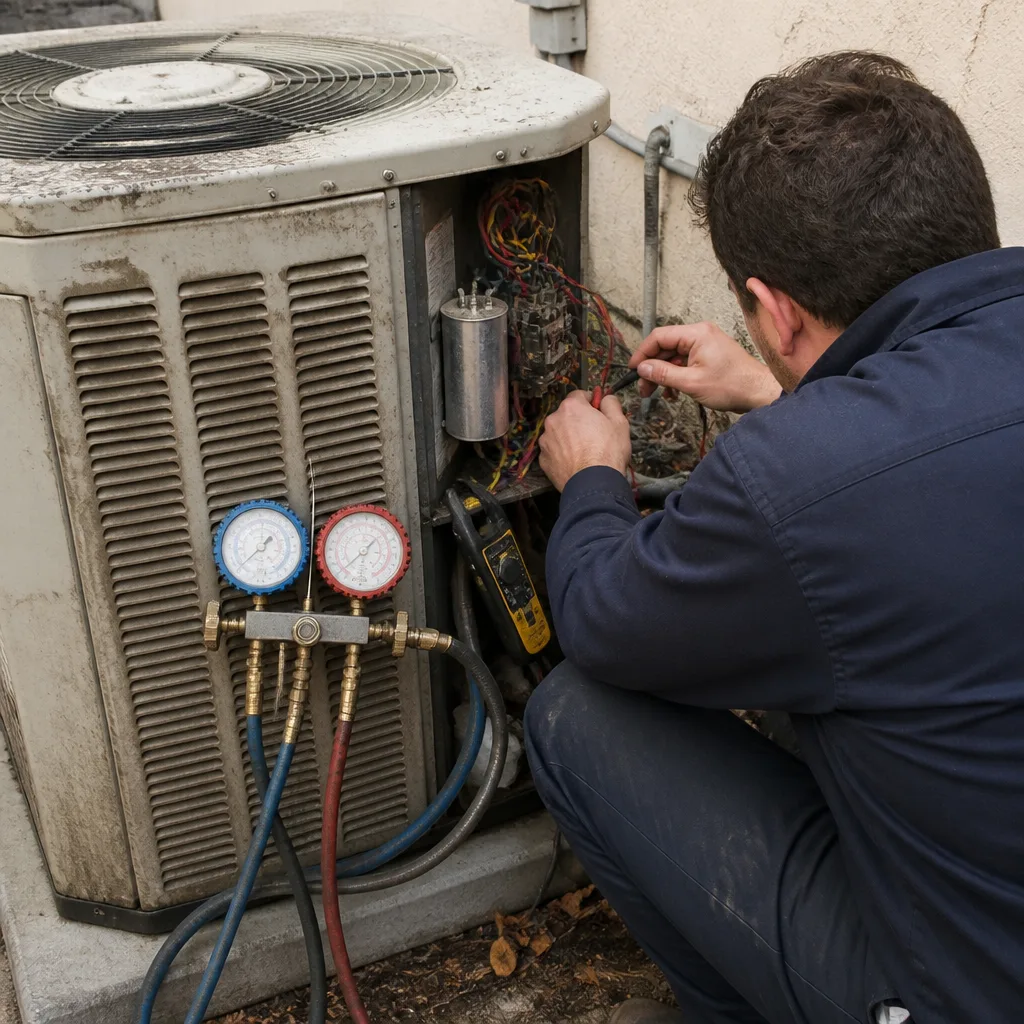 Before
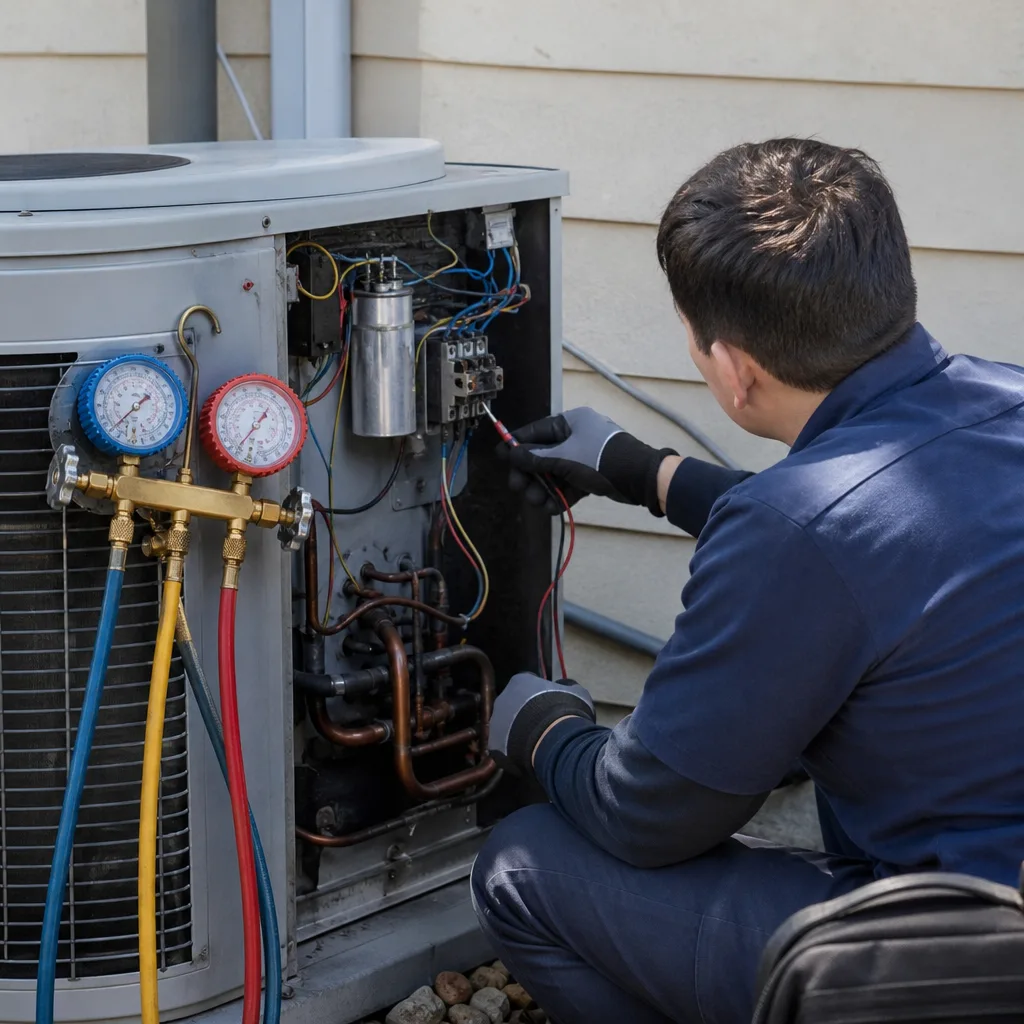 After
After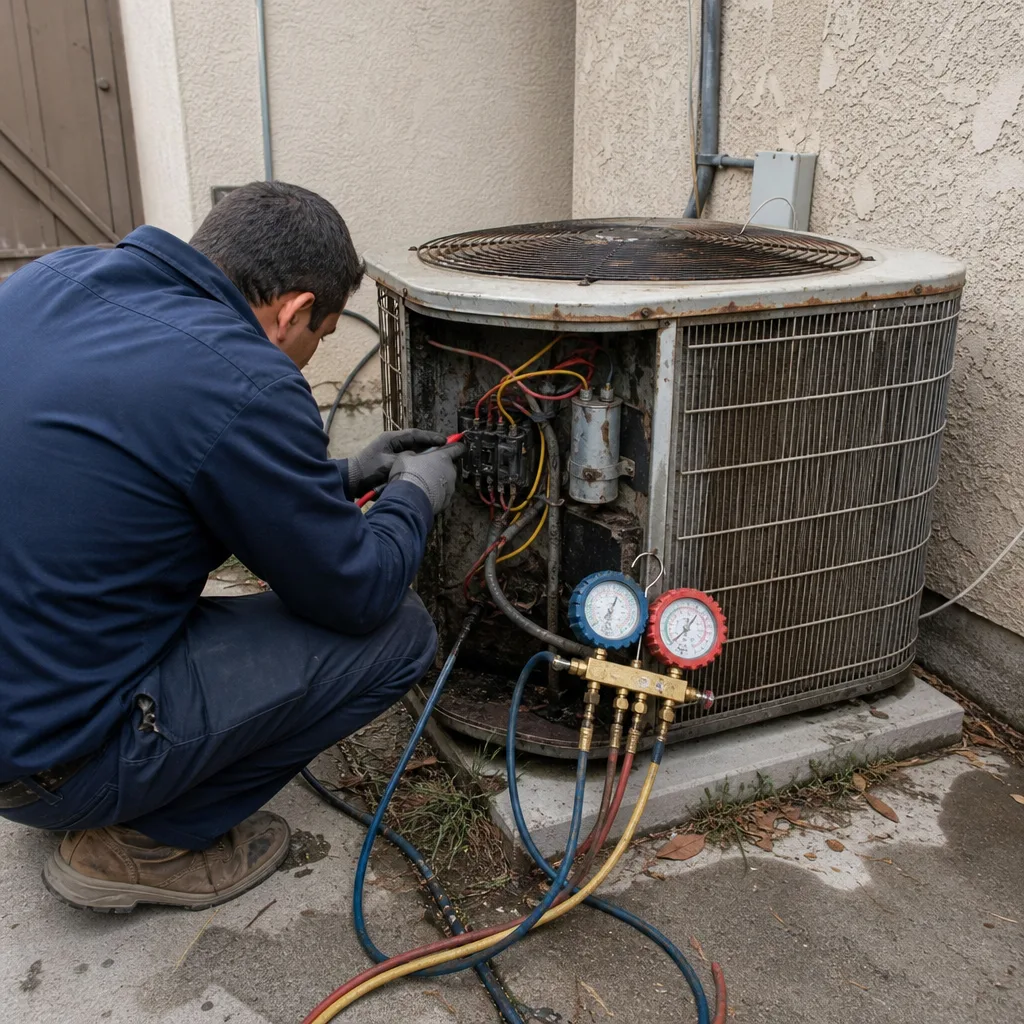 Before
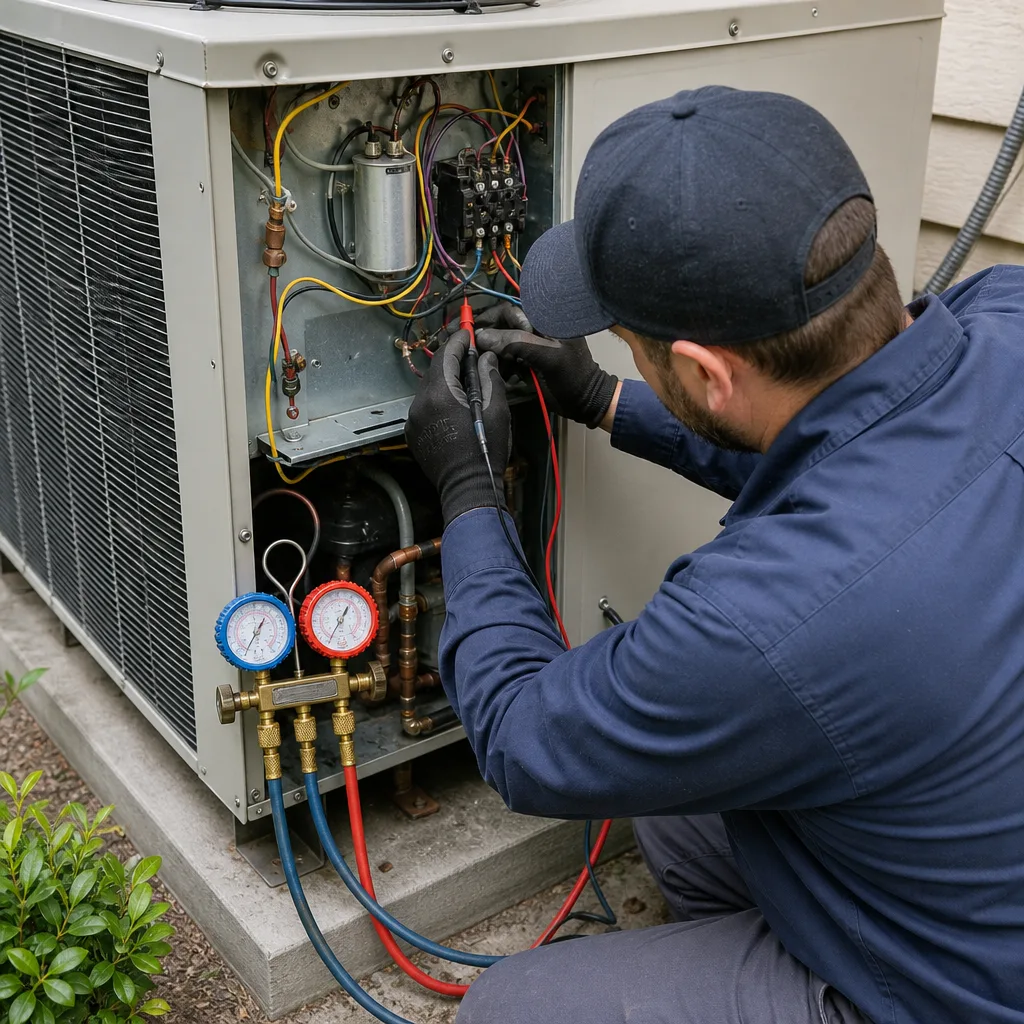 After
After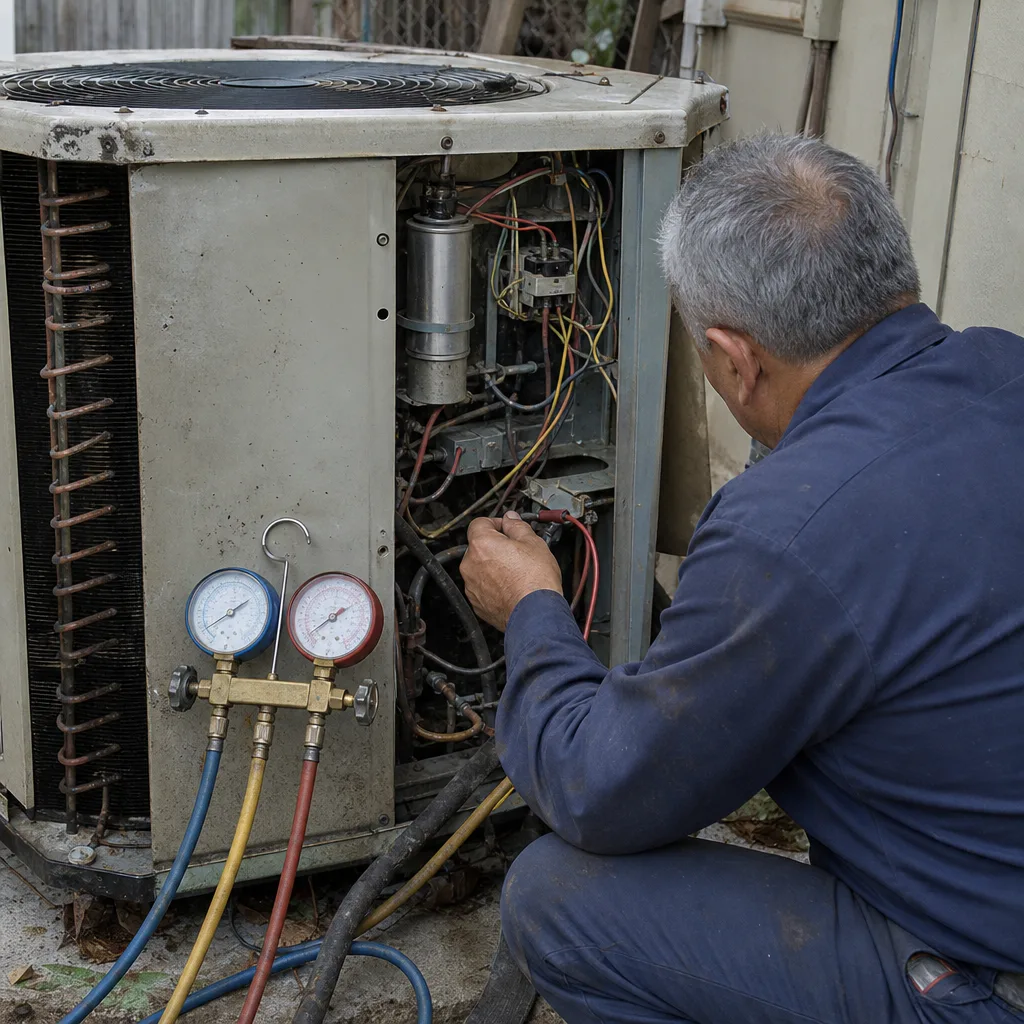 Before
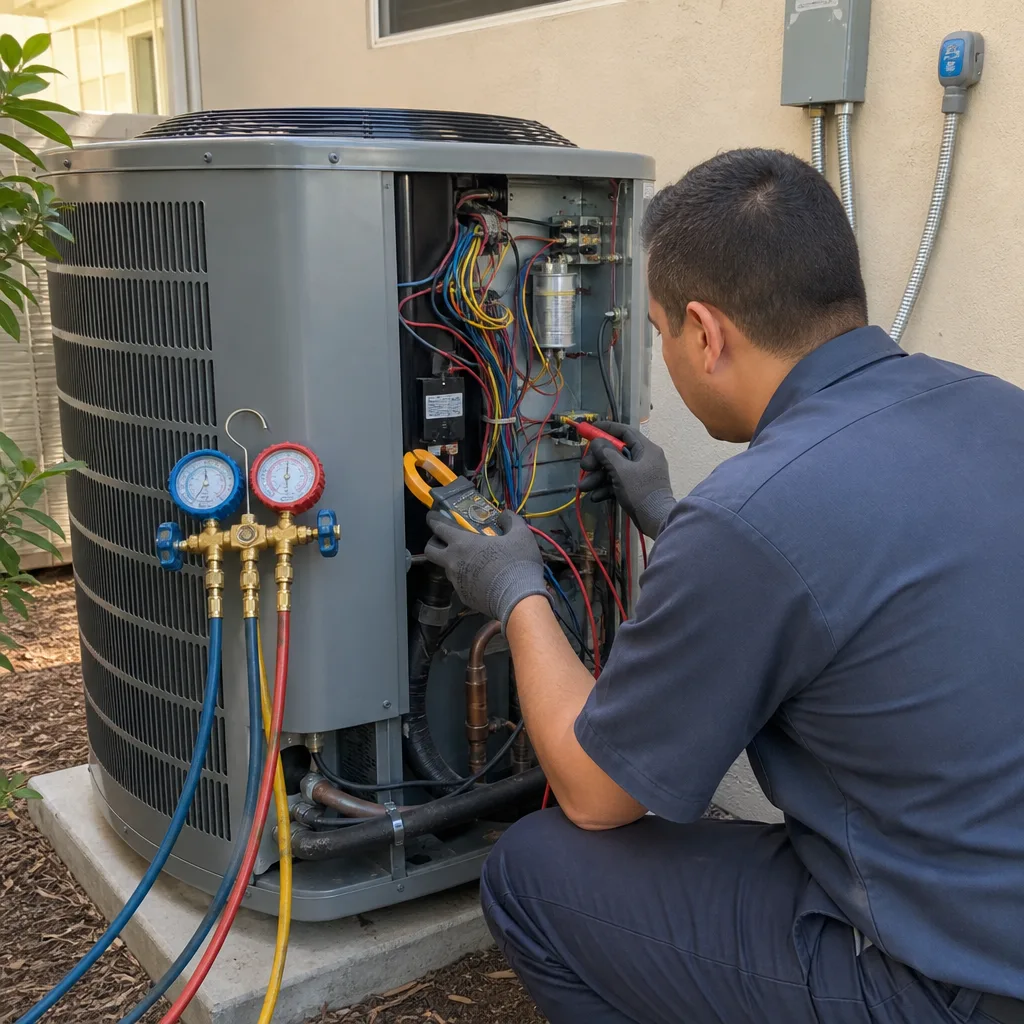 After
AfterReplacement Cost & What’s Included
Ductwork repair pricing in San Jose breaks down by scope. A small repair, meaning one failed takeoff collar or a single sagging flex run under 15 feet, typically lands between $175 and $325. That includes the replacement fitting, mastic sealing, and labor. A mid-sized job covering multiple branch lines or a section of supply trunk runs $325 to $550. Full replacement of one zone’s ductwork, which often applies to older homes with deteriorated fiberboard or failed insulation, falls in the $550 to $765 range. Every job starts with the same thing: a written price before we open the truck.
What’s included on every repair: a full inspection of the affected run, replacement of the failed section rather than just taping over it, proper sealing with mastic and foil tape, and a 365-day written guarantee. If a repair fails within that year, we’re back out at no charge. That’s the Kingswell Way, and it’s on paper before we leave your driveway. Victor Mancini keeps a logbook of every job he’s done in San Jose, and that habit means we know what previous repairs looked like when we come back for the guarantee.
DIY or Call Us?
Here’s the honest split on Bryant ductwork repair. There are checks a homeowner can do safely: look for visible disconnections in exposed attic ductwork, feel around supply boots for air escaping at the floor or wall connection, and note which rooms are underperforming. That information helps us diagnose faster. What you should not do is crawl into a San Jose attic mid-afternoon in July to start taping seams. Attic temperatures here regularly exceed 130 degrees in summer, and flex duct on older systems may be insulated with materials you don’t want to disturb without a respirator and gloves. We also don’t recommend the big-box-store tape fix. It fails within a season, and then you’ve paid twice.
What we actually fix on a Bryant ductwork call: takeoff collars that have separated at the trunk, crushed flex from attic storage, failed tape joints on metal trunks, and return ducts pulling air from the attic instead of the hallway. A proper repair means cutting out the failed section, installing a new fitting or run, sealing it so it holds pressure, and verifying airflow at the register. That’s a two-hour job for our crew and a weekend of frustration for most homeowners. If you suspect a leak, call (669) 800-4179 and we’ll send someone who can tell you exactly what’s failed and what it costs to fix, in writing, before any work starts.
FAQs
In San Jose’s climate, metal ductwork typically lasts 25 to 40 years if it was properly sealed at installation, while flex duct starts degrading around 15 to 20 years, especially in hot attics where the inner liner dries out and tears. Our hot, dry summers age flex liner faster than coastal climates, and we routinely replace flex runs from systems installed in the early 2000s.
Isolated damage can almost always be repaired section by section, and that’s what we recommend when the bulk of the system is still sound. Full replacement only makes sense when the majority of the runs show liner deterioration or the original install was so sloppy that patching would cost more than starting clean. Call (669) 800-4179 and we’ll give you an honest read based on what the attic actually shows.
Most single-run repairs take 60 to 90 minutes on site, while multi-run repairs or trunk work can take two to three hours. We stock standard Bryant-compatible fittings and materials on the truck, so we don’t have to leave for parts on most San Jose calls.
We stock the standard duct fittings, collars, flex runs, sealants, and sheet metal that work with any Bryant system, plus enough material to handle the common Carrier, Trane, and Lennox configurations we see in San Jose. Since Bryant doesn’t build proprietary ductwork, the parts that matter are the right gauge, the right diameter, and a seal that holds, and we carry all three.
Written by Victor Mancini, Owner, Cold Harbour Heating and Air San Jose at Cold Harbour Heating and Air San Jose, serving San Jose and nearby areas.