
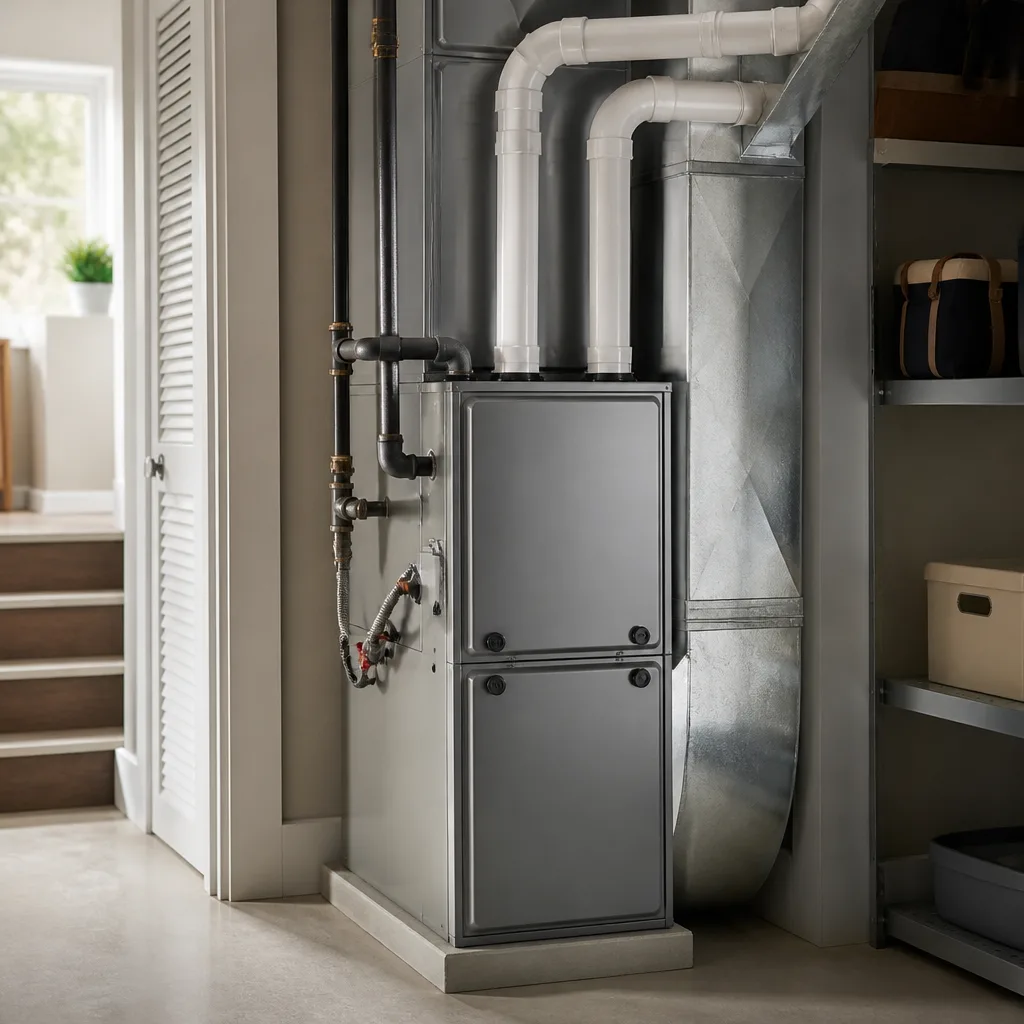
 Furnace & heating
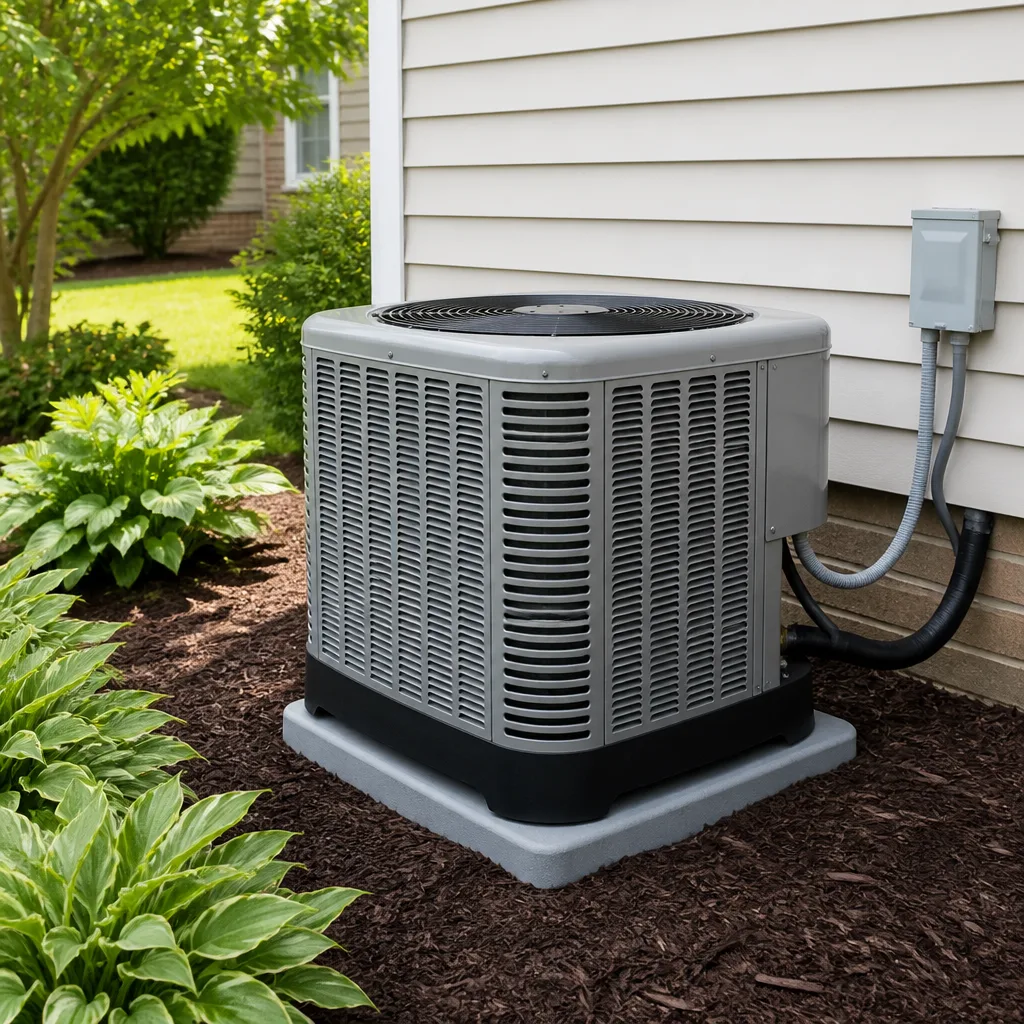 AC repair
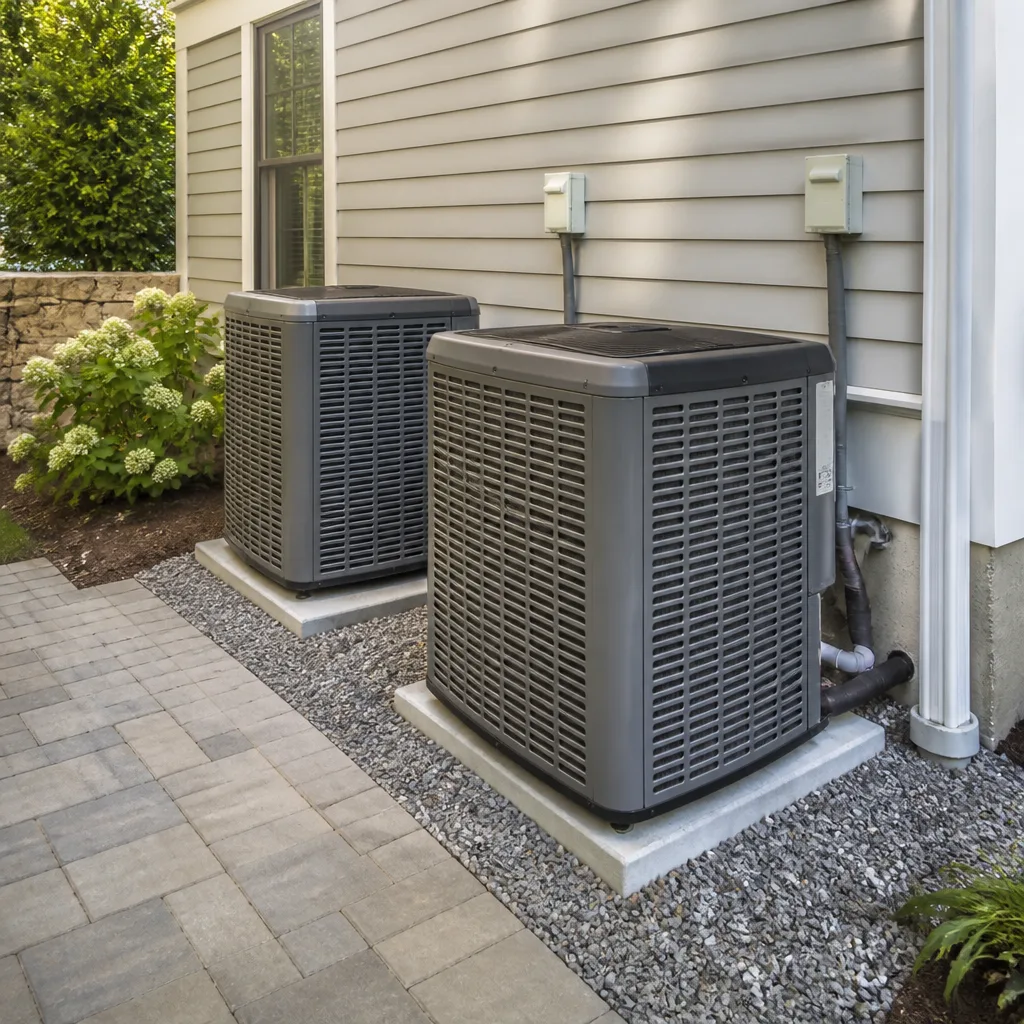 Heat pumps
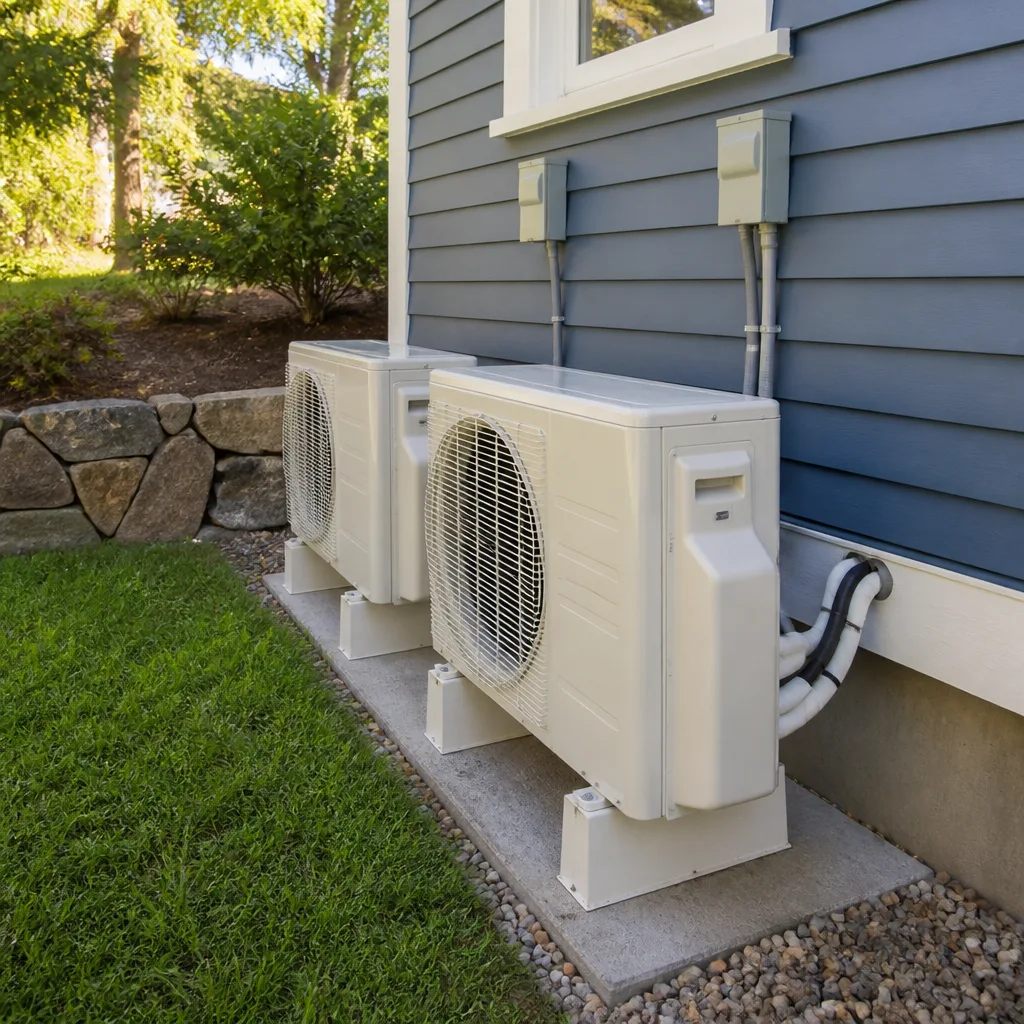 Ductless mini splits
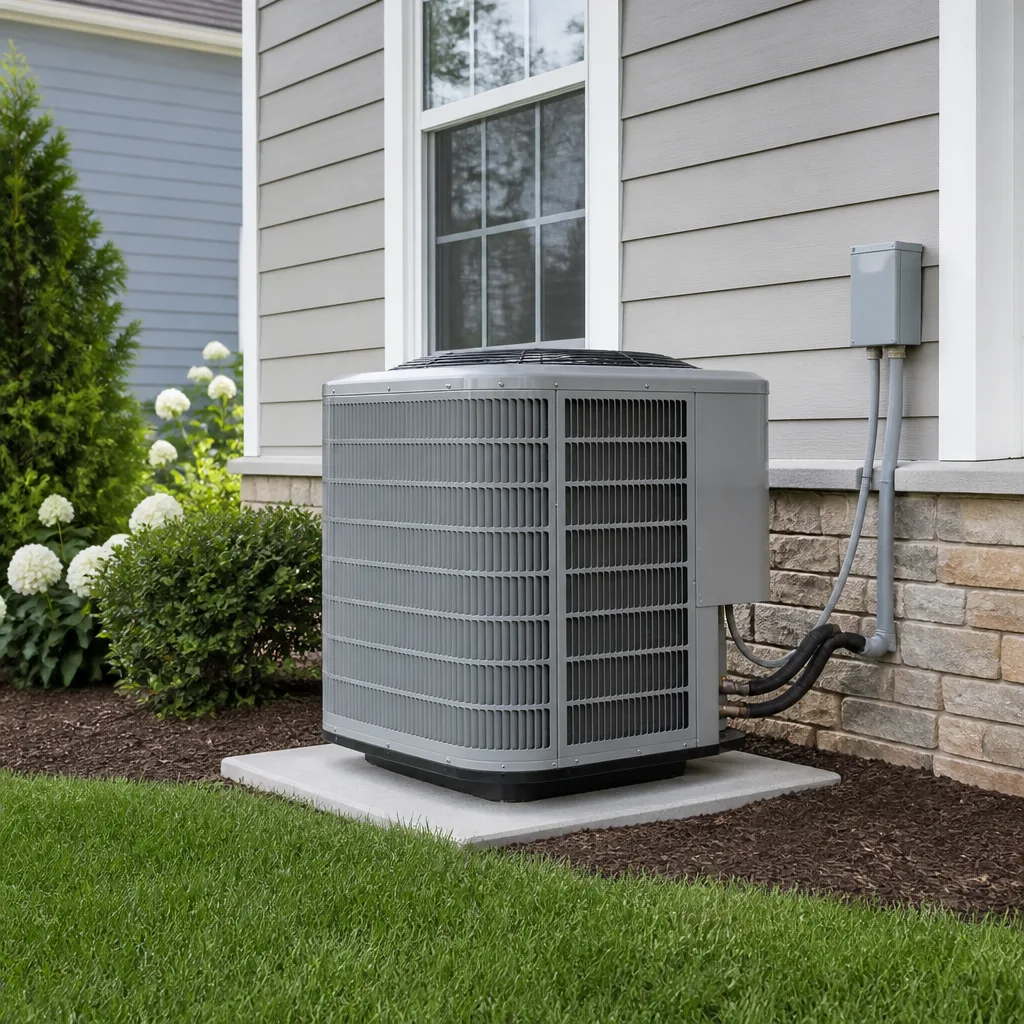 Carrier
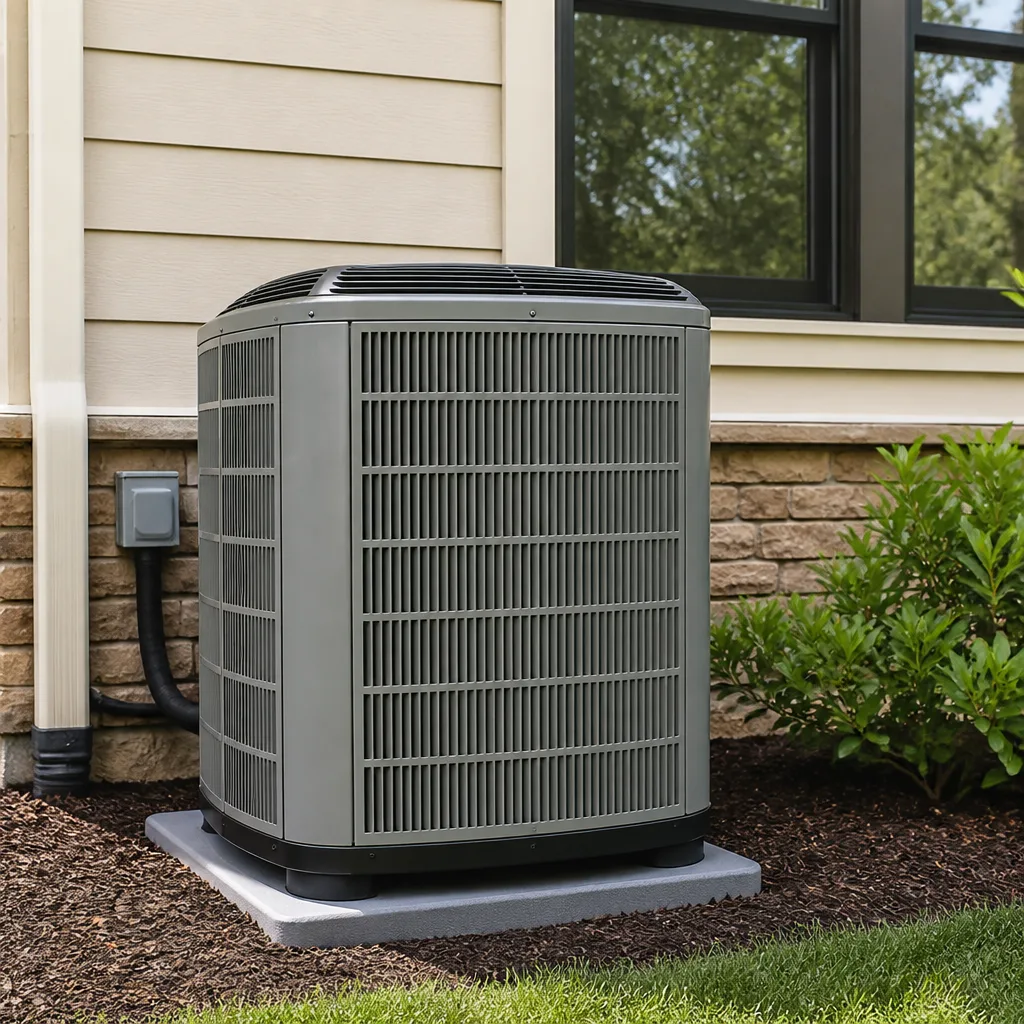 Trane
Trane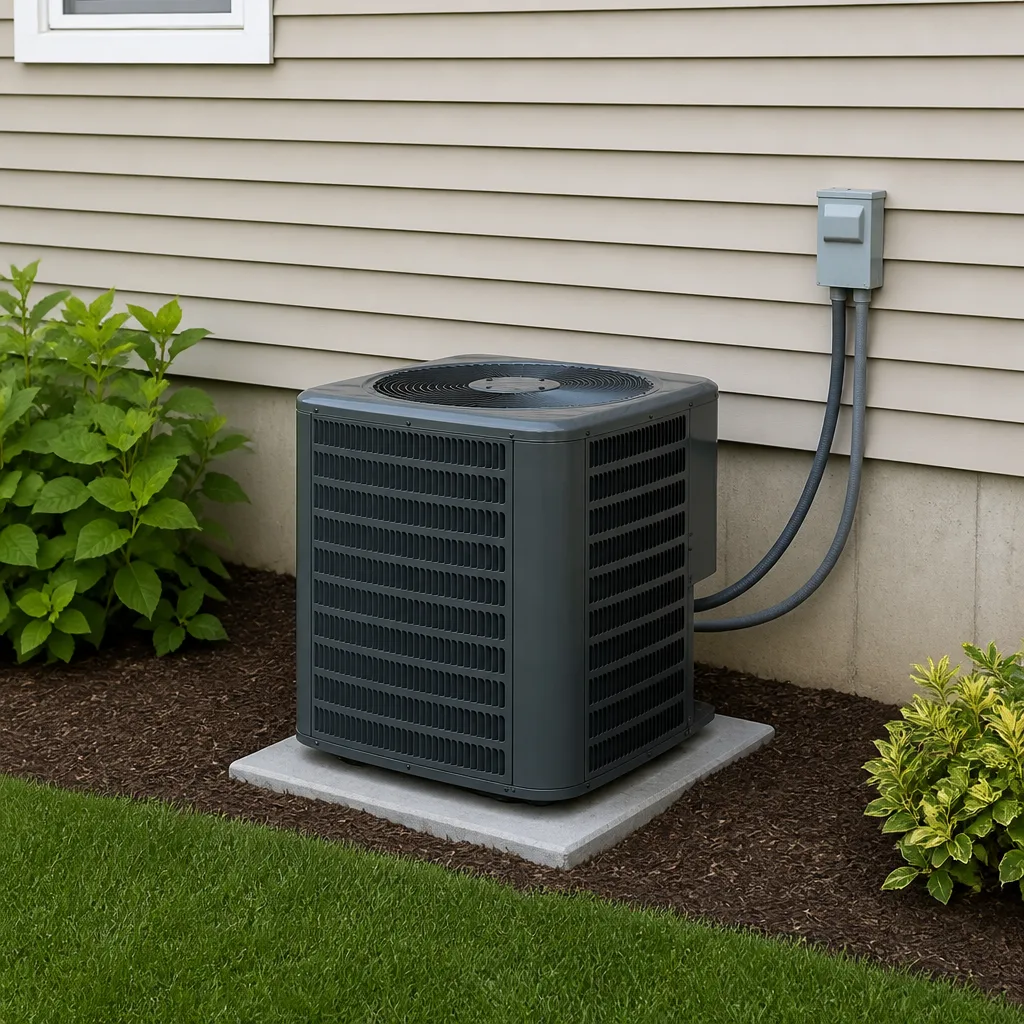 Goodman
Seasonal tune-up and full diagnostic on your Carrier, Trane, or Goodman system - readings shown to you before any repair is proposed
Diagnosis first, numbers second - you approve the repair price before a single part goes in.
Get your free estimateCarrier Mini-Split Installation: The San Jose Owner’s Guide
We install Carrier mini-split systems throughout San Jose, and a complete installation typically runs between $4,130 and $8,850 depending on the number of zones and the complexity of the line-set runs. If you already have a Carrier mini-split and a component has failed, we can often get a technician to your home the same day to diagnose it. The most common call we get starts the same way: the indoor unit was working fine last season, then one day it’s blowing warm air, making a grinding noise, or the outdoor unit won’t start at all.
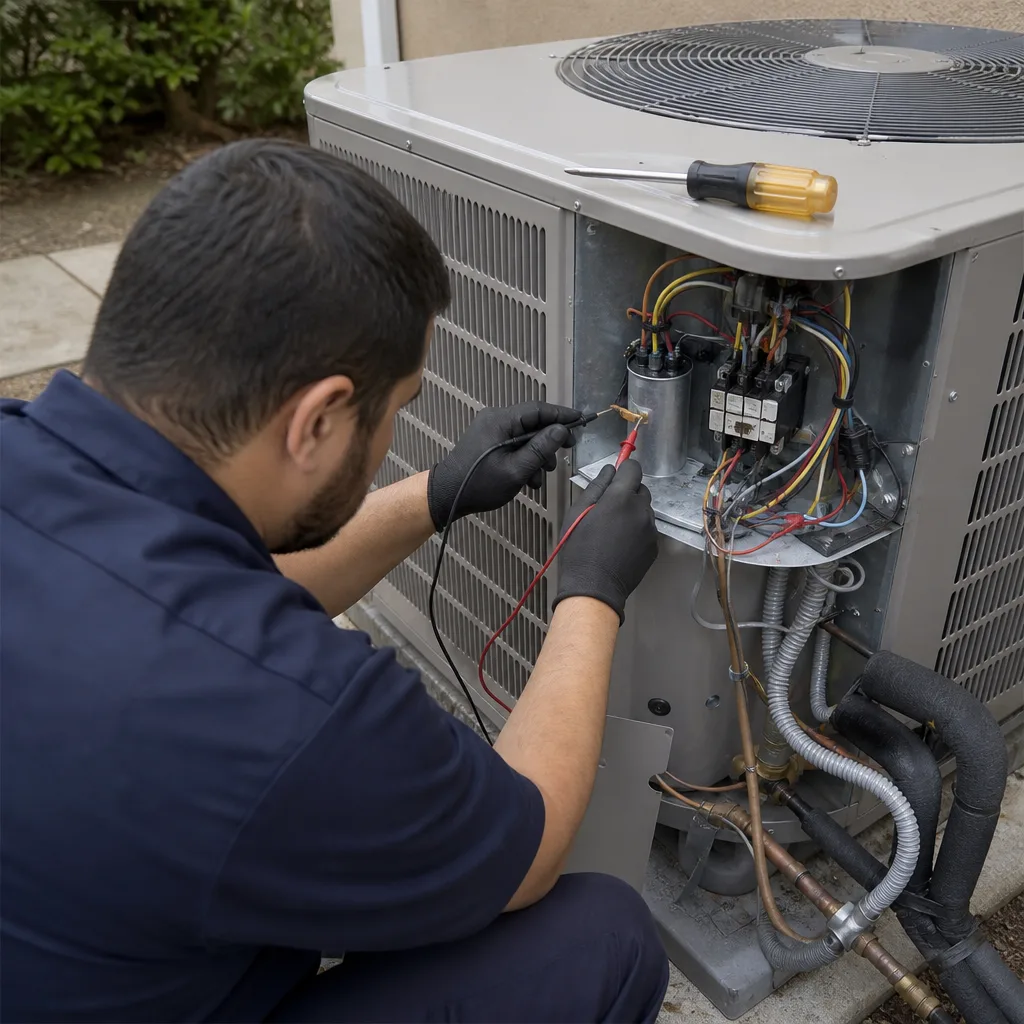
What most San Jose homeowners don’t realize is that a Carrier mini-split is not one single part that fails. It’s a system of paired components: the indoor air handler, the outdoor condensing unit, the line set connecting them, and the control wiring. When one piece fails, the whole system can go down. And because San Jose summer temperatures routinely push past 85°F in neighborhoods like Almaden Valley and Evergreen, a failed mini-split this time of year isn’t a minor inconvenience. It’s a comfort emergency.
Which Carrier Models This Applies To
We work on the full Carrier mini-split lineup, including the Performance Series (38MG, 40MG), the Infinity Series (38MGR, 40MGR), and the Comfort Series (38MAQ, 40MAQ). If you’re looking at a label on the side of your outdoor unit, the model number always starts with “38” and the indoor unit starts with “40.” That’s a Carrier-specific convention, and it’s the fastest way to confirm what you have before anyone starts ordering parts.
One compatibility gotcha we see often in San Jose: older Carrier mini-splits from the 2008 to 2015 era sometimes used proprietary communication wiring that is not backward-compatible with newer indoor heads. So if you’re hoping to pair a new indoor unit with an existing outdoor condenser, it may not work unless the model numbers match. We check that before we quote anything. As for OEM versus aftermarket parts, for compressors and inverter boards we recommend OEM Carrier parts, period. For things like fan motors, capacitors, and drain pans, quality aftermarket equivalents can save you 30% to 40% without sacrificing reliability. Victor Mancini has pulled apart enough of these units to know which parts are interchangeable and which ones will fight you if you cut corners.
Styles & brands we work with
Signs Your Carrier Mini-Split Installation Is Failing
- Warm air blowing from the indoor unit. This usually points to a refrigerant leak in the line set or a failing inverter compressor. A mini-split that’s low on refrigerant will still run, but it can’t pull heat out of the air. Left unchecked, this strains the compressor until it fails outright.
- Water dripping from the indoor head. In San Jose’s dry summers, condensate can evaporate before it drains, but a clogged drain pan or a cracked pan will show up as water running down your wall. It’s rarely just a cosmetic issue; water near electrical connections is a hazard.
- Grinding, squealing, or rattling from the outdoor unit. The outdoor fan motor bearings wear out, especially in units that sit in direct sun on the west side of a San Jose house. A rattling sound often means the fan blade has shifted on its shaft and is making contact with the housing.
- The outdoor unit runs but the indoor unit doesn’t respond. This points to a communication failure between the two units. Carrier’s inverter-driven systems rely on constant signal exchange, and a broken wire or a failed control board will shut the indoor unit down even if the outdoor unit is still getting power.
- The system short-cycles: turns on, runs a few minutes, shuts off. This can be a failing thermistor, a dirty outdoor coil, or an inverter board that’s losing its ability to modulate. In San Jose’s spring, when temperatures swing 30 degrees between morning and afternoon, short-cycling gets worse because the system can’t find a stable operating point.
See the difference
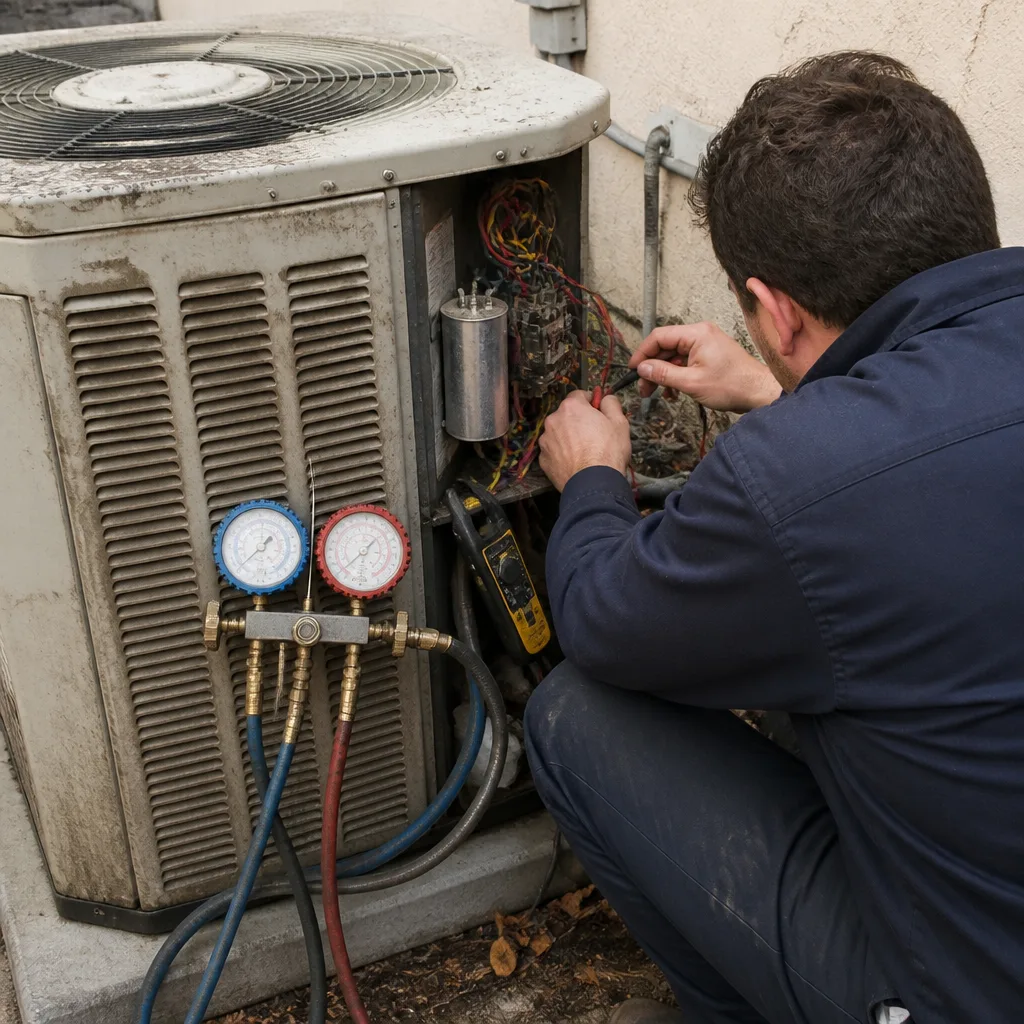 Before
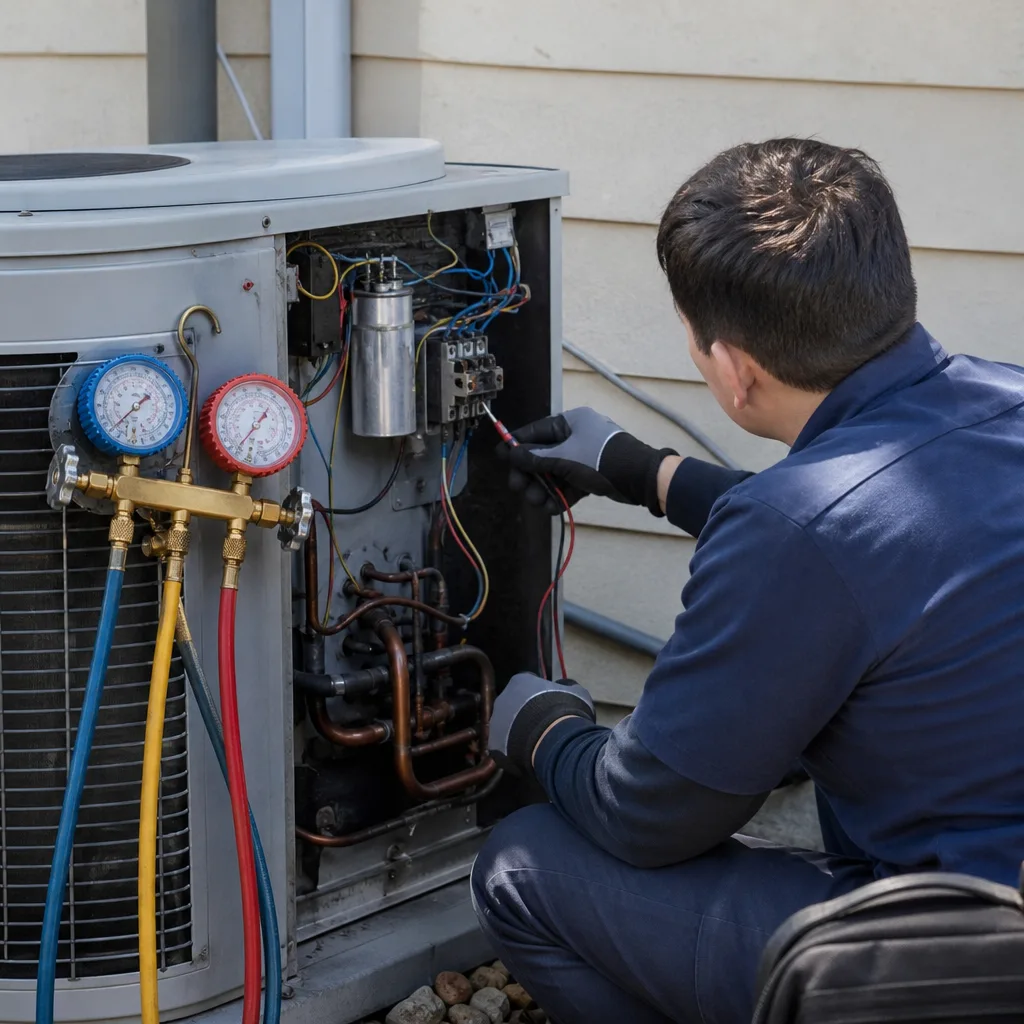 After
After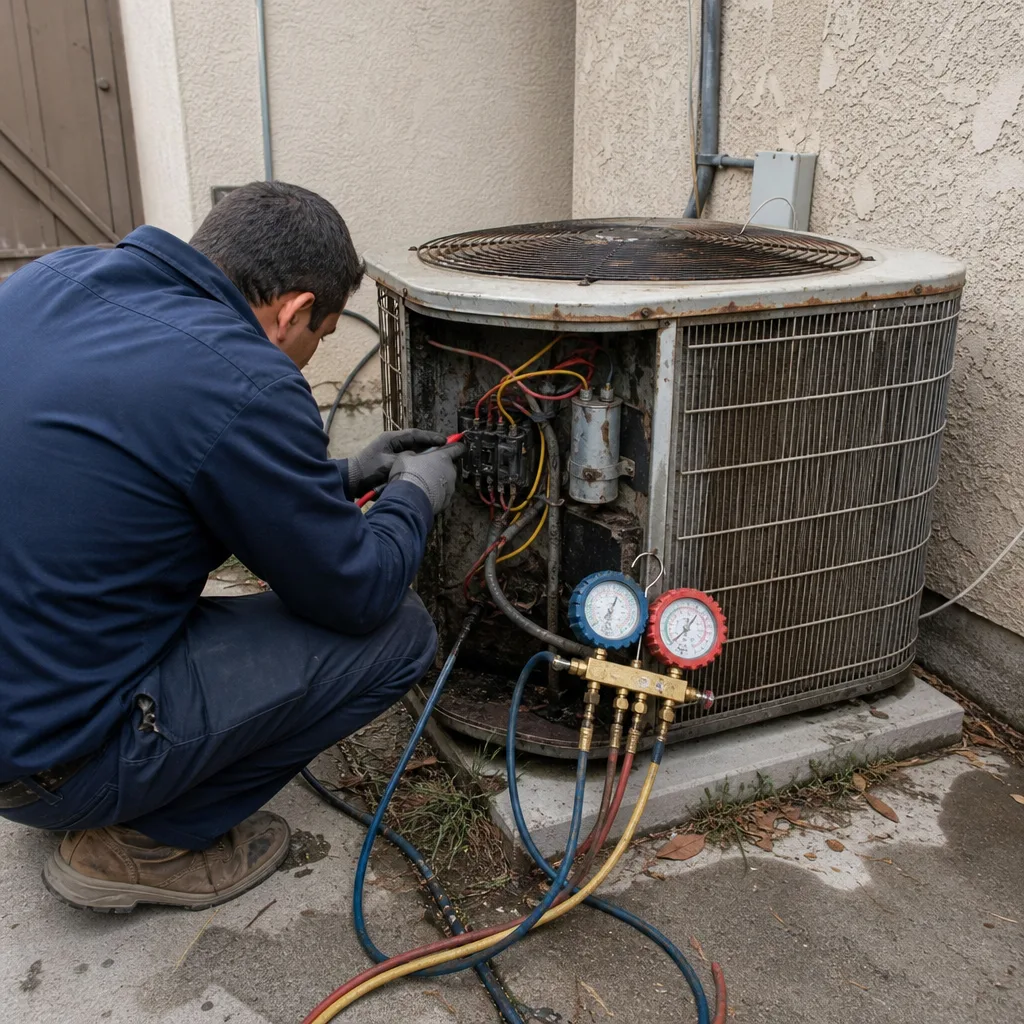 Before
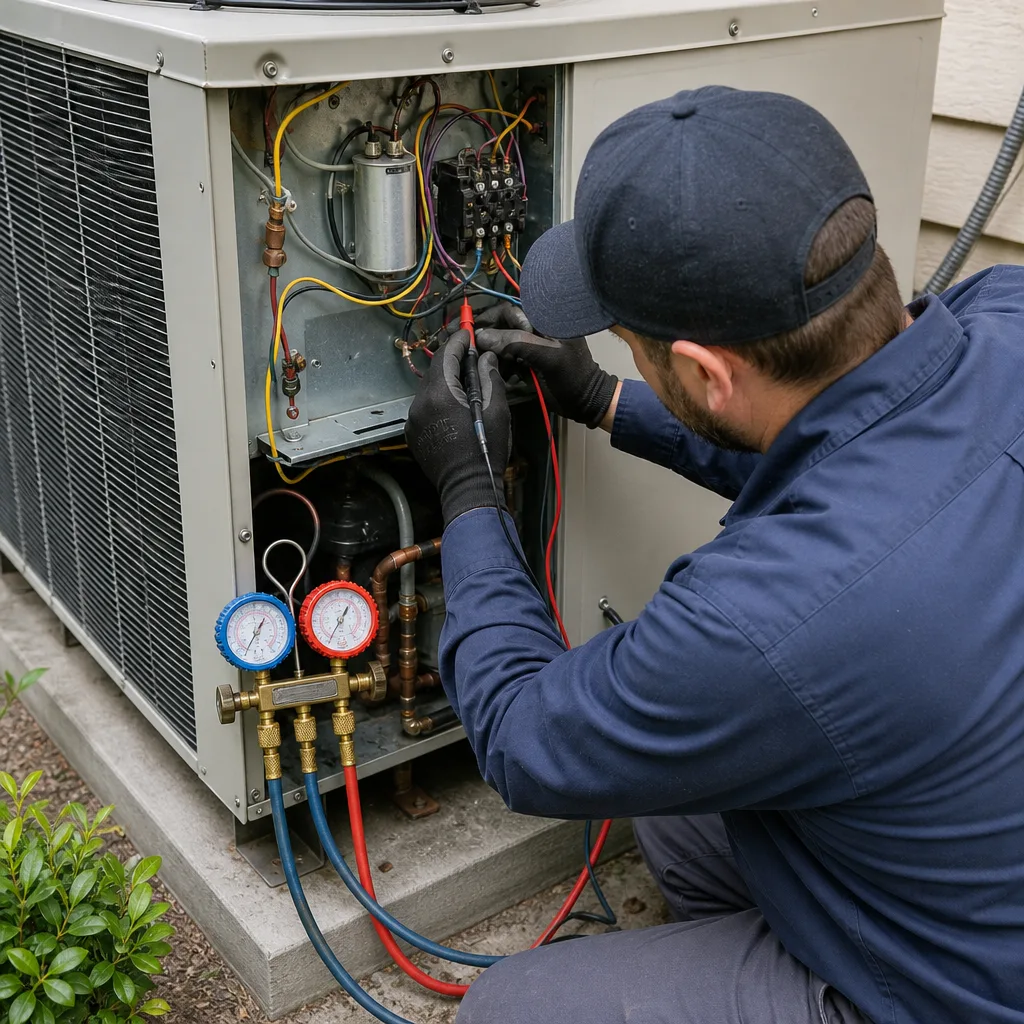 After
After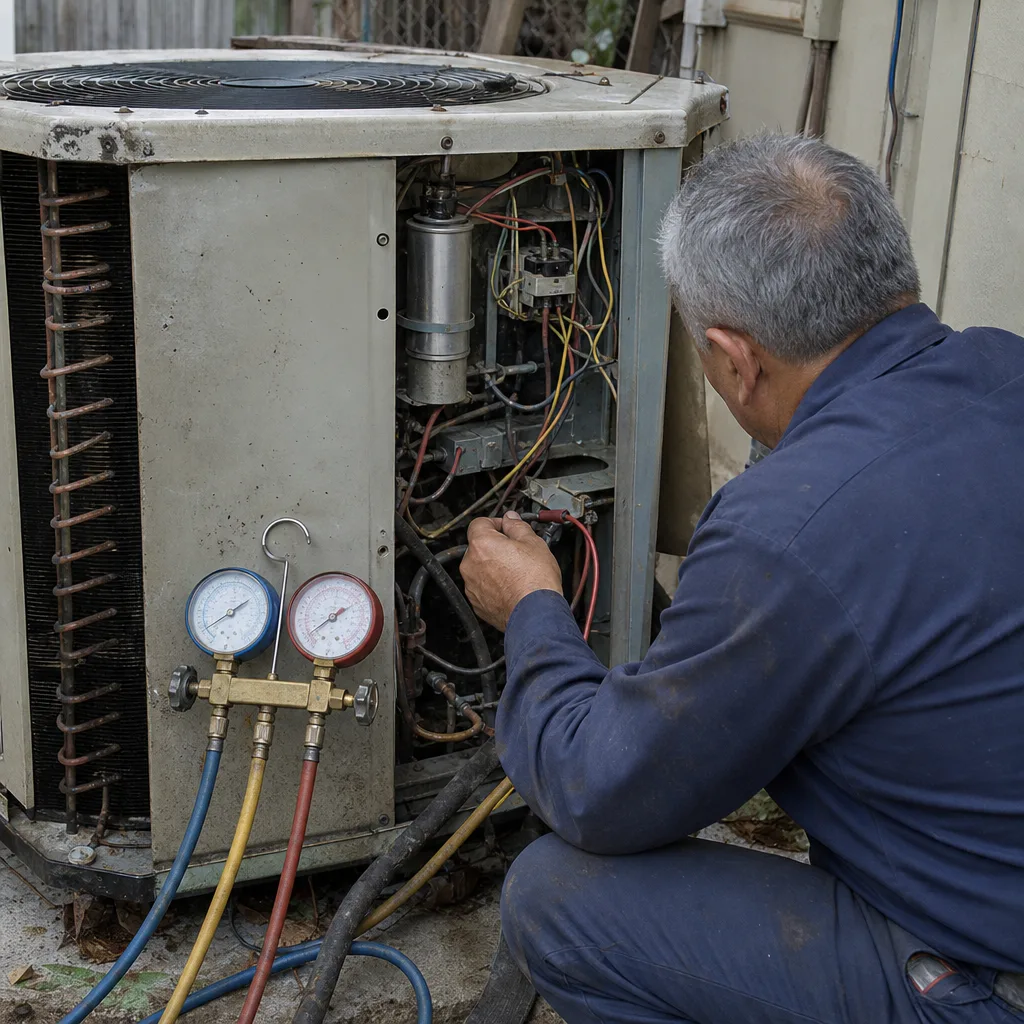 Before
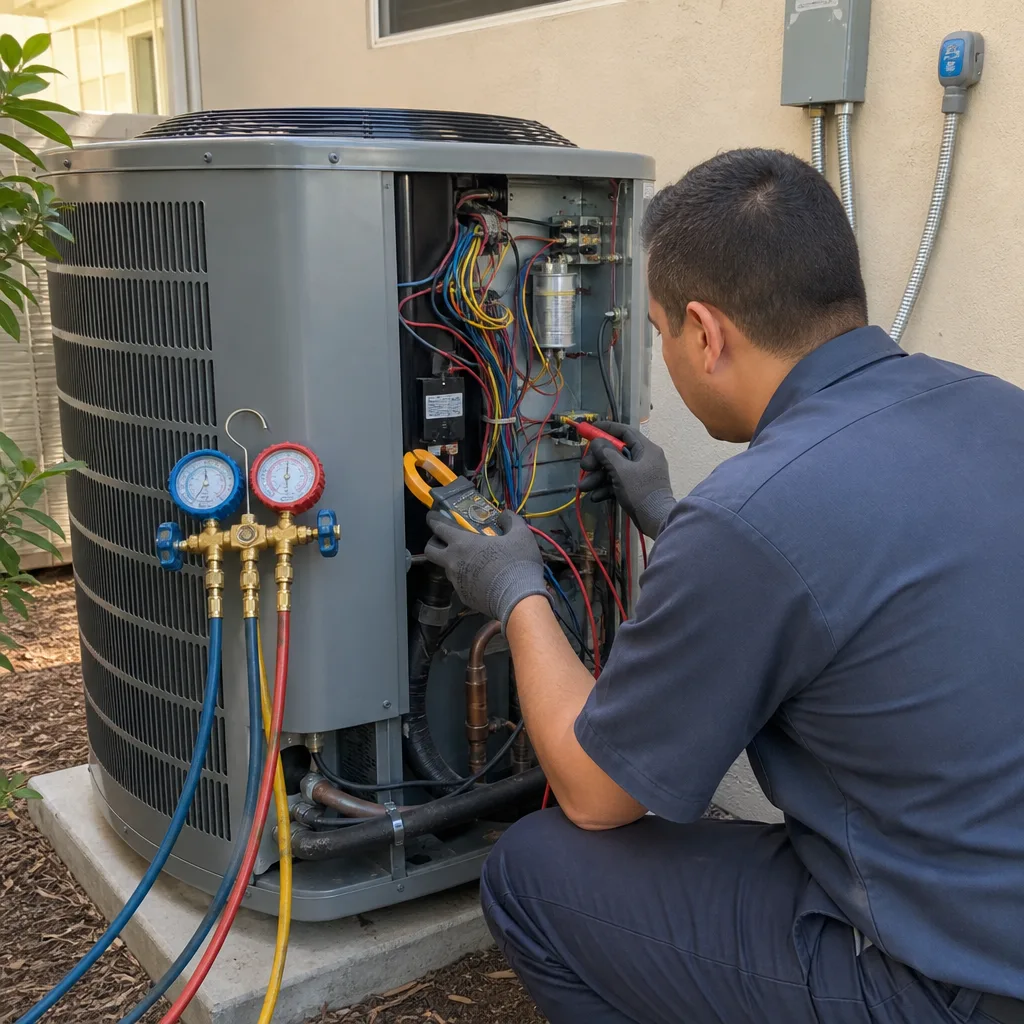 After
AfterReplacement Cost & What’s Included
For San Jose homeowners, a full Carrier mini-split installation ranges from $4,130 for a single-zone system in an easily accessible location to $8,850 for a multi-zone setup with long line-set runs, additional electrical work, or difficult wall penetrations. A replacement of a failed component within an existing system runs much lower, typically $175 to $765 for AC-related repairs, which covers most control boards, fan motors, and capacitors.
Every quote we provide includes the written price before any work begins, and it does not change at the door. That’s a core part of The Kingswell Way, and we don’t make exceptions. The parts, the labor, the disposal of the old component, and the testing after installation are all in that number. And every repair or installation is covered by our 365-Day Done Right Promise: if the work fails within a year, we return and correct it at no charge, with that guarantee written down before the technician leaves your property.
DIY or Call Us?
There are a few things you can safely check yourself: is the breaker on, is the remote set to “cool” and the temperature set below the room temperature, and are the air filters on the indoor unit clean? That last one catches more problems than people expect. A clogged filter restricts airflow and will make a healthy mini-split behave like a failing one.
What you should not attempt is anything involving the refrigerant lines, the electrical connections, or the inverter board. Mini-split systems run on high-voltage DC at the inverter, and the refrigerant is under pressure. Both can hurt you. What looks like a simple part swap can quickly become a serious electrical hazard, and a mistake with the flare fittings on the line set will leak refrigerant and destroy the compressor. We stock the common Carrier parts on our trucks, and we answer the phone at (669) 800-4179 with a live person, 24 hours a day. If you’re not sure what you’re dealing with, call us before you open the panel.
FAQs
In our experience, a properly installed Carrier mini-split lasts 12 to 18 years in San Jose’s climate. Units installed close to the bay in Alviso or Milpitas tend to see more salt air corrosion, while units in Los Gatos or the Santa Cruz Mountains see more dust and pollen. Regular cleaning of the outdoor coil extends lifespan more than anything else.
Yes, many components can be repaired, and we will always tell you if a repair is the better path. Control boards, fan motors, thermistors, and drain pans are all repairable. When a compressor fails, replacement is usually the only honest option, and at that point we’ll walk you through whether replacing the whole system makes more financial sense. Call (669) 800-4179 and we’ll give you a straight answer.
Most component replacements take between one and three hours once we’re on site. A full system installation is typically a one-day job for a single-zone system, and multi-zone installs can take two days depending on line-set routing and electrical work. We’ll give you a firm arrival window and a written timeline before we start.
We stock the most common Carrier mini-split parts on our trucks: capacitors, fan motors, drain pans, thermistors, and control boards for the Performance and Comfort series. For less common Infinity series parts or compressors, we order directly from Carrier’s distribution network and can usually have the part in hand within one to two business days. We also stock compatible parts for Trane and Lennox systems, so if you have mixed brands in your house, we can handle it in one visit.
Written by Victor Mancini, Owner, Cold Harbour Heating and Air San Jose at Cold Harbour Heating and Air San Jose, serving San Jose and nearby areas.