
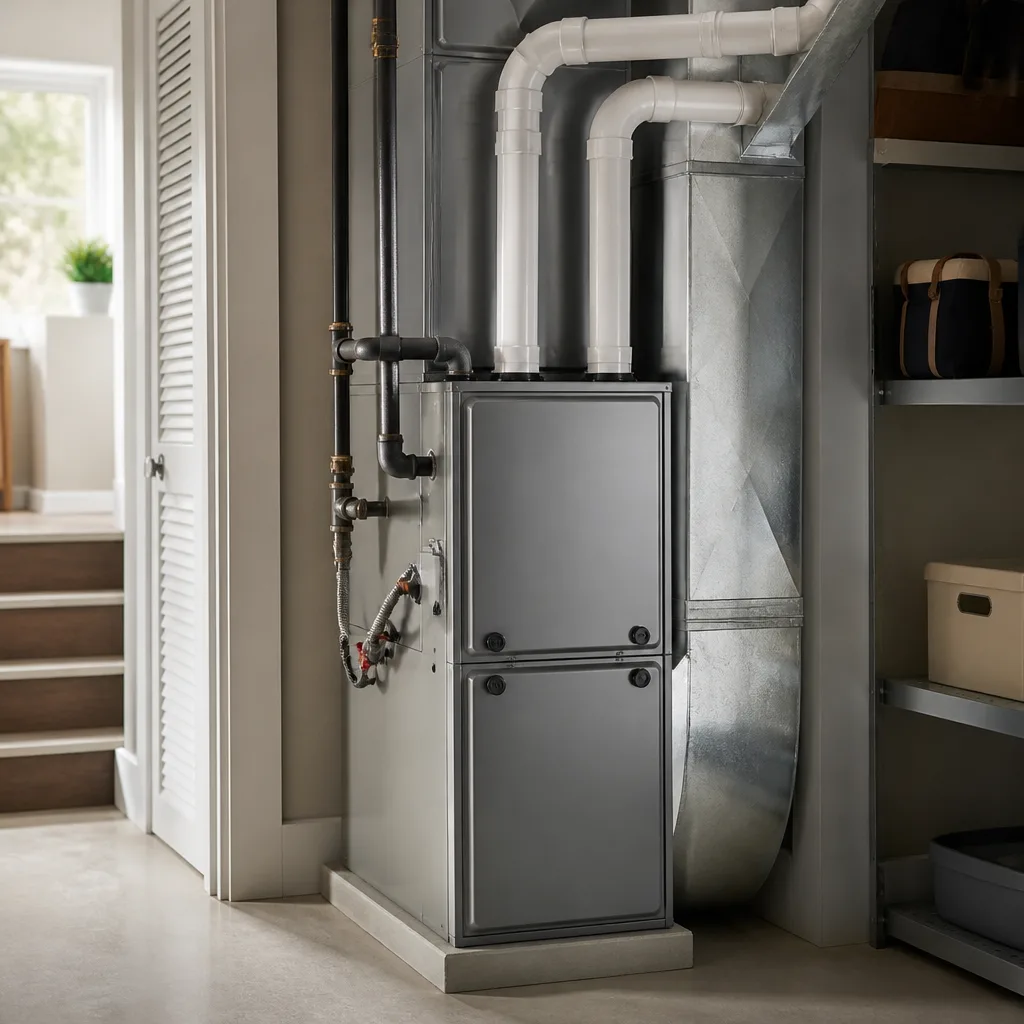
 Furnace & heating
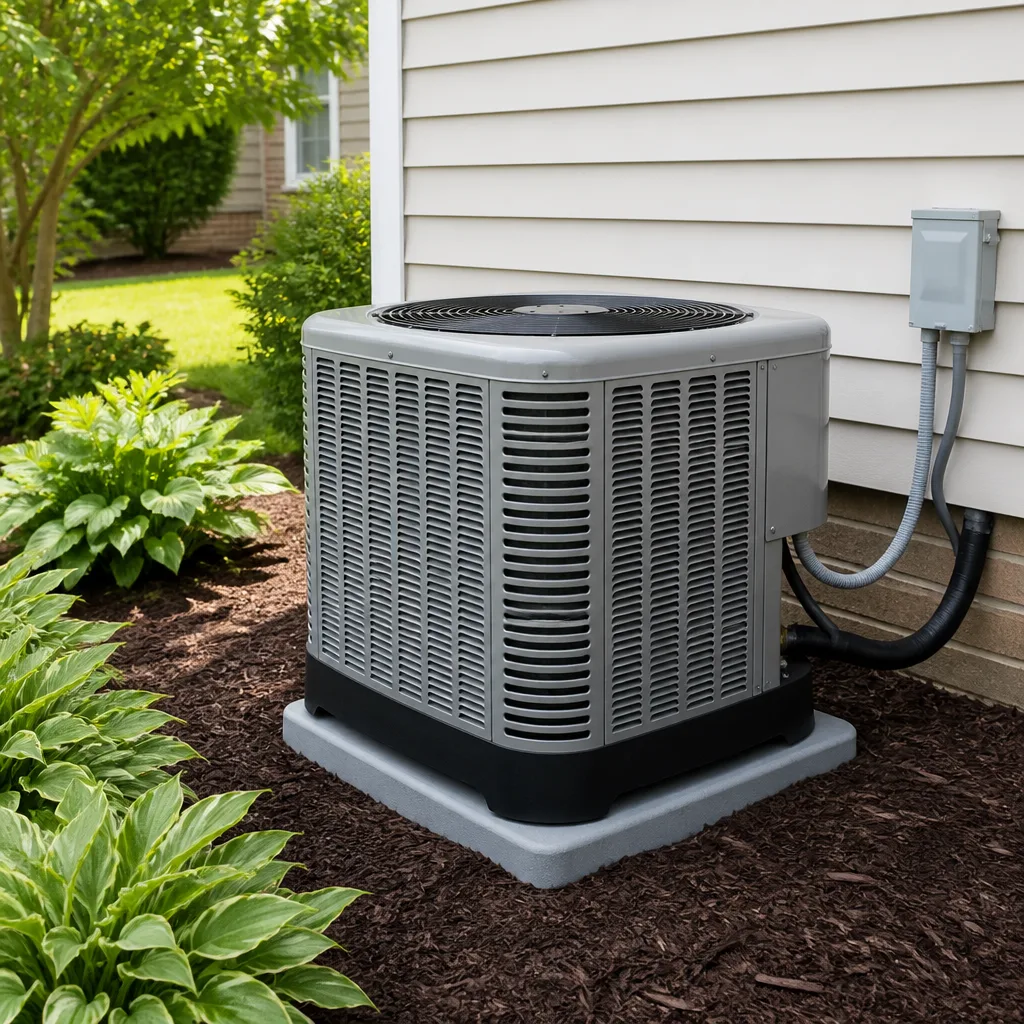 AC repair
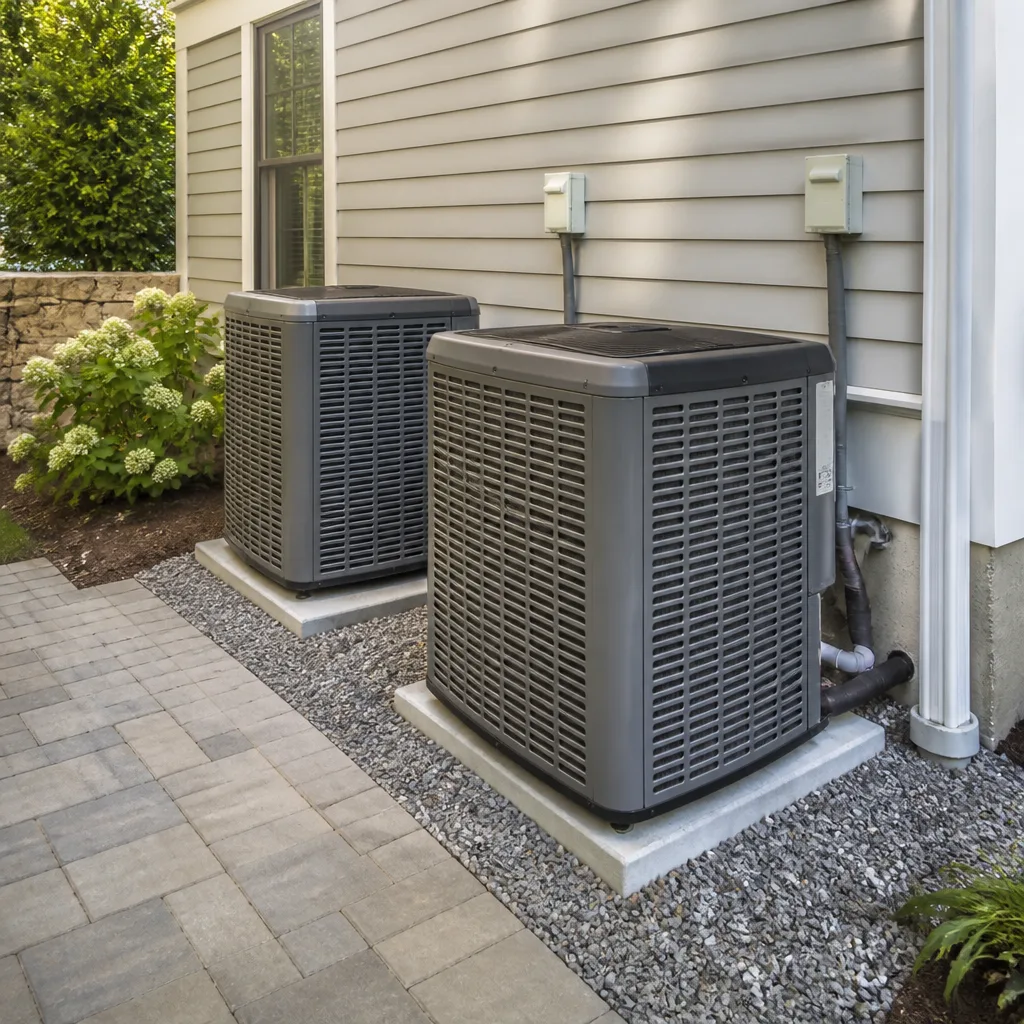 Heat pumps
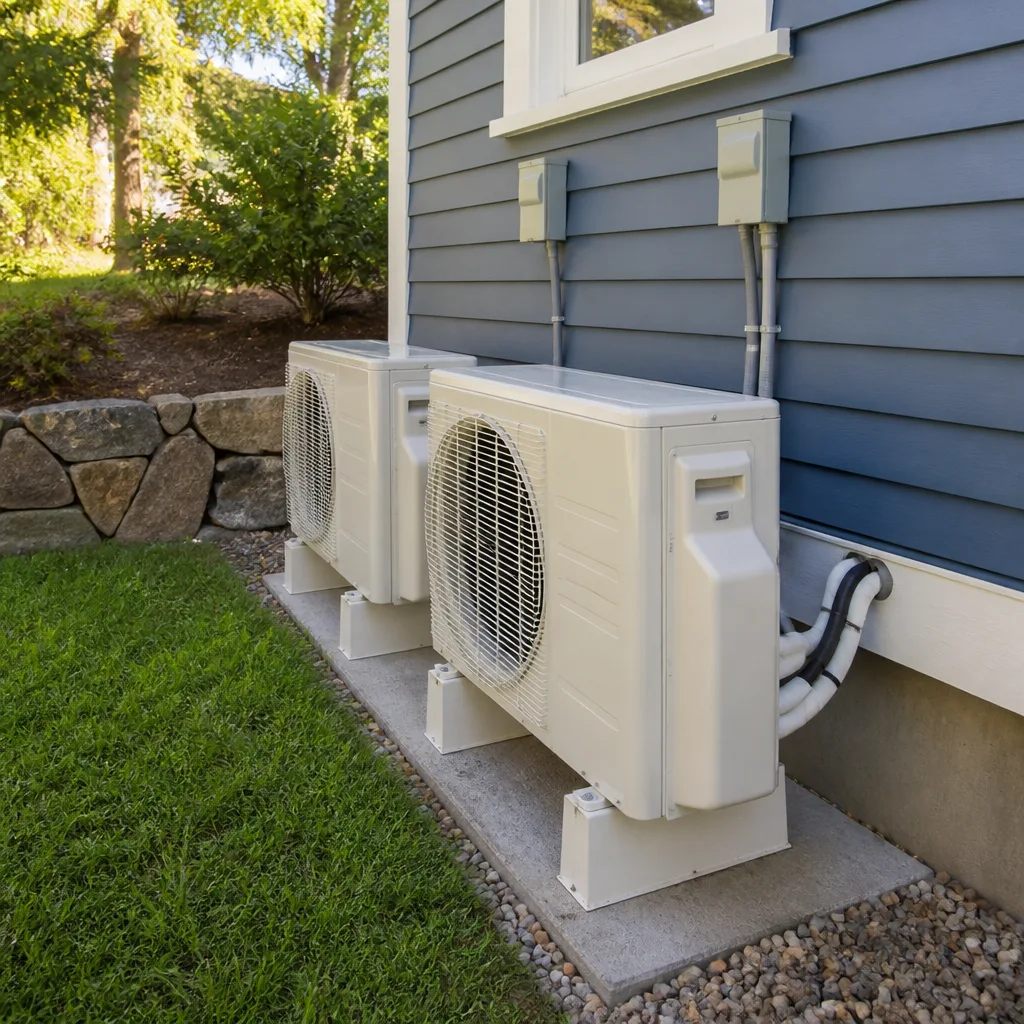 Ductless mini splits
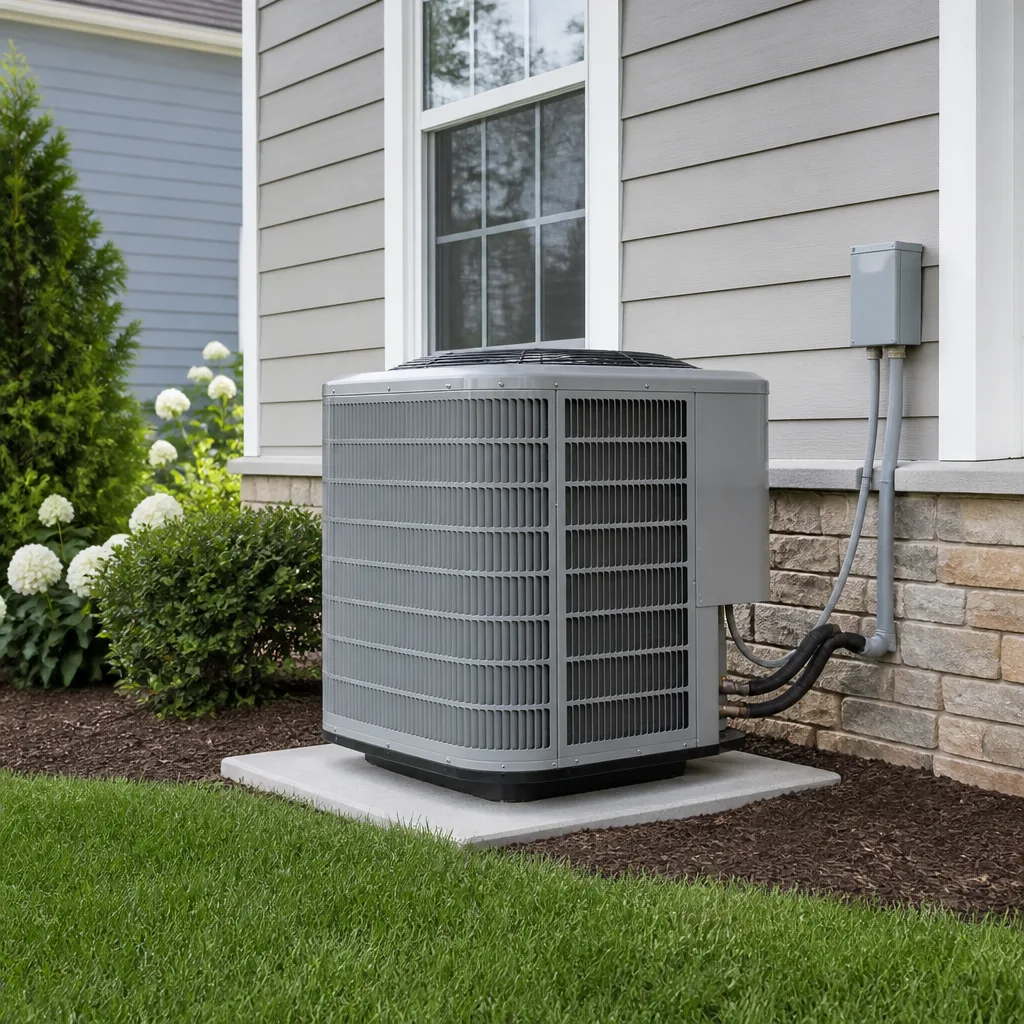 Carrier
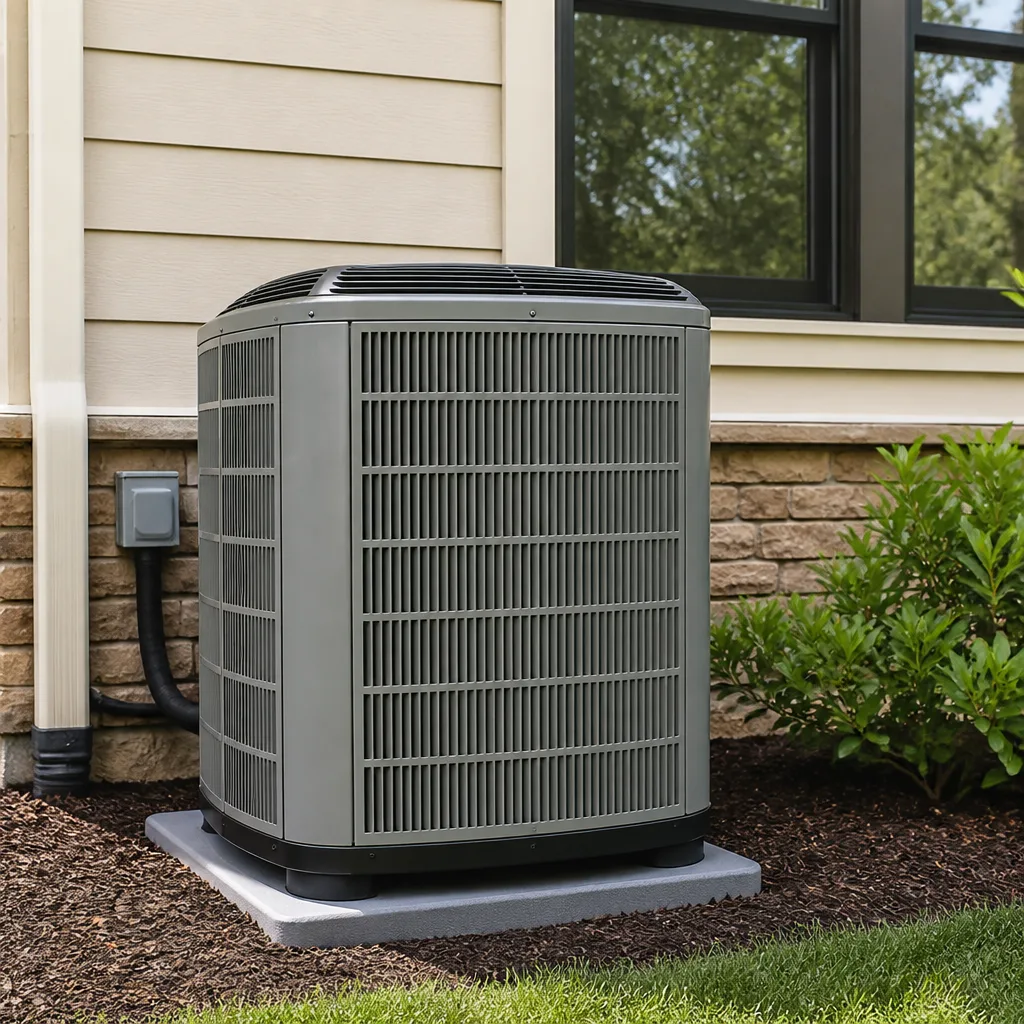 Trane
Trane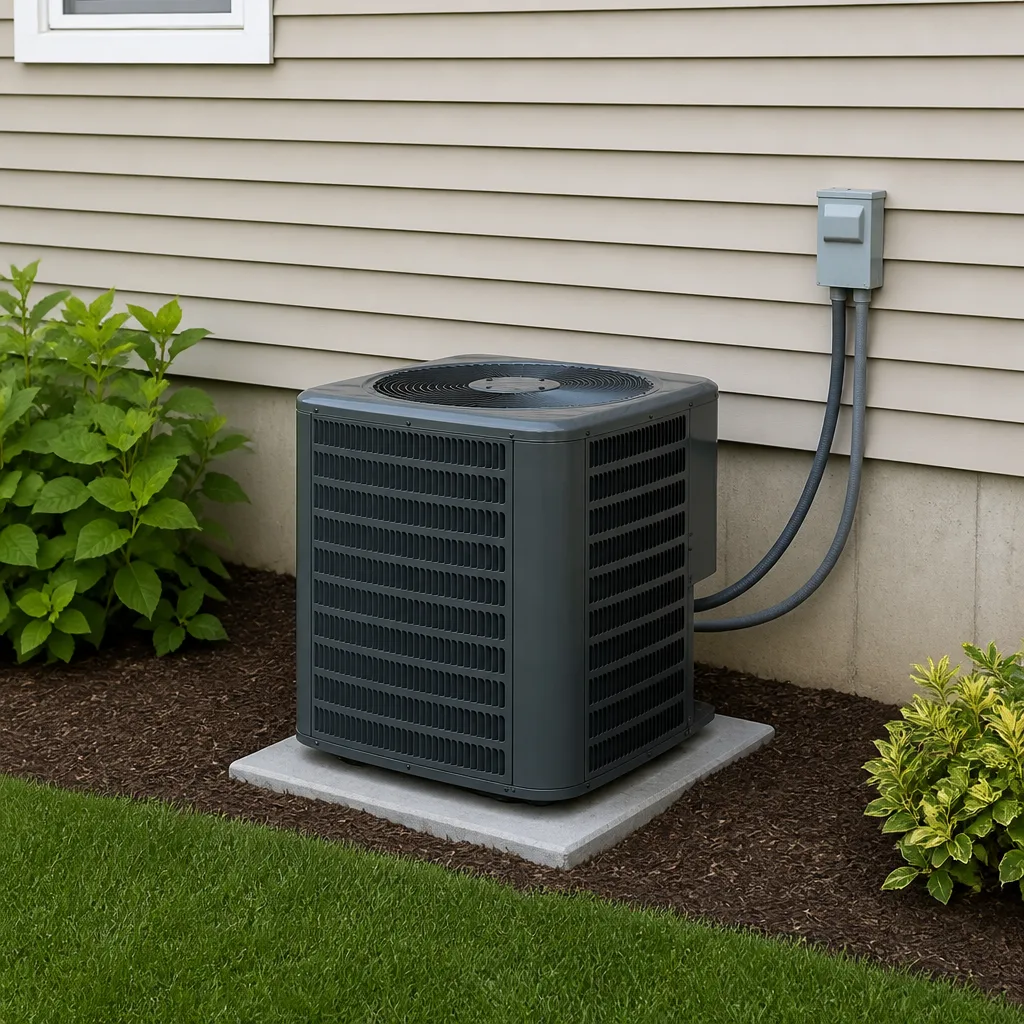 Goodman
Seasonal tune-up and full diagnostic on your Carrier, Trane, or Goodman system - readings shown to you before any repair is proposed
Diagnosis first, numbers second - you approve the repair price before a single part goes in.
Get your free estimateYork Capacitor Replacement: The San Jose Owner’s Guide
A York capacitor replacement in San Jose typically runs $180 – $340 installed, depending on whether it’s a single or dual-run capacitor and how accessible your condenser unit is. We stock York-compatible capacitors on our trucks, so in most Willow Glen, Almaden, or Berryessa neighborhoods we can have your system cooling again the same day you call. The way most homeowners find out their capacitor failed is simple: the outdoor unit hums but the fan won’t spin, or the compressor clicks and gives up, or the system was running fine last week and now it’s dead on the first hot afternoon.
Which York Models This Applies To
York has used the same fundamental capacitor design across its residential condenser lines for years, which means the replacement we’re talking about covers the vast majority of systems you’ll find in San Jose homes. That includes the Affinity, LX, and Latitude series, plus older workhorse lines like the Stellar and Champion models that are still keeping plenty of South Bay houses comfortable. If your condenser was built any time in the last 15 to 20 years, it almost certainly relies on a cylindrical metal capacitor mounted inside the electrical access panel.
Here’s the compatibility gotcha most homeowners miss: York units don’t all take one universal capacitor, and swapping in a “close enough” part is exactly how we end up coming back to redo someone’s DIY attempt. The replacement capacitor needs to match the microfarad (µF) rating and voltage printed on the side of the old part, not just the physical size. A dual-run capacitor, which most York condensers use, runs two ratings in one can: for example, 45/5 µF at 440 VAC means 45 microfarads for the compressor, 5 for the fan motor, and a 440-volt rating. That spec has to be right. If the voltage rating is too low, the capacitor will run hot and fail early. If the microfarad rating is off more than about 10 percent, the compressor and fan motor run out of phase, draw more current, and wear down faster. Victor Mancini has pulled enough incorrectly matched capacitors out of York units to know this is where the shortcuts usually hide.
As for OEM versus aftermarket: York capacitors are manufactured to a good spec, but the reality is that several American-made aftermarket brands, including Titan HD and AmRad, build capacitors that match or exceed York’s OEM ratings at a better price. We’re comfortable installing any of them when the ratings line up. We’re an independent service company, not affiliated with York, so our job is to put in a part that’s right for the job and back it with our own written guarantee.
Styles & brands we work with
Signs Your York Capacitor Replacement Is Failing
- The outdoor unit hums but the fan doesn’t turn. This is the classic. The capacitor is what gives the fan motor its starting jolt, so when the capacitor goes weak, the motor just sits there and buzzes. If you hear this, kill the breaker to the condenser and don’t let it keep humming. A stalled motor pulls locked-rotor current and will burn itself out if you leave it long enough.
- The compressor clicks on, then quits after a few seconds. The compressor needs a bigger starting push than the fan, and a dying capacitor can sometimes get the fan spinning but not hold the compressor. You might hear a series of soft clicks from the unit followed by silence. That’s the thermal overload cutting out to protect the compressor.
- Cooling is weak or the system short-cycles. In San Jose’s dry summer heat, a weak capacitor means the compressor isn’t running at full torque. It may start, stumble, overheat, and shut down after ten or fifteen minutes, then repeat. Short-cycling is hard on the whole system, not just the capacitor.
- The top of the capacitor is bulging or the plastic sleeve looks discolored. Capacitors are sealed metal cans with a pressure relief point on top. When they overheat internally, the top domes outward or the oil inside leaks down the side. This is a visual tell if you’re comfortable opening the access panel, though most homeowners are better off letting a technician check it.
- The outdoor unit won’t start at all, but the indoor blower runs. Total capacitor failure means zero starting torque. The thermostat clicks, the indoor fan pushes air, but the condenser outside is silent. In San Jose, where July days routinely push into the 90s inland, a dead capacitor in the late afternoon is when our phone rings the most.
See the difference
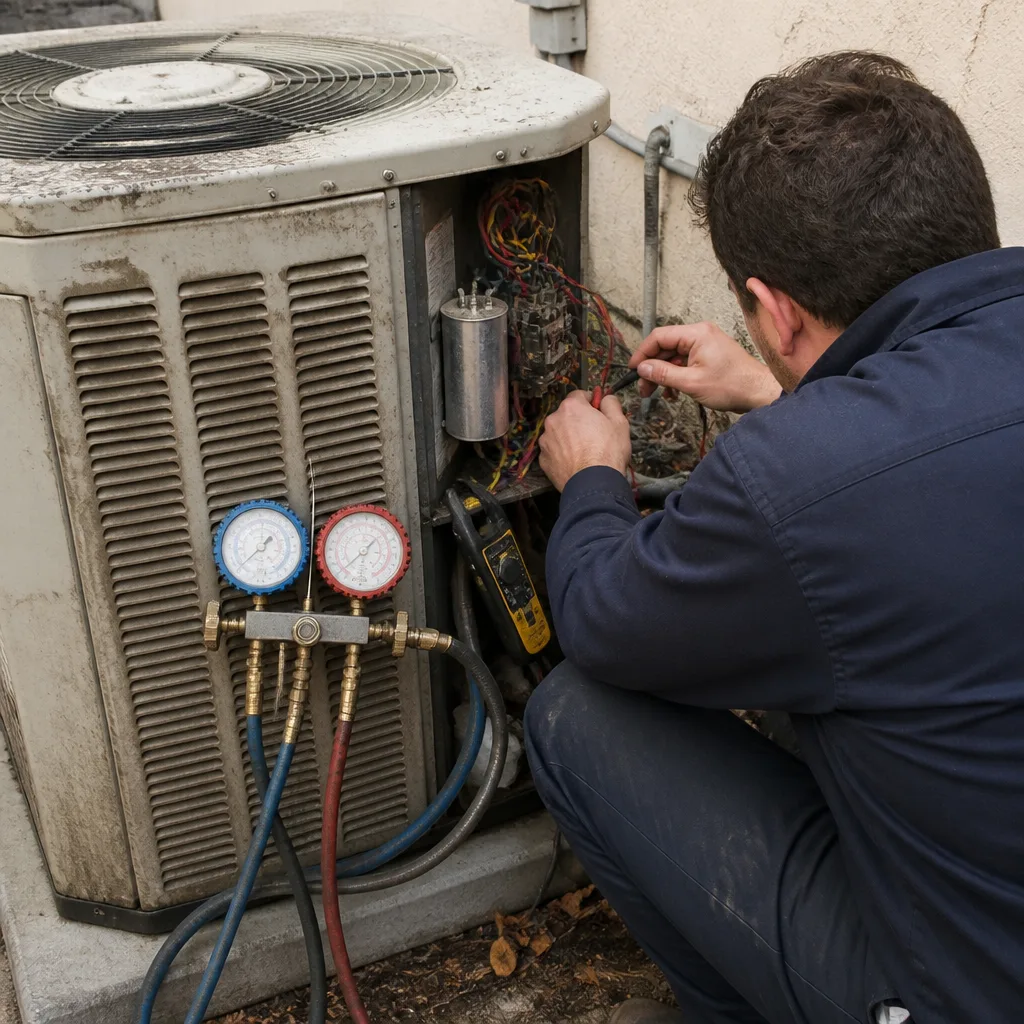 Before
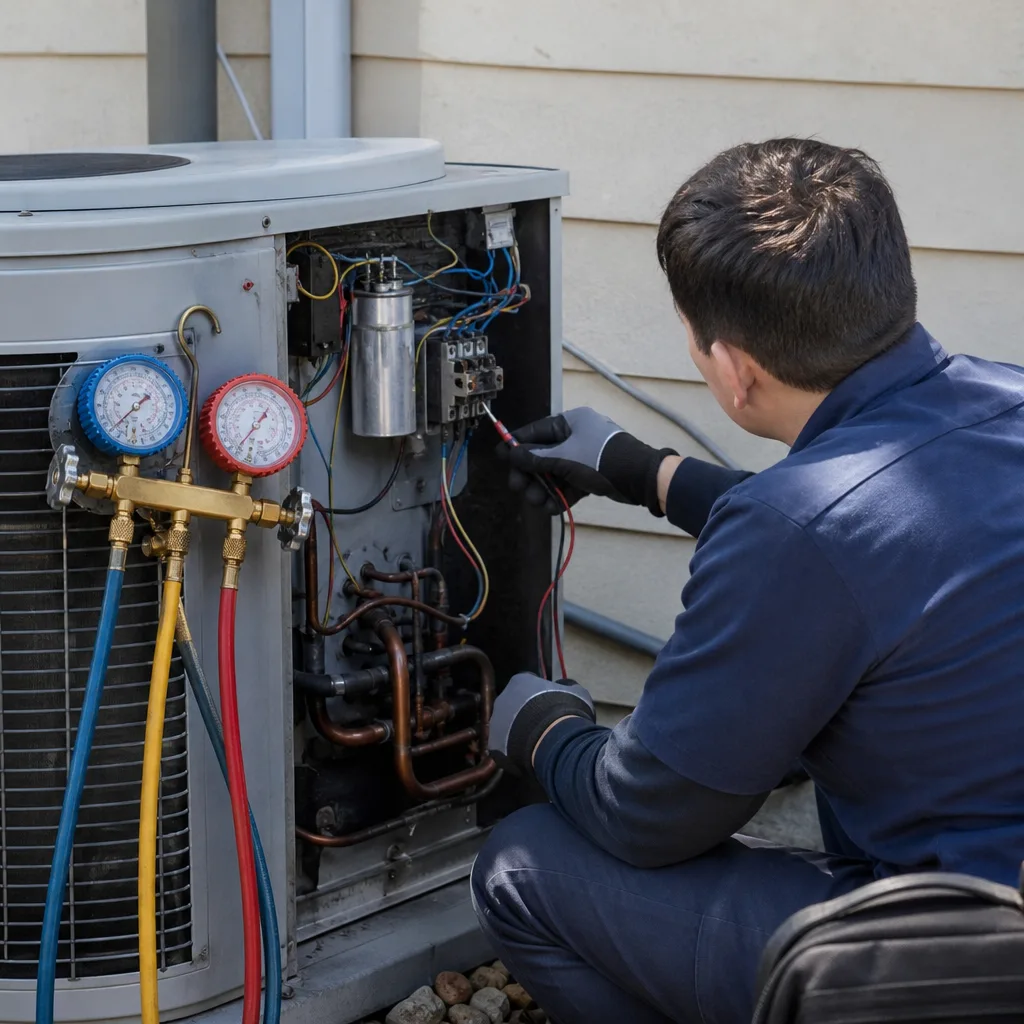 After
After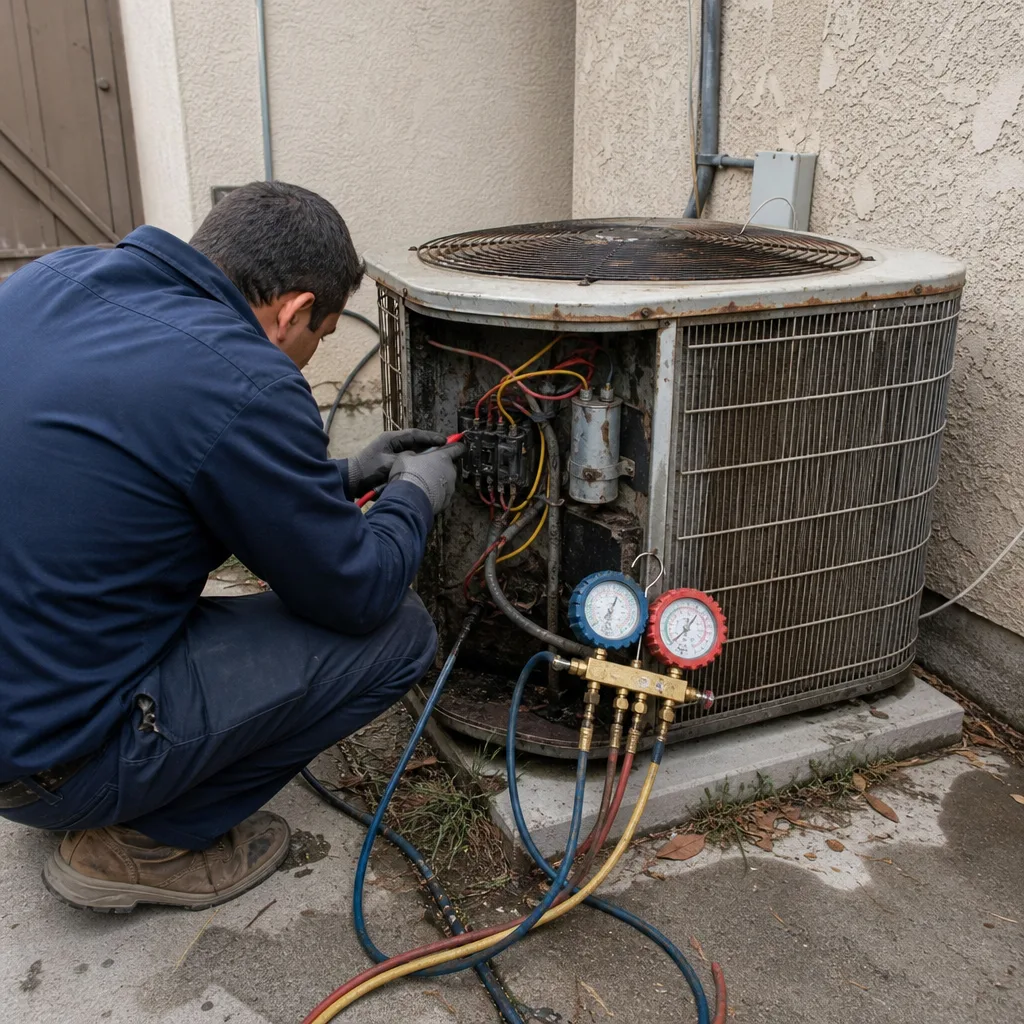 Before
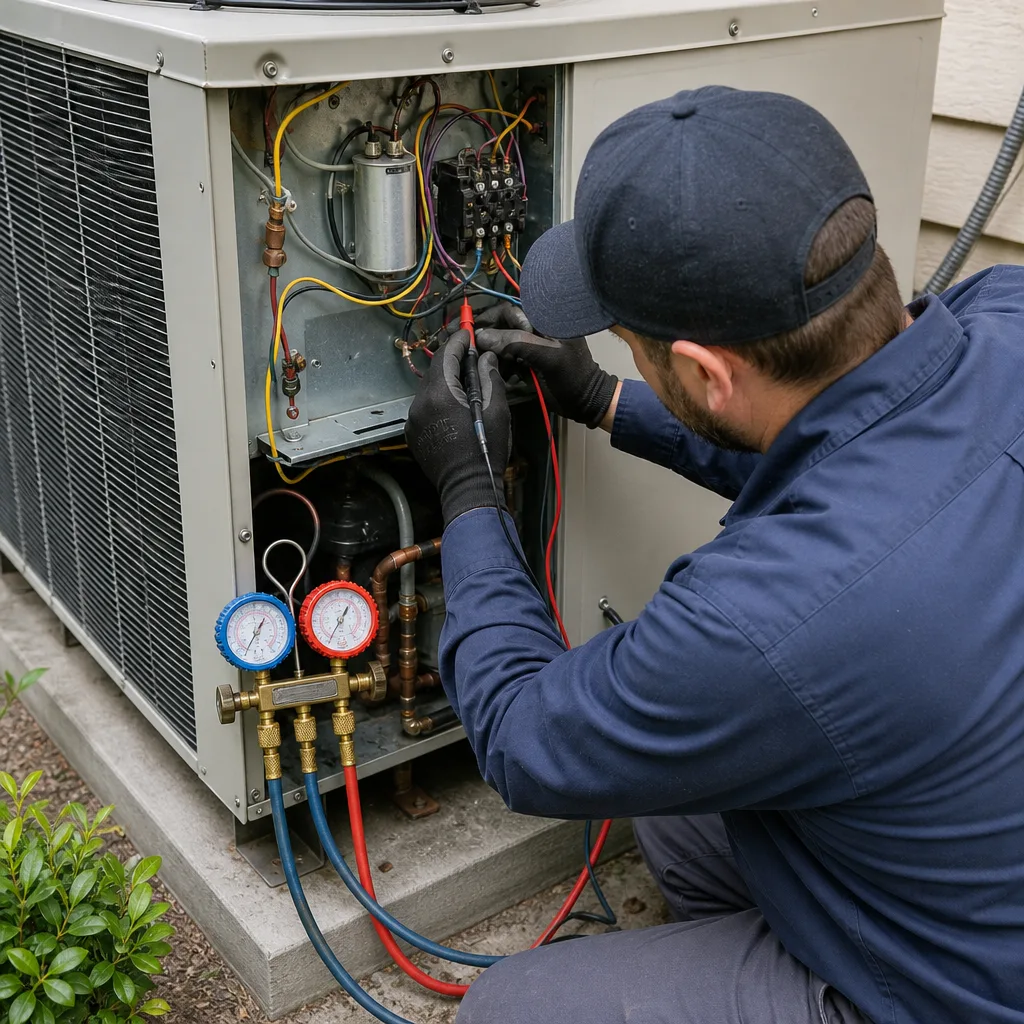 After
After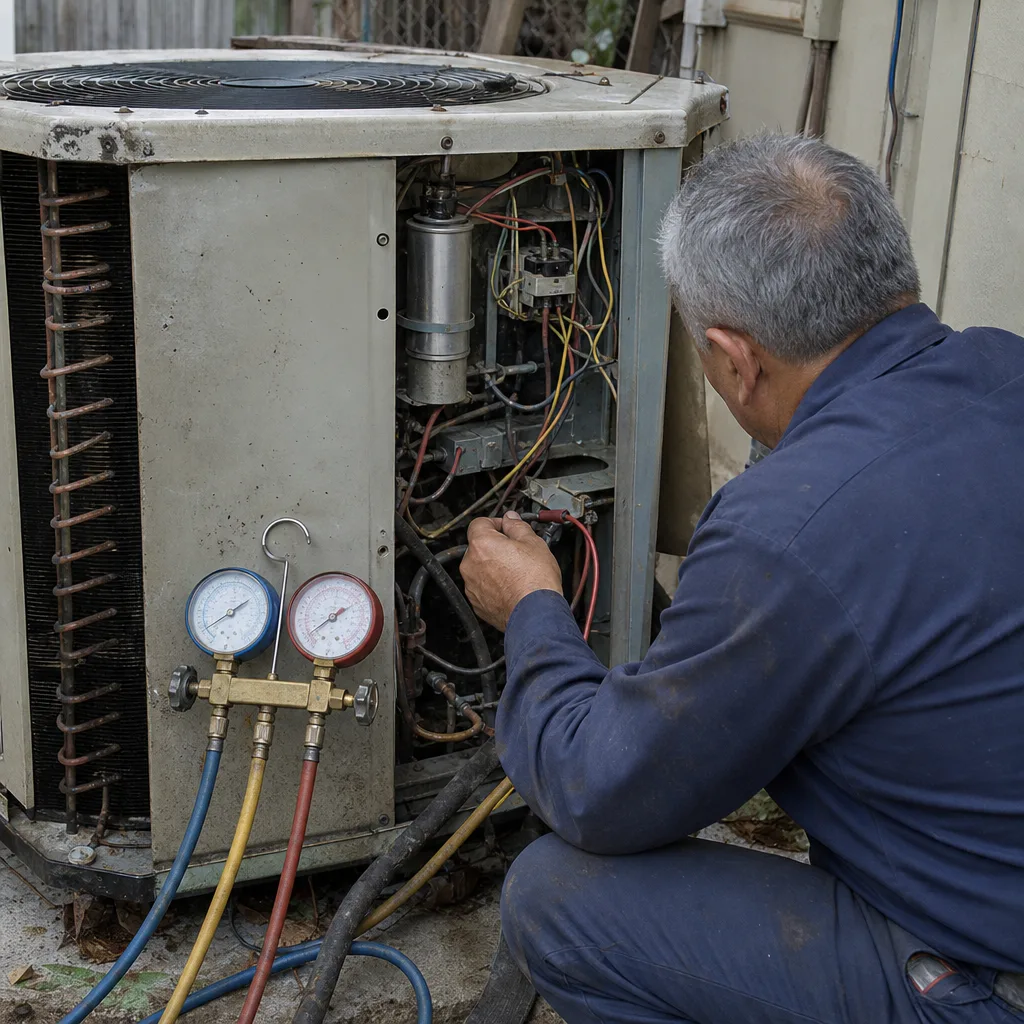 Before
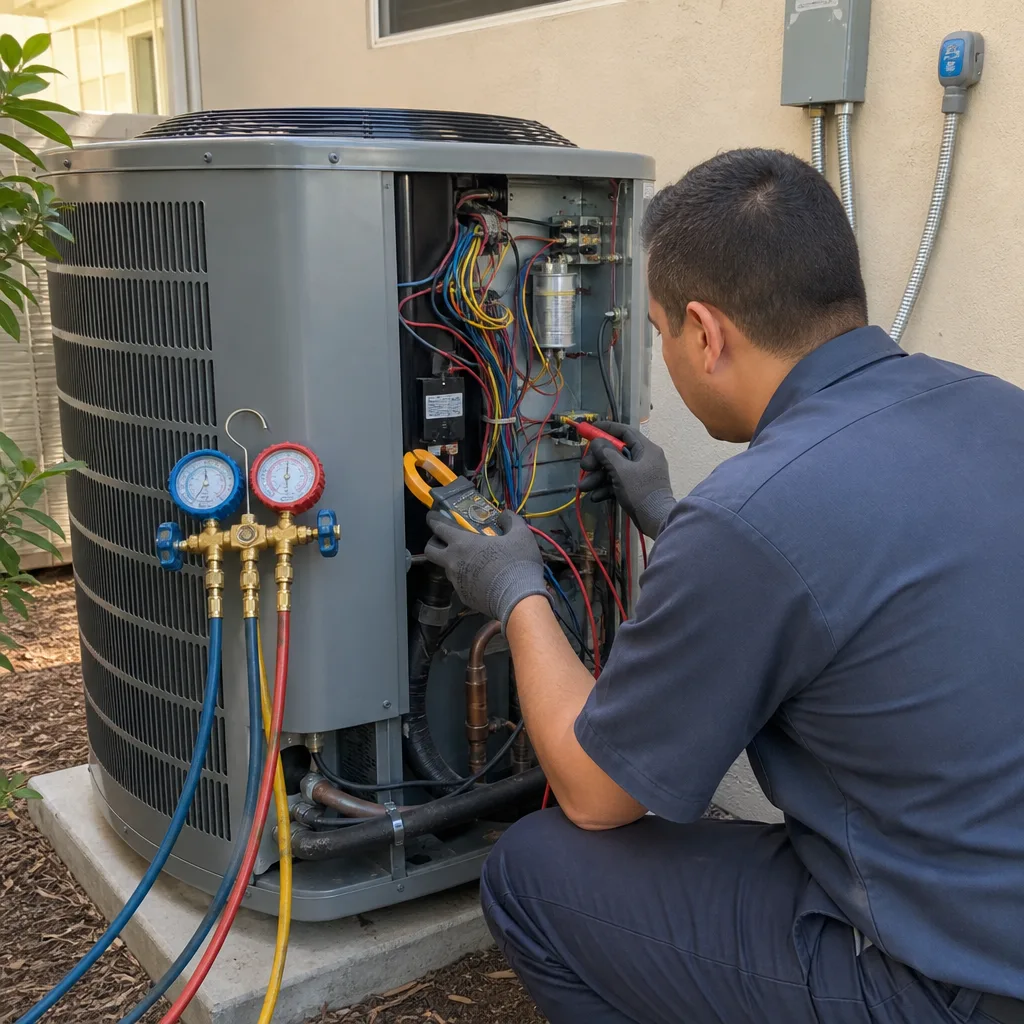 After
AfterReplacement Cost & What’s Included
For a York capacitor replacement in San Jose, most bills land between $180 and $340 for the full job, parts and labor included. On the low end, that’s a standard 35/5 or 40/5 µF dual-run capacitor in an easily accessible condenser, swapped in about 30 minutes. On the higher end, it’s a less common spec, a unit with a hard-start kit that also needs attention, or a capacitor mounted behind a rust-frozen panel that takes extra time to open without damaging. Either way, the price is on paper before the work starts, and that’s the price you’re paying when the job is done. No door math, no added-on surprise fees.
Here’s what the written price covers: the capacitor itself, the service call to your home anywhere in San Jose, removal of the old part, installation of the new one, testing the system through a full start cycle, and our 365-Day Done Right Promise. If that capacitor fails within a year, we come back and replace it at no charge. That guarantee is written down before we leave your driveway. We don’t do verbal promises that evaporate six months later.
DIY or Call Us?
Here’s the honest version: a capacitor is one of the more tempting DIY parts because it looks like a simple can with a few wires, and YouTube makes it look like a ten-minute job. The part that YouTube doesn’t always tell you is that a capacitor stores an electrical charge even after power is cut. A charged capacitor can hold enough voltage to stop your heart. It needs to be safely discharged with proper tools and checked with a meter before anyone touches those terminals. That’s not scar care tactics. It’s the reality of working on high-voltage condenser internals.
What you can safely do: check that the breaker feeding the condenser hasn’t tripped, check that the disconnect box by the outdoor unit is in the ON position, and listen for whether the unit hums or stays silent. Those details help us diagnose faster when you call. What we’d ask you to leave alone is the capacitor itself, the contactor, and anything inside the access panel. The right way to find out if it’s really the capacitor is to have a technician test it with a multimeter under load. If it is the capacitor, we have the correct York-spec part on the truck, and the whole job is done in under an hour at (669) 800-4179.
FAQs
Most York capacitors last 5 to 10 years, though in San Jose’s hot inland microclimates, heat exposure and voltage spikes from older neighborhoods with aging transformers can shorten that window. The load on the capacitor is highest when the system first starts, and San Jose’s many older homes with slightly undersized wiring can cause voltage dips that tax the capacitor every time the AC kicks on. If yours is past the seven-year mark and you’re noticing hard starts, it’s usually a matter of when, not if.
No. A failing capacitor cannot be repaired, reconditioned, or nursed along and any attempt to do so is unsafe. Capacitors are a wear item by design, and the only correct fix for a weak, bulging, or dead capacitor is replacement with a properly matched part. The good news is that on the scale of York AC repairs, this is one of the least expensive parts to replace, and it’s done the same day.
Most York capacitor replacements at homes across San Jose take 30 to 60 minutes from the time we’re at the unit. That includes opening the panel, discharging the old capacitor, removing it, installing and wiring the new one, buttoning everything back up, and running the system through a full start cycle to confirm the compressor and fan are drawing proper current. You’re back to cool air before lunch.
Yes. We carry the most common York-compatible capacitor specs on our trucks when we’re running calls across San Jose, including the standard dual-run ratings you’ll find in Affinity, LX, and Latitude series condensers, and we also stock replacement parts for Carrier, Trane, and Lennox systems. If by some chance your York calls for an uncommon spec and we don’t have it on the shelf, we’ll have it in hand and be back to finish the job the same week. Call (669) 800-4179 and we’ll confirm exactly what your unit needs before we roll out.
Written by Victor Mancini, Owner, Cold Harbour Heating and Air San Jose, serving San Jose and nearby areas.