
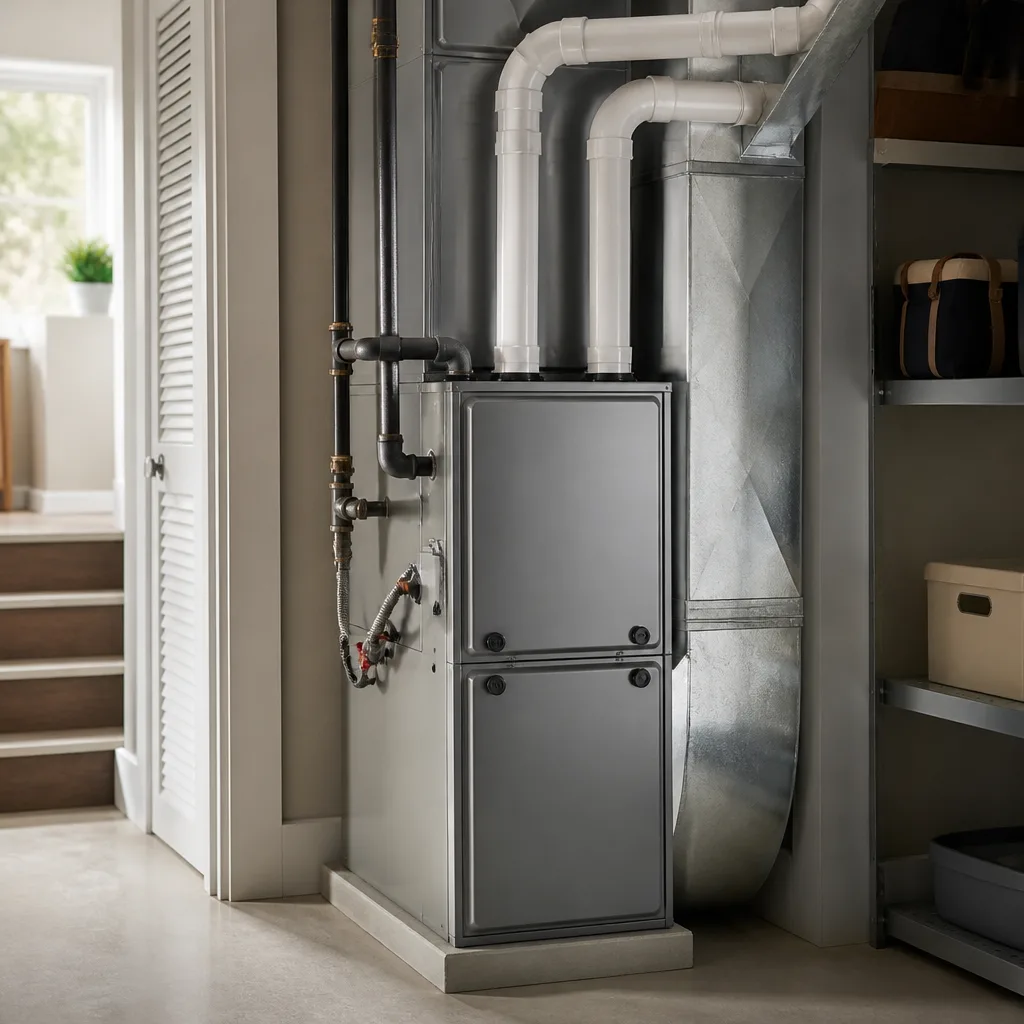
 Furnace & heating
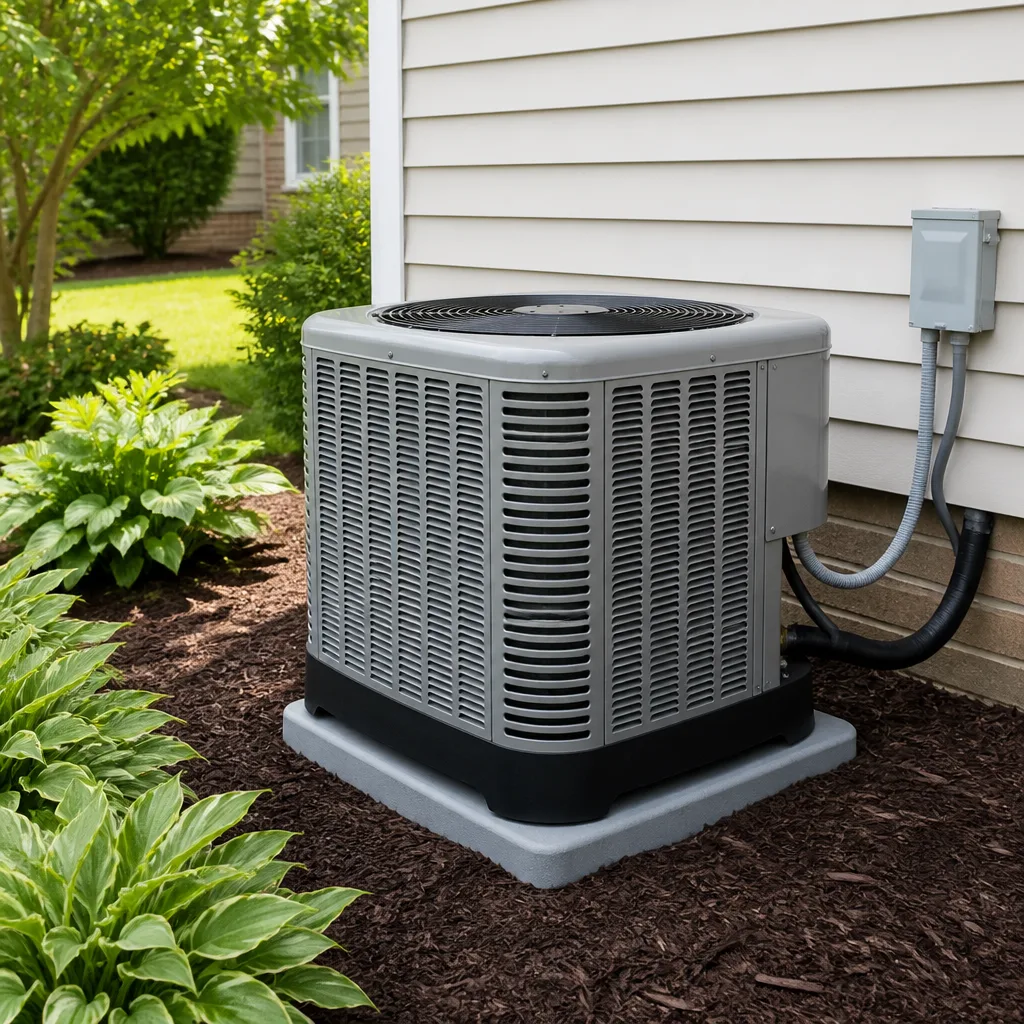 AC repair
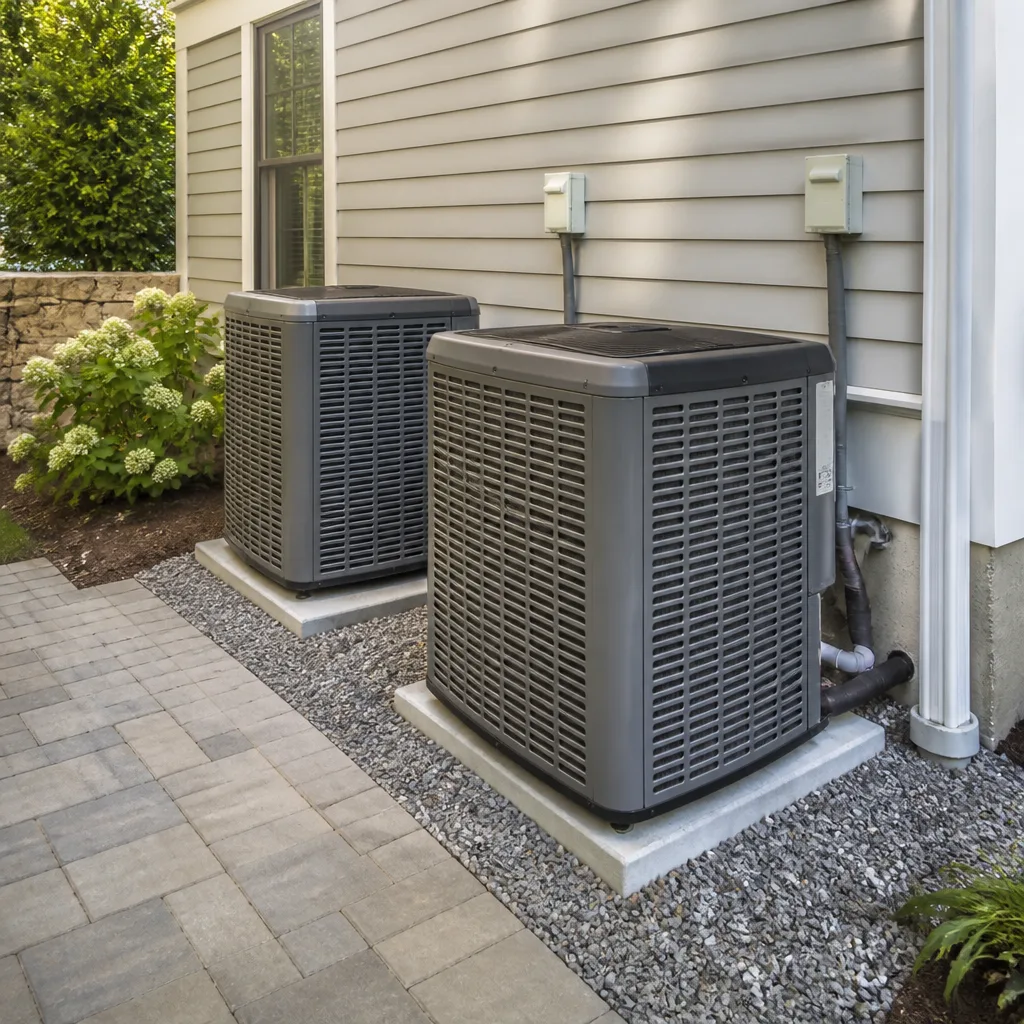 Heat pumps
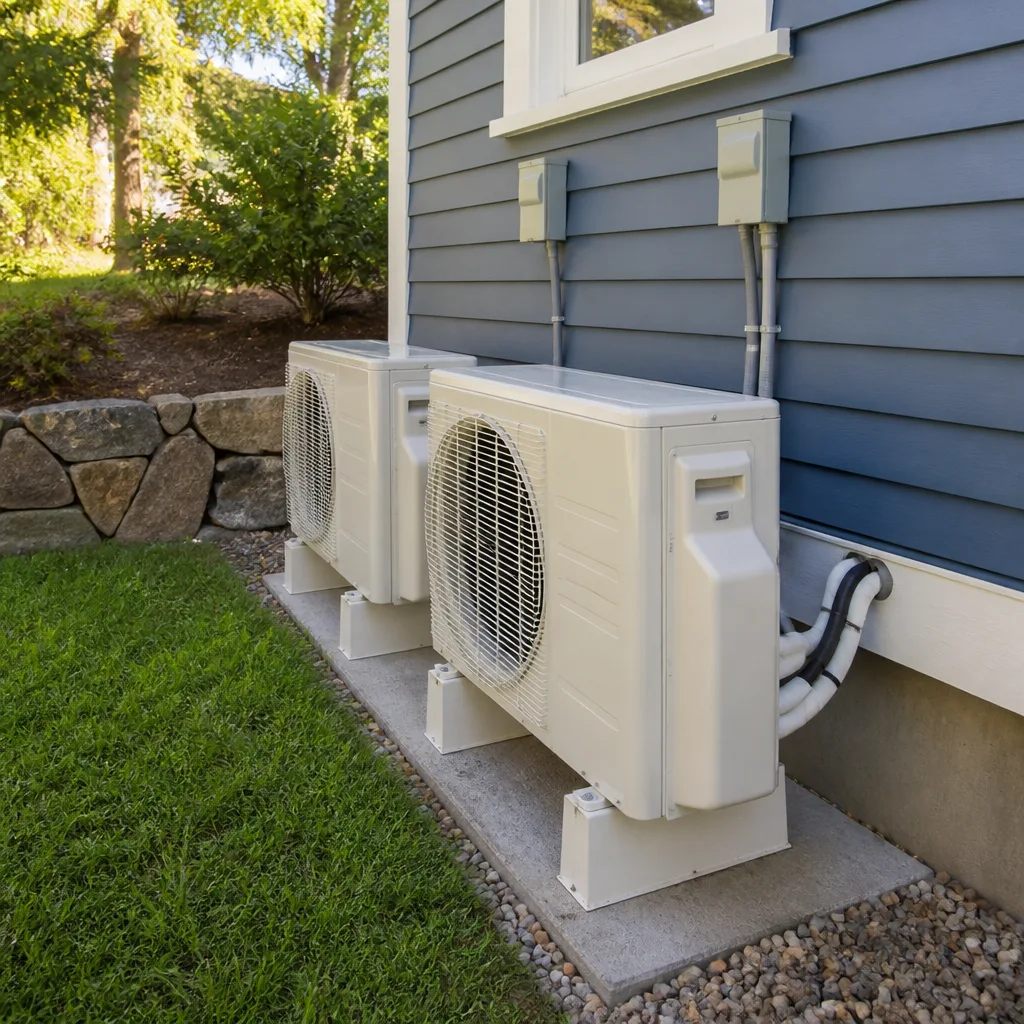 Ductless mini splits
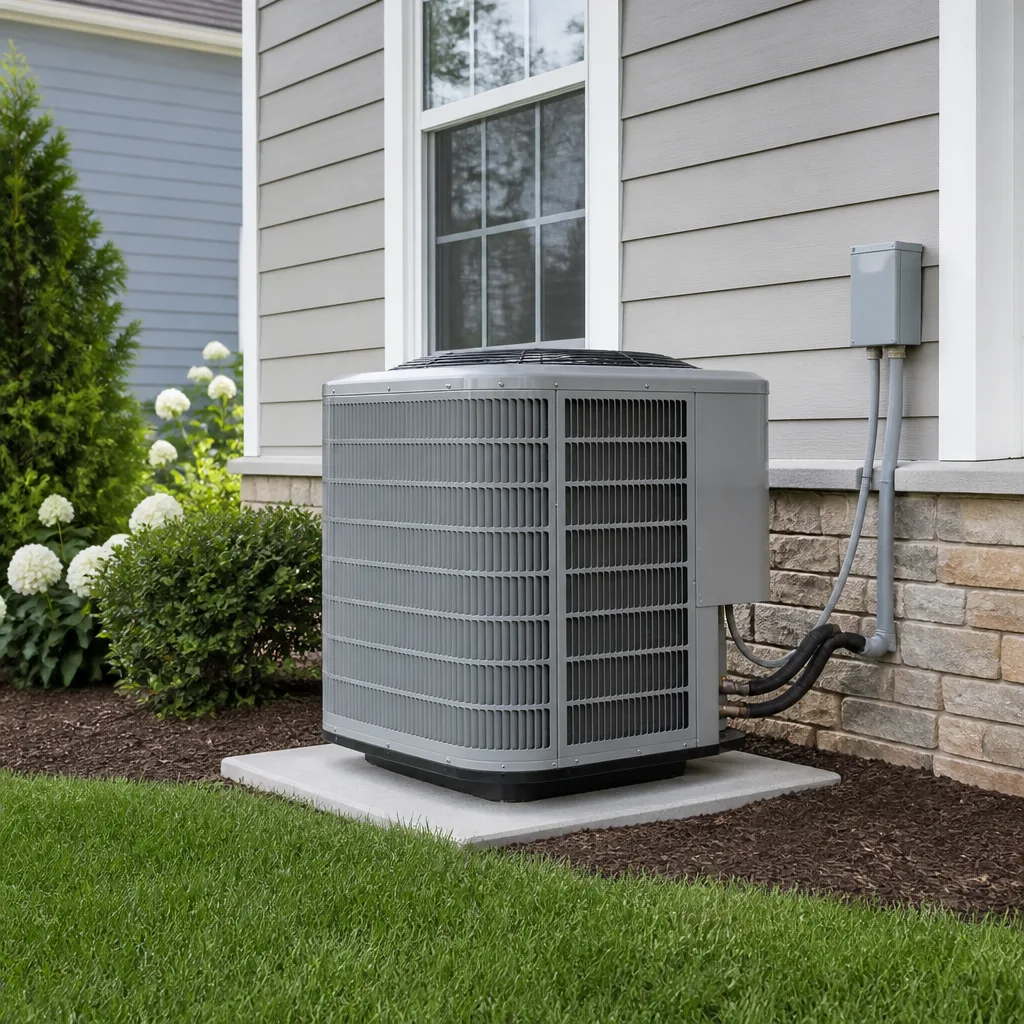 Carrier
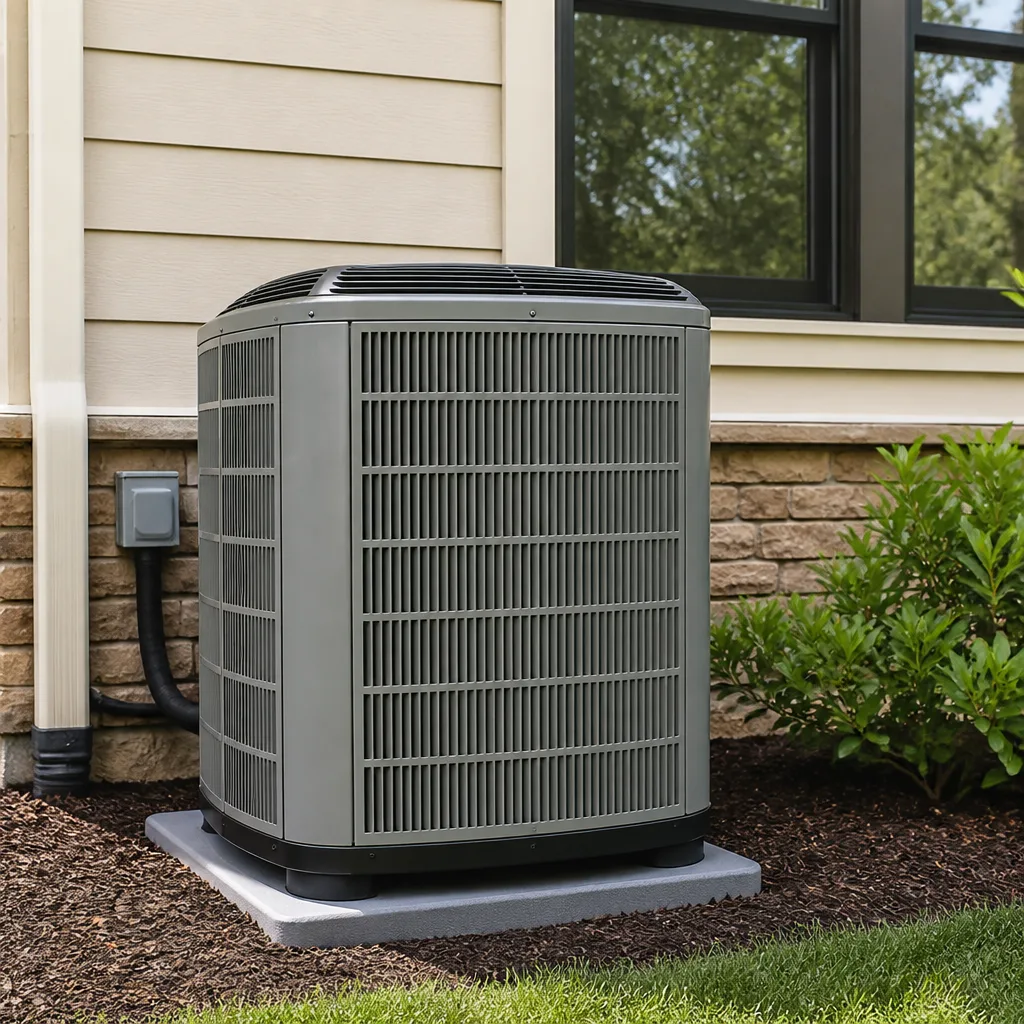 Trane
Trane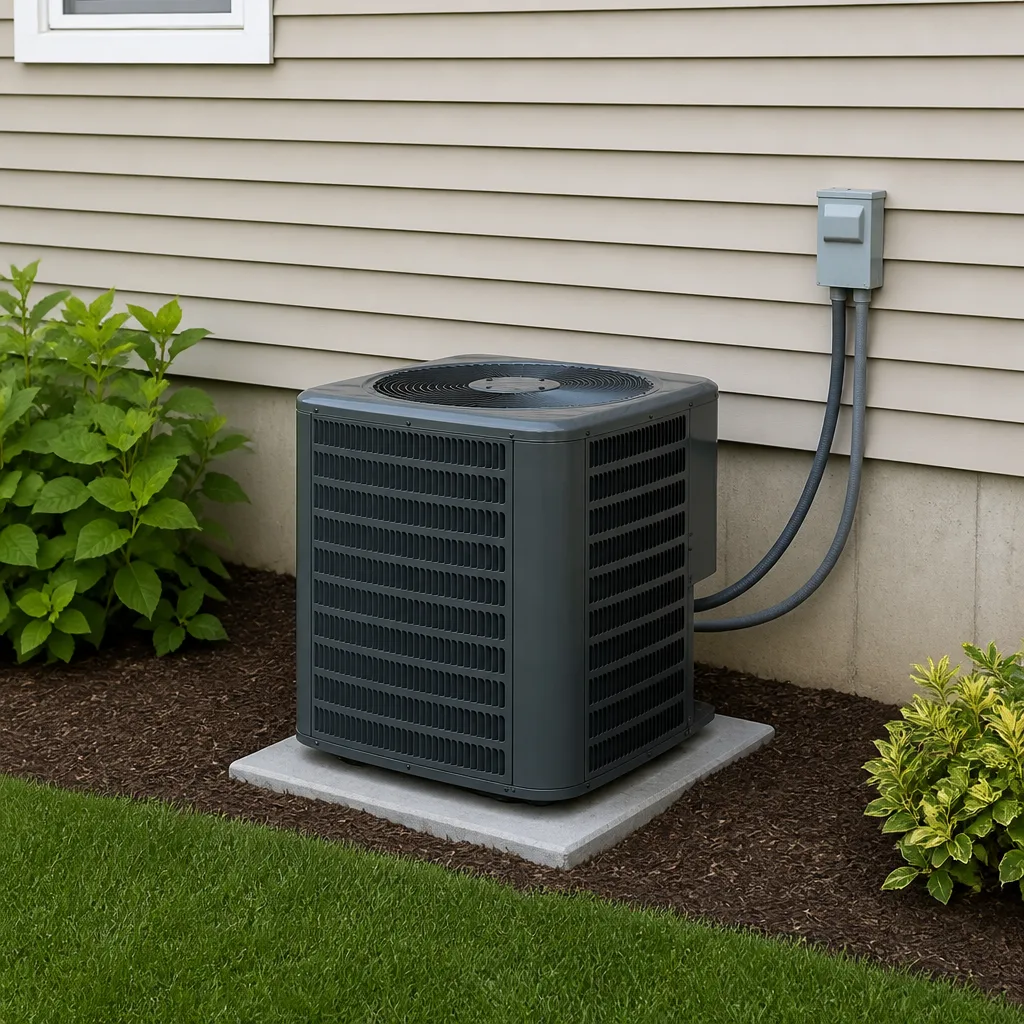 Goodman
Seasonal tune-up and full diagnostic on your Carrier, Trane, or Goodman system - readings shown to you before any repair is proposed
Diagnosis first, numbers second - you approve the repair price before a single part goes in.
Get your free estimateStyles & brands we work with
See the difference
 Before
 After
After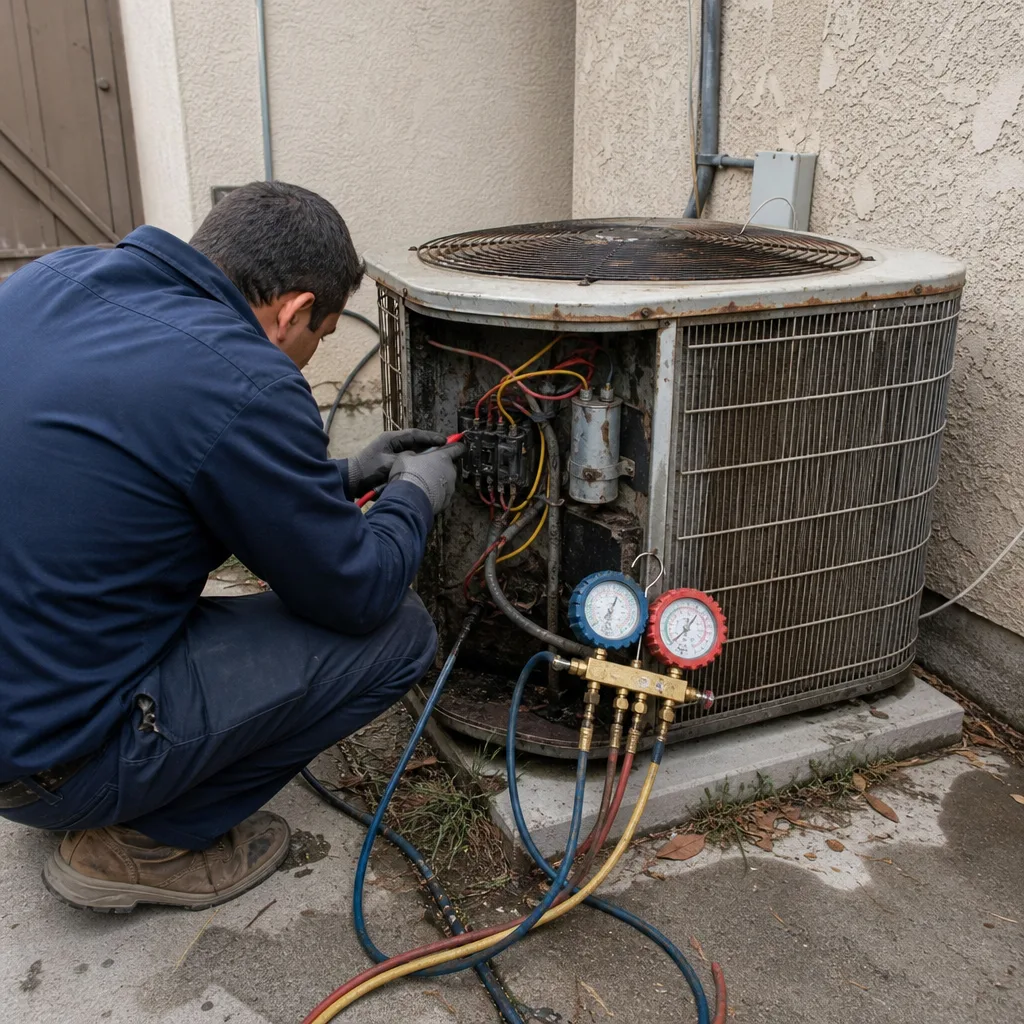 Before
 After
After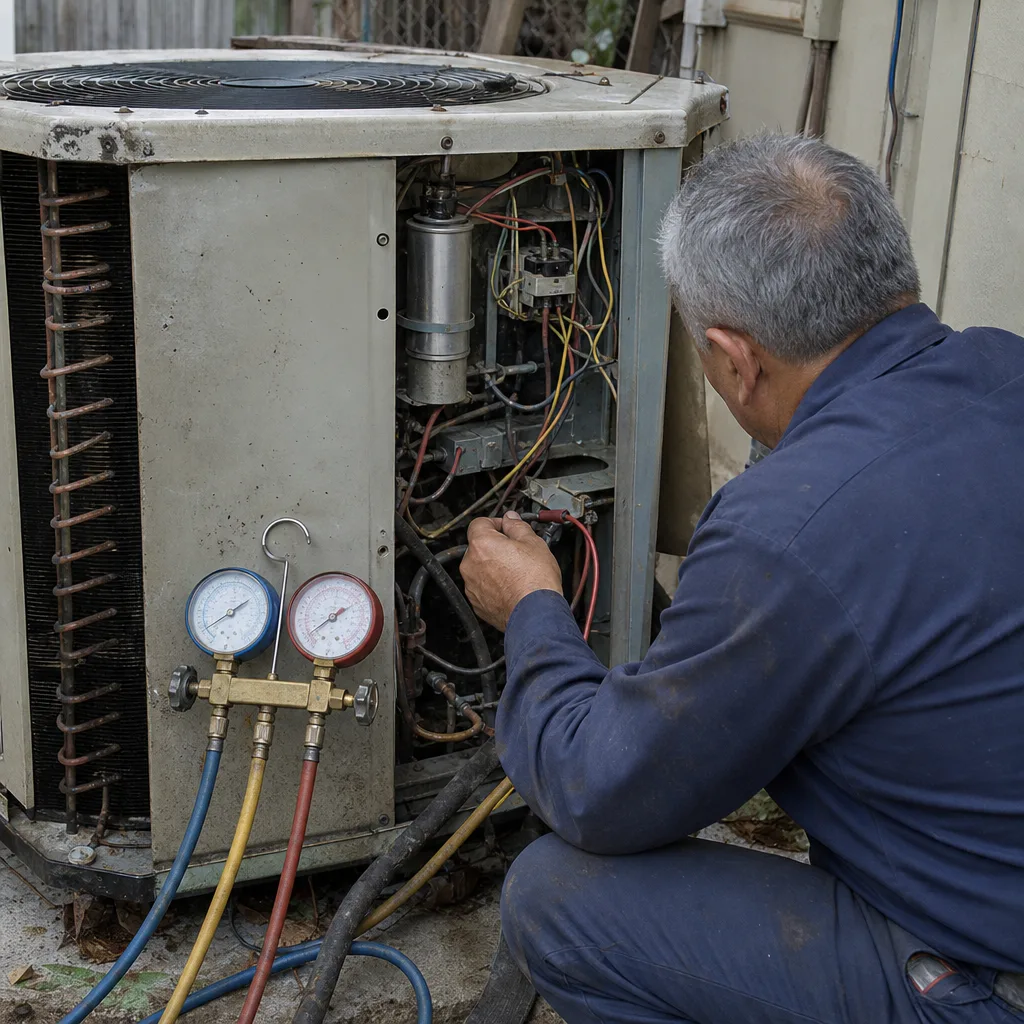 Before
 After
AfterRefrigerant Recharge in San Jose, CA
A refrigerant recharge in San Jose typically costs between $180 and $450 depending on how much refrigerant your system has lost and whether the leak needs to be located and sealed first. The job means recovering any remaining refrigerant, checking for leaks, and refilling the system to the manufacturer’s exact specification. At Cold Harbour Heating and Air San Jose, we do this work with a written price handed to you before anything starts, and the repair is covered by our 365-Day Done Right Promise.
Refrigerant is the cooling fluid that circulates through your AC system, absorbing heat from inside your home and releasing it outdoors. When the level drops below what the manufacturer specifies, your system can’t pull heat out of the air efficiently. In San Jose’s summer stretches of 90-plus degree days through neighborhoods like Willow Glen, Almaden Valley, and Berryessa, a low charge means longer run times, higher bills, and a house that never quite cools down. If your system is blowing warm air or the outdoor unit is running constantly, you may need AC repair installation service like a recharge. Call us at (669) 800-4179 and a live person will answer, any hour, any day.
This work falls under our broader AC Repair & Installation in San Jose service. A recharge is often the first step in diagnosing a larger cooling problem, and our technicians are trained to service Carrier, Trane, Lennox, Goodman, Rheem, York, Daikin, Bryant, and American Standard systems. If your equipment is one of those brands, the person who shows up will already know its charging specifications and quirks.
When You Need Refrigerant Recharge
Low refrigerant almost never happens on its own. A properly sealed AC system doesn’t consume refrigerant the way a car uses oil. If the charge is low, there’s a leak somewhere, and a good technician won’t just top you off and drive away without checking. Here are the signs that point to a recharge:
- Warm or weak airflow from the vents. The fan runs, but the air coming out isn’t cold. In San Jose homes with older ductwork, this often gets blamed on the blower when the real issue is low refrigerant.
- The outdoor unit runs constantly. Even in the evening when temperatures drop into the 60s, the condenser won’t cycle off because the system is struggling to hit the thermostat set point.
- Ice or frost on the copper refrigerant lines. You’ll see it on the larger insulated line running from the indoor coil to the outdoor condenser. This happens when the evaporator coil gets too cold due to low pressure.
- Hissing or bubbling sounds near the indoor unit. That’s the sound of refrigerant escaping through a pinhole leak in the coil or the line set.
- Electric bills climbing without explanation. PG&E rates in San Jose have been rising steadily, and an undercharged system runs longer to do less cooling, compounding the cost.
- The system is older than 12 years and has never had its charge checked. Slow leaks develop over time. Depending on the brand (Rheem and Goodman units from the early 2000s are common in San Jose), the valve cores and Schrader caps degrade and let refrigerant escape at a crawl.
If any of these match what you’re seeing, don’t wait. Running a system low on refrigerant forces the compressor to work harder and hotter. Compressor replacement is a $1,200 to $2,500 job on most San Jose homes. A recharge and leak check is a fraction of that.
Our Refrigerant Recharge Process
Here’s exactly how we handle a refrigerant recharge and AC Installation at Cold Harbour Heating and Air San Jose, step by step. This is the same process every time, whether the system is a Trane in Rose Garden or a Lennox in Evergreen.
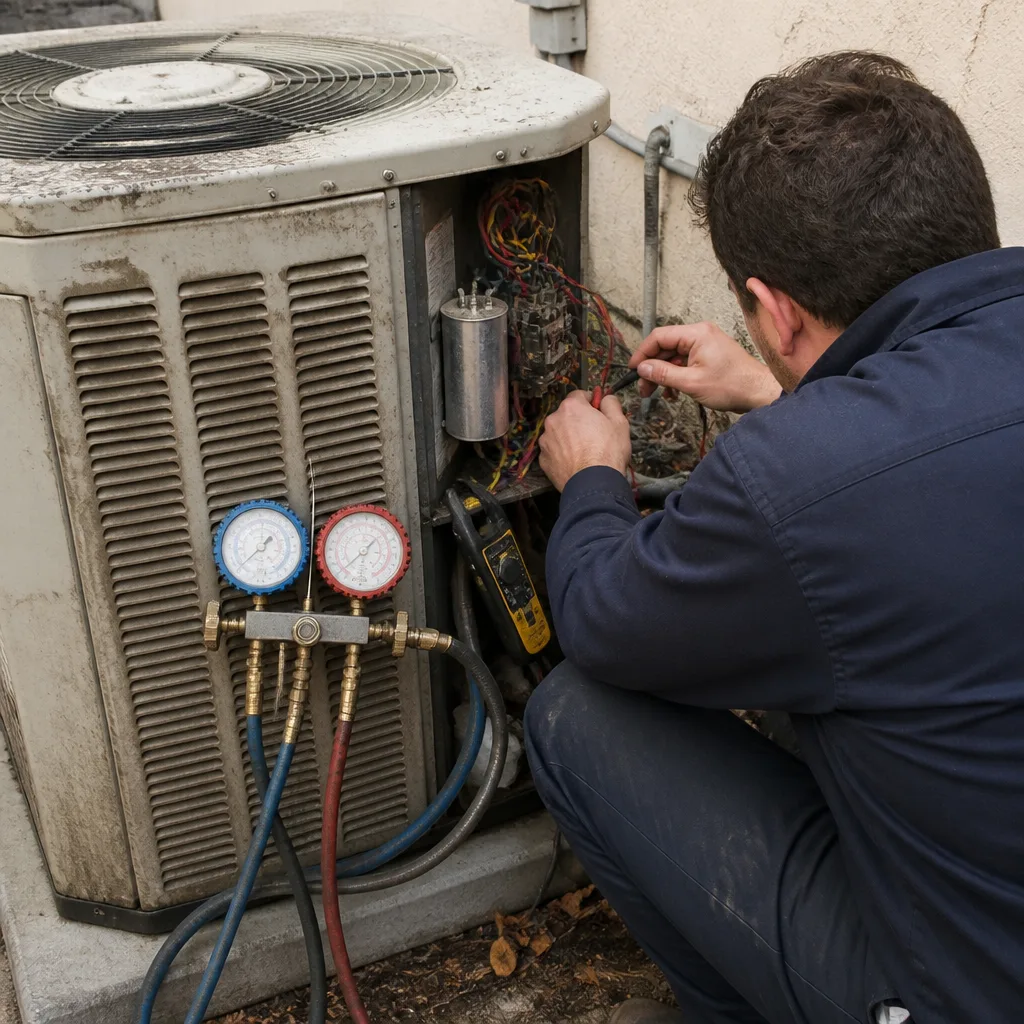
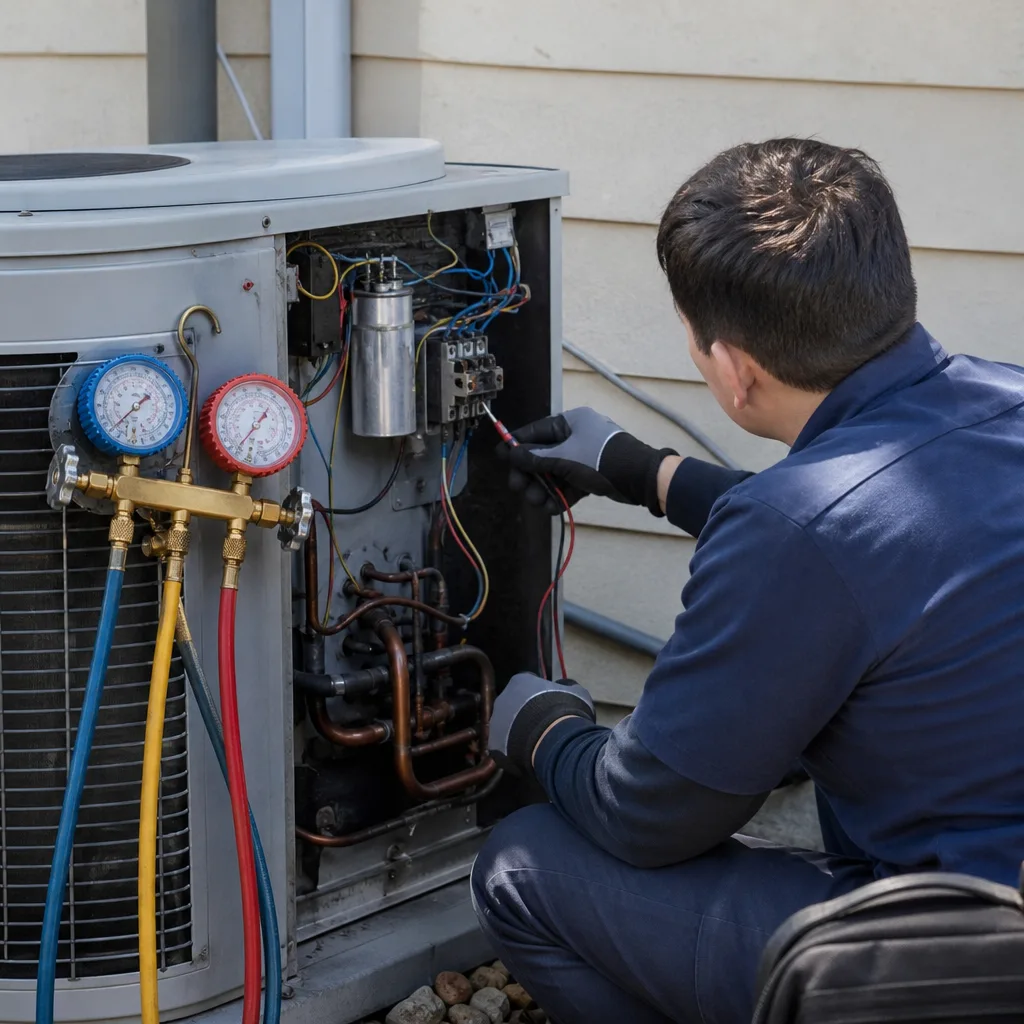
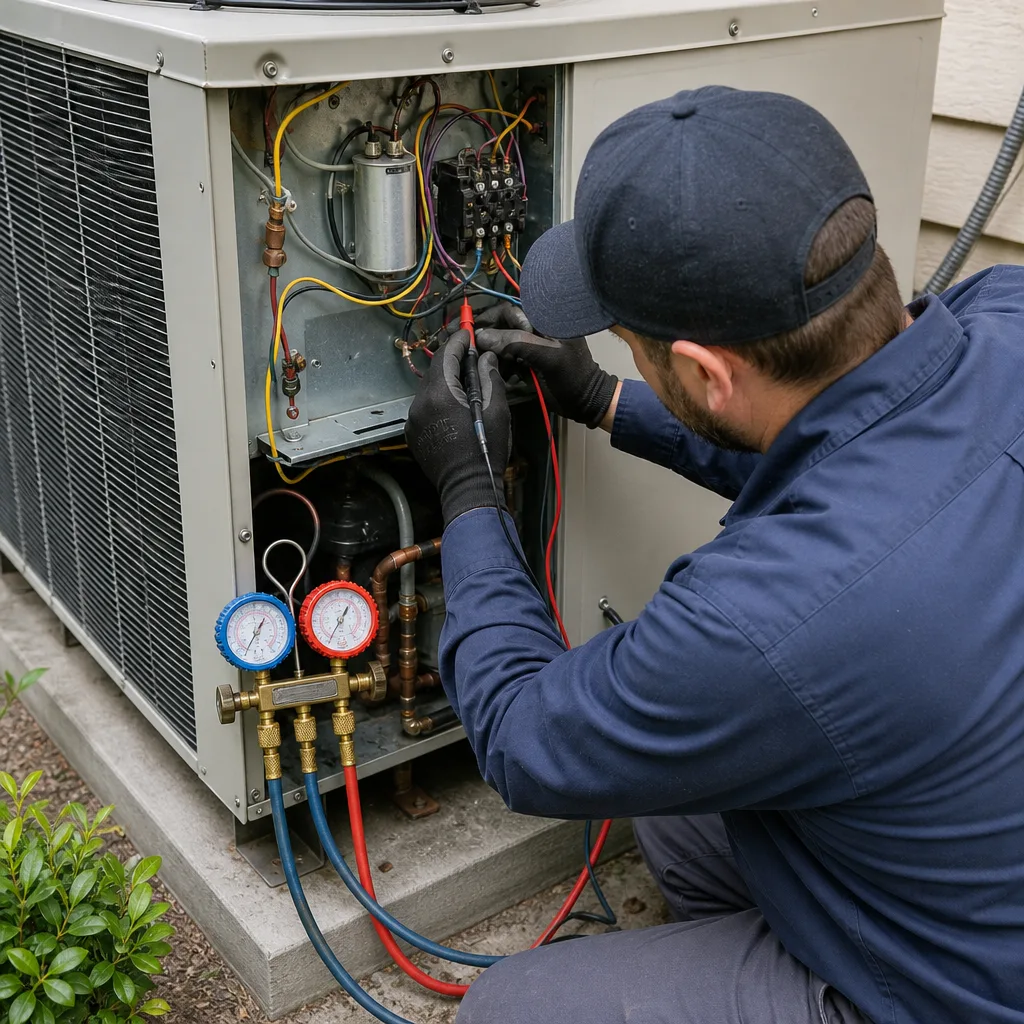
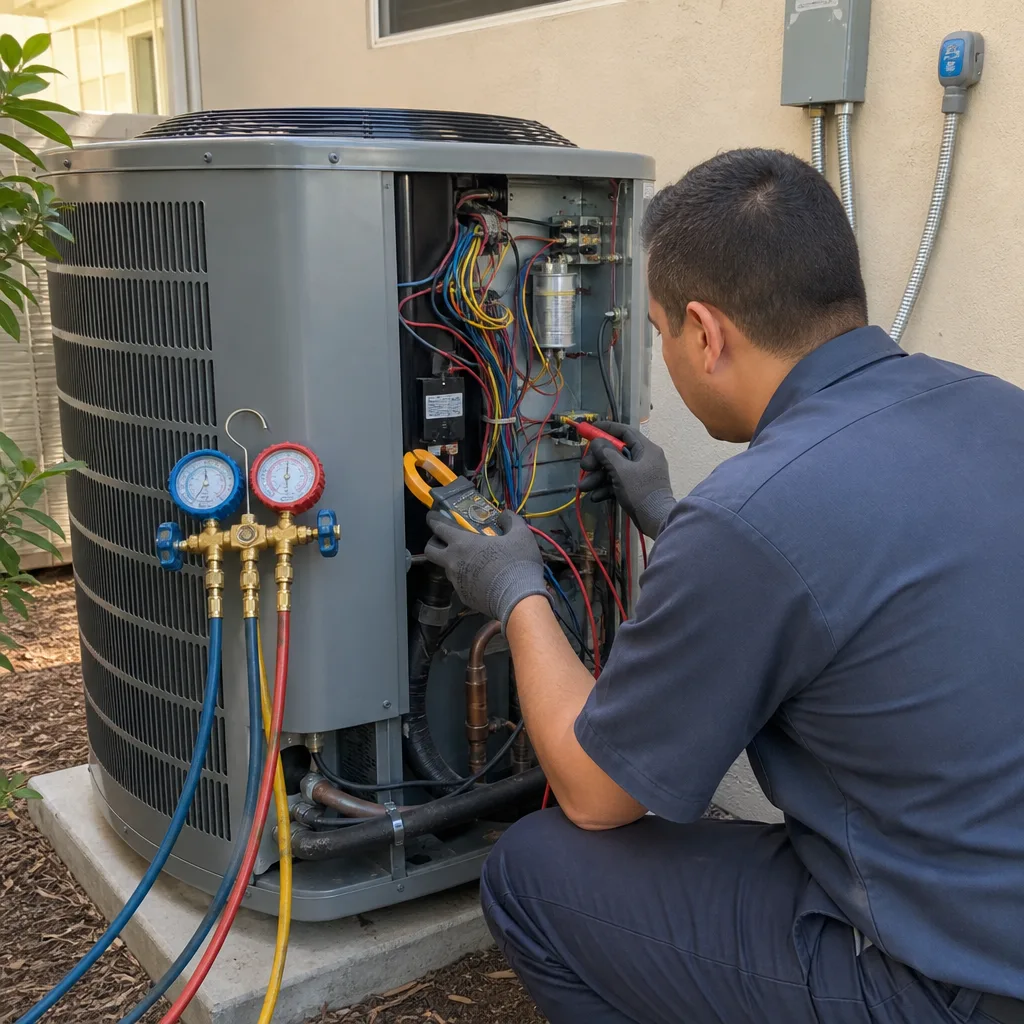
- We measure the current refrigerant level. The technician connects manifold gauges to the service ports and compares the pressure readings against the manufacturer’s charging chart for your specific condenser and indoor coil combination.
- We check for leaks before adding anything. If the system is significantly low, we run a nitrogen pressure test or use an electronic leak detector on the coil, line set, and service valves. Topping off a leaking system without finding the source is throwing money away.
- We explain the findings and hand you a written price. Before a single tool comes out for the repair, you get the cost on paper. That price covers the leak repair (if one is found and is repairable on site), the evacuation, and the recharge. It does not change at the door.
- We evacuate the system. Any remaining refrigerant is recovered with a certified recovery machine. Then we pull a deep vacuum to remove moisture and air. This step is critical: moisture in the lines reacts with refrigerant and forms acid that eats at the compressor from the inside.
- We recharge to the manufacturer’s exact spec. Using a digital scale, we weigh in the precise amount of refrigerant your condenser’s data plate calls for. Not “close enough.” Exact. For R-410A systems, which most San Jose homes built after 2010 have, that tolerance matters for both efficiency and compressor life.
- We test the temperature drop and write your guarantee. After the recharge, we measure the air temperature going into the return and coming out of the supply. A healthy system drops the air 15 to 20 degrees. Then we hand you the written 365-Day Done Right Promise: if this repair fails within a year, we return and fix it at no charge.
This is the Kingswell Way in practice. Five written standards drive every visit: say the price before the work, show up in the window given, leave the place cleaner than found, put the guarantee in writing, and come back if it fails. Cold Harbour Heating and Air San Jose has operated this way since 2003 as part of the Kingswell network of independently owned and operated HVAC businesses.
Refrigerant Recharge Pricing in San Jose
Here’s what you can expect to pay in San Jose for refrigerant work, based on what we typically see across the city’s housing stock, from 1960s ranchers in Cambrian to newer builds in Silver Creek and North Valley.
| Service | Typical Range (Parts & Labor) |
|---|---|
| Refrigerant recharge only (no leak found, minor top-off) | $180 – $280 |
| Leak search with electronic detector | $90 – $160 |
| Minor leak repair (schrader valve, cap, fitting) + recharge | $250 – $400 |
| Evaporator coil replacement + recharge | $1,400 – $2,400 |
| Full system recharge (empty system, includes evacuation & handling) | $350 – $600 |
Three things move the price. First, the type of refrigerant. R-22 (Freon) is no longer manufactured in the US, so if your system was installed before 2010, the remaining supply is expensive and getting scarce. By 2025, R-22 prices in the Bay Area had climbed to $150 to $250 per pound, and a typical older system holds 6 to 12 pounds. R-410A, the current standard, is far less expensive but still adds up. Second, the leak location. A valve core takes ten minutes to replace. A leak inside the evaporator coil means replacement, and that’s a much bigger job. Third, the size of your system. A 2-ton unit in a San Jose condo takes less refrigerant than a 5-ton unit cooling a 3,200-square-foot house in Almaden.
What we don’t do is give a low number over the phone and change it at your door. The written price comes before the work starts. Every time. Estimates are free: call (669) 800-4179 and we’ll walk you through what we’re likely to find based on your system’s age, brand, and symptoms.
FAQs – Refrigerant Recharge
How much does a refrigerant recharge cost in San Jose?
A refrigerant recharge in San Jose typically costs between $180 and $450 for most residential systems, depending on the type of refrigerant, the amount needed, and whether a leak repair is included. R-22 systems cost more because the refrigerant has been phased out and supplies are limited. Call (669) 800-4179 for an exact quote for your system, with the price confirmed in writing before any work begins.
Is it better to recharge or replace my AC system?
If your system runs R-22 and has a significant leak, replacement is almost always the smarter long-term choice because R-22 prices continue to climb and parts for those systems are disappearing. For R-410A systems under 12 years old with a small, repairable leak, a recharge makes sense. We’ll give you both numbers and let you decide, no pressure either way.
How long does a refrigerant recharge take?
Most recharge jobs take between 1 and 3 hours from start to finish. A straight top-off is fast; a recharge that includes leak detection, repair, evacuation, and precision charging takes longer. When you book, we give you a firm arrival window, and we honor it.
Why is my AC low on refrigerant? Is that normal?
No, it’s not normal. A sealed AC system should retain its refrigerant charge for the life of the equipment. Low refrigerant always means there’s a leak, even if it’s slow. A technician who tops off the system without looking for the leak is setting you up to pay for the same recharge again next season. We do the leak check as part of the job, not as an optional add-on.
If you’re still unsure whether your system needs a recharge or AC Repair & Installation Near Me in San Jose, CA, call (669) 800-4179. A live person answers, 24 hours a day, 7 days a week. We’ll ask a few questions about what your AC is doing, give you an honest read on what it likely needs, and schedule a visit if you want one. No voicemail trees, no waiting until morning.
Written by Victor Mancini, Owner at Cold Harbour Heating and Air San Jose, serving San Jose.