
Last updated October 16, 2026
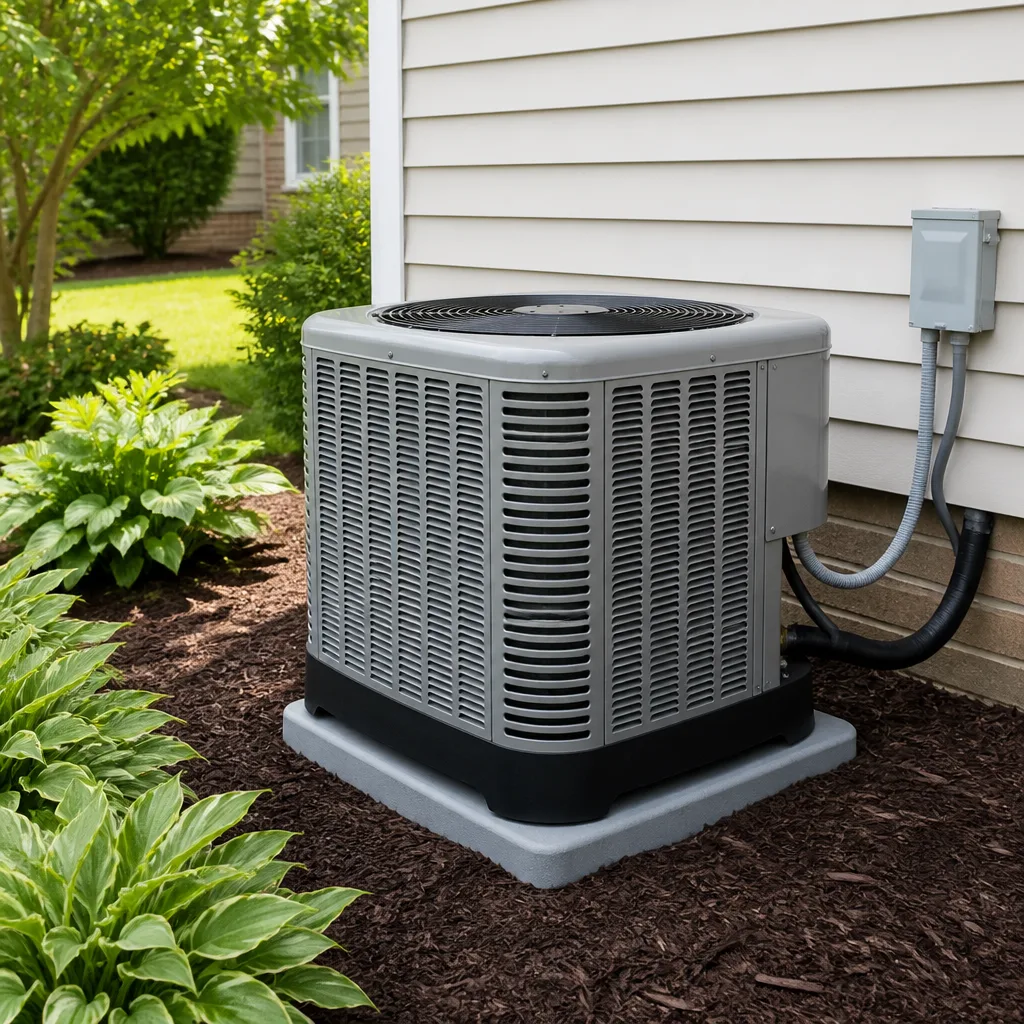 AC repair
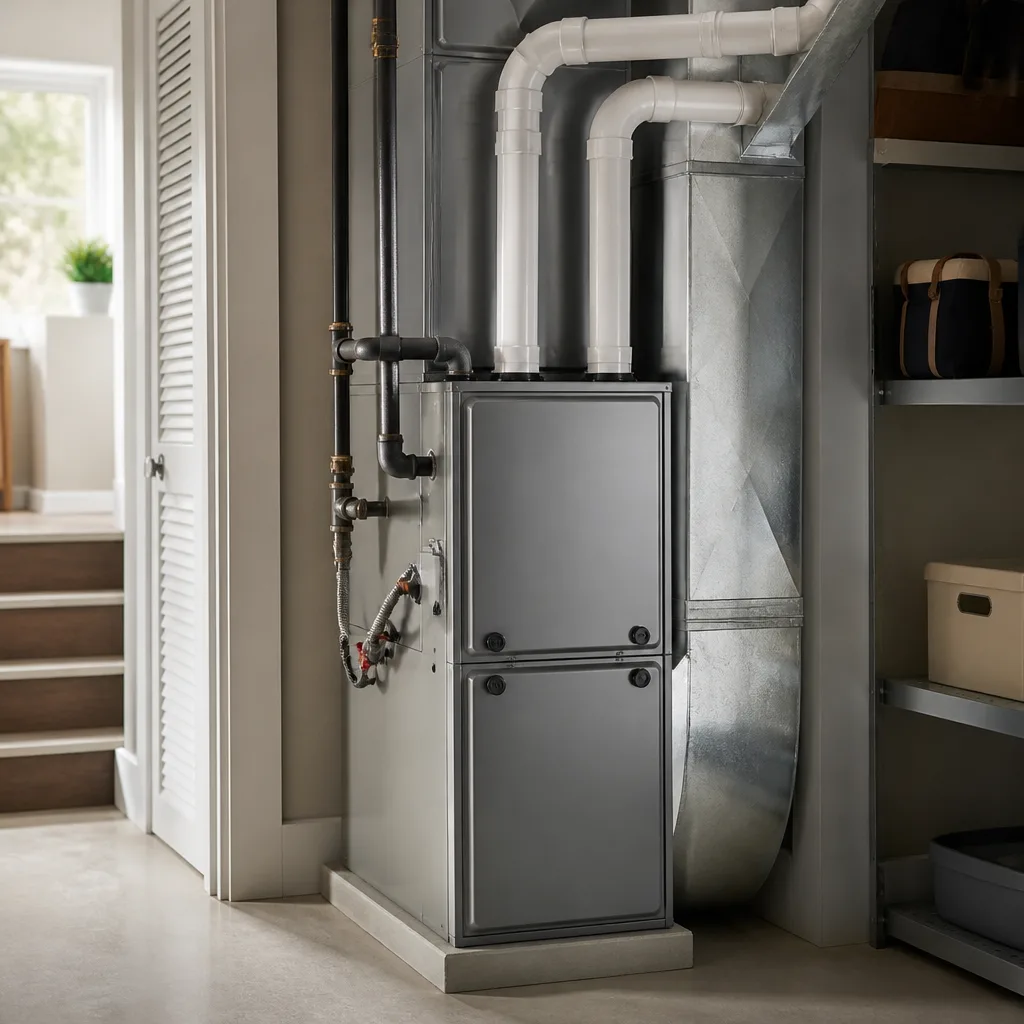 Furnace & heating
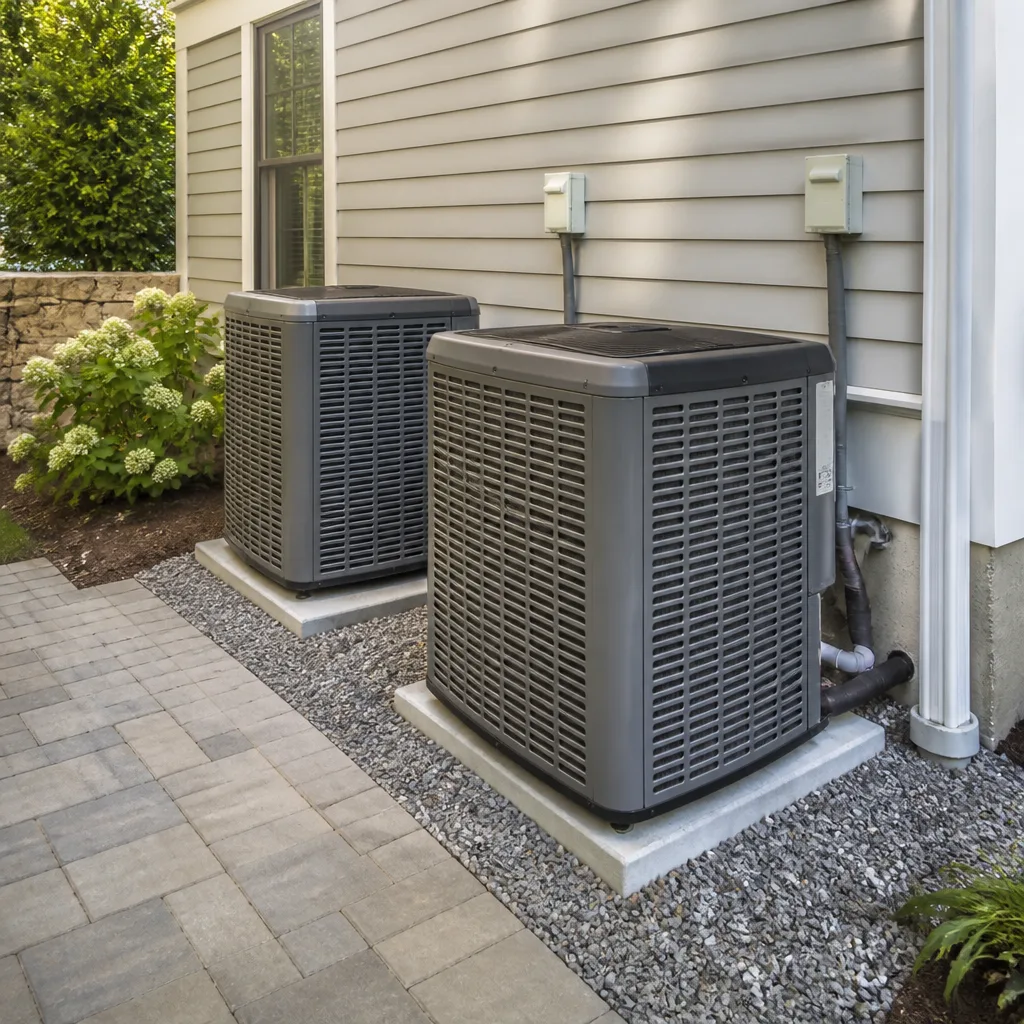 Heat pumps
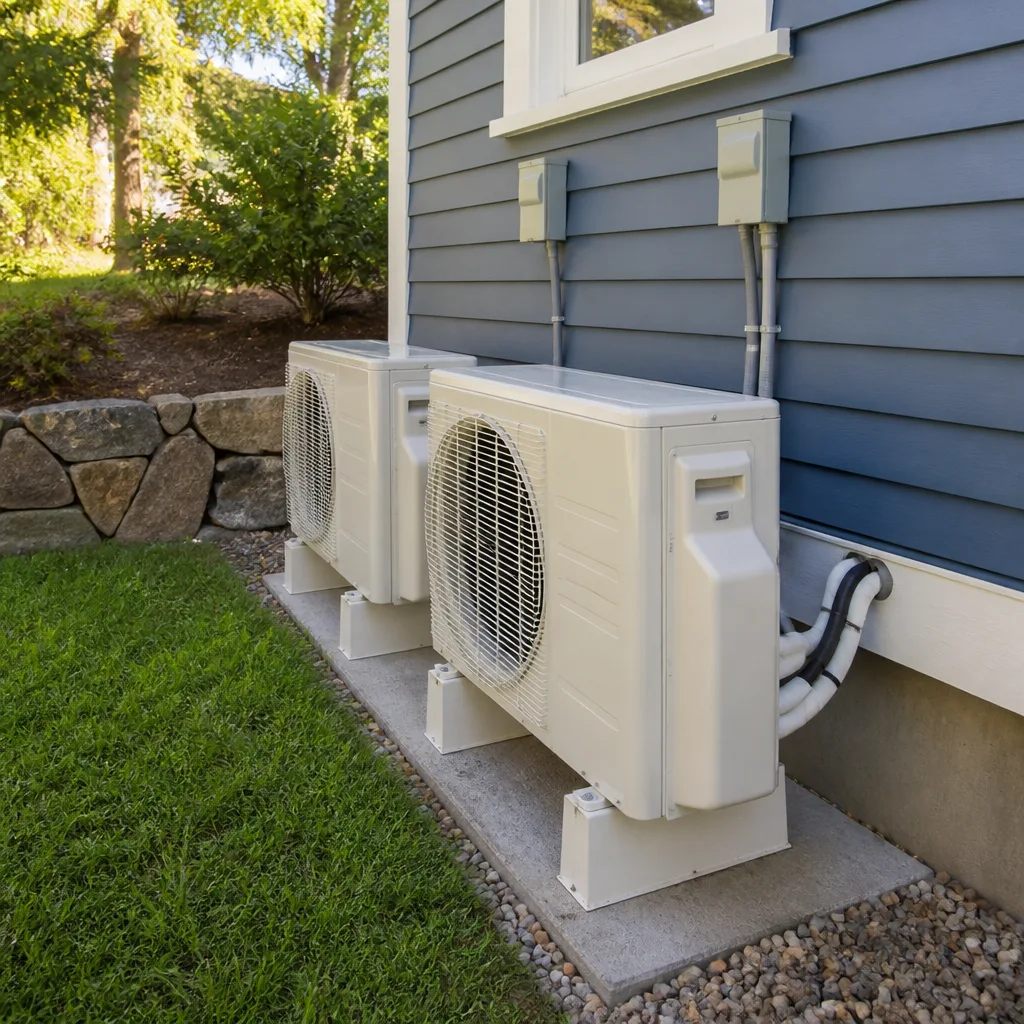 Ductless mini splits
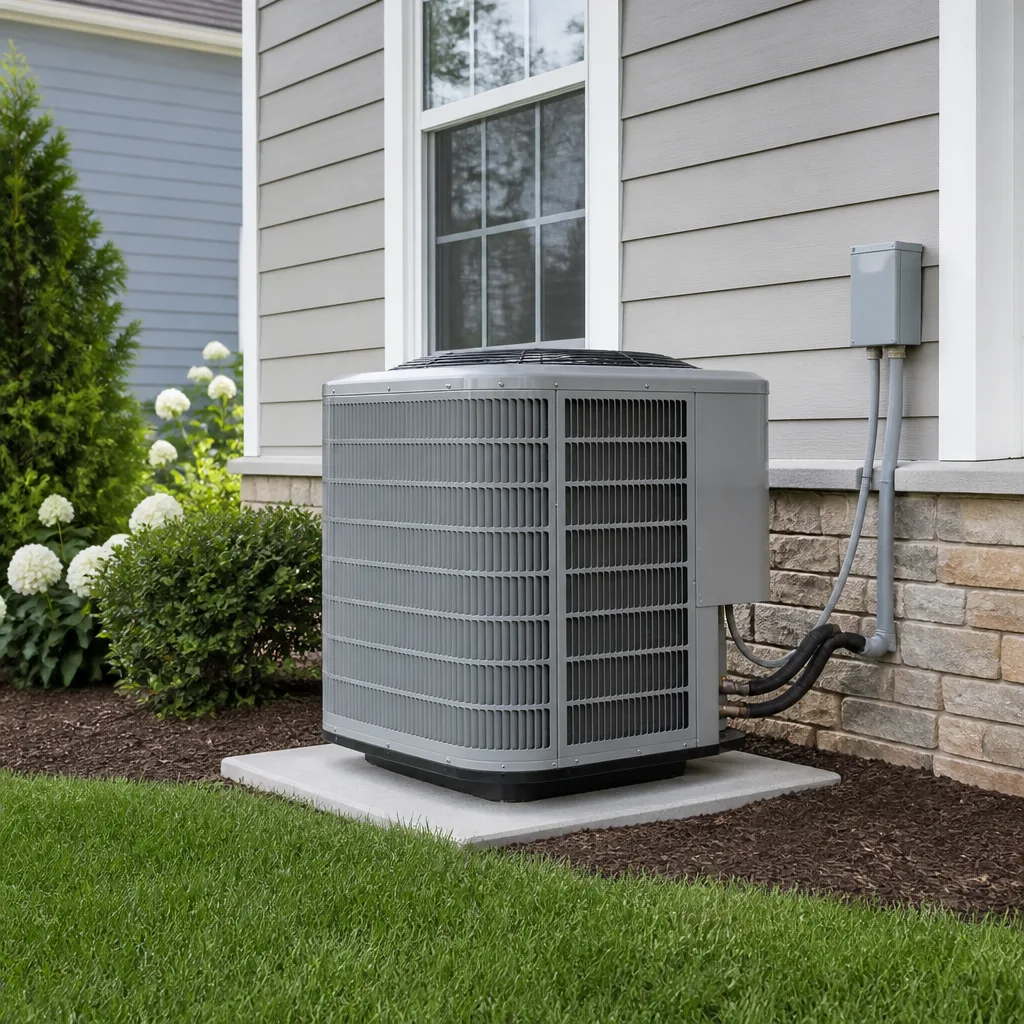 Carrier
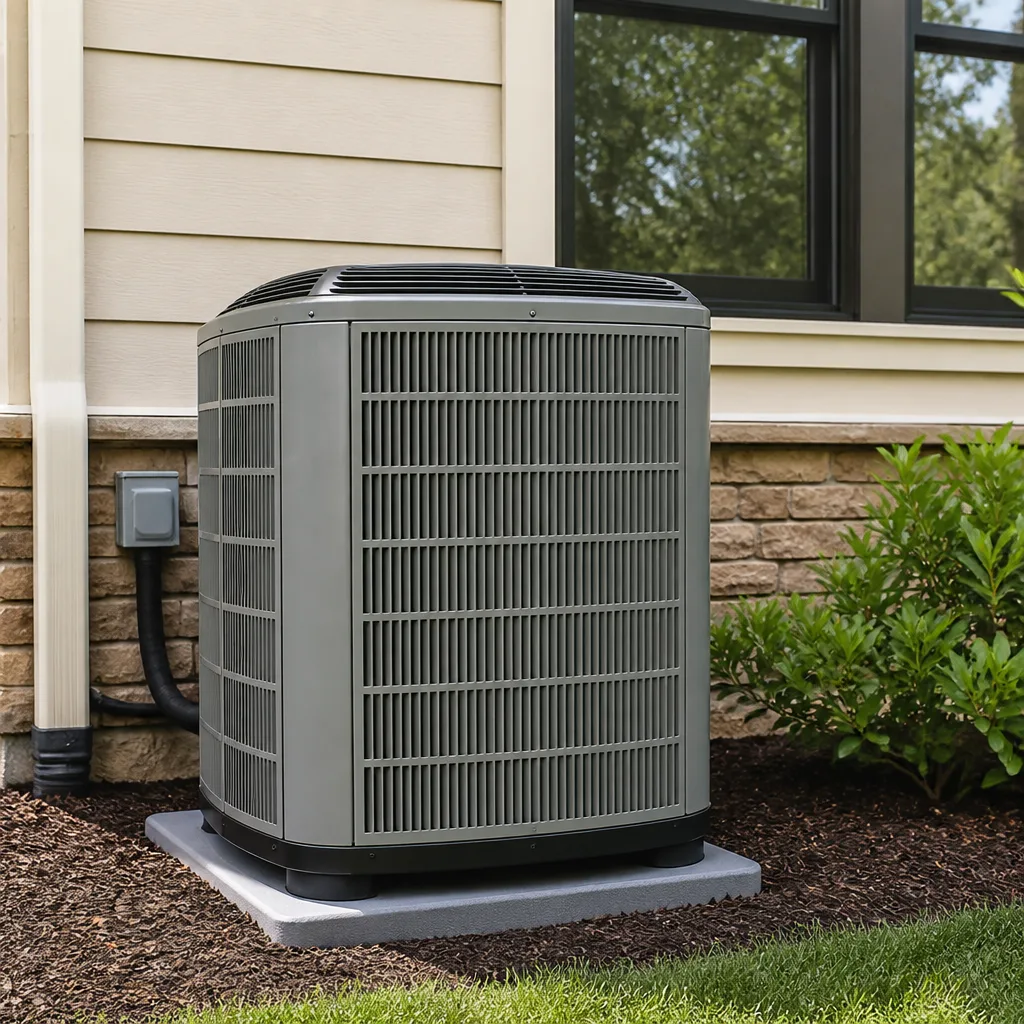 Trane
Trane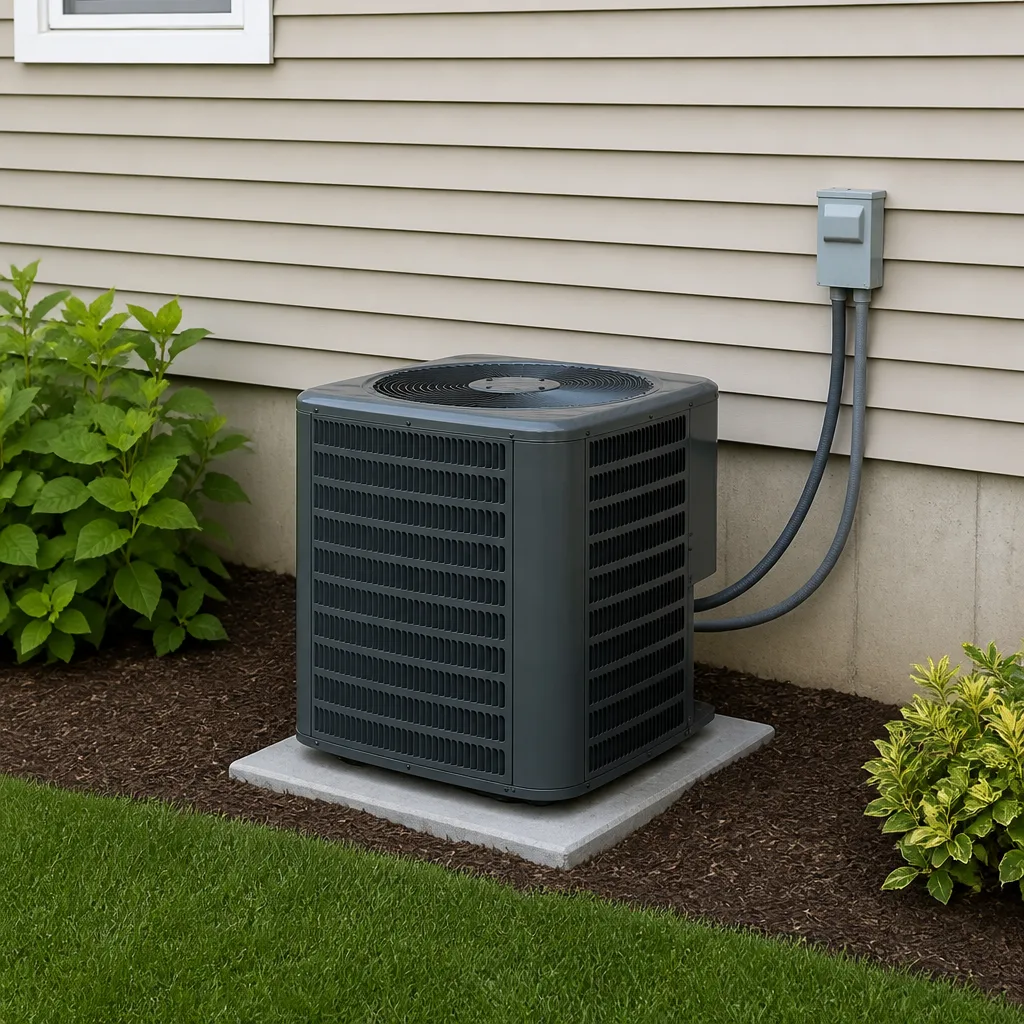 Goodman
Seasonal tune-up and full diagnostic on your Carrier, Trane, or Goodman system - readings shown to you before any repair is proposed
Diagnosis first, numbers second - you approve the repair price before a single part goes in.
Get your free estimateHow to Hire a HVAC Contractor in San Jose: A Step-by-Step Guide
The California Contractors State License Board lists HVAC among the top five categories for unlicensed activity complaints in Santa Clara County. The tell is almost always the same: no written price before the work started. This guide and our more guides & resources walk you through the exact verification steps that separate a licensed San Jose contractor from a costly mistake, including how to check a C-20 license in three clicks, what a legally enforceable estimate must contain, and how to read a repair guarantee before you sign it.
Quick Answer
To hire an HVAC contractor in San Jose, verify their C-20 license is active on the CSLB website, request a written estimate that itemizes labor, materials, and permit costs before any work begins, confirm their arrival window policy in writing, and insist on a written repair guarantee of at least 90 days, though a full 365-day guarantee is the strongest protection you can get. A legitimate contractor hands you the price before the tools come out, shows up when promised, and puts the guarantee on paper.
Styles & brands we work with
Table of Contents
- Step 1: Verify the C-20 License on the CSLB Website
- Step 2: Get a Written Estimate That Passes the Five-Point Test
- Step 3: Understand What an Arrival Window Actually Means
- Step 4: Listen for Red Flags During the First Phone Call
- Step 5: Read the Repair Guarantee Before You Sign
- Step 6: Ask These Seven Questions Before Scheduling the Visit
- Step 7: Review the Final Paperwork Before the Technician Leaves
Step 1: Verify the C-20 License on the CSLB Website
Any contractor doing HVAC work in San Jose for more than $500 in combined labor and materials must hold a C-20 Warm-Air Heating, Ventilating and Air-Conditioning Contractor license issued by the California Contractors State License Board. This is not a suggestion or a best practice. It is the law under California Business and Professions Code Section 7028, and unlicensed work in Santa Clara County is common enough that the CSLB runs undercover sting operations here every year.
The verification takes three steps:
- Go to cslb.ca.gov and click “Check a License” in the top navigation.
- Enter the contractor’s name or license number. The license number is the most accurate search method because business names can be registered under a different entity than the one on the side of the truck.
- Look at the license status field. It must say “Active.” Anything else, whether “Suspended,” “Expired,” “Revoked,” or “Cancelled,” means that contractor cannot legally perform HVAC work in San Jose right now.
The status matters for more than legality. If a contractor’s license is suspended and something goes wrong, your recourse under the CSLB complaint process weakens considerably. You are also looking at the entity that holds the license. Many San Jose HVAC companies operate under a DBA, or “doing business as” name. The name on the invoice may differ from the name on the license. That is not automatically a problem, but the CSLB record should list the DBA under the “Business Information” tab. If it does not, ask why before you schedule anything.
One more field worth checking: the issuance date. A license that has been active for a decade tells you the contractor has survived the renewal process, which includes continued education and bond maintenance. A license issued three months ago is not a disqualifier, but it means the company is new to the trade, and you should weigh the written guarantee more heavily in your decision.
Step 2: Get a Written Estimate That Passes the Five-Point Test
In California, a verbal quote for home improvement work above $500 is legally unenforceable. Contractors are required under the Contractors State License Board’s home improvement contract rules to provide a written contract for any residential job exceeding that threshold. Yet homeowners in San Jose accept verbal estimates every week. We hear about it constantly: the technician gives a number in the hallway, the homeowner says yes, and the price moves at the door because nothing was on paper.
A written estimate from any contractor you are seriously considering must contain five things:
- Total price in dollars. Not an hourly rate with an open-ended time estimate. A fixed number for the completed job.
- Itemized labor and materials. Separate line items tell you what you are paying for and give you a reference point if the scope changes.
- Start and completion dates. Or an arrival window in writing, which we cover in the next section.
- Permit and inspection language. Many San Jose HVAC replacements and installations require a permit through the city’s Building Division. Someone must state who pulls it and who pays for it.
- The contractor’s name, license number, and phone number. If the estimate does not have a license number, check the CSLB record. If the name on the estimate does not match the license holder, ask for the connection.
The written estimate serves a second purpose: it is a credibility test. A contractor who hesitates to put numbers in writing, or who says the written estimate will cost extra, is signaling something about how they handle changes once the job is underway. In our experience in San Jose, the companies that put the price in writing before the work starts are the same ones that stick to it at the end of the job.
Step 3: Understand What an Arrival Window Actually Means
Every HVAC company in San Jose has an arrival window policy. The difference is in what they mean by the words they use. “Between 10 and 2” is a four-hour block built around operational uncertainty. It often means the technician will arrive somewhere in that range, but the company is not committing to a specific time, and you will likely get a call somewhere in the middle with an update.
A firm two-hour window is different. It is a commitment, not a guess. The dispatcher has scheduled the technician’s route so your visit is the next stop after the one before it, not one of four possibilities. Some San Jose companies, including Cold Harbour Heating and Air San Jose home services, now put the arrival window in writing as part of the work order. That is the standard to look for.
Here is how to evaluate an arrival promise before you book:
- What happens if they miss the window? A company that stands behind its scheduling will tell you, unprompted, what happens when something runs long. A vague answer means the window was marketing, not operations.
- Does the dispatcher call ahead? A call when the technician is en route, with a specific ETA, is the operational backbone of a firm window. If the answer is “they’ll be there between 10 and 2,” you are getting the softer promise.
- Is the window repeated in writing? Verbal scheduling agreements disappear. Look for the arrival window on the estimate or work order.
No HVAC company in San Jose can guarantee a technician never hits traffic or a job that runs long. But the honest ones tell you when it happens, give you a revised arrival time, and do not leave you waiting by the door. The dishonest ones let the window expire silently.
Step 4: Listen for Red Flags During the First Phone Call
The hiring process does not start when the technician arrives at your door. It starts the moment someone picks up the phone. And in our experience, the phone call reveals more about a San Jose HVAC company than any in-person visit ever will.
Here are the red flags to listen for on the first call:
- Vague labor descriptions. If the person cannot tell you what the repair involves beyond “we’ll take a look,” you are gambling. A trained technician can explain what a capacitor does, what a thermocouple is, or what refrigerant recharge involves, all in plain English.
- Pressure to decide same-day. A legitimate HVAC company in San Jose understands that a major repair or replacement warrants comparison shopping. Pressure to book immediately, especially before you have a written estimate, is a sales tactic masquerading as urgency.
- Reluctance to name a price range. Every repair has a range. A technician who refuses to give even a ballpark over the phone is either inexperienced or planning to charge more once they see your system. Neither is good.
- No company name when they answer. A call answered with “Hello?” instead of a business name is a warning. It suggests a small or informal operation, which is fine, until you try to enforce a guarantee later and cannot reach anyone.
- Refusal to provide a license number. Any licensed contractor can recite their C-20 number in three seconds. If they hesitate, check the CSLB before you schedule.
The phone call is also your first chance to assess how a company communicates. Do they answer questions directly, or do they deflect? Do they explain trade terms in plain English, or do they hide behind jargon? In San Jose, where temperatures climb into the 90s during summer heat waves and the demand for AC repair in San Jose spikes with it, a company that is clear on the phone will be clear on the job.
Step 5: Read the Repair Guarantee Before You Sign
Most HVAC contractors in California default to a 30-day labor guarantee. The parts themselves often carry a manufacturer’s warranty, which can run one year, five years, or longer depending on the part and the brand, whether it is a Trane compressor, a Lennox control board, or a Rheem blower motor. But labor coverage, which means the work you actually paid the technician to do, typically expires in 30 days.
That is the industry standard, and it creates a specific risk. A repair that fails on day 31 leaves you paying for the same fix twice. Some failures take longer to show up, as covered in our HVAC Warning Signs: A San Jose Homeowner’s Reference Guide. A refrigerant leak patched poorly can hold for a few weeks and fail in month three. A loose electrical connection can work fine all summer and short out in the fall.
A 365-day written guarantee works differently. It means the repair is covered for a full year from the date of service. If the same repair fails in that window, the contractor returns and corrects the work at no additional charge. Not a service call fee, not a discount on the next repair, full coverage. That is the strongest repair guarantee you will find in San Jose, and it is what we issue at Cold Harbour Heating and Air San Jose home on every repair, in writing, included on the work order before the technician leaves.
When you compare guarantees, look for three things:
- Is it in writing? A verbal guarantee is not a guarantee. It is a hope. If it is not on the work order or the estimate, assume it does not exist.
- What does it cover? Labor only? Labor and parts? Does it include the diagnostic visit, or will you pay a trip charge for the return?
- How long does it run? 30 days is the default. 90 days is a meaningful upgrade. 365 days is the ceiling. The longer the guarantee, the more confidence the contractor has in their own work.
The guarantee length is a clue about company culture. A company that stands behind its work for a full year is signaling that its technicians are trained well enough to get it right the first time. A company that offers 30 days on labor is signaling that it expects mistakes, and it wants the clock to run out quickly.
Step 6: Ask These Seven Questions Before Scheduling the Visit
Most San Jose homeowners hire the first HVAC contractor who answers the phone. That is understandable when the AC fails during a July heat wave and the house is 92 degrees by 10 a.m. But even in an emergency, seven questions take less than five minutes to ask, and they eliminate most of the contractors who will disappoint you.
Here are the questions, and what a strong answer sounds like:
- “Are you licensed in California?” The answer should be an immediate yes, followed by a license number. Verify it on the CSLB website.
- “Will you give me a written estimate before work starts?” The answer should be yes, with no qualification. The written price is the single most important protection a homeowner has in San Jose.
- “What is your arrival window policy?” Look for a firm window, ideally two hours, and a willingness to put it in writing.
- “What is your repair guarantee?” The answer should include a number of days and a clear statement of what is covered. Ask if the guarantee is written.
- “Do you charge for estimates?” Many San Jose HVAC companies charge a diagnostic fee that is waived if you proceed with the repair. That is fair. But you should know the number before the technician arrives.
- “Who handles permits for installations?” If you are replacing a furnace or installing a new AC unit, the contractor should know San Jose’s permit requirements and be prepared to handle the paperwork, or explain clearly what is needed.
- “What brands do you service?” A company that works on all major residential brands, including Goodman, Rheem, Trane, and Lennox, can handle whatever system is already in your home. A company that only installs one brand may not be the right fit for a repair.
These questions do not require expertise. They require attention. And the answers tell you almost everything about what the service visit will feel like.
Step 7: Review the Final Paperwork Before the Technician Leaves
The job is not done when the technician packs up the tools. It is done when the paperwork is in your hand and you have read it. In San Jose, where a single AC replacement can run several thousand dollars, the final paperwork is the document that protects you.
Here is what to check before the technician walks out the door:
- The final price matches the written estimate. If the scope changed, there should be a change order in writing. If the price moved without a written change order, push back before you pay.
- The guarantee is on the paperwork. Look for the exact start date, the exact coverage period, and the phone number to call if something fails. If it is not there, ask for it to be added before you pay.
- The license number appears on the invoice. This connects the work to the CSLB record you verified earlier.
- Parts and labor are itemized. This matters if you need future service or if a manufacturer’s warranty claim requires documentation of installation.
- The technician’s name is recorded. It is a small detail, but it helps if you have a follow-up question about the specific repair that was done.
Paperwork feels like the least important part of an HVAC job, right up until something goes wrong. Then it is the only thing that matters. The San Jose homeowners we hear from after a bad experience almost always say the same thing: the technician was friendly, the price seemed fair, and there was no paperwork to check. A good contractor wants you to review the paperwork. A bad one hopes you will not.
Common Mistakes to Avoid
- Skipping the CSLB license check. Three clicks and two minutes is all it takes. In Santa Clara County, where unlicensed HVAC activity is a known problem, skipping this step is the most expensive shortcut you can take.
- Accepting a verbal quote. California law requires a written contract for jobs above $500. A verbal quote is not enforceable, and you have no protection if the price changes at the door.
- Signing before reading the guarantee. The guarantee is the most important paragraph on the page. Read it. Ask what it covers. If the answer is vague, walk away.
- Choosing based on price alone. The lowest bid in San Jose is often the one that skips permits, uses the cheapest parts, and is gone in six months. Price matters, but it must be weighed against the license, the guarantee, and the written estimate.
- Not asking about permits. Major HVAC installations in San Jose require permits. A contractor who says permits are unnecessary is either wrong or planning to cut a corner. Both are problems.
- Hiring on the first call during a heat wave. The heat makes every company look good. Slow down. Ask the seven questions. The extra thirty minutes will save you more than the extra degrees cost.
- Ignoring the arrival window until it is missed. Ask about the window policy before you book, not after you have been waiting four hours. This is a hiring criterion, not an afterthought.
See the difference
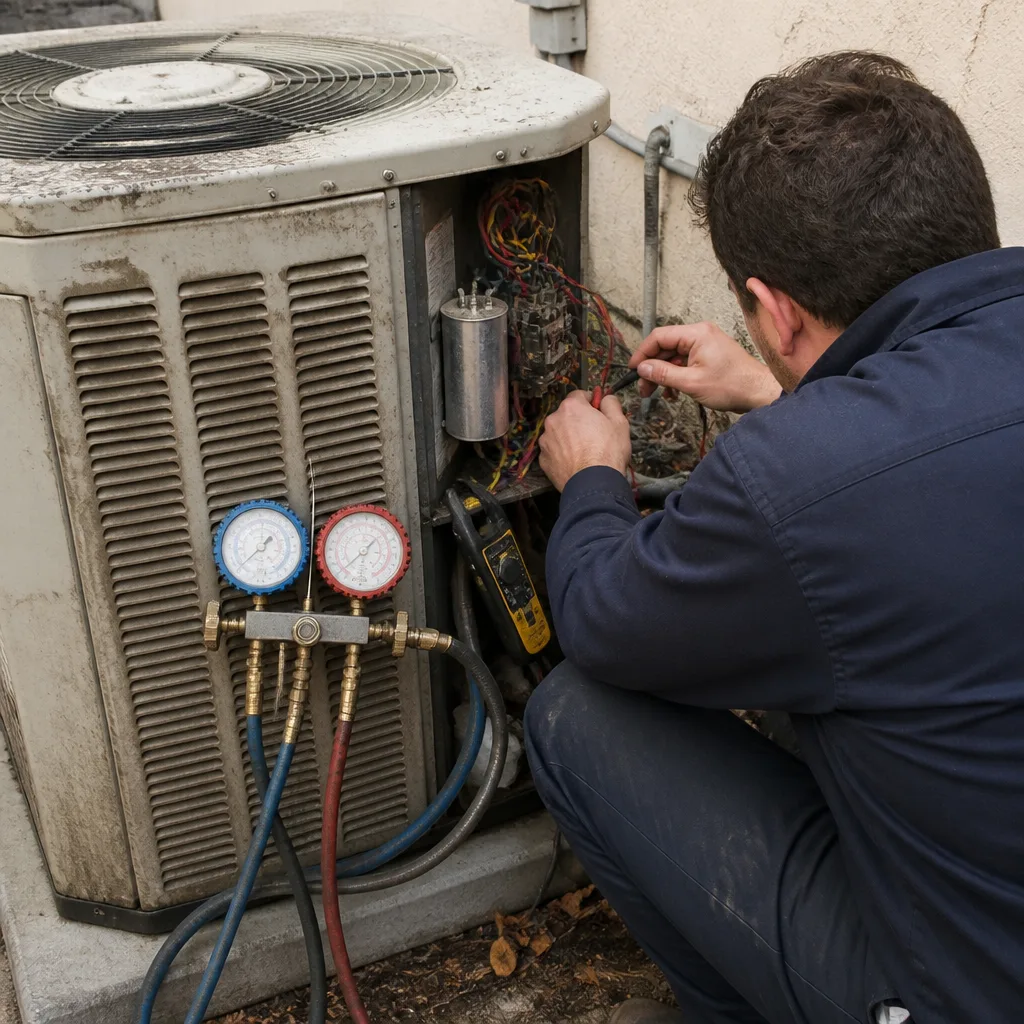 Before
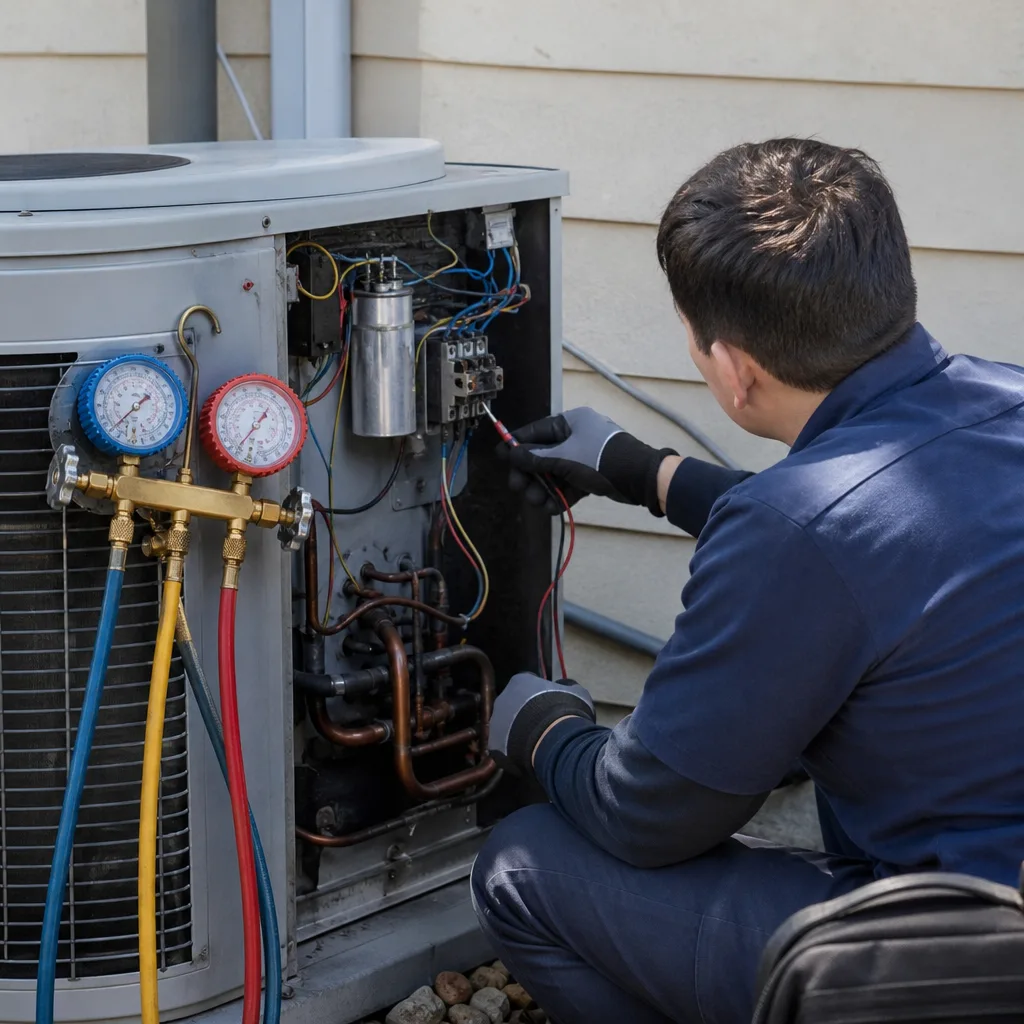 After
After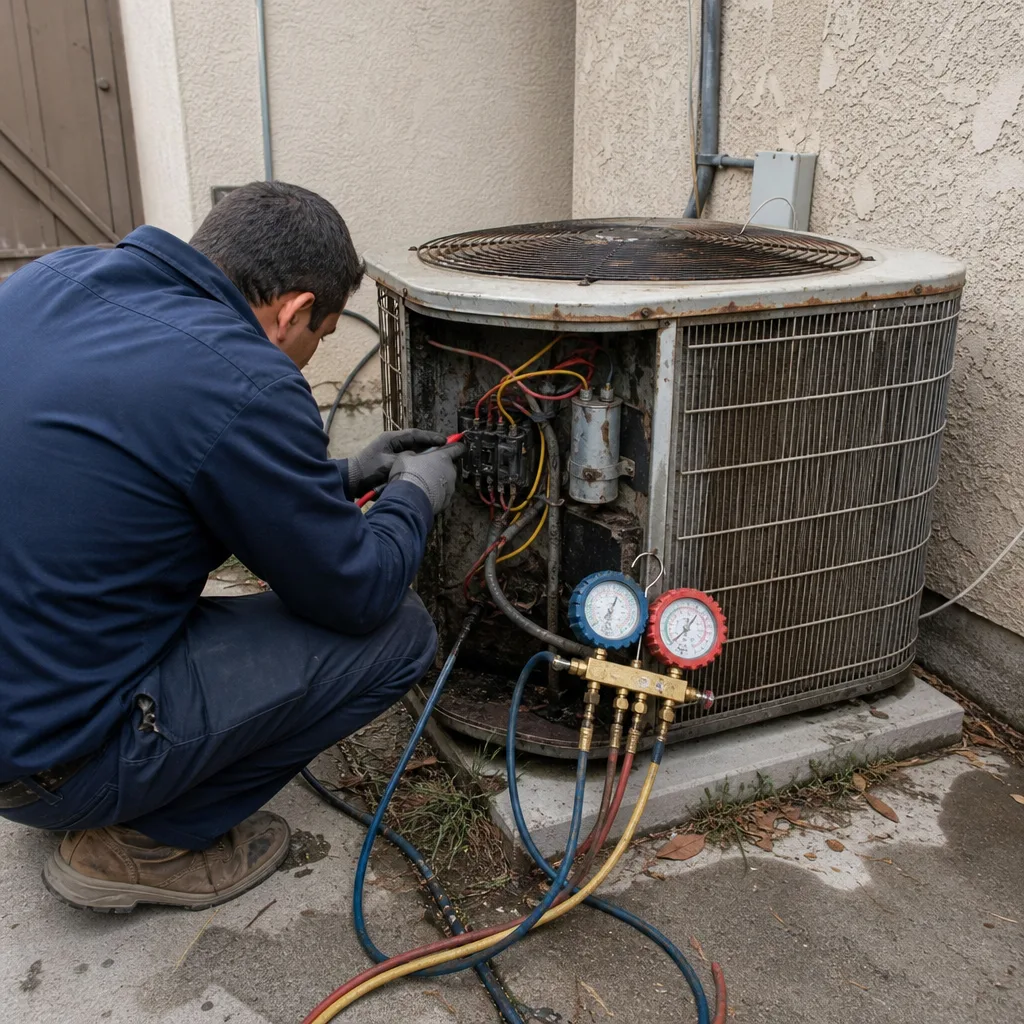 Before
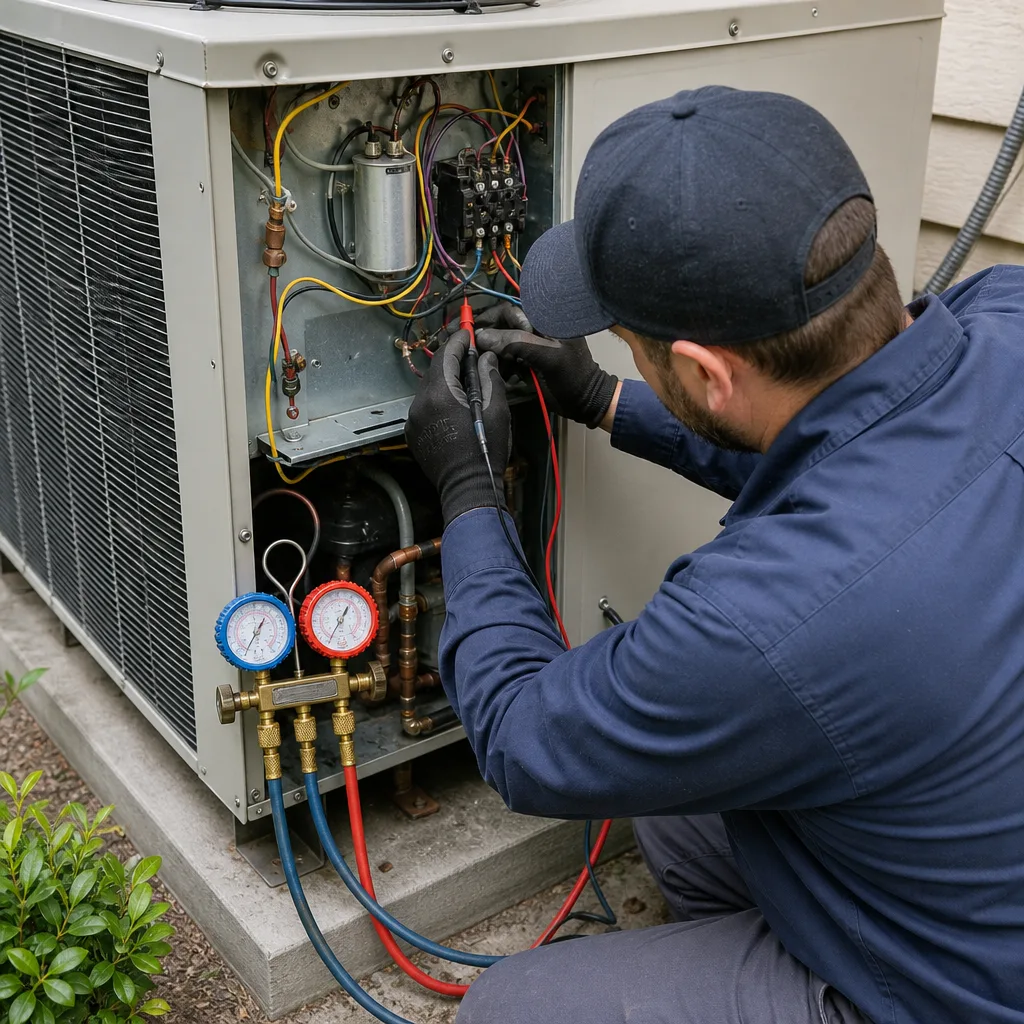 After
After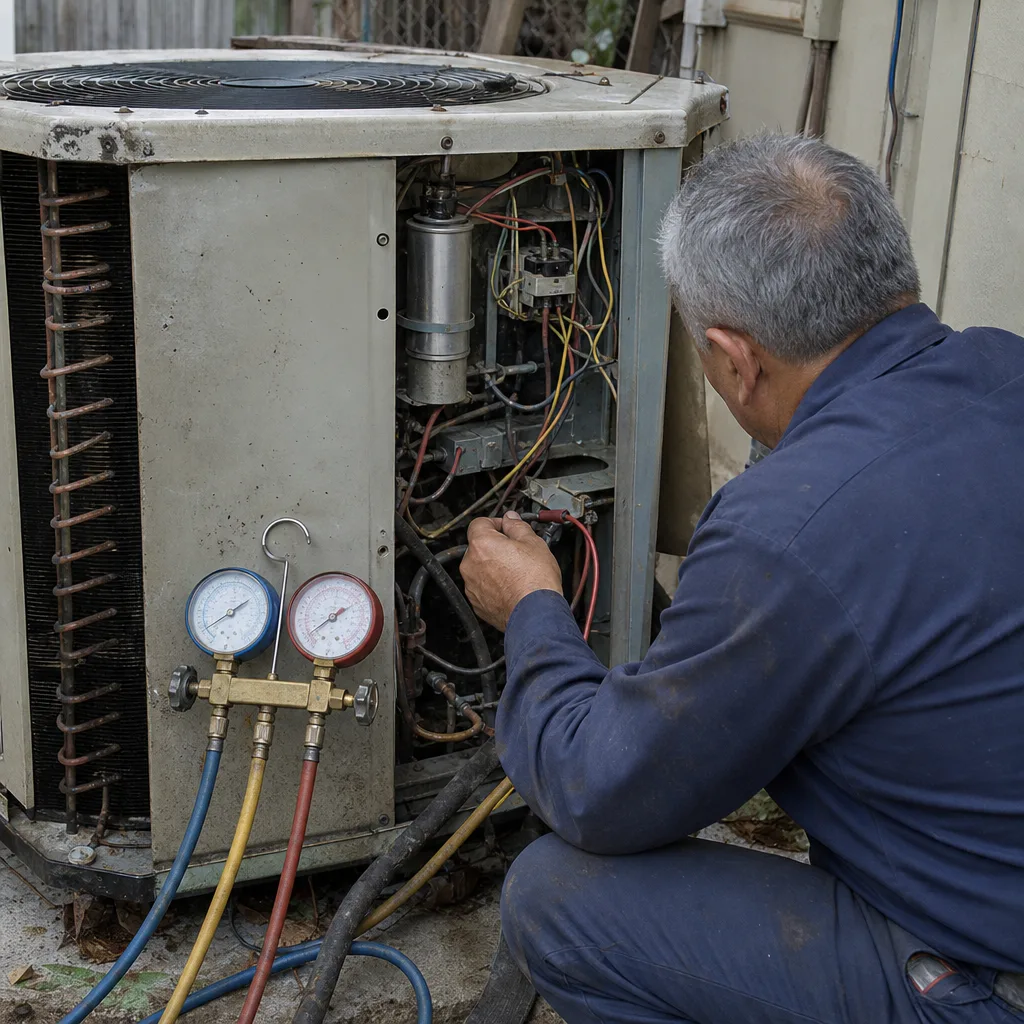 Before
 After
AfterWhen to Call a Professional
Some HVAC situations are clear calls for a professional. A furnace that trips the circuit breaker repeatedly, an AC that blows warm air after a recharge, a burning smell from the vents, or any repair that involves refrigerant or electrical connections, all require a trained technician with the right equipment and a C-20 license. San Jose’s summer temperatures and winter cool spells mean a failed system is more than uncomfortable. It is a health risk for young children, elderly residents, and anyone with respiratory conditions. Furnace repair in San Jose and AC repair are not DIY projects. Cold Harbour Heating and Air San Jose offers free estimates in San Jose. Call (669) 800-4179 to schedule.
Frequently Asked Questions
Go to cslb.ca.gov, click “Check a License,” and search by the contractor’s name or C-20 license number. The status must read “Active.” Anything else means the contractor cannot legally perform HVAC work in San Jose, and you should look elsewhere.
Most San Jose AC repairs run between $150 and $600 depending on the part and labor involved, with simple fixes like capacitor replacements on the lower end and compressor work on the higher end. For exact pricing and context, see our HVAC Cost Breakdown: The San Jose Homeowner’s Reference for 2026 or request a written estimate before the work begins. Call (669) 800-4179 for a free estimate.
A 30-day guarantee covers labor for one month after the repair, while a 365-day guarantee covers the repair for a full year. The longer guarantee is a stronger protection, and in our experience it signals a contractor with more confidence in their own workmanship.
Most furnace replacements and new AC installations in San Jose require a permit through the city’s Building Division. A licensed contractor should be able to tell you which permits are needed and who is responsible for pulling them. For details, read our HVAC Permits, Codes & Inspections in CA: What You Need to Know. If a contractor says permits are never necessary, consider that a red flag.
A good San Jose HVAC contractor should be trained to service the major residential brands already installed in local homes, including Trane, Lennox, Goodman, and Rheem. A contractor who only works on one brand may not be the right fit for a repair on your existing system.
Many San Jose HVAC companies offer same-day or next-day service for AC and furnace repairs, and some offer emergency repair with a firm arrival window. During heat waves and cold snaps, demand spikes, so calling early in the day improves your odds. Call (669) 800-4179 for current availability.
The Bottom Line
Hiring an HVAC contractor in San Jose comes down to verification and documentation. Check the C-20 license on the CSLB website. Demand a written estimate with itemized labor, materials, and total price. Ask about the arrival window before you book, and read the repair guarantee before you sign. The homeowners who get burned almost always skip the same two steps: they never check the license, and they accept a verbal quote instead of a written price. A good contractor makes all of this easy. We have been doing it that way in San Jose since 2003, and we put the price, the window, and the guarantee in writing on every job, every time. Call (669) 800-4179 for a free estimate.
Written by Victor Mancini, Owner at Cold Harbour Heating and Air San Jose, serving San Jose since 2003.