
Last updated October 16, 2026
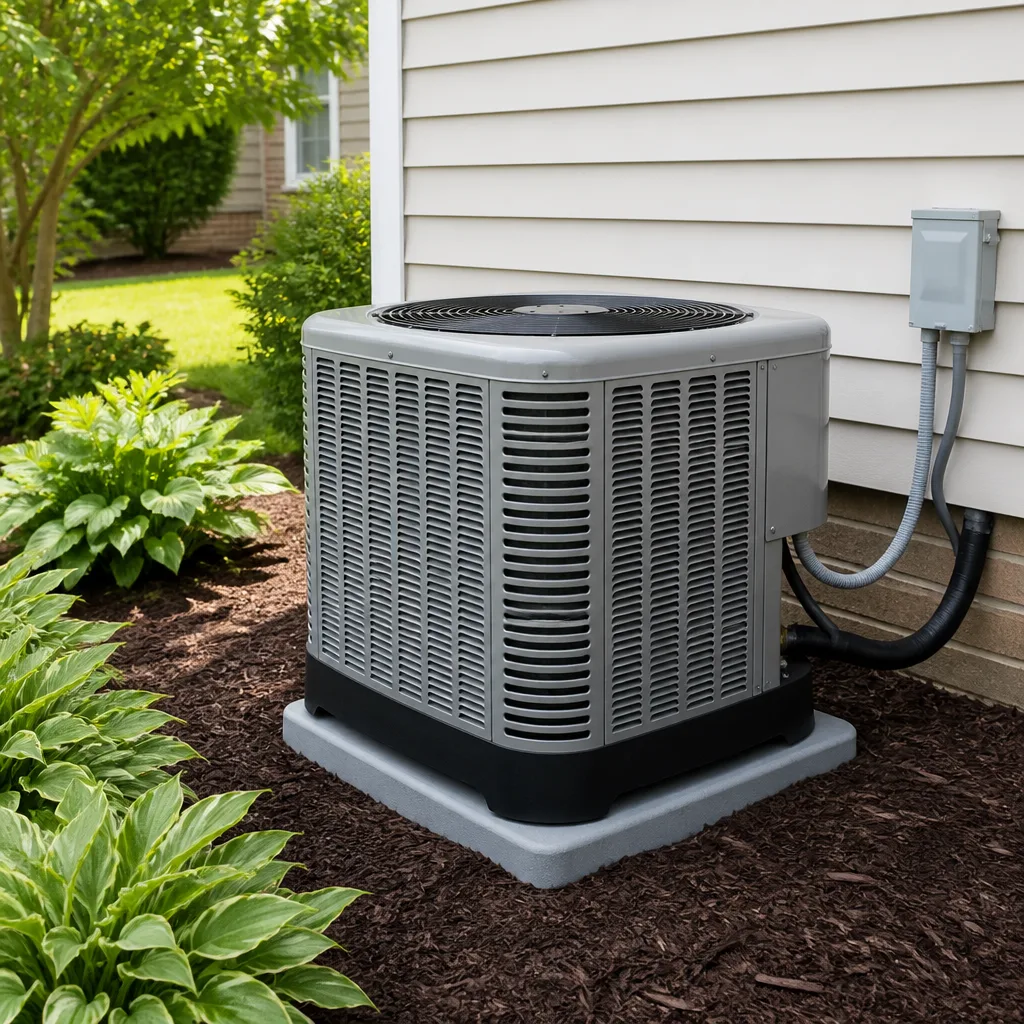 AC repair
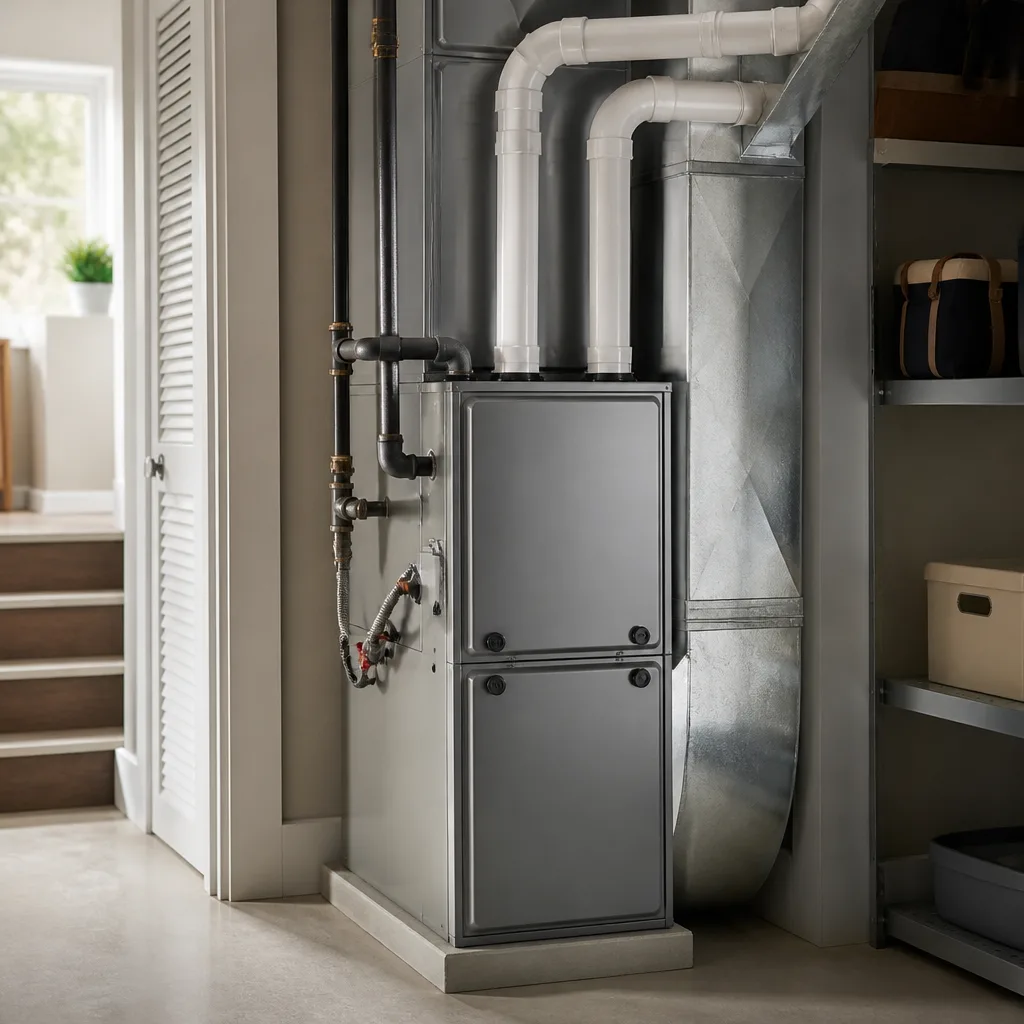 Furnace & heating
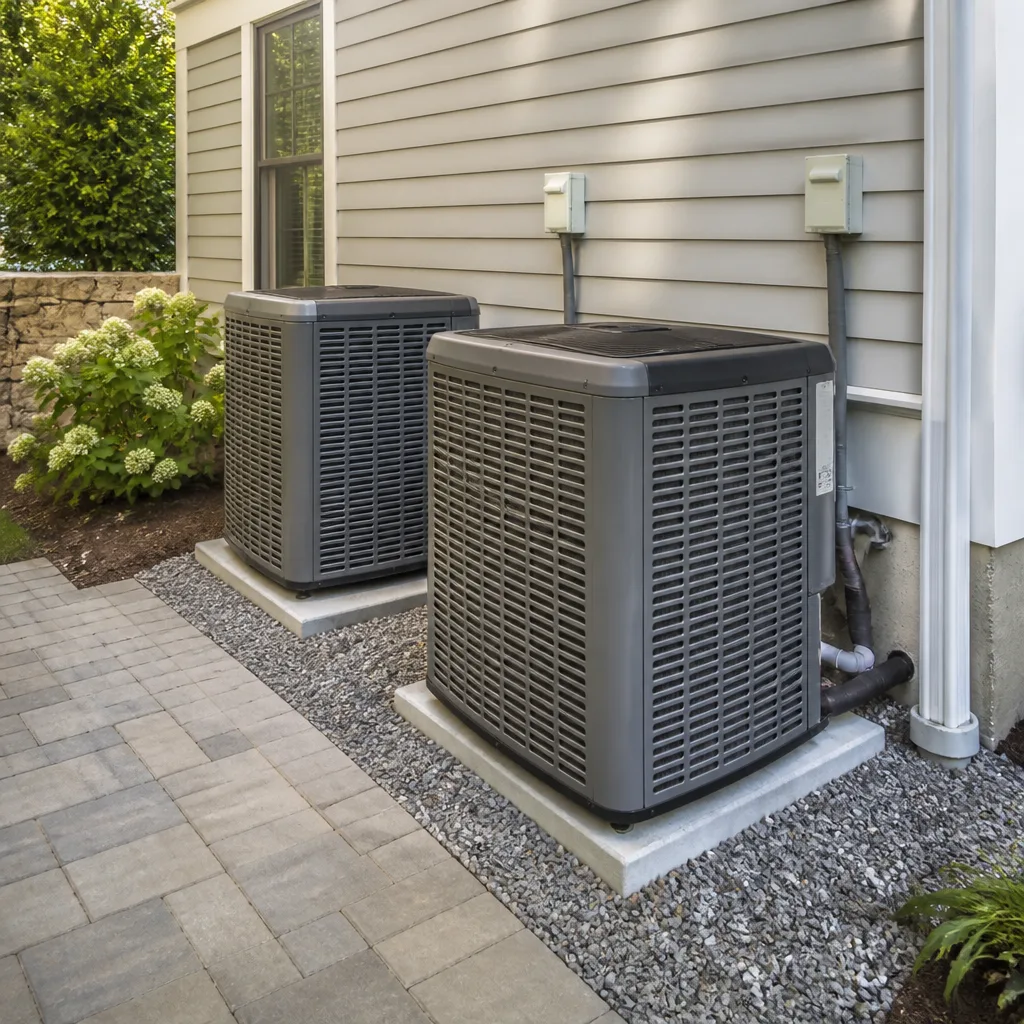 Heat pumps
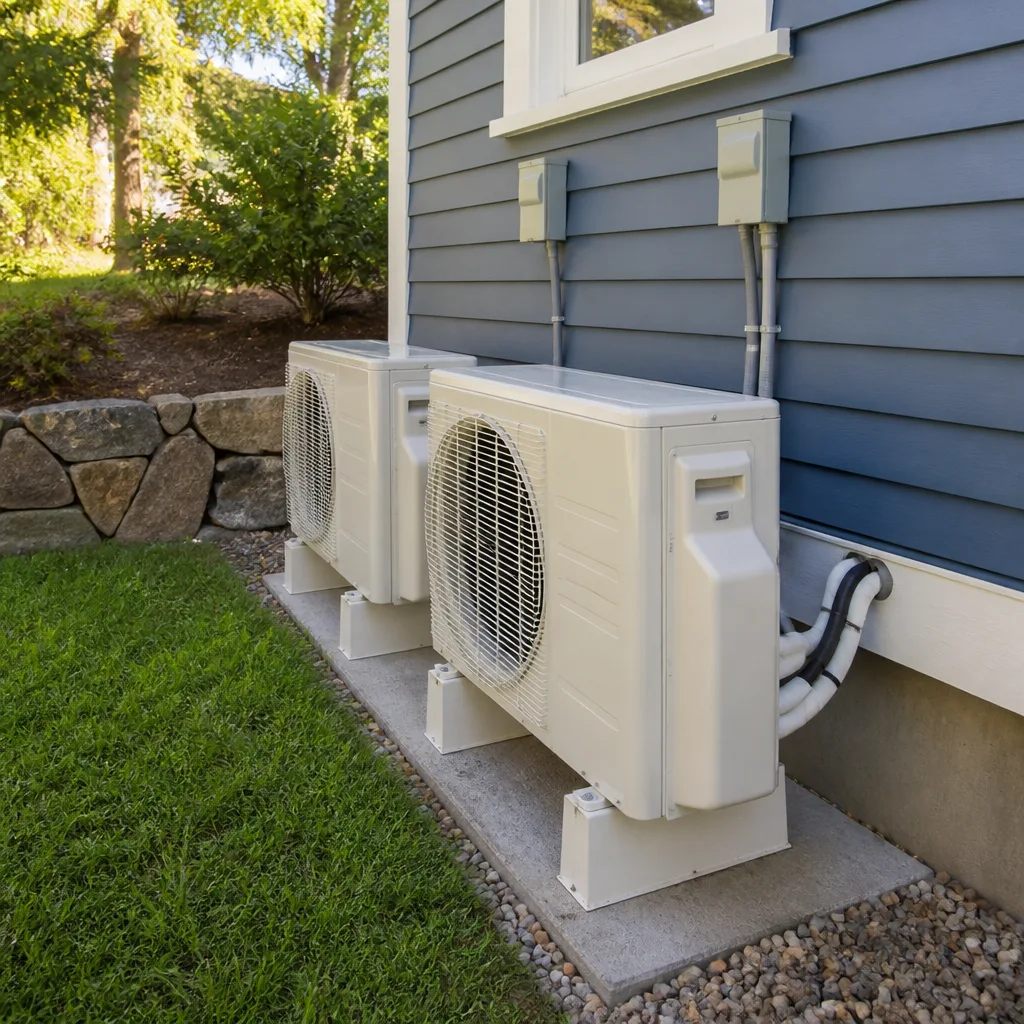 Ductless mini splits
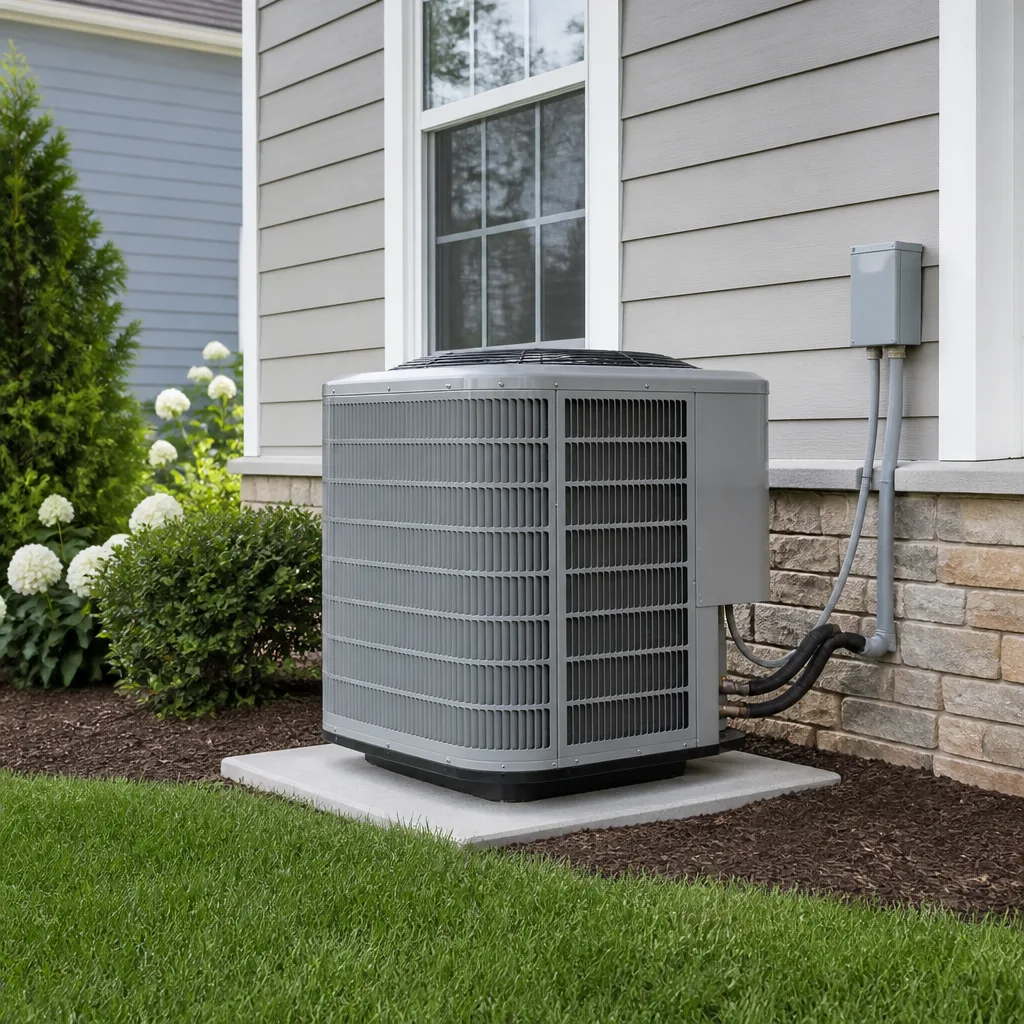 Carrier
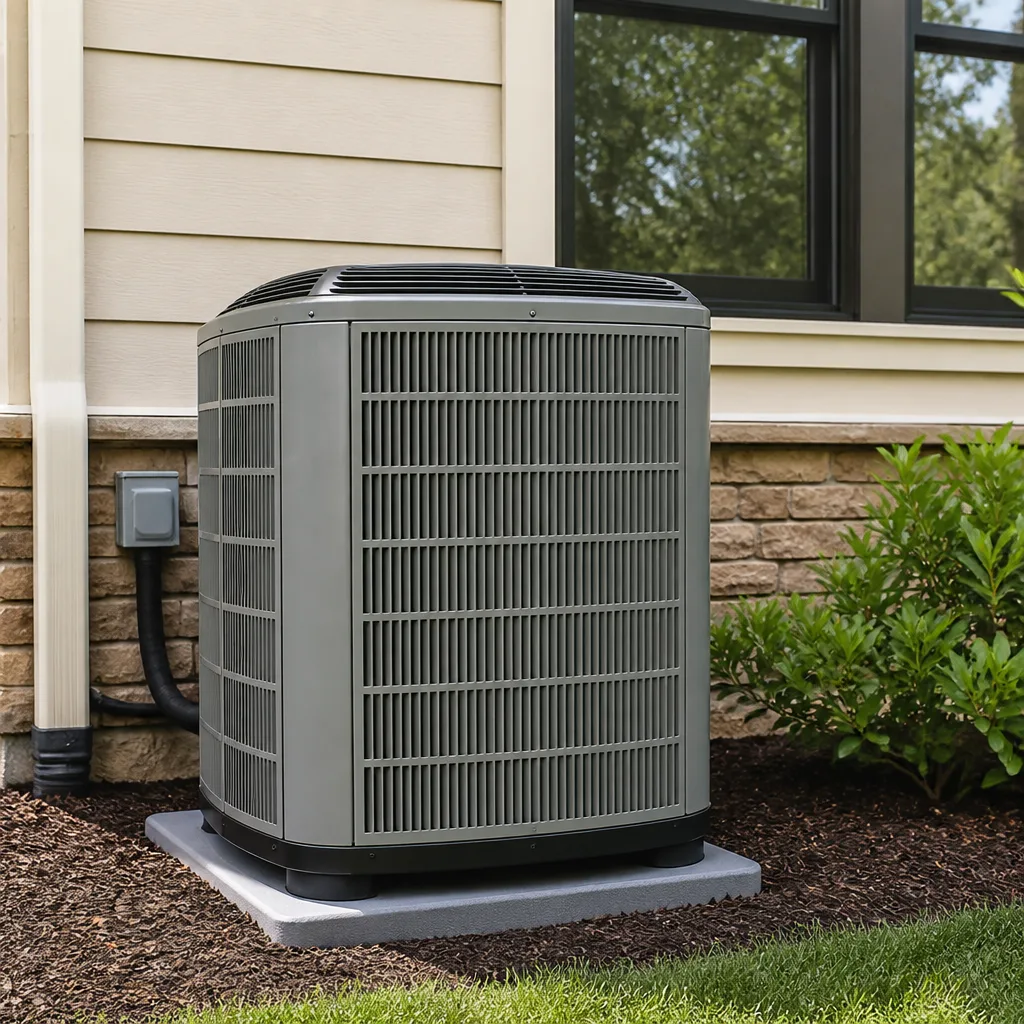 Trane
Trane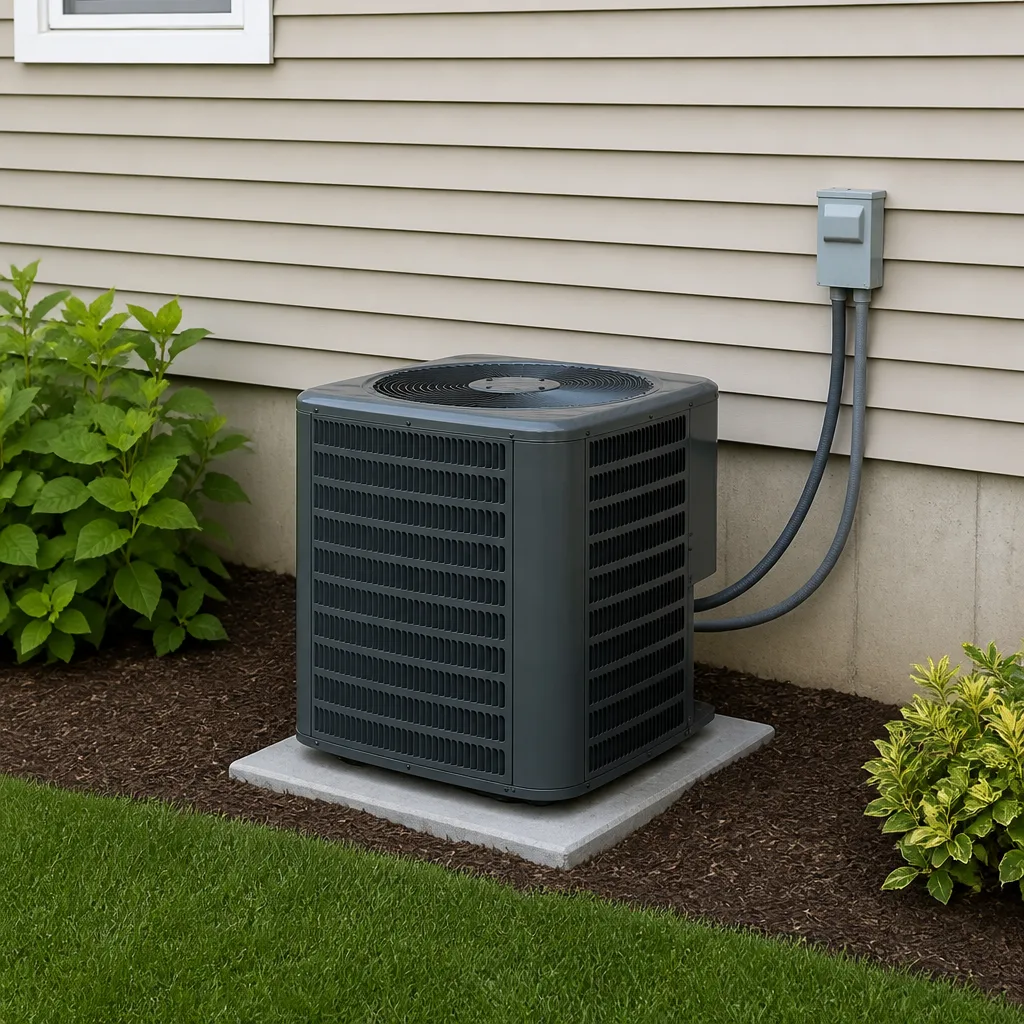 Goodman
Seasonal tune-up and full diagnostic on your Carrier, Trane, or Goodman system - readings shown to you before any repair is proposed
Diagnosis first, numbers second - you approve the repair price before a single part goes in.
Get your free estimateHVAC Cost Breakdown: The San Jose Homeowner’s Reference for 2026
Here’s a number that should make every San Jose homeowner pause: the same furnace replacement can draw a $3,800 quote from one licensed contractor and a $6,200 quote from another on the same day. Both are legitimate businesses. Both will pull permits. The gap isn’t usually fraud. It’s overhead, warranty terms, and what’s buried inside “installation labor” that most people never think to ask about. This guide breaks down what HVAC work actually costs in San Jose in 2026, line by line, so you can read a quote the way a contractor reads it.
Styles & brands we work with
Quick Answer
HVAC costs in San Jose run 18 – 25% above the national average in 2026, driven by local labor rates and HVAC Permits, Codes & Inspections in CA like Title 24 compliance requirements. A routine tune-up costs $95 – $180, a capacitor replacement $180 – $320, a full system replacement $8,500 – $16,000 for a typical 2,000-square-foot home, and duct sealing $600 – $1,500. The single best filter for a fair quote: ask for the written price before any work begins, and if a company hesitates, get another quote.
Table of Contents
- What a Tune-Up Costs in San Jose
- Capacitor Replacement: The Most Common Repair
- Coil Cleaning: Why It’s Priced by Accessibility
- Refrigerant Recharge: What You’re Actually Paying For
- Full System Replacement: The Line-Item Anatomy
- Duct Sealing and Title 24
- SEER Ratings and Total Cost of Ownership
- How to Compare Quotes Without Getting Lost
- Common Mistakes to Avoid
- When to Call a Professional
- Frequently Asked Questions
- The Bottom Line
What a Tune-Up Costs in San Jose
A heating or cooling tune-up in San Jose runs $95 – $180 for most single-system homes. Some companies advertise $49 specials, and we’ll be direct about what that usually means: a technician who spends 20 minutes checking the filter, testing the thermostat, and handing you a quote for something else. A real maintenance visit takes 60 – 90 minutes and produces a written report of what was actually found.
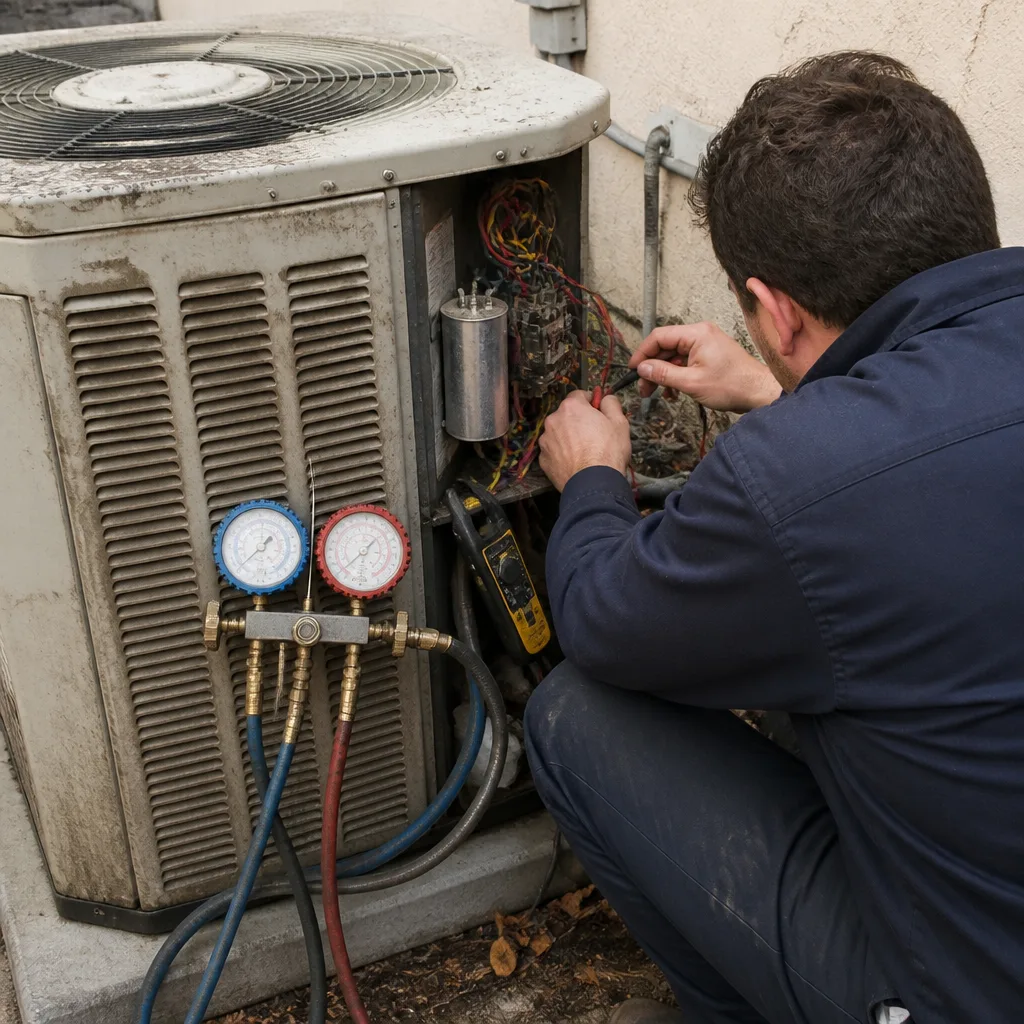
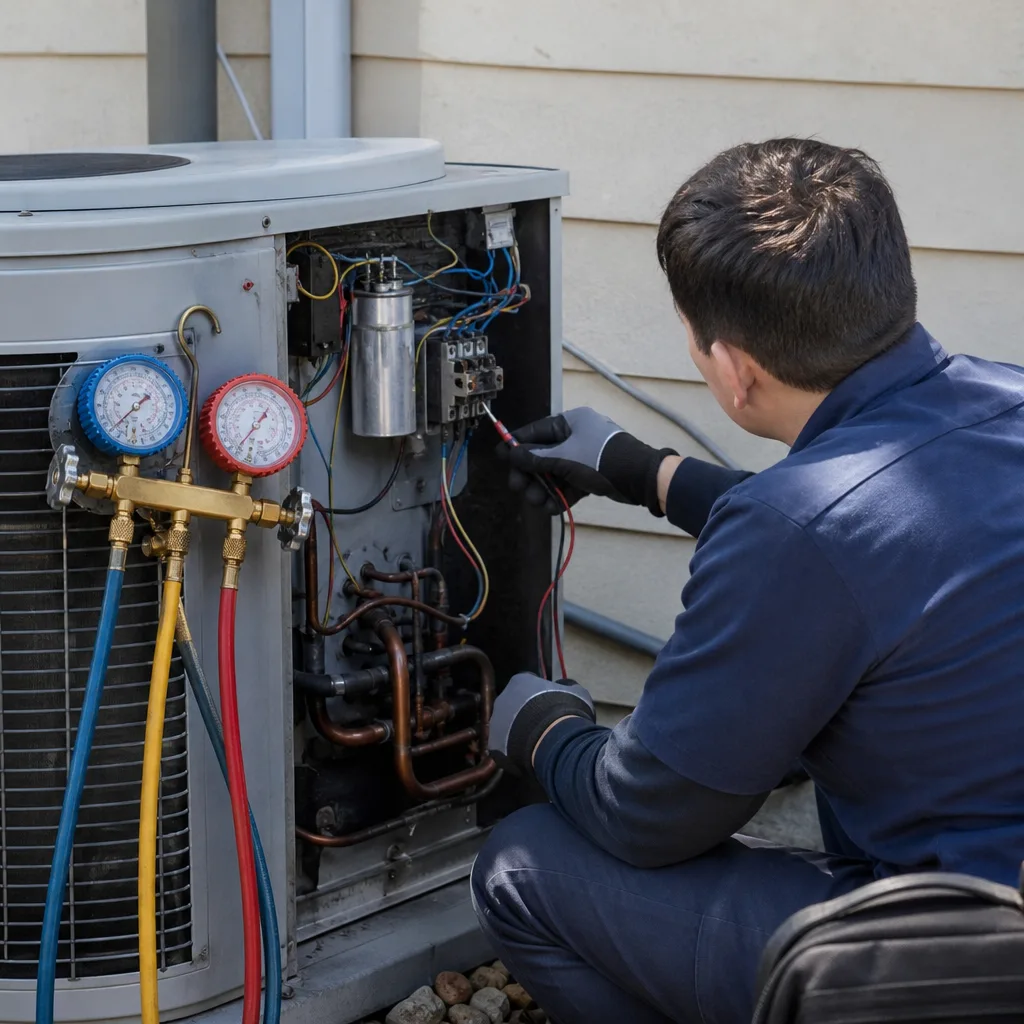
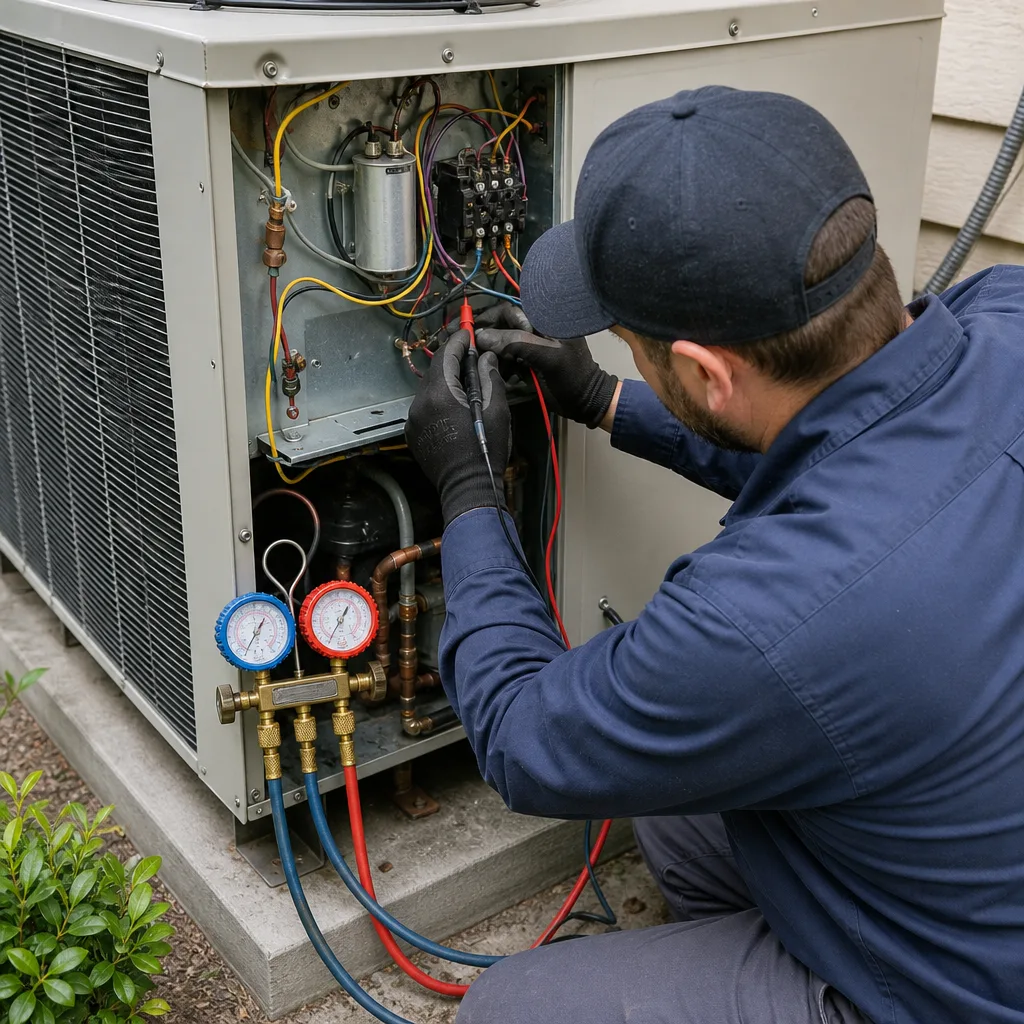
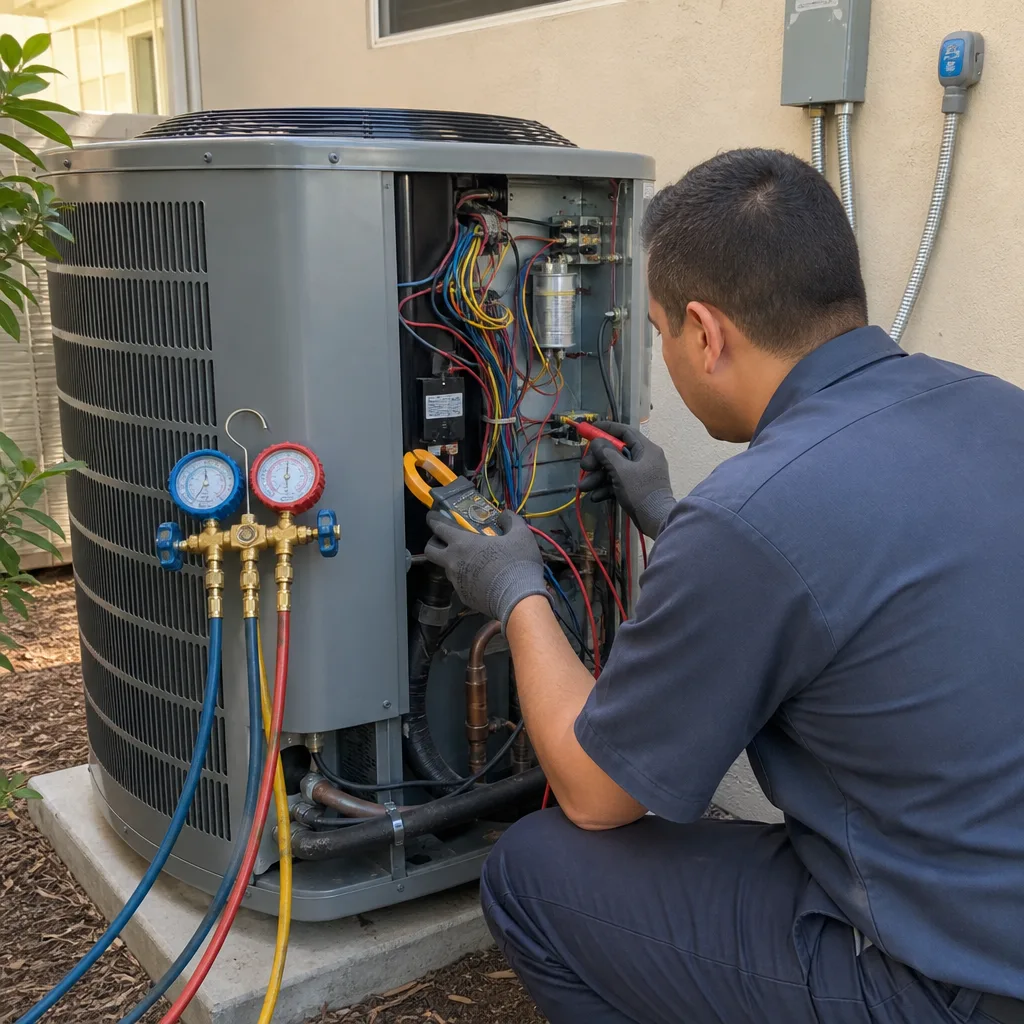
At Cold Harbour Heating and Air San Jose home, a tune-up includes checking refrigerant pressure, testing capacitors and contactors, measuring temperature differentials, inspecting the condensate drain, and cleaning what’s accessible without disassembly. We write down the readings on the invoice so you can compare them next visit. Not every company does that, and it matters because a declining capacitor or a slow refrigerant leak shows up in those numbers months before the system fails.
Furnace tune-ups follow the same $95 – $180 range. The work includes checking the heat exchanger for cracks (a safety item), testing the flame sensor, verifying gas pressure, and inspecting the venting. If you’ve got an older furnace, this is also when a technician should flag whether the unit is nearing the end of its realistic life, which in San Jose’s mild winters is typically 18 – 22 years for a well-maintained furnace-one of the HVAC Warning Signs: A San Jose Homeowner’s Reference Guide to watch for.
What should be included
- Written report with actual readings, not a checklist of boxes someone ticked
- Capacitor and contactor testing (these are the parts that fail most often)
- Condensate drain inspection and clearing
- Temperature split measurement on the AC
- Heat exchanger visual inspection on the furnace
- No pressure to buy anything during the visit
Our technicians are not paid commission on what they sell, which changes how a tune-up goes. The report lists what’s working and what isn’t. You decide what to do next, and the price for any recommended work is written down before you commit.
Capacitor Replacement: The Most Common AC Repair in San Jose
Most capacitor replacements run $180 – $320, parts and labor included. The part itself costs $15 – $45 wholesale, so you’re paying mostly for the diagnosis, the drive time, and the skill to test the old one under load rather than just swapping it out and hoping. In San Jose’s summer, when temperatures climb into the high 80s and low 90s, capacitors fail more often because heat degrades the dielectric fluid inside them.
A capacitor is the electrical component that gives your compressor and fan motor the starting jolt they need. When it weakens, the symptom is usually an AC that hums but doesn’t start, or a unit that runs briefly and shuts off. Sometimes the outdoor unit won’t spin at all. The fix takes 30 – 45 minutes for a technician who carries the right sizes, which is why same-day service is realistic for this repair.
We see this repair constantly from April through September across San Jose, from Willow Glen to Evergreen to the Rose Garden. It’s not a sign of a dying system by itself, but repeated capacitor failures within a year can indicate a compressor drawing too much current, which is a more serious conversation.
Ask whether the replacement capacitor matches the original’s microfarad rating, not just “close enough.” A mismatched capacitor shortens the life of the compressor it feeds, and we’ve corrected that mistake on systems other companies installed.
Coil Cleaning: Why It’s Priced by Accessibility
Evaporator coil cleaning in San Jose runs $250 – $700 depending on where the coil sits and how dirty it is. The range is wide because a coil behind an easily opened panel is a 45-minute job, while a coil buried in an attic air handler might require partial disassembly, a pump sprayer, and protective sheeting over the furnace below it. That’s two hours of labor, not 45 minutes, and that’s the honest difference in the price.
A refrigerant coil (the part that does the actual heat exchange) collects dust, pet hair, and sometimes a layer of grime that acts like insulation. A dirty coil reduces airflow and forces the system to run longer to hit the same temperature. We’ve measured 15 – 20% efficiency loss on badly fouled coils in San Jose homes where the AC runs hard in summer and the windows stay closed most of the year.
Condenser coil cleaning outside is usually faster, $150 – $300, and involves flushing the outdoor unit’s coil fins with a coil cleaner and water at low pressure. High pressure bends the fins and makes the problem worse, which is why this isn’t a job for a garden hose on full blast.
If your energy bill has climbed with no change in usage, or the AC runs constantly during a San Jose heat spell without satisfying the thermostat, this is one of the first things we check. The fix is straightforward, the parts cost is minimal, and the labor is what you’re paying for.
Refrigerant Recharge: What You’re Actually Paying For
A refrigerant recharge (topping off the cooling fluid your AC needs to run) costs $200 – $500 for most R-410A systems in San Jose, and more if the system uses older R-22, which is expensive and getting harder to find. But here’s the part most guides skip: a recharge is not a repair. If your system is low on refrigerant, it has a leak somewhere. The fluid doesn’t burn off. It doesn’t get used up. It leaked.
A responsible technician will tell you this up front and offer to locate the leak, because adding refrigerant without finding the source means you’ll be calling again next season. Leak detection is extra, usually $150 – $350 depending on whether it requires an electronic sniffer, UV dye, or nitrogen pressure testing. Some leaks are fixable in an hour. Some are in a coil that costs more to replace than the system is worth.
In our experience across San Jose, older systems in the Cambrian and Almaden Valley areas, where homes date to the 1960s and 1970s, are the most likely to have slow leaks in the evaporator coil. The coils corrode over decades, and the repair decision comes down to system age and the cost of the replacement coil.
Refrigerant handling requires EPA certification. The technician should check pressures and superheat or subcooling, not just “top it off until it feels cold.” If someone offers to recharge your system without asking where the refrigerant went, that’s a red flag.
Full System Replacement: The Line-Item Anatomy
A complete system replacement in San Jose, meaning a new furnace and AC or a heat pump, runs $8,500 – $16,000 for a typical 2,000-square-foot home in 2026. The spread comes down to equipment tier, efficiency rating, and the condition of your existing ductwork and electrical. Here’s what that number actually contains, because most quotes bury the details.
Equipment: 40 – 55% of the total
This is the furnace, the AC condenser, the evaporator coil, and sometimes the thermostat. A Goodman or Rheem system in the 14 – 15 SEER2 range carries a lower equipment cost than a higher-tier York or Daikin system at 17 – 18 SEER2. The equipment line item is usually fixed; contractors pay wholesale prices and mark up to cover warranty administration. This is not the part of the quote to negotiate down.
Labor: 20 – 30% of the total
Installation labor covers the crew, usually two technicians for one to two days, and all the small parts that don’t appear as separate line items: refrigerant line sets, condensate pumps, flue piping, electrical whips, pad for the outdoor unit. When a San Jose quote is suspiciously cheap, this is where the corners get cut. Cheap labor means rushed duct connections, misaligned plenums, or a crew that skips the startup measurements. You won’t see the difference on day one. You’ll see it in year two when the system underperforms.
Permit and HERS testing: 5 – 8% of the total
San Jose requires a building permit for HVAC replacements, and California’s Title 24 energy code adds mandatory third-party verification. A HERS rater must test the duct leakage and the refrigerant charge after installation. That’s a real cost, usually $500 – $900, and it’s non-negotiable. Companies that skip permits can quote $600 – $800 lower, and we’d never advise accepting that deal. The permit protects you when you sell the house and ensures the work meets minimum safety standards.
Disposal: 2 – 4% of the total
The old furnace and condenser don’t just disappear. Refrigerant recovery, metal recycling, and landfill fees for the non-recyclable parts cost money. Some companies bury this in labor. We list it separately because that’s honest bookkeeping.
Warranty: included or line-itemed
This is where quotes diverge most. A 10-year parts warranty from the manufacturer is standard on most mid-tier and higher systems. Labor warranties vary wildly. A contractor who offers a 1-year labor warranty on the full installation is offering something specific. That’s the minimum we’d accept, and on repairs, our 365-Day Done Right Promise puts it in writing: if the repair fails within a year, we come back and fix it at no charge.
Duct Sealing and Title 24
Duct sealing in San Jose runs $600 – $1,500 for a typical single-story home and $1,200 – $2,500 for a larger two-story, depending on accessibility and how much of the ductwork can be reached from the attic or crawlspace. The work involves sealing joints and connections with mastic or aeroseal technology, not duct tape, which fails within a few years in an unconditioned attic.
If you’re replacing your system, you’ll encounter duct testing as part of the Title 24 compliance process. The HERS rater measures how much air leaks from your ducts. If leakage exceeds the California maximum, the ducts must be sealed before the job passes inspection. That’s a cost surprise for homeowners who didn’t know it was coming, and it’s one of the reasons San Jose replacements cost more than national averages. You’re getting a verified, measured result, not a visual once-over.
Duct sealing as a standalone service makes sense when rooms in your house heat or cool unevenly, or when your energy bills climb despite a healthy system. For year-round maintenance tips, see our Seasonal HVAC Care for San Jose: Year-Round Homeowner’s Guide. Leaky ducts can waste 20 – 30% of the air your system moves, which in San Jose’s climate means paying to cool air that escapes into the attic before it ever reaches your living room.
SEER Ratings and Total Cost of Ownership
The efficiency question is not “what’s the cheapest system” but “what does it cost to run over 15 years.” In San Jose, with 2026 electricity rates running roughly $0.35 – $0.42 per kilowatt-hour depending on your rate plan and time of use, a higher-SEER unit often pays for itself faster than in cheaper-electricity states.
Here’s the math, simplified. A 3-ton AC running 800 cooling hours per year at 14 SEER2 draws about 2,057 kWh annually. At $0.38 per kWh, that’s $782 per year. A 17 SEER2 unit under the same conditions draws about 1,694 kWh, or $644 per year. The difference is $138 annually. If the higher-SEER system costs $1,200 more to install, the payback is about 8.7 years. In a mild climate like San Jose’s, that’s a borderline call.
But run the same numbers for a home in Almaden or Silver Creek where the AC gets more use, or for a home with a south-facing exposure, and the higher-SEER unit wins sooner. The total-cost-of-ownership decision hinges on how much your specific home calls for cooling, which is why load calculations matter. A contractor who replaces your 3-ton unit with another 3-ton unit without checking whether your home actually needs 3 tons is skipping the most important step in the process.
How to Compare Quotes Without Getting Lost
When you’ve got three quotes in front of you and the prices don’t match, here’s the framework to use. It works for AC Installation in San Jose and for every other HVAC job on this list.
- Ask for the line items. Every quote should separate equipment, labor, permit, and warranty. If a contractor won’t break it down, they’re selling you a feeling, not a job.
- Check the equipment model numbers. A “3-ton 16 SEER system” could mean a dozen different actual units. Write down the model numbers and search them. You’ll find the wholesale cost range quickly, and you’ll spot a contractor marking up a builder-grade Goodman as if it were a premium York.
- Compare warranty terms, not just years. A 10-year parts warranty is standard. The labor warranty is what separates quotes. Ask what happens if the repair fails in month six. If the answer is vague, that’s an answer.
- Verify the permit and HERS testing are actually included. Some quotes omit them at first to look cheaper, then add them as a “surprise” line item. In San Jose, there’s no legal path around the permit and the Title 24 verification.
- Ask when the price stops changing. Our written price is handed over before any work begins, and it doesn’t change at the door. That’s part of The Kingswell Way, the set of standards we’ve operated under since 2003. A company that says “we’ll see once we open it up” is telling you the quoted number is a starting point, not a commitment.
None of this means you should automatically pick the lowest quote. A lower quote with no labor warranty and no permit fee listed will cost more in the long run. A higher quote with a written labor guarantee and full compliance is a different product. The framework exists so you can tell the difference.
Common Mistakes to Avoid
- Buying on the monthly payment, not the total cost. Financing a $12,000 system over 10 years at 7% costs $16,720 total. Ask for the total of payments, not just the monthly figure.
- Replacing a system without a load calculation. If the contractor measures your windows, checks your insulation, and asks about your comfort complaints in specific rooms, that’s the right process. If they just look at the old unit’s size and match it, you’re paying for their guess.
- Delaying a repair until it becomes an emergency. A worn capacitor that hums quietly at 10 p.m. becomes a full failure at 3 p.m. on a 95-degree day. The emergency repair is the same repair, done at a worse time, with more stress. And in our experience, most San Jose HVAC emergencies in July and August started as smaller issues in May.
- Sealing windows and doors but ignoring ducts. Many San Jose homes leak more conditioned air through attic duct joints than through every window combined. Duct testing and sealing is a better investment than new windows in most cases.
- Judging a quote on a single number. The same job quoted at $4,500 and $6,000 might both be fair. The difference is usually what’s in the warranty, who’s doing the labor, and what happens if the work fails. Read the quote, not just the total.
- Skipping maintenance because “it works fine.” By the time an HVAC system gives you a warning sign, something has already failed. Annual tune-ups catch declining capacitors, slow leaks, and dirty coils before they become no-cooling situations. In San Jose’s housing stock, where many furnaces and ACs are 10 – 20 years old, this matters more than in newer developments.
- Accepting a verbal quote as binding. If the price and the warranty aren’t written down, you don’t have them. Our guarantee gets put on paper before the technician leaves, and that’s not a preference. It’s how a written standard works.
When to Call a Professional
Call an HVAC technician when your AC blows warm air, when the outdoor unit makes a grinding or buzzing sound, when your furnace smells like burning metal (that’s a heat exchanger concern, not dust burning off), or when your energy bill jumps with no change in usage. If water is pooling around the indoor unit, the condensate drain is blocked and you’re risking water damage. None of these are DIY situations, and several of them are safety issues. AC Repair in San Jose is one of our most common calls during summer months, and Furnace Repair in San Jose keeps us busy through the winter. Cold Harbour Heating and Air San Jose offers free estimates across San Jose, and we answer the phone with a live person 24 hours a day, 7 days a week. Call (669) 800-4179 and we’ll get you scheduled.
Frequently Asked Questions
A new furnace and AC system in San Jose costs $8,500 – $16,000 for a typical 2,000-square-foot home, with the final price depending on equipment efficiency, ductwork condition, and the contractor’s labor rates. A heat pump system lands in the same range, sometimes slightly higher for cold-climate models. Call (669) 800-4179 for a written, line-itemed quote on your specific home.
Repair makes sense when the system is under 12 years old and the repair cost is under 40% of the replacement cost, but replace when the system is 15+ years old, uses R-22 refrigerant, or has a failed compressor or heat exchanger. Those big-ticket failures rarely make financial sense to fix on an aging system.
In most cases, yes. We offer same-day service for common repairs like capacitor replacements and no-cooling calls, and a live person answers our phones 24/7. For AC Repair in San Jose, same-day availability during summer heat waves is a priority, not a premium service.
California offers rebates through the TECH Clean California program for heat pump conversions, and some San Jose homeowners qualify for federal tax credits under the Inflation Reduction Act for qualifying heat pumps and high-efficiency equipment. Rebate amounts change, so check current program terms or call us and we’ll tell you what applies to your job.
Title 24 is California’s energy code, and for HVAC work it requires a permit, third-party HERS testing, and verified duct leakage below a set threshold. The verification process adds $500 – $900 to a replacement job in San Jose, and that money buys you documentation that your system was installed and tested correctly rather than just claimed to be.
It means the number you’re quoted is the number you pay, with no add-ons after the work begins unless you approve a change in writing. At Cold Harbour Heating and Air San Jose, the written price is part of The Kingswell Way, and it’s handed to you before a single tool comes out. If a contractor won’t commit to a written price, that’s a signal about how the rest of the job will go.
The Bottom Line
San Jose HVAC costs are higher than the national average for real, structural reasons: labor rates in the Bay Area, Title 24 compliance, and the verification process that comes with it. Your job as a homeowner is not to find the cheapest quote, but to understand what each quote actually contains. For more guides & resources on reading quotes and planning HVAC work, explore our blog. Line items, warranty terms, permit fees, and written guarantees tell you more than the total. And when you’re comparing, remember that a company willing to put its price and its guarantee in writing before the work starts is already demonstrating how it operates. The rest is details.
Written by Victor Mancini, Owner at Cold Harbour Heating and Air San Jose, serving San Jose since 2003.
See the difference
 Before
 After
After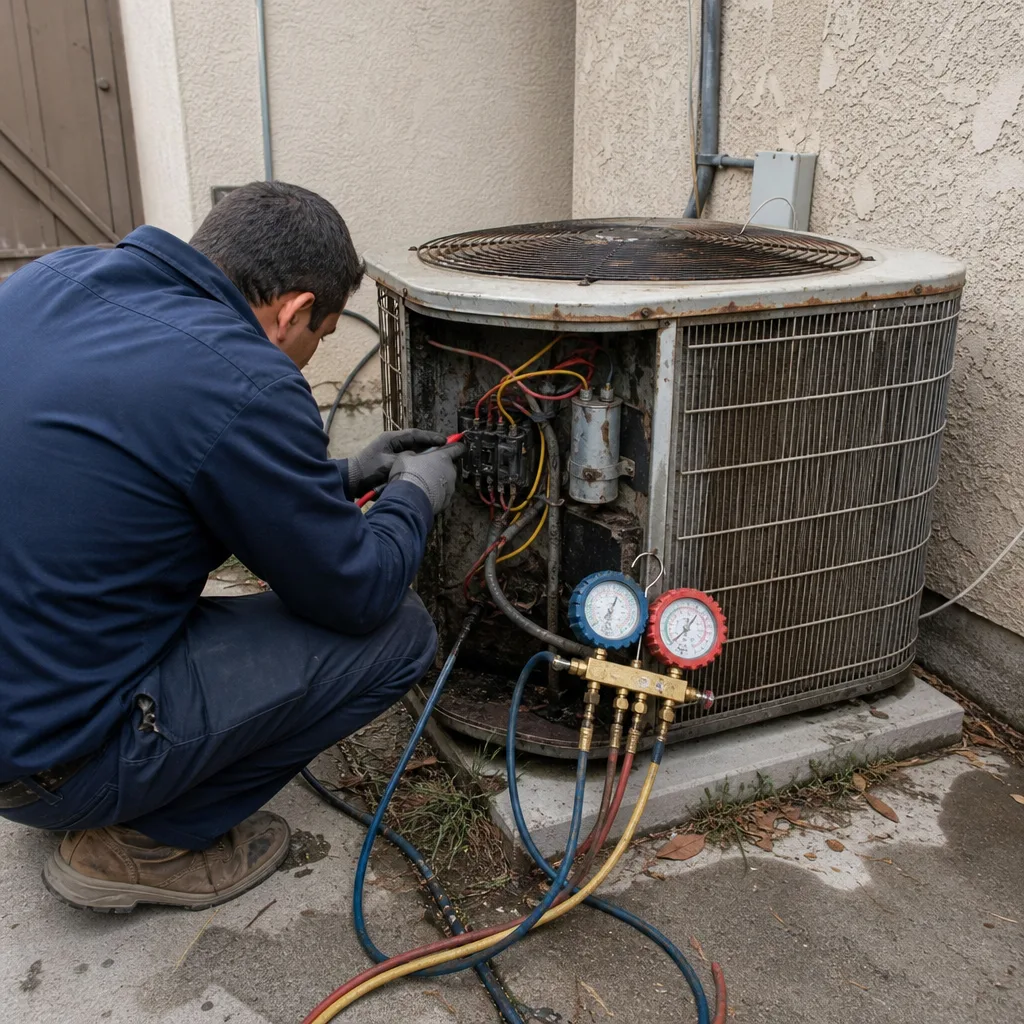 Before
 After
After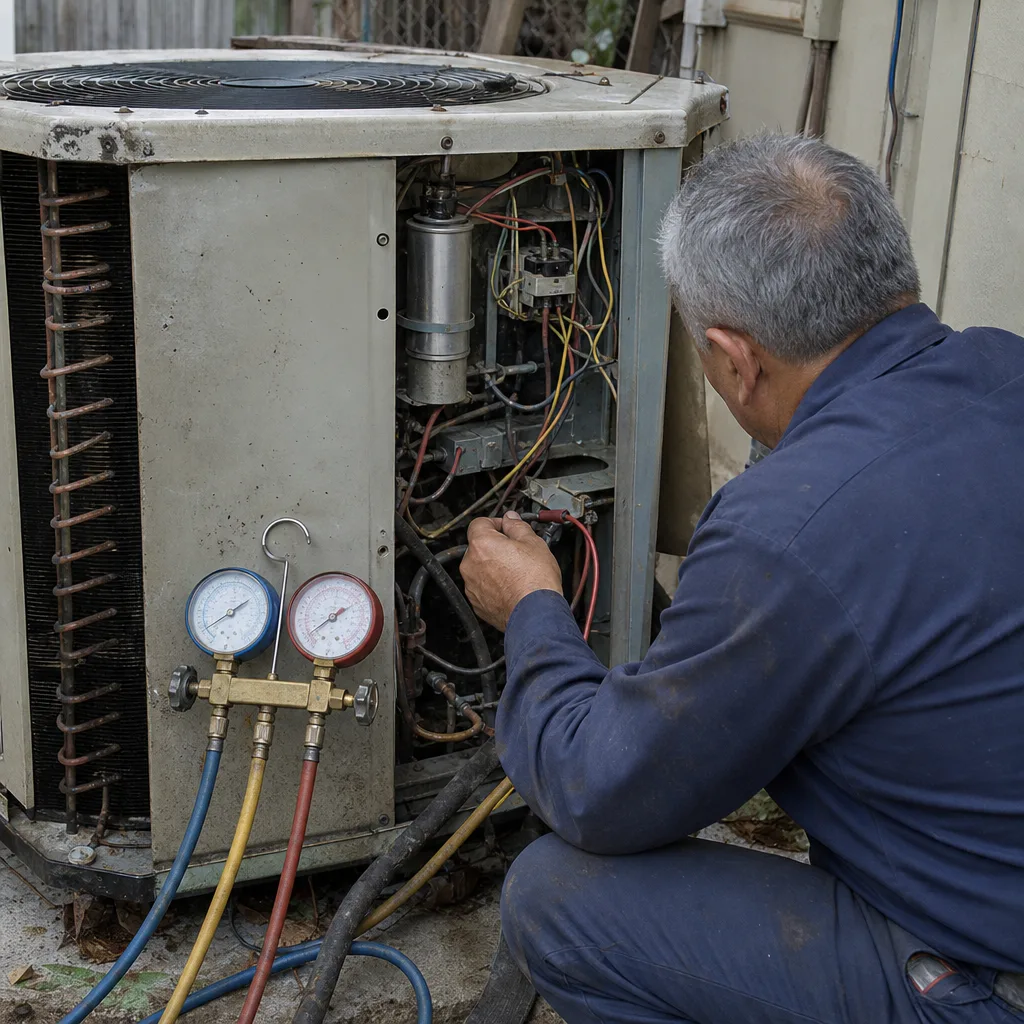 Before
 After
After