
Last updated October 16, 2026
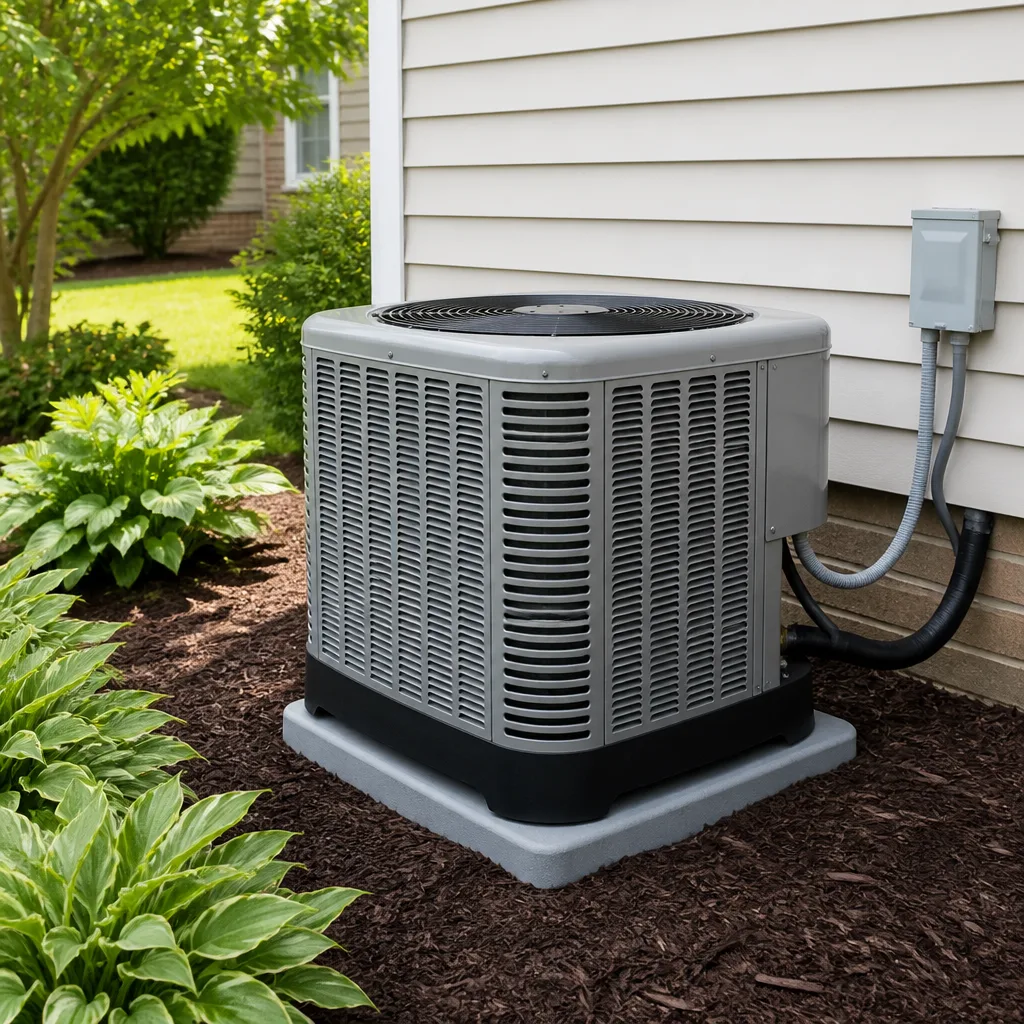 AC repair
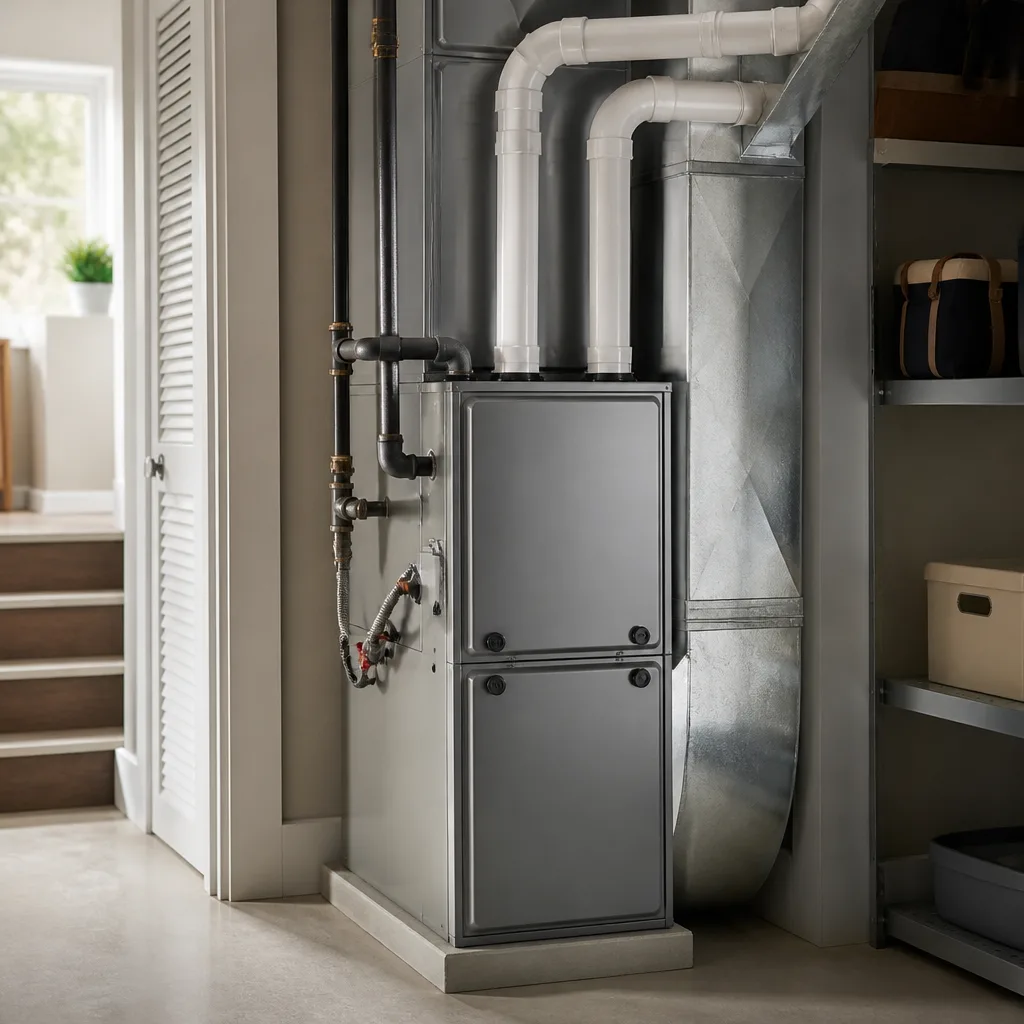 Furnace & heating
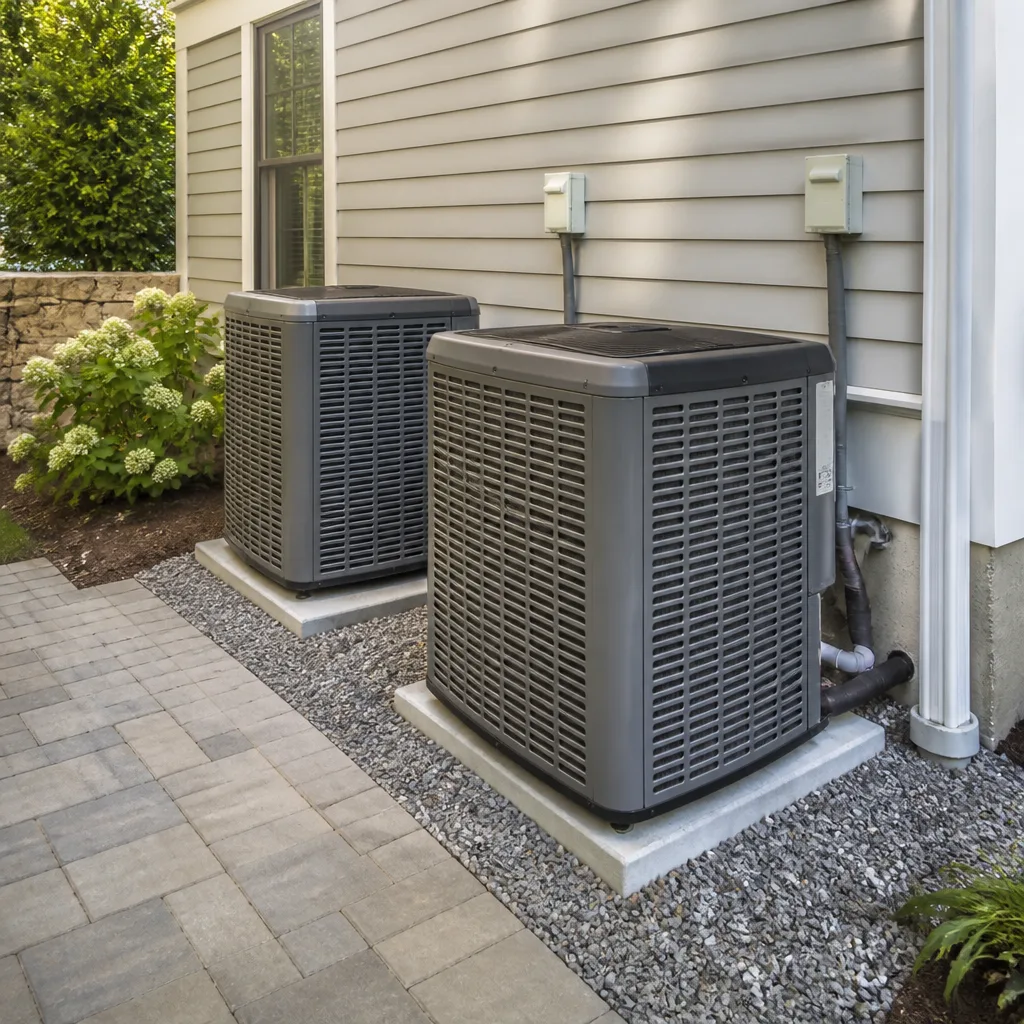 Heat pumps
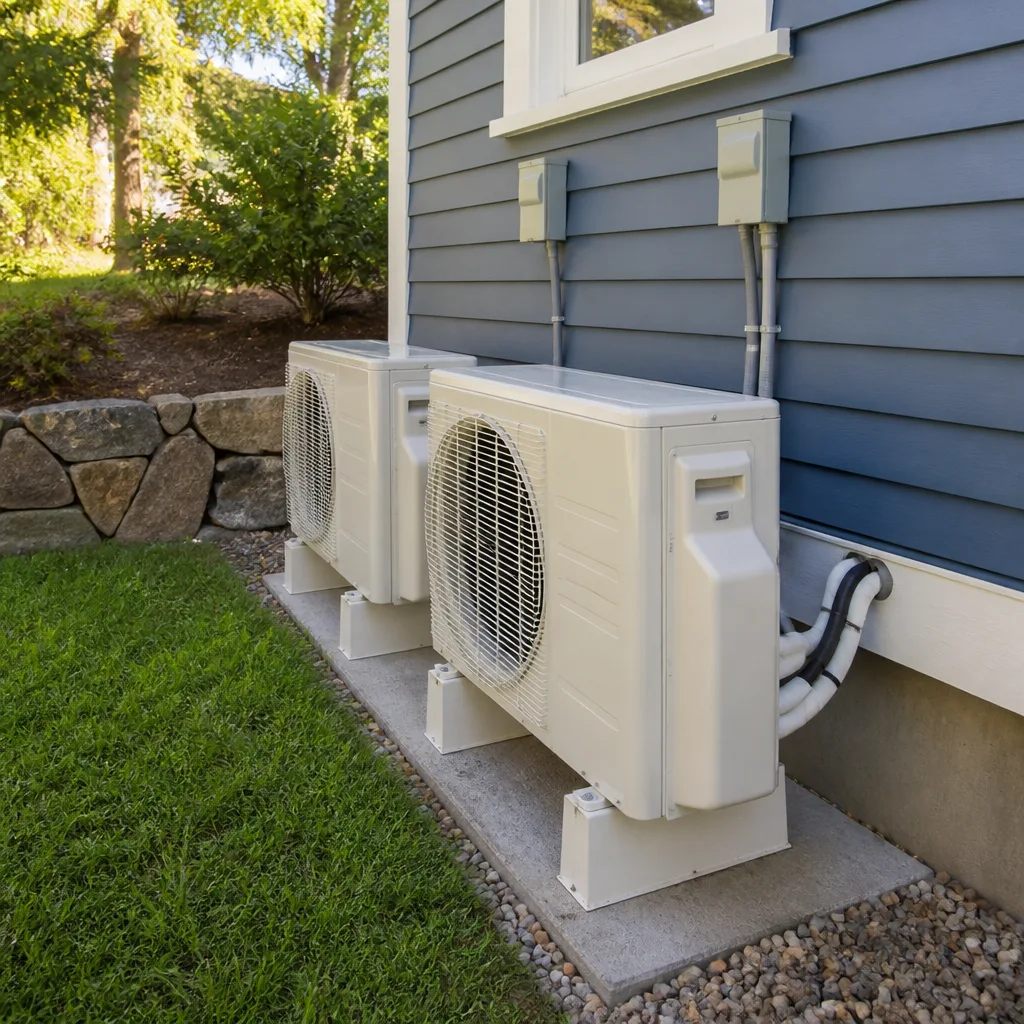 Ductless mini splits
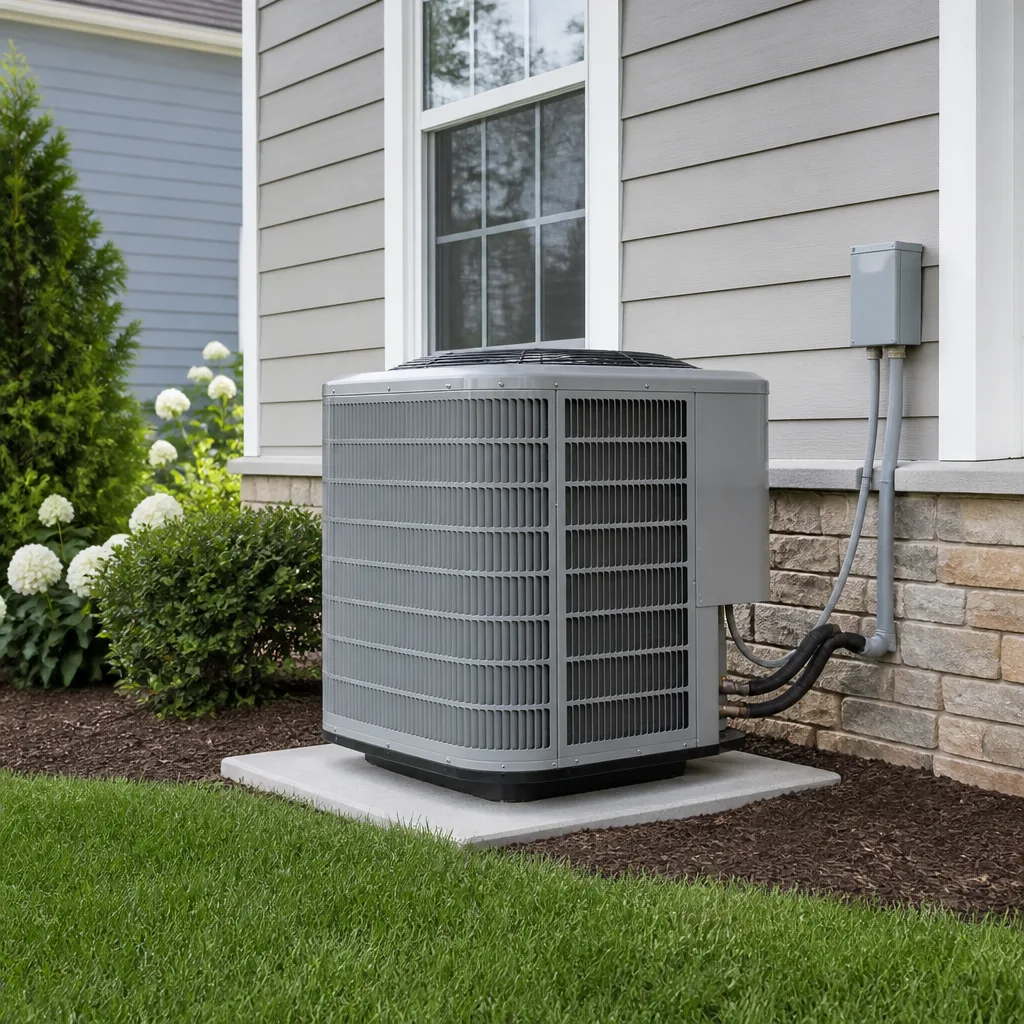 Carrier
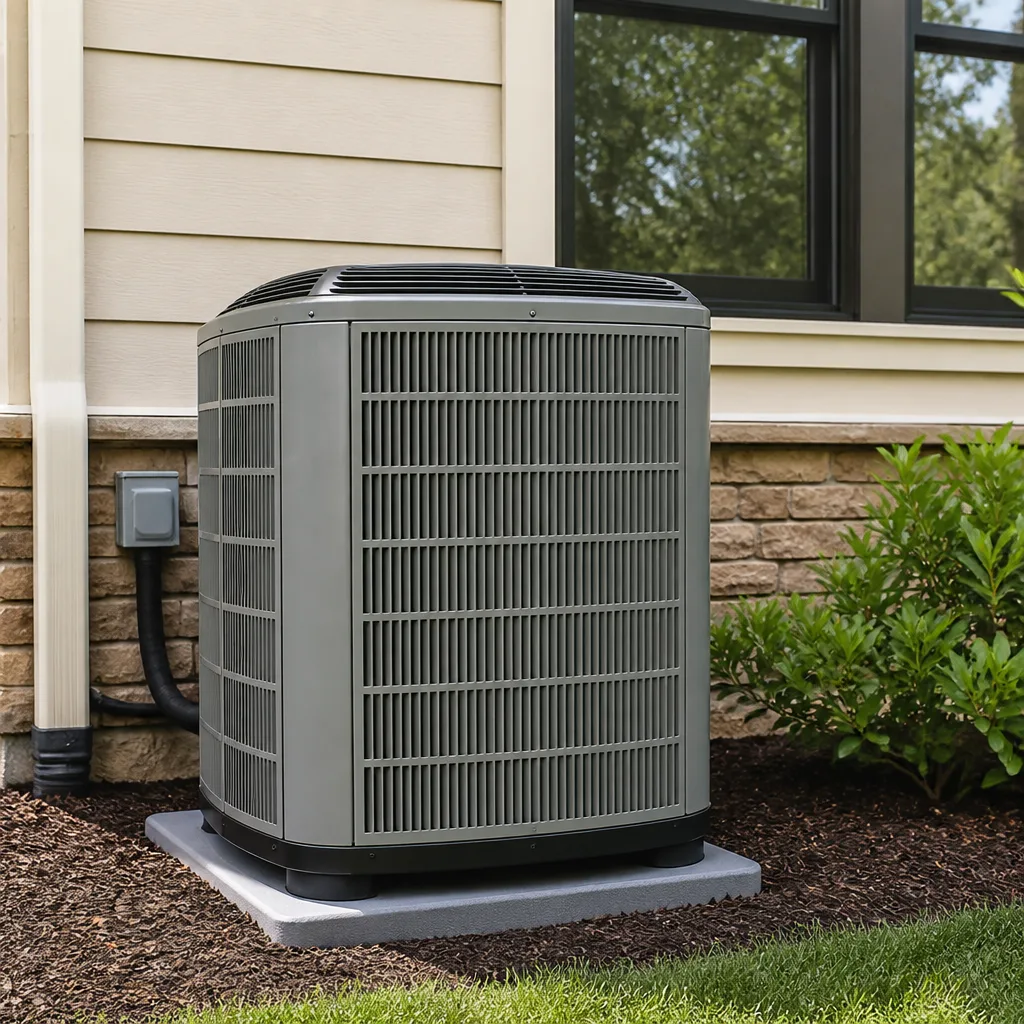 Trane
Trane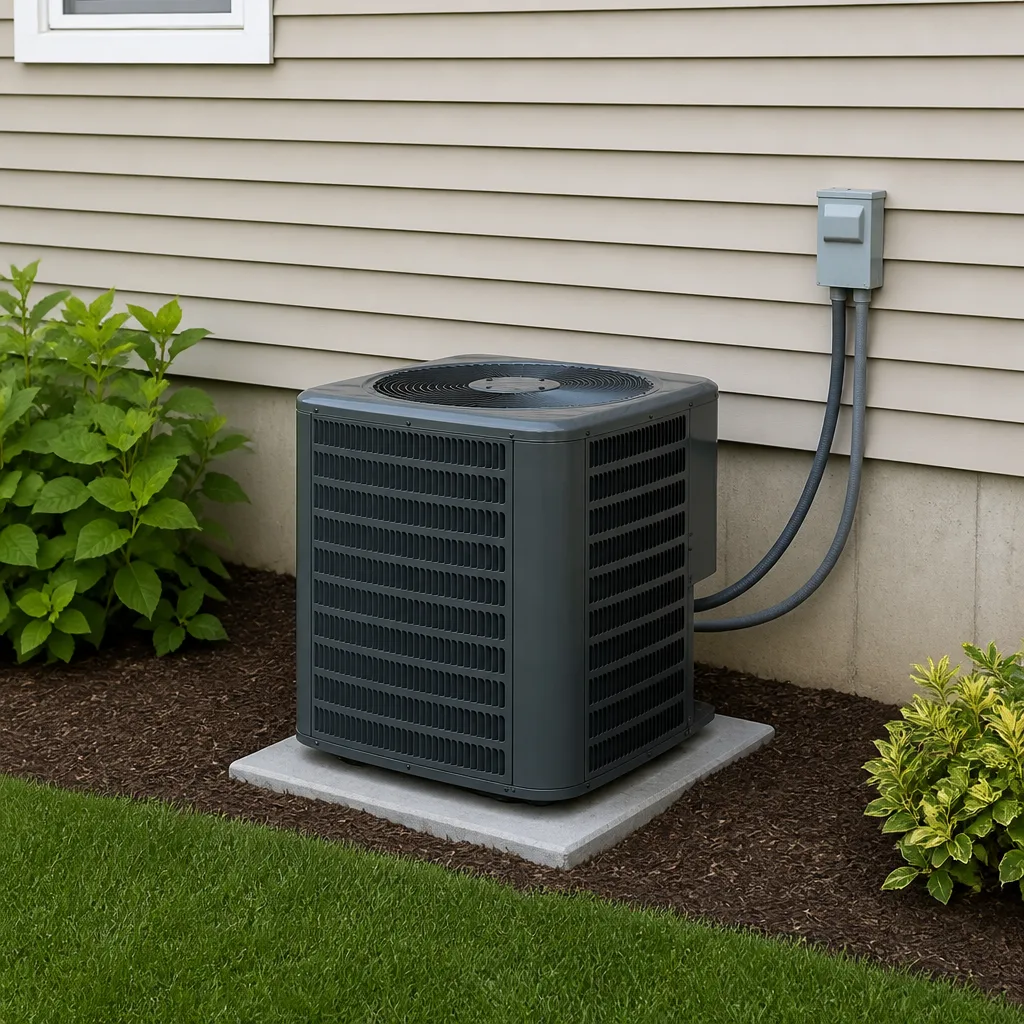 Goodman
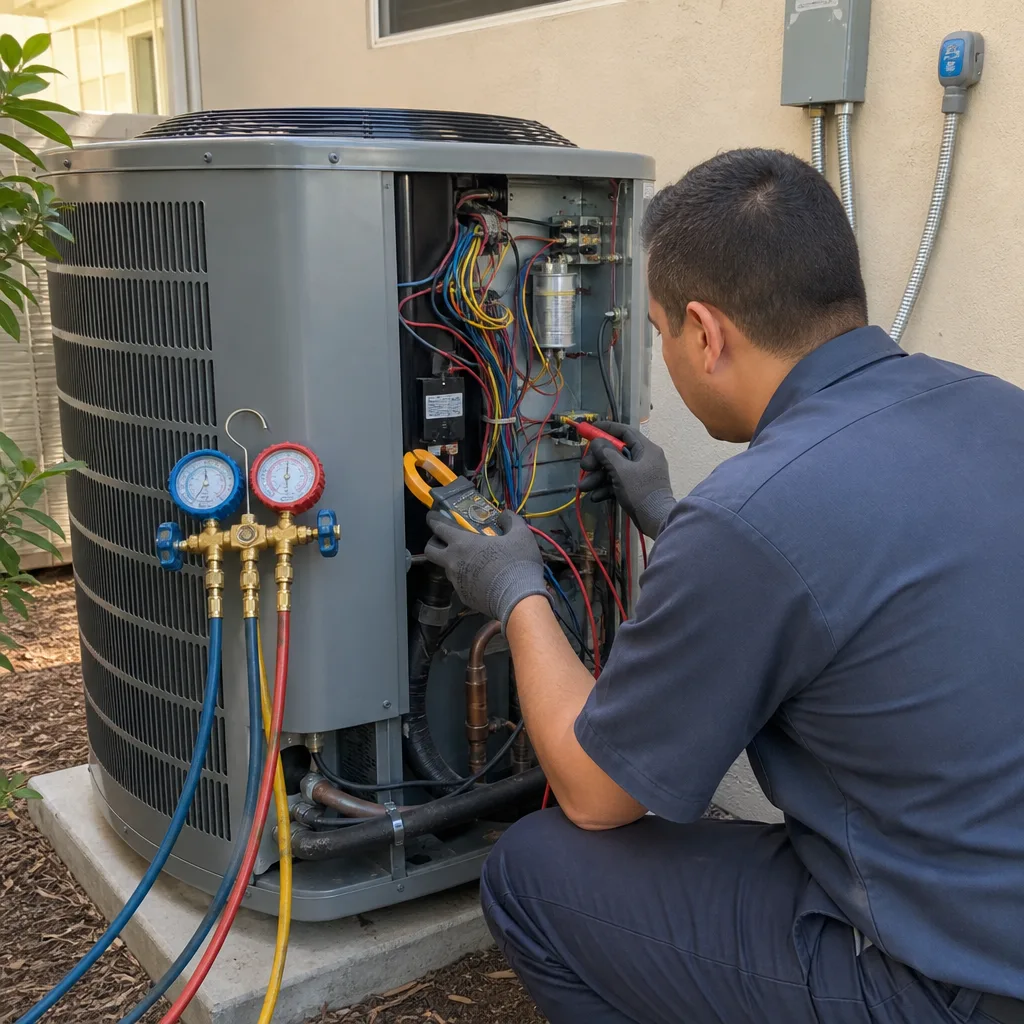
Seasonal tune-up and full diagnostic on your Carrier, Trane, or Goodman system - readings shown to you before any repair is proposed
Diagnosis first, numbers second - you approve the repair price before a single part goes in.
Get your free estimateSeasonal HVAC Care for San Jose: Year-Round Homeowner’s Guide
The worst time to discover your AC capacitor is failing is 4 p.m. on the first 95-degree day in late May. That same capacitor costs $35 in parts and roughly 20 minutes to replace in March. It costs $250 and a same-day emergency rate when the house is already at 85°F and every HVAC company in San Jose is booked solid. This guide walks you through the two real stress seasons for San Jose heating and cooling systems, the two quiet windows when preparation should actually happen, and the specific maintenance steps that keep a system running through everything from wildfire smoke to January cold snaps. For a deeper dive, see our Complete Guide to HVAC in San Jose.
Styles & brands we work with
Quick Answer
Seasonal HVAC care in San Jose comes down to two preparation windows: March through April for cooling season, and October through November for heating season. Schedule a professional tune-up during each window, replace filters more aggressively during wildfire smoke season (checking monthly from June through November), and keep a written log of every service visit, part replacement, and technician note. This routine prevents most mid-season failures and catches small problems before they become emergency calls. For a detailed breakdown of what to check, see our AC Repair Maintenance Checklist for San Jose Homeowners.
Table of Contents
- The Two-Season Stress Model of San Jose HVAC
- The Four Quietest Service Weeks in the South Bay
- Cooling Season Prep: March Through April
- Filter Strategy for San Jose’s Wildfire Smoke Season
- San Jose’s False Fall: September and October Heat Events
- Heating Season Prep: October Through November
- The Written Maintenance Log: A Simple System That Pays for Itself
- Common Mistakes to Avoid
- When to Call a Professional
- Frequently Asked Questions
- The Bottom Line
Key Takeaways:
- San Jose HVAC systems fail during two predictable windows: the first heat surge of May or June, and the cold snaps of December and January.
- The best time to schedule maintenance is when demand is lowest. For the South Bay, that means early March, mid-April, late September, and early November.
- Wildfire smoke season requires a different filter strategy than the standard 90-day replacement rule.
- A written log of service dates, part numbers, and technician notes is the single most underused tool for extending system life and avoiding repeat failures.
- If a repair is done right, it should carry a written guarantee. If it is not in writing, you are taking someone’s word for it.
The Two-Season Stress Model of San Jose HVAC
Most national HVAC guides divide the year into four equal seasons. That model does not fit San Jose. Our climate has two real stress seasons and two quiet windows. Understanding this pattern is the foundation of everything else in this guide.
Stress season one: the cooling surge. This runs from May through October, with the sharpest spike in late May and early June when the first sustained heat arrives. For several months before that first heat wave, most systems have been idling. Capacitors weaken when they sit unused, condenser coils collect pollen and dust from San Jose’s spring bloom, and refrigerant levels drop gradually without anyone noticing. When the first 90-degree day hits, every weak point fails at once across the South Bay. Emergency call volume doubles or triples in a single week. The systems that survive are the ones that were inspected and serviced in March or April.
Stress season two: the heating surge. This runs from December through February. San Jose winters rarely drop below freezing, but homes in neighborhoods like Willow Glen, Almaden Valley, and Berryessa still cycle their furnaces for several hours each evening and overnight. Gas valves stick, igniters crack, flame sensors coat over, and heat exchangers that have been running for 15 winters may finally show the strain. Because furnaces sit completely unused from March through November, small problems accumulate in silence and announce themselves on the first cold night.
The two quiet windows: March-April and October-November. During these stretches, neither heating nor cooling is running hard. Technicians have open schedules, parts are in stock, and diagnostic work happens on your timeline rather than the system’s timeline. A tune-up in these windows costs roughly $100 to $200 for a standard residential system in the San Jose market. The same visit as an emergency call often costs $250 to $400 before any repair work is even done.
The Four Quietest Service Weeks in the South Bay
In our experience handling AC repair in San Jose since 2003, demand follows a predictable curve. The quietest weeks are not random. They fall in predictable gaps between weather patterns and holiday disruptions.
Here are the four quietest weeks for HVAC scheduling in the San Jose area, and why they matter for your budget.
- First full week of March. The winter heating rush has ended, and the summer cooling spike has not started. Parts warehouses are fully stocked. Technicians are running on-time schedules, not bouncing between emergency calls. If you schedule a tune-up the first week of March, you will almost always get your first-choice appointment window.
- Third week of April. Spring break travel reduces demand further. The weather is mild enough that a few hours without heating or cooling does not matter, so any necessary repairs can be done the same week rather than rushed. This is the last quiet window before the first heat event of late May.
- Last week of September. Summer cooling demand has faded, and the heating surge is months away. This window is especially useful because it sits after the worst of the wildfire smoke season, meaning a technician can inspect the full system, check the blower motor for accumulated grime, and reset the system for fall.
- First week of November. Before Thanksgiving and before the first real cold snap. Furnaces get their pre-season inspection, gas connections get checked for leaks, and any repairs are completed during weeks when homeowners are not yet desperate for heat.
One more point about these windows: pricing is most predictable when demand is low. During an emergency surge, you pay a premium for speed. During these quiet weeks, the work gets scheduled, quoted up front, and completed without overtime pressure. That is why we recommend homeowners think of HVAC maintenance the way they think of dental cleanings: schedule them on a calendar, not when something hurts.
Cooling Season Prep: March Through April
The goal of cooling season prep is simple: make the system fail in March if it is going to fail, rather than in May. A system that fails during a scheduled service visit is an inconvenience. A system that fails during a heat wave is a safety issue. Here is the prep sequence we recommend for San Jose homeowners.
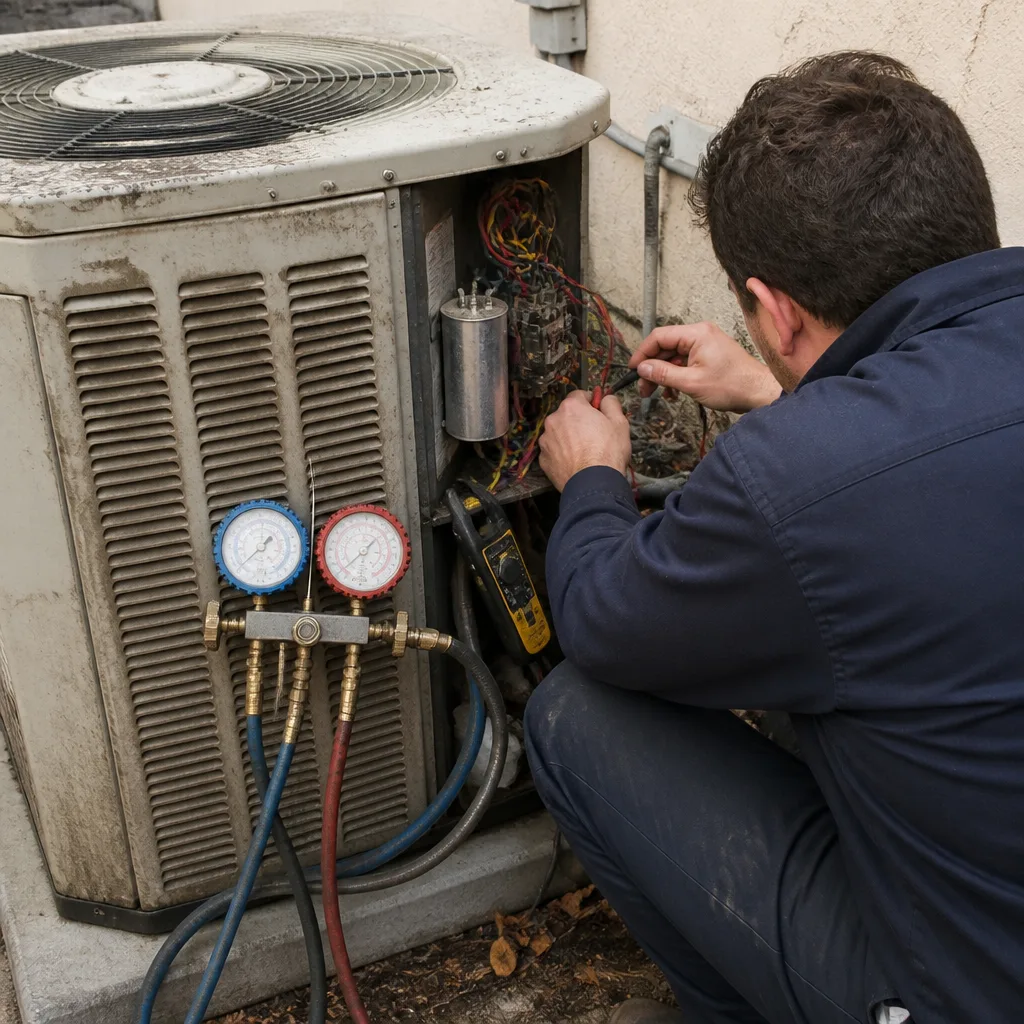
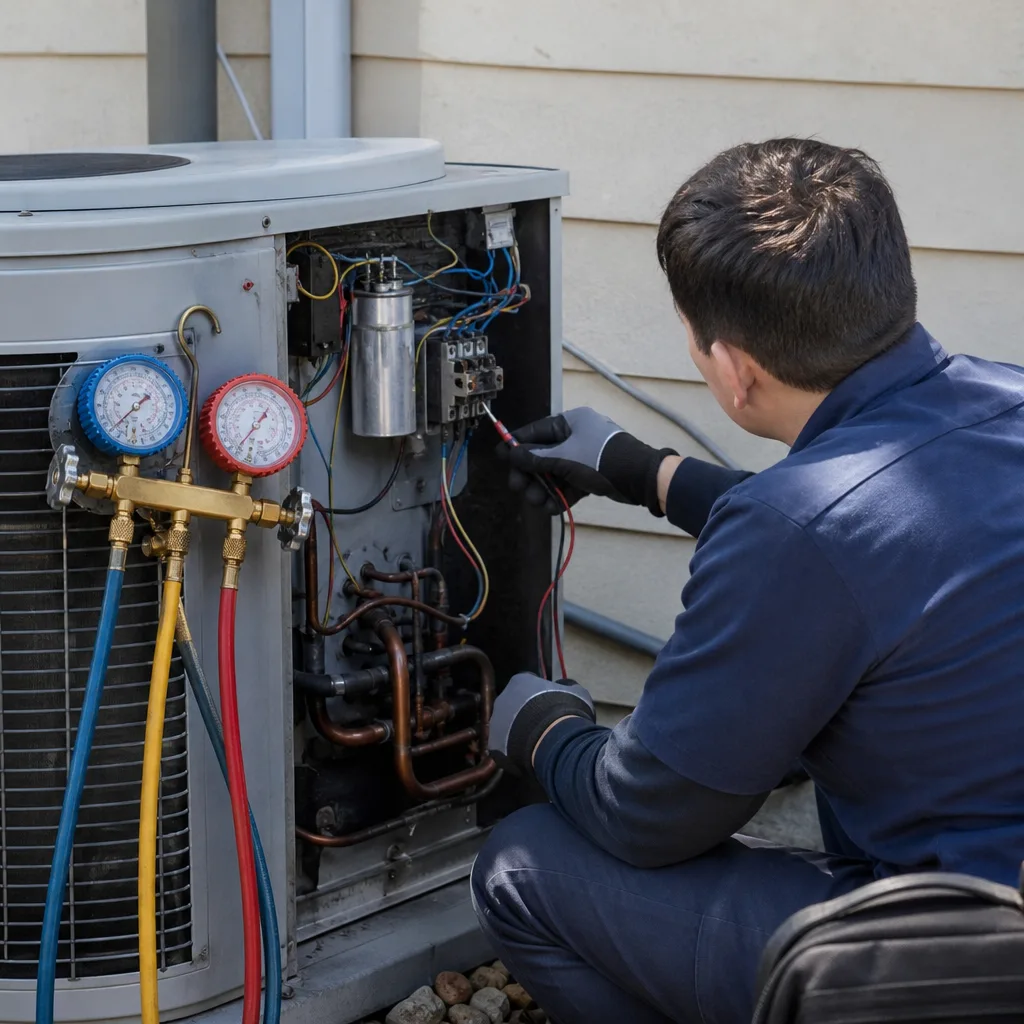
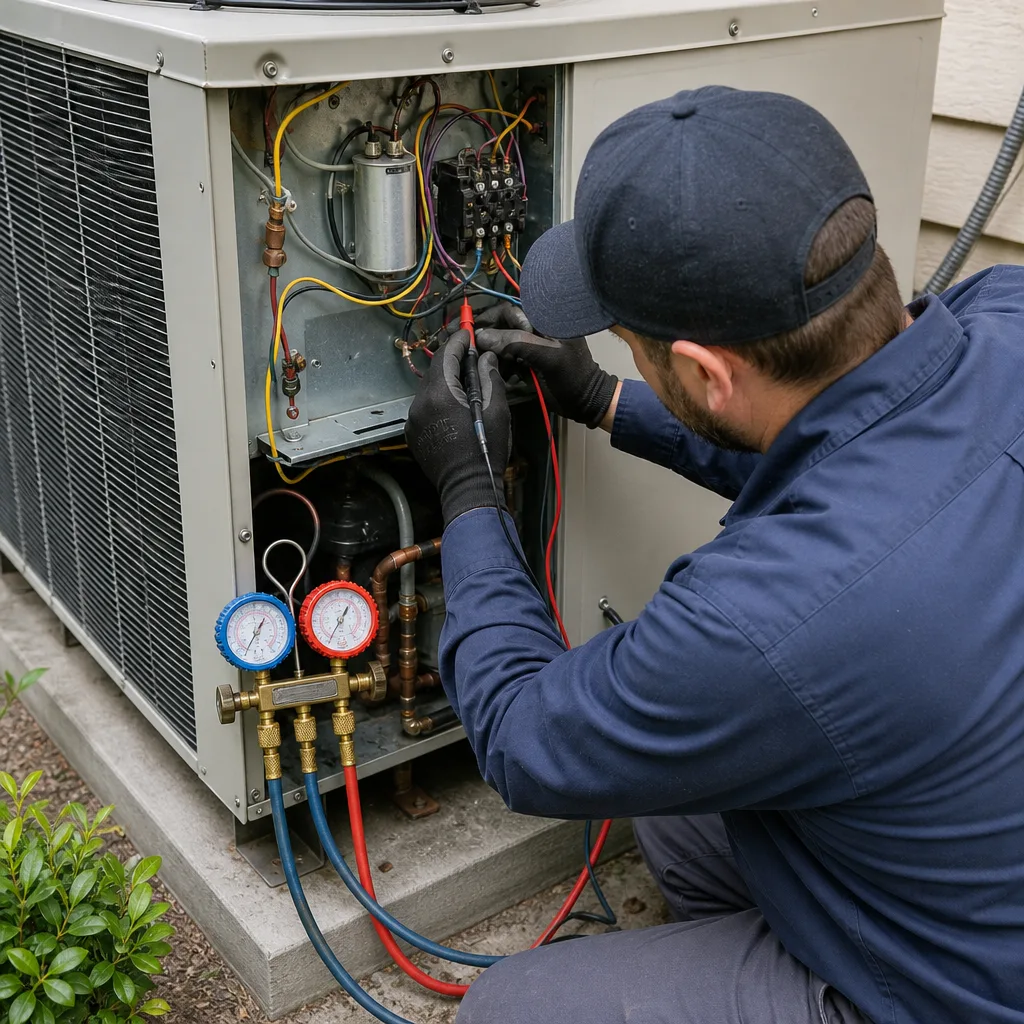
- Schedule a full cooling system inspection. The technician should check the capacitor, contactor, condenser fan motor, compressor amp draw, refrigerant charge, and thermostat calibration. Each item has a specific failure mode, and each failure mode has a specific symptom. A capacitor that reads low will fail within weeks. A contactor with pitted contacts will stick or arc. These are $20 to $60 parts that cost $200 to $400 to replace on an emergency basis if they fail during a heat event.
- Clean the outdoor condenser coil. San Jose’s spring brings pollen, dust, and cottonwood debris. A dirty condenser coil forces the compressor to work harder, raises energy use by 10 to 30 percent, and shortens the compressor’s life. The cleaning is straightforward for a technician: the unit gets shut down, the coil gets washed with a specific cleaning solution, and the fins get inspected for damage.
- Replace the air filter, even if it looks clean. Filters in San Jose accumulate more than visible dust. Pollen, construction particulate, and early-season smoke all load the filter. A clogged filter restricts airflow, freezes the indoor coil, and eventually damages the compressor. A standard 1-inch filter costs $10 to $25 and should be checked monthly during pollen season.
- Verify the thermostat schedule matches your actual routine. Many San Jose homes still run a programmable thermostat on a schedule set years ago. If your cooling demand has changed, or if you have changed work patterns, resetting the schedule can cut cooling costs by 10 to 15 percent while keeping the house comfortable.
- Run the system for 30 minutes with the technician still on site. This catches issues that only appear under load: rattles, airflow problems, condensation leaks, and strange smells that indicate mold in the pan or ductwork.
For homeowners with newer systems, cooling season prep is mostly inspection and minor adjustment. For systems over 10 years old, this is the window where AC installation in San Jose quotes happen. If the technician identifies a refrigerant leak, a failing compressor, or heat exchanger damage (on a heat pump), March is the time to get a written replacement quote. You will have months to decide rather than days.
Filter Strategy for San Jose’s Wildfire Smoke Season
The standard advice from filter manufacturers is to replace a 1-inch filter every 90 days. That advice was not written for San Jose. Our wildfire smoke season, which runs roughly from June through November, changes the math.
During a significant smoke event, when the Air Quality Index (AQI) pushes into the orange, red, or purple zones, a standard MERV 8 fiberglass filter can load with particulate in two to three weeks. The filter does not just get slightly dirty. It becomes a visible gray or brown mat, and airflow drops measurably. The system works harder to pull air through, the evaporator coil runs too cold, and in the worst cases, the coil freezes over. The compressor then runs against a blocked refrigerant line, and that is how a $15 filter becomes a $1,800 compressor.
Here are the AQI thresholds we recommend using as a trigger for early filter checks in San Jose:
- AQI under 50 (green): normal replacement schedule applies. Check monthly, replace every 60 to 90 days for a standard 1-inch filter.
- AQI 51 to 100 (yellow, moderate): check the filter every two weeks during this period. If the filter shows visible gray discoloration, replace it early.
- AQI 101 to 150 (orange, unhealthy for sensitive groups): check the filter weekly. Consider upgrading to a MERV 11 or MERV 13 filter for the duration of the event.
- AQI above 150 (red or purple): replace the filter at the start of the event if it has any visible loading. Replace again when the AQI drops back below 100. Run the fan in “on” mode rather than “auto” to continuously scrub indoor air.
One note on MERV ratings. A higher MERV number means finer filtration, but it also means more resistance to airflow. Some older systems cannot handle a MERV 13 filter without dropping airflow enough to cause problems. If your system is older than 12 to 15 years, or if you notice the system running longer or the airflow feeling weak after adding a high-MERV filter, drop back to MERV 8 or MERV 11 and consider supplementing with a standalone air purifier. The filter’s job is to protect the HVAC system and keep indoor air reasonably clean, not to solve a region-wide smoke event on its own.
San Jose’s False Fall: September and October Heat Events
There is a stretch in September and October when San Jose gets several weeks of mild, almost-autumn weather. Nighttime temperatures dip into the 50s, mornings are crisp, and homeowners start thinking about furnace season. Then the pattern shifts, and a high-pressure ridge parks over the West Coast for four or five days. The temperature climbs back into the 90s. This is the false fall, and it catches a specific group of homeowners every single year: the ones who already switched their mental toggle to heat mode.
Here is what actually needs to happen during false fall.
- Do not disconnect or disable the cooling system early. In San Jose, October regularly produces 90-degree days. Leave the cooling system fully operational until at least November. The only exception is if you are having a full system replacement, in which case the contractor should leave temporary cooling until the new system is installed.
- If you covered the outdoor condenser unit, uncover it. Some homeowners cover the outdoor unit with a tarp or fitted cover during fall. If a heat event arrives and the system runs with the cover on, the condenser coil cannot reject heat, the compressor overheats, and the system can shut down on thermal overload. At best, you lose cooling. At worst, you damage the compressor.
- Check the filter again. False fall heat events often coincide with the tail end of wildfire season. If the AQI has been elevated, the filter swap that happened in August may already be due again.
- Resist the urge to turn off the system entirely. Systems that sit unused for weeks at a time during hot weather are more likely to have oil settle in the compressor and capacitors weaken further. Running the cooling system for 20 to 30 minutes every couple of weeks, even during mild weather, keeps components lubricated and lets you catch small problems before they become emergency calls.
False fall is also a good moment to evaluate whether the system handled the summer well. If it struggled to hold 78°F during the August heat, if it ran constantly during the afternoons, or if the energy bill spiked above what it should have, those are signals. They mean the system was working harder than it should have been. That information is useful going into heating season, because the same system that struggled to cool in August will often struggle to heat in January if the underlying issue was airflow, refrigerant, or compressor wear.
Heating Season Prep: October Through November
Furnaces in San Jose do not fail in December because of December weather. They fail in December because of what happened or did not happen in October and November. The preparation window matters more than the weather itself.
Here is the heating season prep sequence.
- Schedule a furnace inspection, not just a tune-up. The inspection should cover the heat exchanger (visual inspection for cracks or rust), the inducer motor, the gas valve, the burner assembly, the flame sensor, the igniter or pilot assembly, and the limit switches. Each of these has a specific failure signature. A flame sensor that is lightly coated may work fine in October and fail intermittently in December. An igniter that takes an extra second to glow is wearing out. The inspection is the difference between catching these in November and discovering them on a 38-degree night with a house full of guests.
- Test the system under full load. The furnace should run for 20 to 30 minutes with the technician on site, reaching the set temperature and cycling off normally. Short cycling, unusual smells, delayed ignition, or flame rollout are all red flags that need immediate correction.
- Check carbon monoxide detectors. This is not strictly part of the furnace itself, but it is non-negotiable. Any home with a gas furnace needs functioning CO detectors on every sleeping floor. The sensors expire after 5 to 7 years, and the expiration date is printed on the back of the unit. Replace batteries in the fall and replace the units themselves when they reach their expiration date.
- Inspect the ductwork in accessible areas. Loose connections, crushed flex ducts, and unsealed joints in the attic or crawlspace leak heated air into unconditioned space. In San Jose’s mild winters, a small duct leak will not freeze a house, but it will increase heating costs and make some rooms noticeably cooler than others.
- Ask about the heat exchanger specifically. This is the component where repair versus replace decisions get made. If a heat exchanger is cracked or rusted, the carbon monoxide risk is real, and the repair bill may exceed the value of an older furnace. A written quote for replacement in November gives you weeks to decide in a calm environment. The same discovery in January becomes an urgent decision made under stress.
For homes with heat pumps rather than gas furnaces, the heating prep is similar but focuses on the reversing valve, the outdoor defrost cycle, and the refrigerant charge. Heat pumps are common in newer San Jose construction, especially in townhomes and condos in areas like North San Jose and Evergreen. The same October-November window applies.
If a furnace is over 15 years old, this is also the window to consider furnace repair in San Jose versus replacement. The math changes at that age. A repair that costs $800 to $1,200 on a 16-year-old furnace may keep it running for a year or two, but it is a bet that nothing else fails in that window. A written replacement quote lets you make that decision with the actual numbers in front of you.
The Written Maintenance Log: A Simple System That Pays for Itself
Most San Jose homeowners do not keep a maintenance log for their HVAC system. We understand why. It feels like one more piece of paperwork. But in 20-plus years of working on systems across the South Bay, the homes with a simple written log have consistently lower repair costs and longer system life. Here is what the log actually looks like and why it works.
Keep a simple notebook or a printed sheet near the air handler, usually in the garage, attic, or a closet. On every service visit, whether it is a tune-up, a repair, or an emergency call, write down four things.
- The date of the visit.
- The work performed: what was inspected, what was cleaned, what was replaced.
- The part numbers and brands of anything replaced. Goodman, Rheem, York, Daikin parts all have model numbers stamped or printed on them. Writing down “Goodman run capacitor, part #CAP-45-5” is useful. Writing down “some electrical thing” is not.
- The technician’s name and any notes about what they observed, what might fail next, and what they recommend for the next visit.
Here is a template that takes 30 seconds per visit:
HVAC Service Log - [Address]
--------------------------------------------------
Date: _____________
Technician: _____________  Company: _____________
Work performed: ________________________________
Parts replaced: ________________________________
Part numbers: ________________________________
Notes / next visit recommendations: _____________
Why this pays for itself. First, it catches repeat failures. If a capacitor was replaced in March and the same capacitor fails in September, the log records that. A homeowner with a log can say, “The same part failed twice in six months.” That is a pattern that points to an underlying problem, not a coincidence. Without the log, the second failure looks like a first failure.
Second, it gives you leverage on warranty claims. Manufacturers’ warranties on parts often require proof that maintenance was performed. A log with dates, work descriptions, and part numbers is documentation. If a compressor fails at 4 years into a 10-year warranty, the manufacturer may ask for service records. The log supplies them.
Third, it makes the repair-versus-replace decision concrete. When a 14-year-old furnace needs an $850 repair, the log shows what else has been replaced in the last five years. Two inducer motors, a control board, and a gas valve in five years is a pattern. The next repair should probably be the last one before replacement. Without the log, every repair feels like an isolated event.
Common Mistakes to Avoid
- Waiting for the first hot day to schedule cooling maintenance. By the time the first heat event arrives, every HVAC company in San Jose is handling emergency calls. You will pay more and wait longer, and the technician will be making quick triage decisions rather than doing a thorough inspection.
- Covering the outdoor unit during the fall. Unless major construction or a specific storm event requires it, the outdoor condenser should stay uncovered. Covers trap moisture, create rust conditions, and get forgotten when an October heat wave arrives. If you must cover it, remove the cover at the first hint of warm weather.
- Ignoring the filter during wildfire season. The 90-day rule does not apply when the AQI is consistently above 100. Check the filter every two weeks during smoke events and replace it early if it looks loaded, even if it has only been a month.
- Skipping the fall furnace inspection because “it worked fine last winter.” Gas valves, igniters, and flame sensors fail slowly. The fact that a furnace heated the house last January says nothing about whether it will heat the house this January. These components wear on a schedule, not on a warning system.
- Accepting a repair with no written guarantee. If a technician tells you a repair is guaranteed but will not put it on paper, the guarantee is a hope, not a promise. Get the guarantee in writing every time. If the company will not do that, find another company.
- Running the cooling system on “auto” during smoke events instead of “on.” During elevated AQI, running the fan continuously scrubs indoor air through the filter. It uses more electricity, but it is the difference between a house that smells like smoke and one that does not.
- Assuming a new thermostat will solve all efficiency problems. A smart thermostat is useful, but it cannot fix a dirty coil, a low refrigerant charge, or a duct leak. Address the system first.
When to Call a Professional
Some HVAC work is genuinely doable for a careful homeowner: changing a filter, checking the thermostat, keeping the outdoor unit clear of leaves and debris. Other work requires a trained professional, and attempting it without the right knowledge and tools creates real hazards. Our DIY vs Professional HVAC: The San Jose Homeowner’s Decision Guide breaks down exactly where to draw the line. High-voltage capacitor discharge can deliver a severe shock. Refrigerant handling requires EPA Section 608 certification. Gas valve adjustments can create carbon monoxide risks if done wrong. Heat exchanger inspection requires tools and training that most homeowners do not have.
Call a professional if you hear buzzing or clicking from the outdoor unit but the fan will not start, if the system trips a breaker repeatedly, if you smell gas or burning odors, if there is water pooling around the indoor unit, if the AC cannot hold temperature on a moderate day, or if the furnace short-cycles on and off repeatedly. These are not signs to watch and wait. If you are in San Jose, Cold Harbour Heating and Air San Jose offers free estimates on repair and replacement, with a written price before any work begins. Call (669) 800-4179 and a real person will answer, day or night.
Frequently Asked Questions
Twice a year: once in March or April for cooling season, and once in October or November for heating season. This schedule matches San Jose’s actual weather pattern of a summer cooling surge and a winter heating surge, with mild weather in between. Skipping one of these windows means the system runs through a full season without an inspection, and that is when small problems become emergency calls.
Most San Jose-area tune-ups run $100 to $200 for a standard residential system, depending on system type and accessibility. Heat pumps cost slightly more to service because the technician must check both heating and cooling functions. The tune-up price is a fraction of what an emergency visit costs during a heat wave or cold snap. Call (669) 800-4179 for an exact quote on your system; estimates are free.
Yes. During elevated AQI periods, a standard filter can load in two to three weeks instead of two to three months. The filter is the HVAC system’s first line of defense against wildfire particulate, and a clogged filter reduces airflow, overcools the coil, and increases strain on the compressor. Check filters every two weeks when the AQI is above 100, and replace early if the filter looks loaded.
January through April is the best window for replacement. Demand is low, install crews are running on normal schedules, and you will have time to compare written quotes without pressure. Many homeowners replace systems in May after the first heat event, but that is also when install schedules compress and equipment availability tightens.
Short-cycling in fall is usually a safety control doing its job. A dirty flame sensor, a failing limit switch, or a blocked condensate line (on high-efficiency furnaces) can all prevent the furnace from staying lit. The system cycles on and off to protect itself. The fix often costs $100 to $200 if caught in October, but it becomes a no-heat emergency if ignored until December. Call a professional to diagnose the specific cause.
Yes, and it takes less than one minute per service visit. The log records dates, work performed, part numbers, and technician notes. It catches repeat failures, supports warranty claims, and makes the repair-versus-replace decision much clearer when a 15-year-old system needs an expensive repair. A simple notebook near the air handler is all it takes.
Turn the system off to prevent further damage, close the blinds on south- and west-facing windows, run ceiling fans, and call a professional. Keep the thermostat set no lower than 80°F until the system is checked. If you need someone in San Jose, Cold Harbour Heating and Air San Jose has live-person phone coverage 24 hours a day, every day of the year. Call (669) 800-4179 and we’ll get a technician to you as fast as the schedule allows.
The Bottom Line
San Jose’s HVAC failures follow a pattern. They cluster in the first heat surge of late May and the first cold snap of December, and they almost always trace back to maintenance that was skipped during the quiet windows before them. The fix is not complicated: schedule a professional tune-up every March and every October, replace filters more often during wildfire smoke season, prepare for the false fall heat events of September and October, and keep a written log of everything that happens to the system. Homeowners who follow this routine spend less on repairs, replace equipment less often, and avoid the 4 p.m. emergency call on the first 95-degree day. The system works if you work the system.
Cold Harbour Heating and Air San Jose has served San Jose since 2003. Every repair carries the 365-Day Done Right Promise, a written guarantee that if the repair fails within a full year, we come back and make it right at no charge. Every job starts with a written price before any work begins. Every phone call is answered by a live person, 24 hours a day, 7 days a week. Call (669) 800-4179 for a free estimate, and we’ll put the price in writing before a single tool comes out of the truck.
Written by Victor Mancini, Owner at Cold Harbour Heating and Air San Jose, serving San Jose since 2003.
See the difference
 Before
 After
After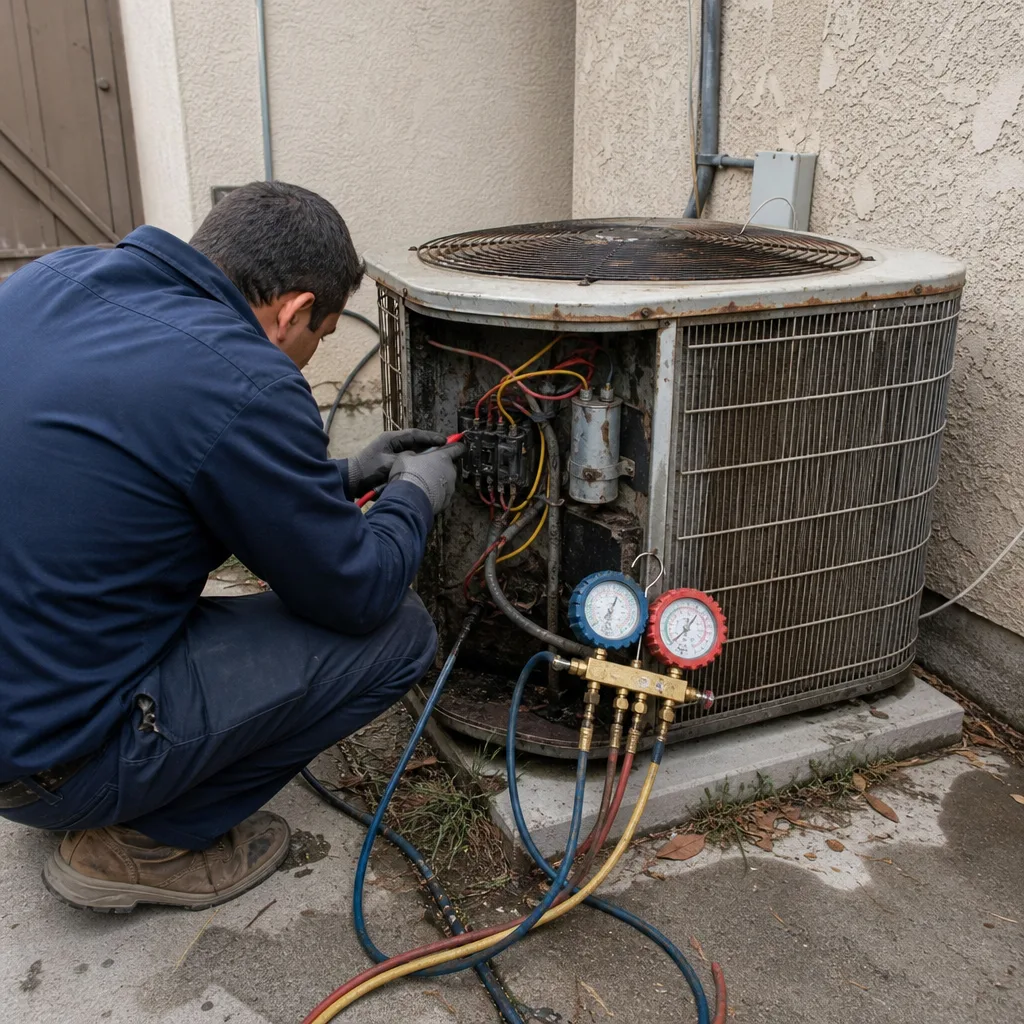 Before
 After
After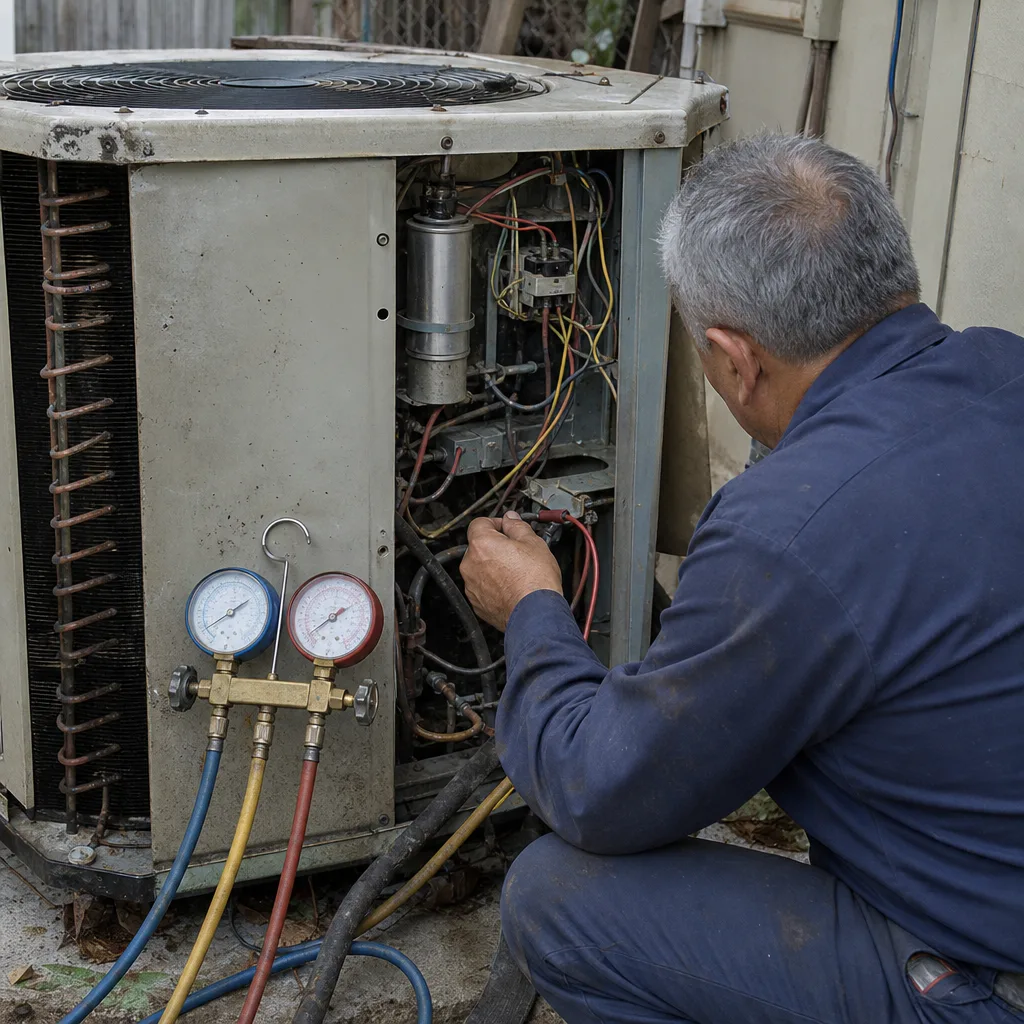 Before
 After
After