
Last updated October 16, 2026
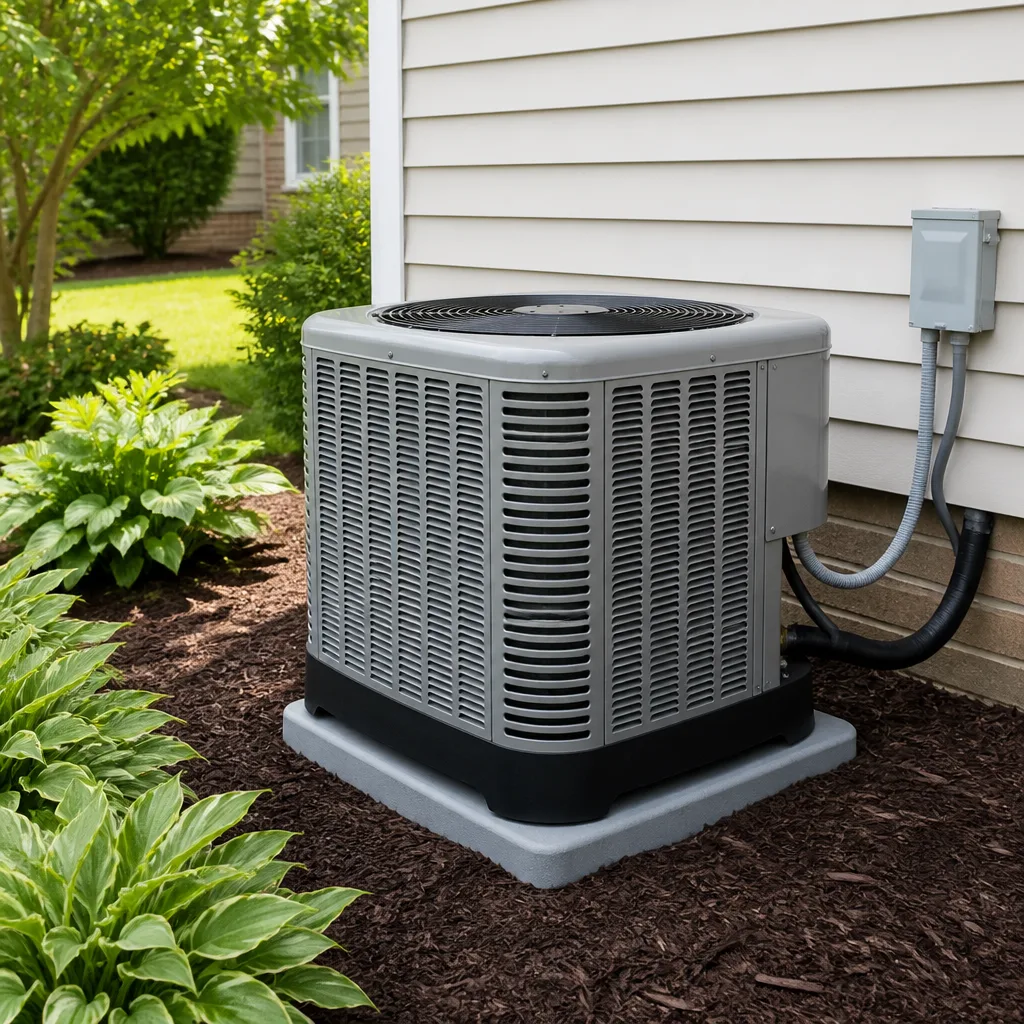 AC repair
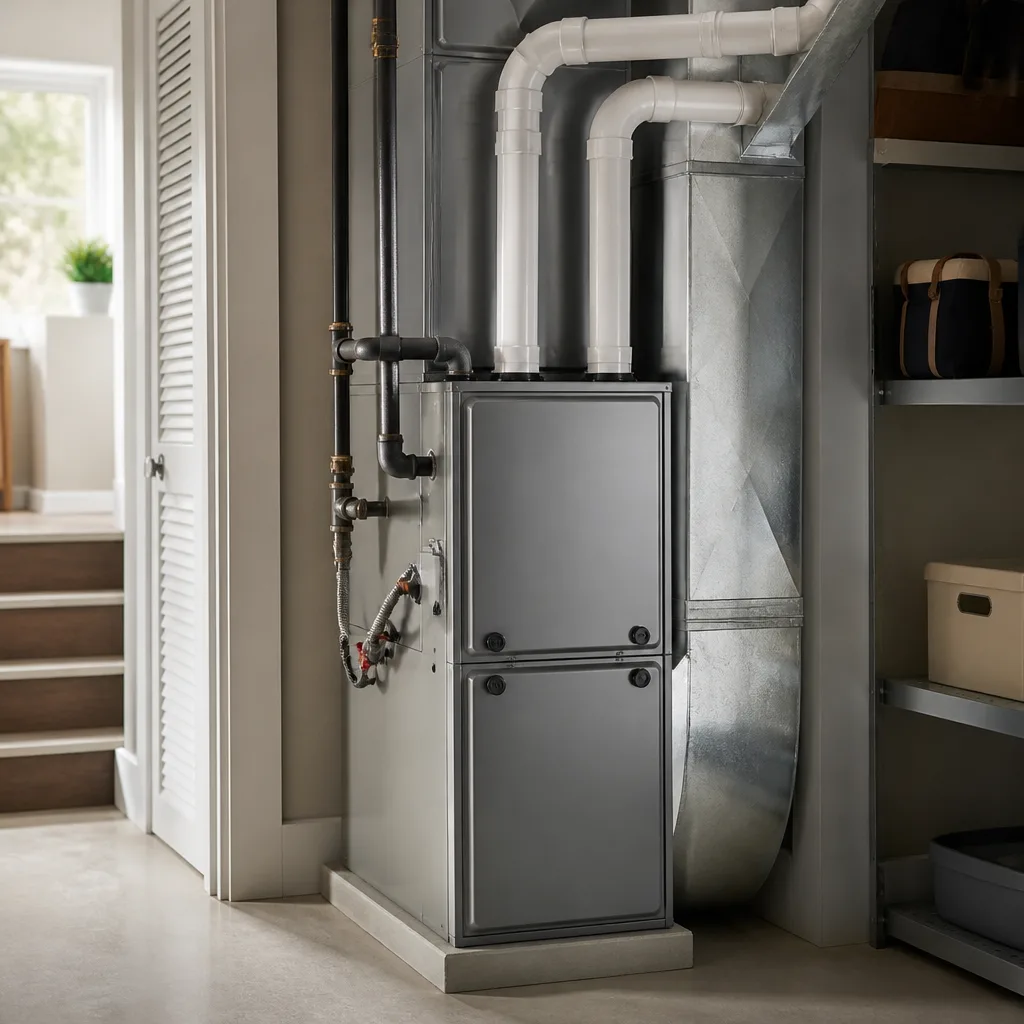 Furnace & heating
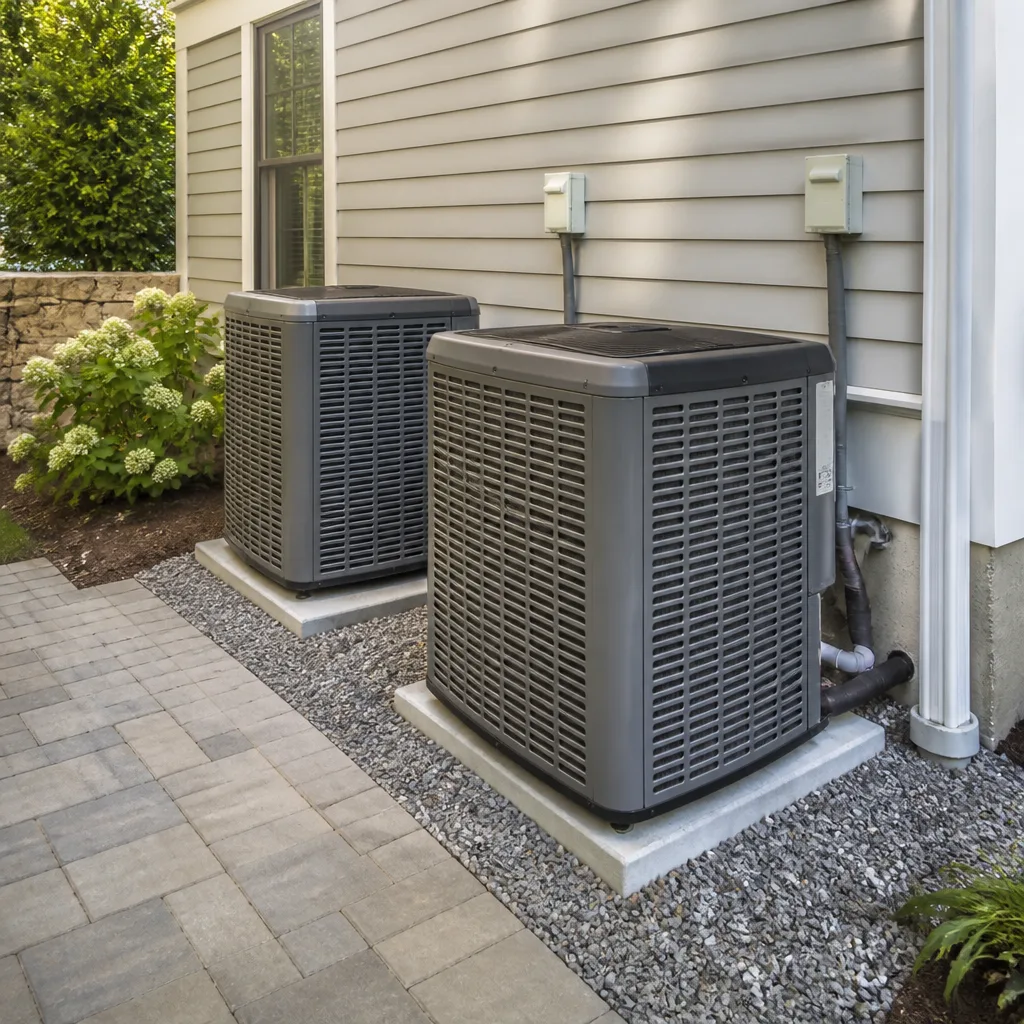 Heat pumps
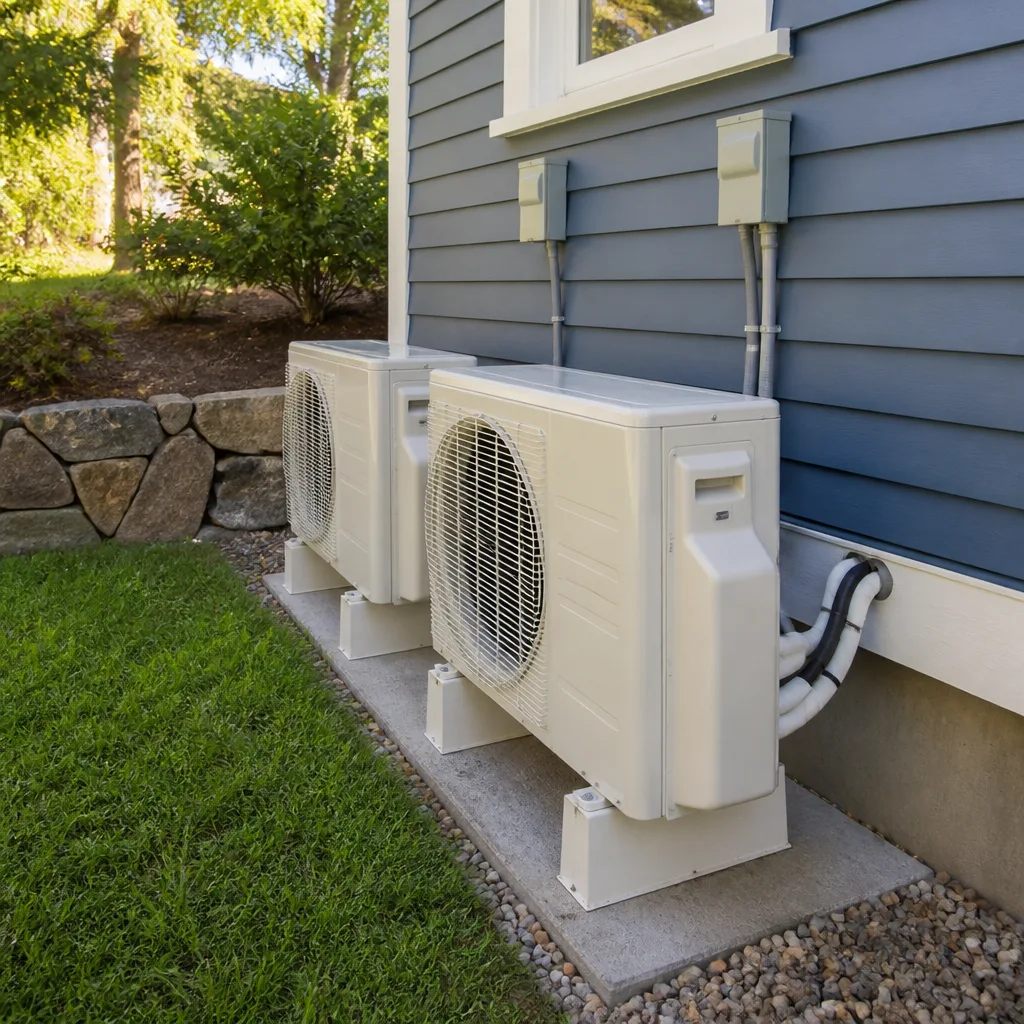 Ductless mini splits
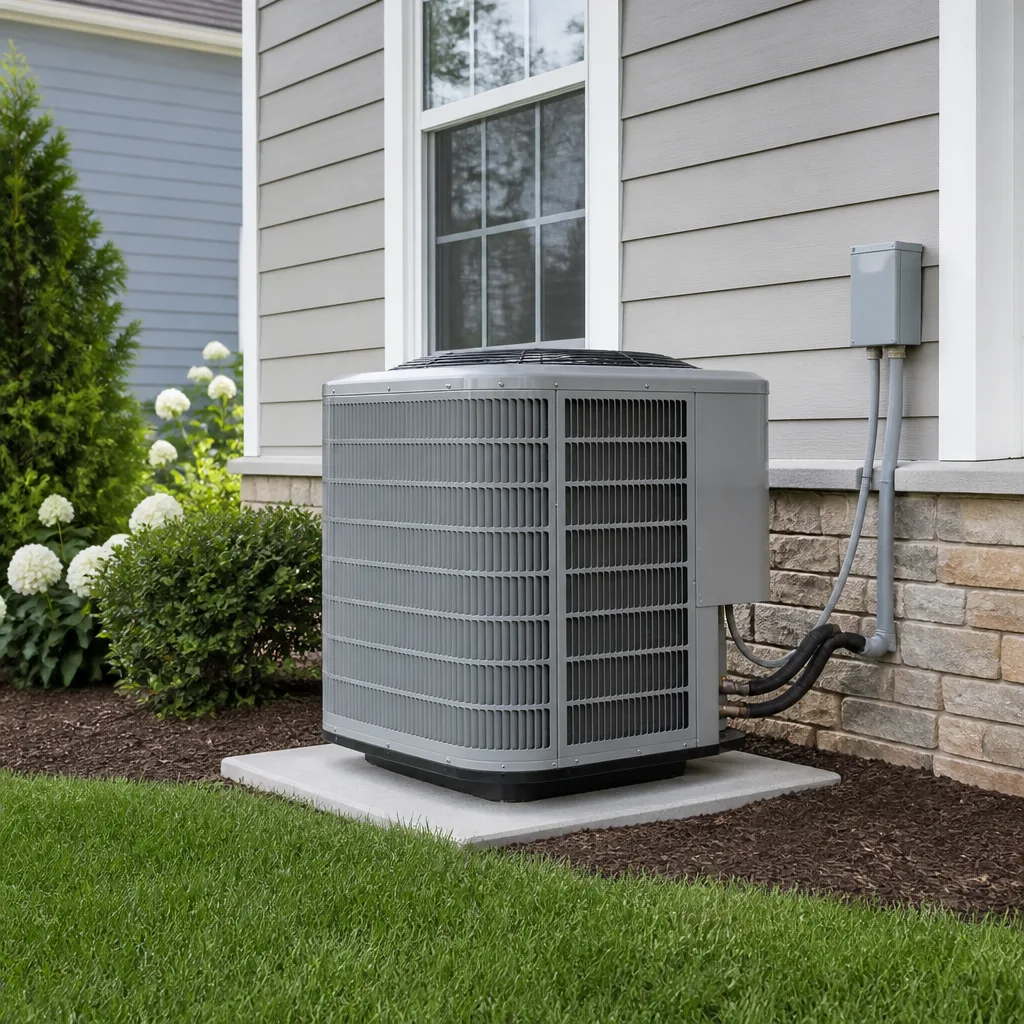 Carrier
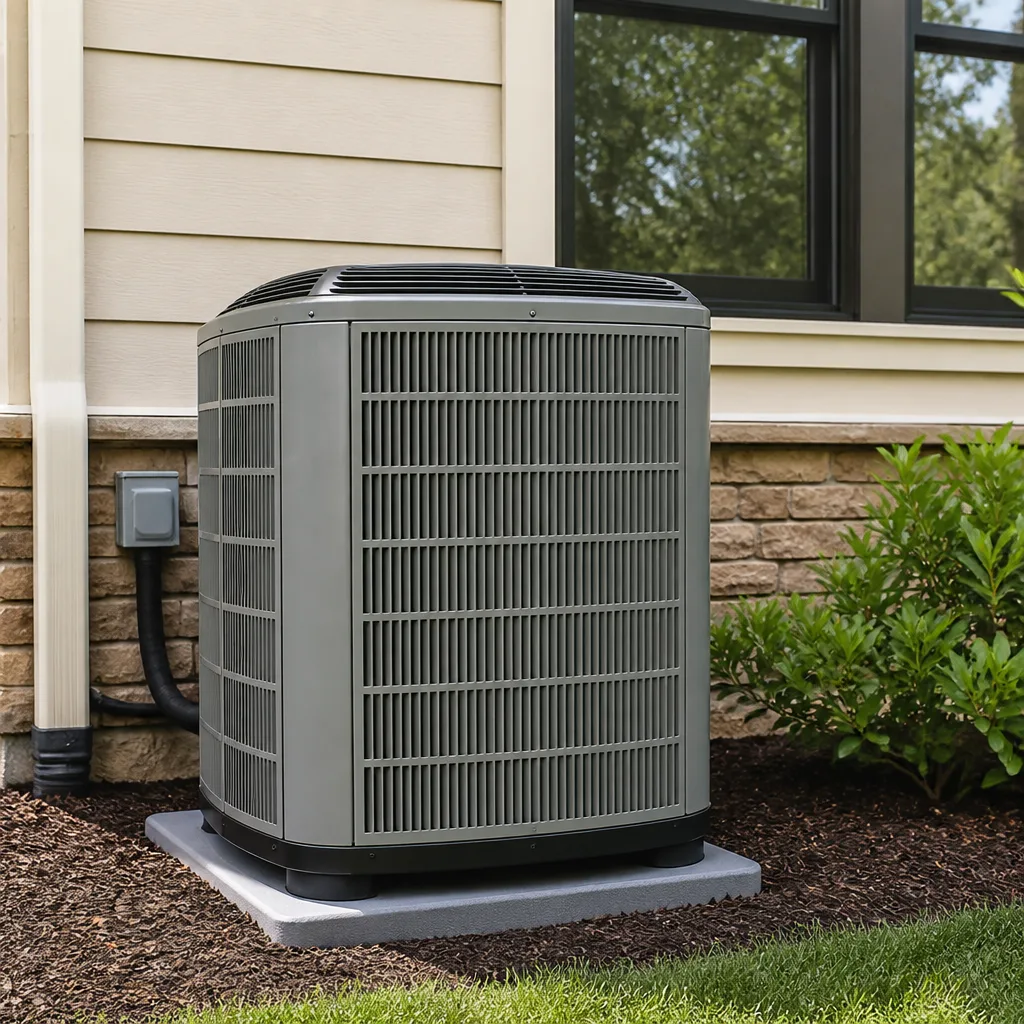 Trane
Trane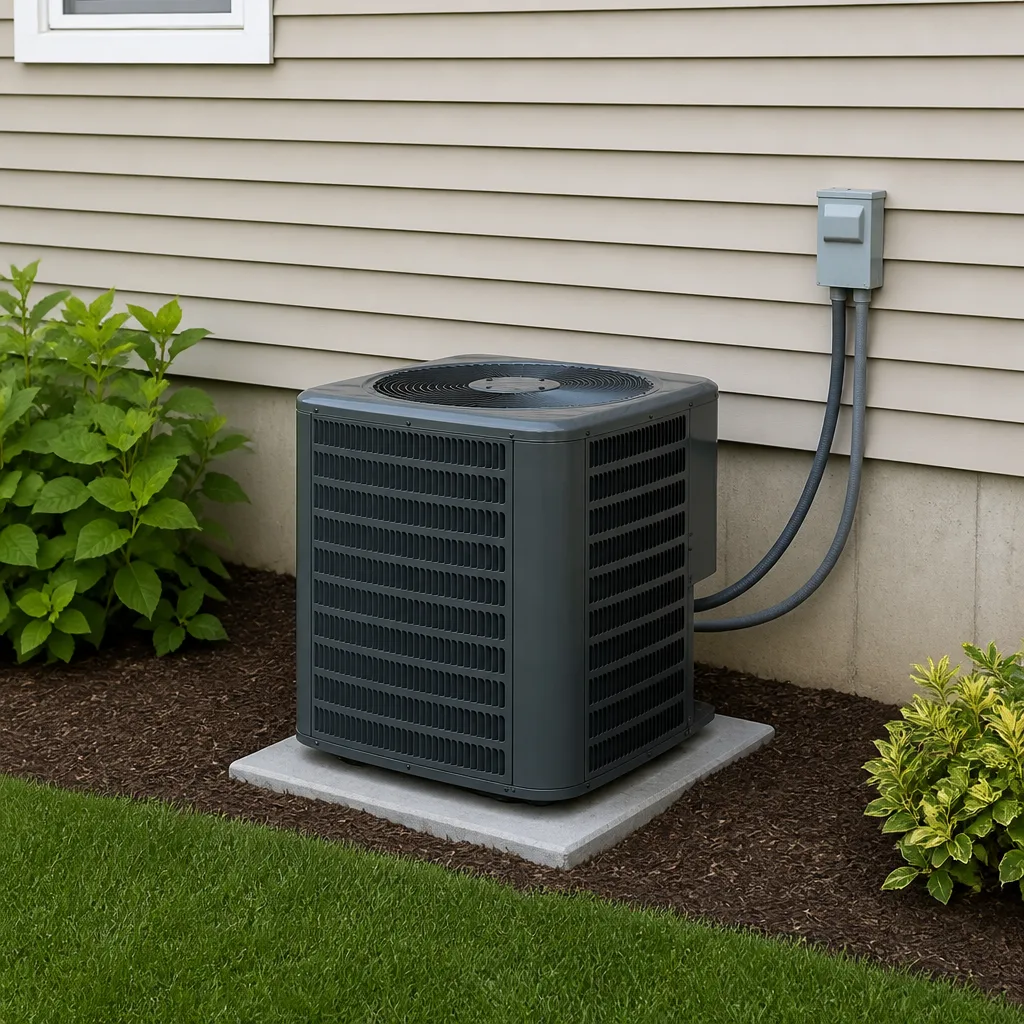 Goodman
Seasonal tune-up and full diagnostic on your Carrier, Trane, or Goodman system - readings shown to you before any repair is proposed
Diagnosis first, numbers second - you approve the repair price before a single part goes in.
Get your free estimateDIY vs Professional HVAC: The San Jose Homeowner’s Decision Guide
Replacing your own air filter: legal, easy, recommended. Adding refrigerant yourself: a federal Clean Air Act violation with fines up to $44,539 per day. Most San Jose homeowners have no idea the line falls where it does. This guide maps the exact boundary between what you can safely do with a screwdriver and a Saturday morning, and what California law, manufacturer warranties, and your homeowner’s insurance policy say you must leave to a licensed professional. We’ll cover six tasks you should absolutely do yourself, the hidden costs of failed DIY attempts, and how to describe what you’ve already tried so a technician can fix it faster and cheaper.
Quick Answer
San Jose homeowners can safely handle six HVAC maintenance tasks themselves: air filter replacement, thermostat battery changes, outdoor unit clearing, register cleaning, drain line flushing, and smart thermostat installation. Everything involving refrigerant, electrical components, gas lines, or sealed system parts belongs with a licensed professional. The dividing line isn’t about skill: it’s about EPA Section 608 certification, California mechanical code, manufacturer warranty terms, and insurance liability. Cross that line and a $40 saved service call can become a $6,000 compressor replacement your warranty won’t cover.
Styles & brands we work with
Table of Contents
- The Legal Line: What California and Federal Law Actually Reserve for Professionals
- Warranty vs. Home Warranty vs. Insurance: The Three-Way Conflict
- Six HVAC Tasks San Jose Homeowners Should Do Themselves
- The Hidden Cost of a Failed DIY Attempt
- The Information Handoff: How to Describe DIY Work You’ve Already Done
- What Makes San Jose HVAC Work Different: Climate, Code, and Market
- Tools and Parts: What’s Worth Owning in San Jose
- Common Mistakes to Avoid
- When to Call a Professional
- Frequently Asked Questions
The Legal Line: What California and Federal Law Actually Reserve for Professionals
The first thing to understand is that HVAC work splits into two distinct categories. The first category is maintenance work you can legally perform on equipment you own. The second category is regulated work that requires certification, licensing, or both. The line between them is drawn not by difficulty but by law.
Refrigerant handling falls under EPA Section 608 of the Clean Air Act. Here’s what that means in plain terms: the refrigerant inside your air conditioner is a regulated substance. Releasing it into the atmosphere is illegal in quantities that exceed what happens during normal operation. Adding refrigerant, recovering it, or repairing a leak line all require an EPA Section 608 certification. This certification involves passing an exam that demonstrates you understand refrigerant chemistry, proper recovery equipment, and legal recordkeeping. The fine for violating Section 608 is currently $44,539 per day per violation.
Here’s what many San Jose homeowners don’t realize: this applies even if you buy refrigerant through a workaround. The refrigerants used in most residential systems (R-410A, and increasingly R-454B in new equipment) are not sold to unlicensed individuals by legitimate suppliers. Attempting to recharge a system yourself means either buying used or recovered refrigerant from an illegal source, or using a different refrigerant altogether. Using the wrong refrigerant does not just void your warranty. It can destroy the compressor, which is the most expensive component in the whole system.
Gas line work sits under California’s mechanical code, specifically the sections regulating fuel gas systems. Furnace repair that involves the gas valve, manifold, burner assembly, or heat exchanger connections requires a contractor with a C-20 license (warm-air heating, ventilating, and air-conditioning) or a C-36 plumbing license holder for gas line work specifically. The reason isn’t bureaucracy: natural gas leaks kill, and San Jose’s older housing stock includes furnaces installed in confined spaces where incomplete combustion can produce carbon monoxide. A homeowner who disconnects and reconnects a gas flex line without proper leak testing is accepting a risk that no insurance policy will cover.
Electrical work inside the HVAC cabinet follows similar logic. The capacitor inside your condenser unit stores enough voltage to stop a heart even when the power is off. A capacitor discharge is not a minor shock: it’s a potentially fatal injury. California’s electrical code requires that line-voltage connections inside HVAC equipment be handled by someone who understands locking out the circuit, testing for voltage, and handling stored energy safely.
We’ve been repairing HVAC systems in San Jose since 2003 as part of the Cold Harbour Heating and Air San Jose home network of independent HVAC businesses. In that time, we’ve seen the full range of what homeowners attempt. Some of it is sensible. Some of it is dangerous. The dividing line is always the same: if it involves refrigerant, gas, line voltage, or a sealed system, it belongs with a licensed technician.
Warranty vs. Home Warranty vs. Insurance: The Three-Way Conflict
Most homeowners discover the warranty problem after the fact. Here’s how it actually works, because the three policies interact in ways nobody explains when you buy the equipment.
Your manufacturer warranty covers parts and sometimes labor for a set period, typically 5 to 10 years on the compressor and major components. Every major brand, including Rheem, York, Daikin, and Bryant, includes standard warranty language that voids coverage if the system has been “improperly installed, serviced, or repaired.” The key fact: manufacturer warranties do not require proof of professional service for routine maintenance. They require proof that any repair work was done by a qualified technician. A failed home repair attempt followed by a professional diagnosis is a warranty gray zone. A failed home repair attempt that causes additional damage is not gray. It’s void.
For example: a San Jose homeowner in Willow Glen diagnosed a bad capacitor, ordered a replacement online, and installed it reversed. The result was a destroyed compressor. The compressor was under an 8-year manufacturer warranty through a major brand the homeowner had registered for. The warranty claim was denied because the failure trace showed the capacitor was installed incorrectly by someone without training. The replacement cost was $6,400 out of pocket.
Your home warranty policy, if you have one, works differently from a manufacturer warranty. Home warranty companies like American Home Shield or First American pay for repairs to covered systems based on terms that typically require you to use their authorized service provider. But almost all home warranty policies contain a clause excluding damage caused by “unauthorized repairs, alterations, or improper maintenance.” If you attempted a repair first and then file a home warranty claim, the technician sent by the warranty company will document your work and the claim may be denied. We see this happen regularly in San Jose.
Your homeowner’s insurance is the third policy, and it’s the one most people assume will cover HVAC problems. It won’t. Standard homeowner’s insurance covers sudden and accidental damage from covered perils: fire, wind, theft, water from a burst pipe. It does not cover mechanical breakdown from age, wear, or misuse. Here’s the crucial interaction: if a DIY repair causes a fire or water damage, your insurance may deny the claim because the loss resulted from unpermitted or improper work. Insurance policies contain exclusion language for “faulty, inadequate, or defective workmanship.” The loss is the thing after the work, not the failed repair itself.
The practical rule: before you attempt any HVAC repair beyond the six tasks covered below, read your manufacturer warranty, your home warranty policy, and your insurance policy. Look for exclusion language related to “unauthorized repair” or “improper maintenance.” If you can’t find or understand the language, call the warranty administrator. In our experience, the answer is almost always that a licensed technician preserves your coverage and a DIY attempt puts it at risk.
Six HVAC Tasks San Jose Homeowners Should Do Themselves
These tasks require no EPA certification, no license, and no specialized tools. They save you money, improve system efficiency, and keep your equipment running longer. We recommend every San Jose homeowner learn these six.
1. Air Filter Replacement
The simplest and most important maintenance task. A dirty filter restricts airflow, which makes your system work harder, raises your energy bill, and shortens compressor life. In San Jose’s summer heat, a clogged filter can also cause the evaporator coil to freeze, which shuts the system down entirely. Replace your filter every 30 to 90 days depending on whether you have pets, live near construction, or have allergies. The filter size is printed on the filter frame. Buy the MERV rating recommended by your equipment manufacturer, usually MERV 8 to 13 for residential systems. Turn off the system at the thermostat before swapping the filter, and note the airflow direction arrow printed on the new filter frame.
2. Thermostat Battery Replacement
If your thermostat screen goes blank or the system stops responding, check the batteries before you call anyone. Most digital thermostats use two AA or AAA batteries behind a faceplate that pops off with gentle pressure. In older San Jose homes with original equipment, thermostats may be hardwired with no batteries at all. If you see no battery compartment, do not open the thermostat further: that’s low-voltage wiring that needs a professional’s touch if it’s malfunctioning. For battery models, swap in fresh batteries, reattach the faceplate, and the system typically reconnects automatically within a minute.
3. Outdoor Unit Clearing
Your condenser unit, the big metal box outside, needs at least 18 inches of clearance on all sides to breathe. In San Jose, the culprits are usually dead leaves, grass clippings, and sometimes roof debris from wind. Twice a year, turn off the power at the breaker or the disconnect box next to the unit, then remove debris by hand. You can use a garden hose to wash the fins from the inside out, using gentle water pressure. Do not use a pressure washer: it bends the aluminum fins and reduces efficiency permanently. Do not use any chemical cleaner on the fins. If you see bent fins, leave them alone: fin straightening is a job for a technician with the right comb tool.
4. Register and Return Cleaning
Dust and pet hair accumulate on your supply registers (the vents that blow air into rooms) and return air grilles (the larger vents that pull air back). Remove the register covers with a screwdriver, vacuum inside the duct opening as far as you can reach, and wash the covers in warm soapy water. Dry them completely before reinstalling. Do this once or twice a year. This is not a substitute for duct cleaning, but it keeps the air in your San Jose home cleaner and reduces strain on the blower motor.
5. Condensate Drain Line Flush
Your air conditioner produces condensation when it runs. That water leaves through a PVC drain line, usually a white pipe near the indoor unit. Over time, algae and mold grow inside the line and clog it. A clogged drain line trips a float switch that shuts the system down, or worse, backs water into the drip pan and onto your ceiling. Pour one cup of white vinegar or a commercial drain line treatment into the line near the indoor unit every three to six months. In San Jose’s summer, when your AC runs daily, do it monthly. If water is already backing up, do not attempt to snake the line yourself: the water damage risk is higher than the service call cost.
6. Smart Thermostat Installation
Installing a smart thermostat like an Ecobee or Nest is a job most San Jose homeowners can handle, but only if the existing wiring is compatible. Most homes built after 2000 have a C-wire (common wire) already installed. Homes built earlier may not. Before you buy, remove the faceplate from your current thermostat and photograph the wiring terminals. Check the smart thermostat’s compatibility checker online. If you have a C-wire, installation is a matter of matching wire labels. If you don’t have a C-wire, some models include an adapter kit. If anything about the wiring diagram is unclear, call a professional: miswired thermostats can damage the control board, which is a far more expensive repair than the thermostat installation would have been.
The Hidden Cost of a Failed DIY Attempt
Here’s what technicians actually find when they’re called to fix a job that started as a homeowner repair. Understanding this can save you real money.
The first thing we find is incorrect diagnosis. A San Jose homeowner in Evergreen replaced a contactor (the switch that turns the condenser on) because YouTube said a humming sound meant a bad contactor. The real problem was a seized compressor pulling high current: the humming was the compressor trying to start and failing. The new contactor didn’t fix anything, and the $35 part plus the three hours of work were wasted. The actual repair required a hard start kit and an evaluation of whether the compressor was salvageable.
The second thing we find is correct diagnosis but incorrect installation. A homeowner in Rose Garden correctly identified a bad capacitor and bought the right replacement. But the capacitor has a positive terminal and a negative terminal, and installing it reversed caused the capacitor to fail immediately and damaged the start winding in the compressor motor. The $45 capacitor attempt became a full compressor replacement.
The third thing we find is damage created during the attempt. Stripped screw heads on the service panel. Bent fins from pressure washing. Overtightened valve caps that crack the service valve. A punctured coil from using a screwdriver to probe ice buildup. Each of these adds labor time to the eventual professional repair, because the technician has to undo the damage before starting the actual fix.
Here’s the specific cost structure in San Jose. A diagnostic visit from a reputable HVAC company runs between $89 and $149, which is typically waived or credited if you approve the repair. A failed DIY attempt that leaves no damage but didn’t fix the problem: you’re out the parts you bought and the diagnostic fee. A failed attempt that causes damage: the labor estimate goes up because the technician now has to spend extra time extracting stripped screws, repairing fins, or replacing components you damaged. In the worst cases, a repair that would have cost $300 to $500 becomes a $4,000 to $8,000 system replacement.
The smartest move if you’re unsure about your diagnosis or ability: before you open any panel or disconnect any wire, call a company that offers a written price before work begins. You’ll know what the professional repair costs, and you can weigh that against the risk of your own attempt. At Cold Harbour Heating and Air, we hand you the price on paper before any tool comes out, and that price doesn’t change at the door. Sometimes the honest answer is that the professional repair is cheaper than your best-case DIY outcome.
The Information Handoff: How to Describe DIY Work You’ve Already Done
If you’ve already attempted a repair and it didn’t work, the way you describe what you did determines how fast and how accurately a technician can diagnose the real problem. Here’s what to say, in order.
1. What you observed first
Describe the original symptom before you touched anything. “The system was blowing warm air,” not “the system is broken.” “The outdoor unit was making a loud buzzing sound every time it tried to start.” “The AC ran for ten minutes then shut off and wouldn’t restart.” The original symptom is often the most useful diagnostic information, and it’s easy to lose it after a repair attempt changes the behavior.
2. Exactly what you replaced or adjusted
Be precise. “I replaced the capacitor with a 45/5 MFD capacitor from Amazon.” “I removed the thermostat faceplate and checked the batteries.” “I poured vinegar into the drain line.” “I changed the air filter three weeks ago.” Do not say “I tried to fix it” without specifics. The technician needs to know what parts are now new, because new parts can fail, be installed wrong, or introduce new variables.
3. What happened after your attempt
Describe the current state as accurately as you can. “The buzzing stopped but now nothing happens when I turn the thermostat on.” “The system runs but the air is still warm.” “The breaker trips every time the outdoor unit tries to start.” Each of these outcomes points the technician toward a specific diagnostic path.
4. What you did NOT do
This matters more than most people realize. “I did not touch the refrigerant lines.” “I did not remove the electrical panel.” “I did not disconnect the gas line.” Knowing what you didn’t do narrows the problem space and lets the technician start at the most likely failure point rather than checking everything from scratch.
The reason this handoff saves money: every minute a technician spends figuring out what you already did is billable diagnostic time. A clear handoff cuts that time dramatically. We’ve had calls where a homeowner’s accurate five-sentence description meant our technician could bring the right part on the first visit instead of making two trips. In San Jose’s HVAC market, that’s the difference between a $350 repair and a $350 repair plus a $89 second diagnostic.
What Makes San Jose HVAC Work Different: Climate, Code, and Market
San Jose is not a generic HVAC market, and the advice you read on a national website doesn’t always apply here. Here’s the San Jose-specific context that changes the DIY-vs-professional calculation.
San Jose has a warm-summer Mediterranean climate, which means your AC runs hard from May through October but typically doesn’t run at all from November through April. That seasonal duty cycle matters for maintenance scheduling. A filter that lasted 90 days in winter will clog in 45 days during a hot August when the system cycles constantly. The condensate drain line that seemed fine in spring will develop algae growth by late July. San Jose homeowners who do their own maintenance should shift their schedules seasonally, not calendar-year-round.
San Jose’s housing stock is also aging. Many homes in neighborhoods like Willow Glen, Rose Garden, and Naglee Park were built between 1940 and 1980. That means original ductwork, older electrical panels, and furnaces that may have been installed in closets or crawlspaces with tight clearances. A DIY repair in an older San Jose home is riskier than the same repair in a 2015 tract home in Evergreen, because the surrounding infrastructure is older, less standardized, and more likely to hide non-obvious problems like asbestos-wrapped ductwork or cloth-insulated wiring.
California’s building codes, specifically Title 24 energy efficiency standards, affect HVAC decisions in ways that don’t show up in national DIY forums. Title 24 requires that replacement HVAC equipment meet minimum efficiency standards, and the duct leakage test requirements mean that new equipment installed on old ductwork may require duct sealing as part of the job. A homeowner who replaces a condenser unit themselves, assuming they could legally do so, would also be required to comply with Title 24 documentation and permits. The permit process alone is enough to make DIY replacement a non-starter in San Jose.
San Jose’s market also has a cost structure that makes professional diagnosis relatively affordable. Diagnostic fees in San Jose run $89 to $149, which is lower than in San Francisco ($129 to $199) and comparable to the East Bay. When you compare that against the parts cost of a typical DIY attempt ($40 for a capacitor, $35 for a contactor, $25 for a hard start kit) plus the risk of making things worse, the professional route wins in most cases.
One more San Jose factor: the city’s dry summer climate means evaporative coolers, also called swamp coolers, are rare here. What works well in Fresno or Bakersfield doesn’t apply in San Jose. Nearly all San Jose residential cooling is conventional vapor-compression air conditioning, which is exactly the system type with the strictest EPA Section 608 requirements.
Tools and Parts: What’s Worth Owning in San Jose
If you’re going to do the six homeowner tasks, here’s what’s actually worth having. If you’re tempted to go beyond them, the tool list is the first sign you’re crossing the line.
For the six approved tasks, you need: a quality screwdriver set, a digital multimeter (if you’re doing thermostat work), a shop vacuum, a garden hose with a spray nozzle, and a flashlight. That’s the whole list. Total cost: under $150.
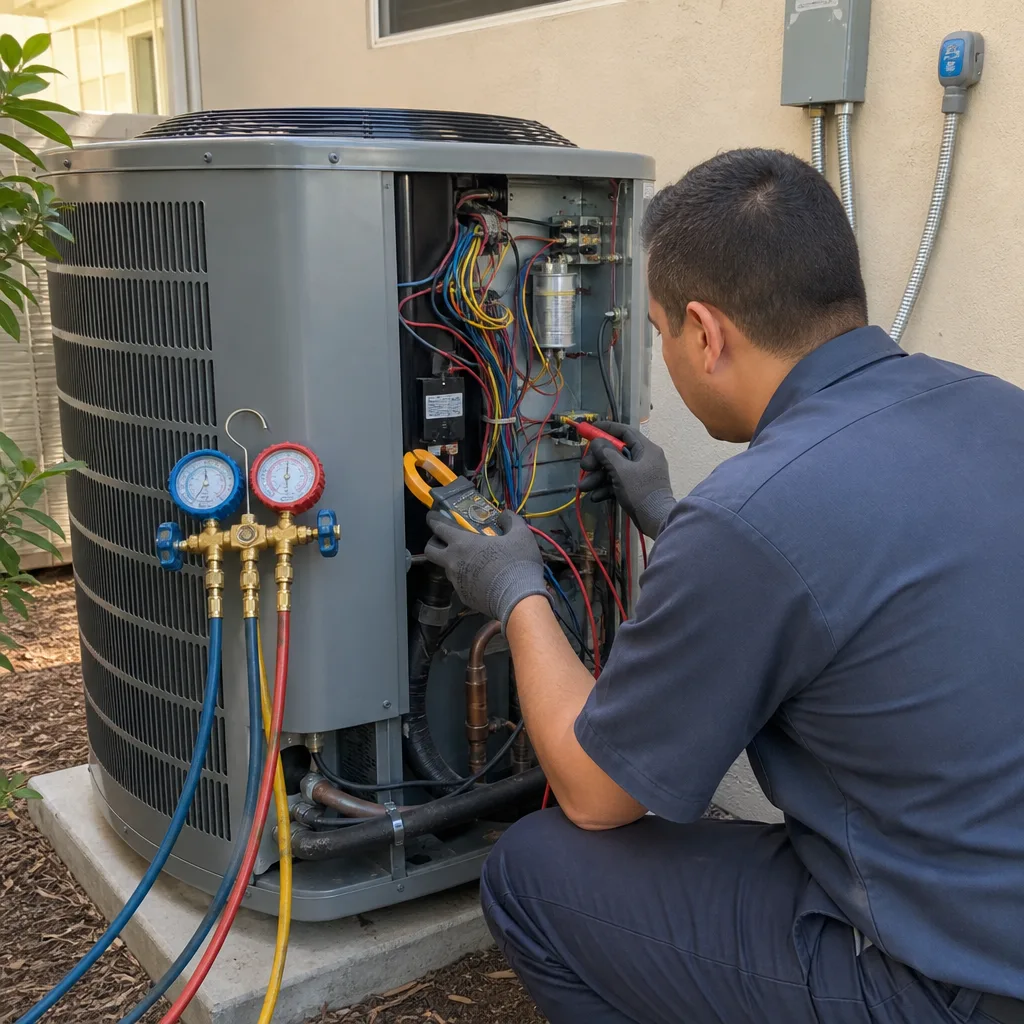
The moment a repair requires anything on this next list, you’re entering regulated or warranty-voiding territory: a manifold gauge set (for checking refrigerant pressures), a vacuum pump (for evacuating a system), a refrigerant recovery machine, a nitrogen regulator (for pressure testing), or a combustion analyzer (for checking furnace safety). None of these tools are worth buying for a single repair. The cheapest manifold gauge set is $80, and the cheapest vacuum pump is $120, and neither tells you anything useful unless you also have the EPA 608 certification to legally connect them. By the time you’ve bought the tools, you’ve spent more than a professional diagnostic and repair would have cost.
Parts present the same economics. A capacitor is $30 to $50 online. A contactor is $25 to $45. A condenser fan motor is $150 to $300. But here’s what the online parts sellers don’t tell you: the part may be counterfeit, used, or out of spec. We’ve seen Amazon capacitors that measured 30% below their labeled microfarad rating. We’ve seen contactors with terminals too small for the wire gauge in the unit. A failed $40 part isn’t the problem. The problem is when that failed part damages a $1,800 compressor or a $900 control board.
If you need professional help, AC repair in San Jose is our core service, and our technicians are trained to service nine major residential HVAC brands including Rheem, York, and Daikin. We provide a written price before any work begins, and that price doesn’t change. You’ll know what the repair costs before you approve it, which means you can always weigh the professional cost against whatever DIY path you’re considering.
Common Mistakes to Avoid
- Attempting any refrigerant work without EPA 608 certification. The fines start at $44,539 per day, and that’s before you factor in the damage to your system. No YouTube tutorial makes this legal.
- Buying parts based on a YouTube diagnosis. A humming sound can mean five different things, and only a multimeter test tells you which one. We regularly replace perfectly good contactors and capacitors that homeowners swapped based on a video that matched their symptom.
- Using a pressure washer on the condenser fins. This bends the aluminum fins, which restricts airflow, which raises your electric bill and shortens compressor life. Gentle hose pressure only, from the inside out.
- Opening the electrical panel without discharging the capacitor. A capacitor holds enough charge to cause serious injury or death even with the power off. If you don’t know how to safely discharge it, don’t open the panel.
- Forgetting that San Jose’s Title 24 codes apply to replacement equipment. Swapping a condenser unit isn’t just a mechanical job; it’s a permitted installation that must meet energy efficiency and duct sealing requirements.
- Ignoring the warranty language that voids coverage for unauthorized repairs. The $40 you save on a DIY part can cost you $6,000 on a compressor replacement. Read the warranty before you touch anything.
- Paying for a diagnostic and then not using it. If a technician gives you a written price for a repair, that diagnostic is paid for. Guessing on your own after you’ve already paid for a professional opinion doubles your total cost.
When to Call a Professional
Call a professional if your system involves any of these: refrigerant lines, electrical components beyond the thermostat batteries, gas lines or burners, a sealed system, or a compressor that isn’t starting. Also call if you’ve already attempted a repair and the system is behaving differently afterward, or if your system is more than 12 years old and a major component has failed. The repair-versus-replace decision in an aging San Jose home is a financial calculation best made with a written estimate in hand. Furnace repair in San Jose follows the same logic: gas components and heat exchangers are never DIY territory, and the carbon monoxide risk makes hesitation expensive in a different way. Cold Harbour Heating and Air San Jose offers free estimates in San Jose. Call (669) 800-4179 and a real person answers, 24 hours a day, every day of the year.
Frequently Asked Questions
No. Adding refrigerant requires an EPA Section 608 certification, and performing the work without it is a federal Clean Air Act violation with fines up to $44,539 per day. There is no homeowner exemption in California or federal law for residential AC systems.
You can replace air filters, change thermostat batteries, clear debris from the outdoor unit, clean registers and returns, flush the condensate drain line with vinegar, and install a smart thermostat if your wiring is compatible. Everything involving refrigerant, gas, line voltage, or sealed components requires a licensed professional.
Diagnostic visits in San Jose typically run $89 to $149, and most companies credit that fee toward the repair if you approve it. Common repairs range from $150 to $280 for igniter or capacitor replacements up to $4,000 to $8,000 for compressor or full system replacement. The exact price depends on the part, the system age, and the labor involved. AC repair in San Jose with Cold Harbour Heating and Air always includes a written price before work begins, so you’ll know the exact cost before you approve anything.
It can, yes. Most manufacturer warranties from brands like Rheem, York, and Bryant void coverage if the system is damaged by “improper installation, service, or repair.” A failed DIY attempt that damages other components is the fastest way to lose warranty protection on the most expensive parts.
No. Standard homeowner’s insurance does not cover mechanical breakdown, wear and tear, or age-related failure. It may cover sudden damage from a covered peril like fire or water, but if that damage traces back to a DIY repair, the insurance company can deny the claim under faulty workmanship exclusions.
Write down what you observed first, exactly what you replaced or adjusted, what happened afterward, and what you did not touch. Then call a technician and share that information when you book the appointment. A clear handoff saves diagnostic time and often means the right part on the first visit. Furnace repair in San Jose follows the same process: accurate history first, fast diagnosis second.
The Bottom Line
The DIY-versus-professional HVAC decision in San Jose isn’t about how handy you are. It’s about where the law, your warranty, and your insurance draw lines that are expensive to cross. Six maintenance tasks are yours to own; everything else belongs with a licensed technician, and the economics usually favor the professional once you factor in tool costs, part quality, and the risk of making a small problem bigger. If you’ve already attempted a repair, describe it accurately and a good technician will take it from there. AC installation in San Jose follows the same principle: when the time comes for new equipment, a professional installation preserves the warranty and meets California’s Title 24 codes. For free estimates in San Jose, call (669) 800-4179. A live person answers, every time.
Written by Victor Mancini, Owner at Cold Harbour Heating and Air San Jose, serving San Jose since 2003.
See the difference
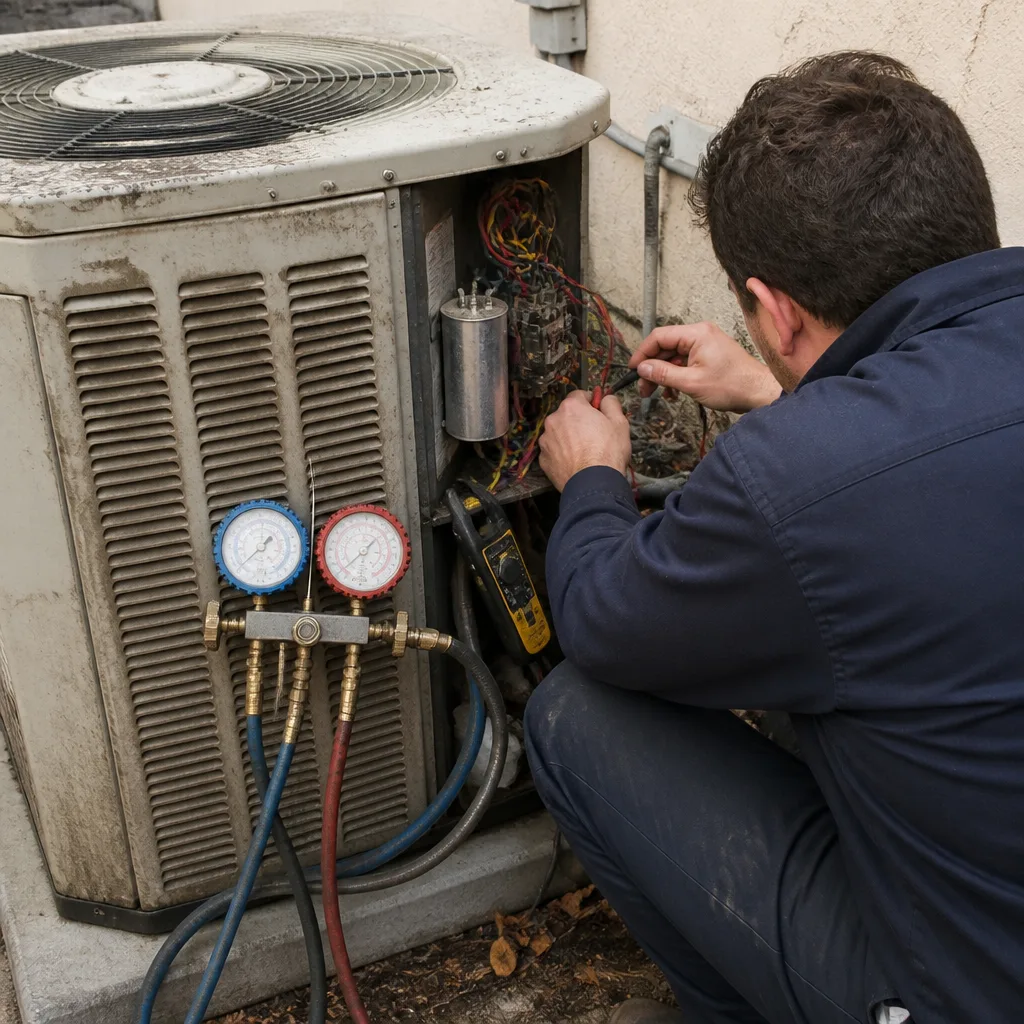 Before
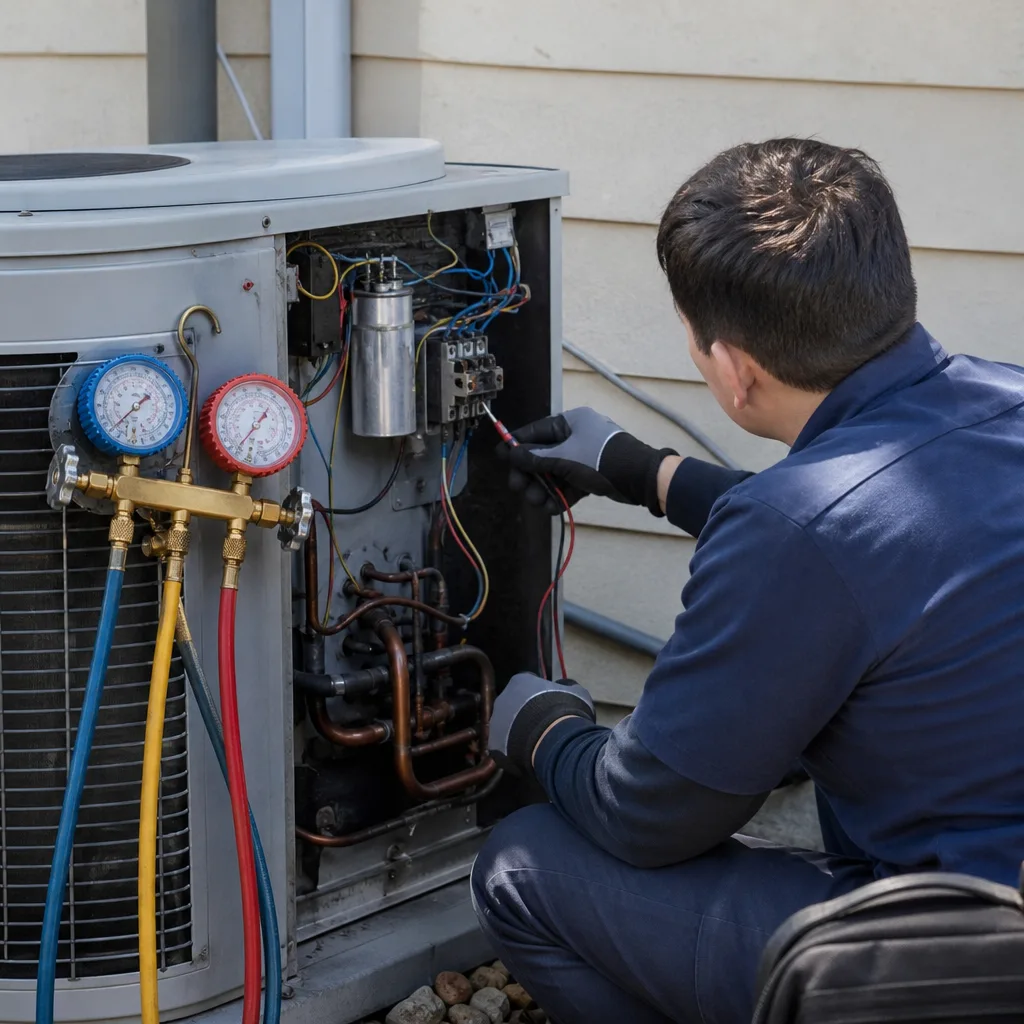 After
After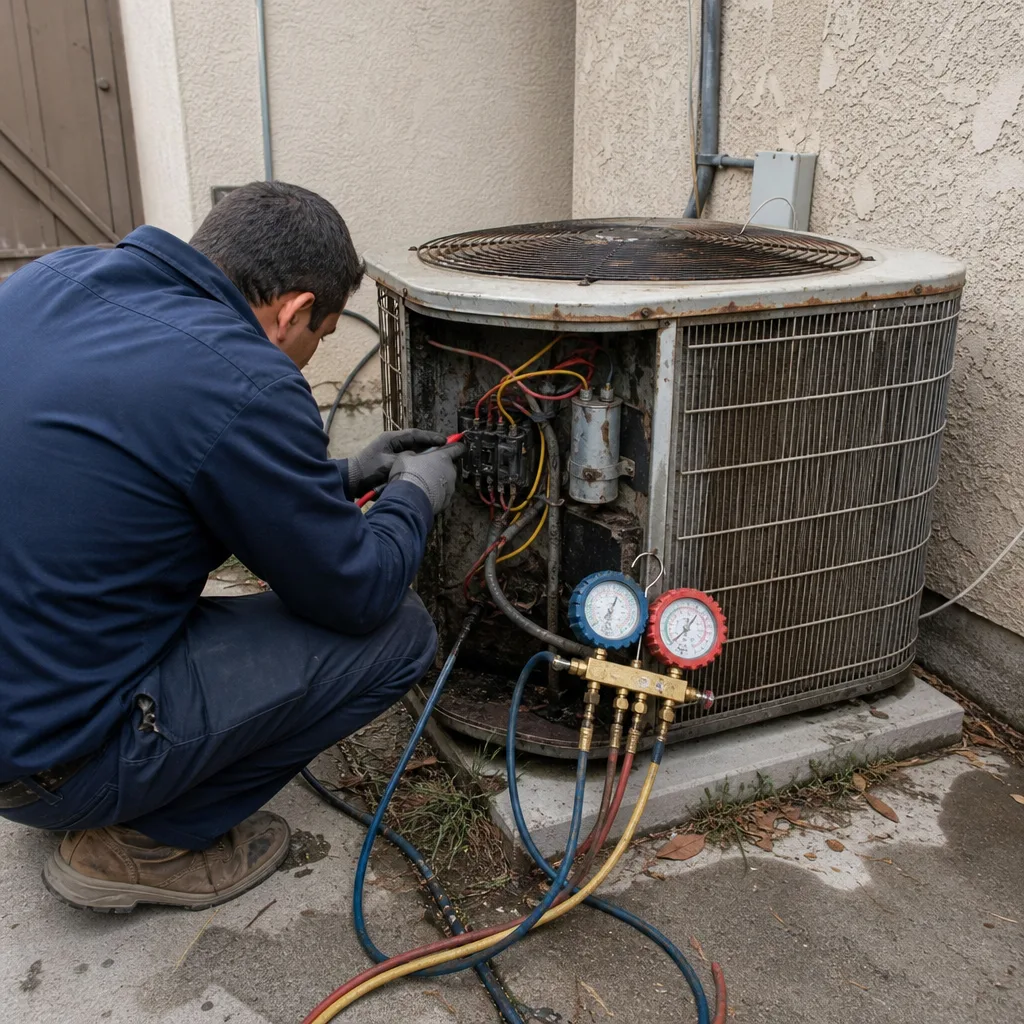 Before
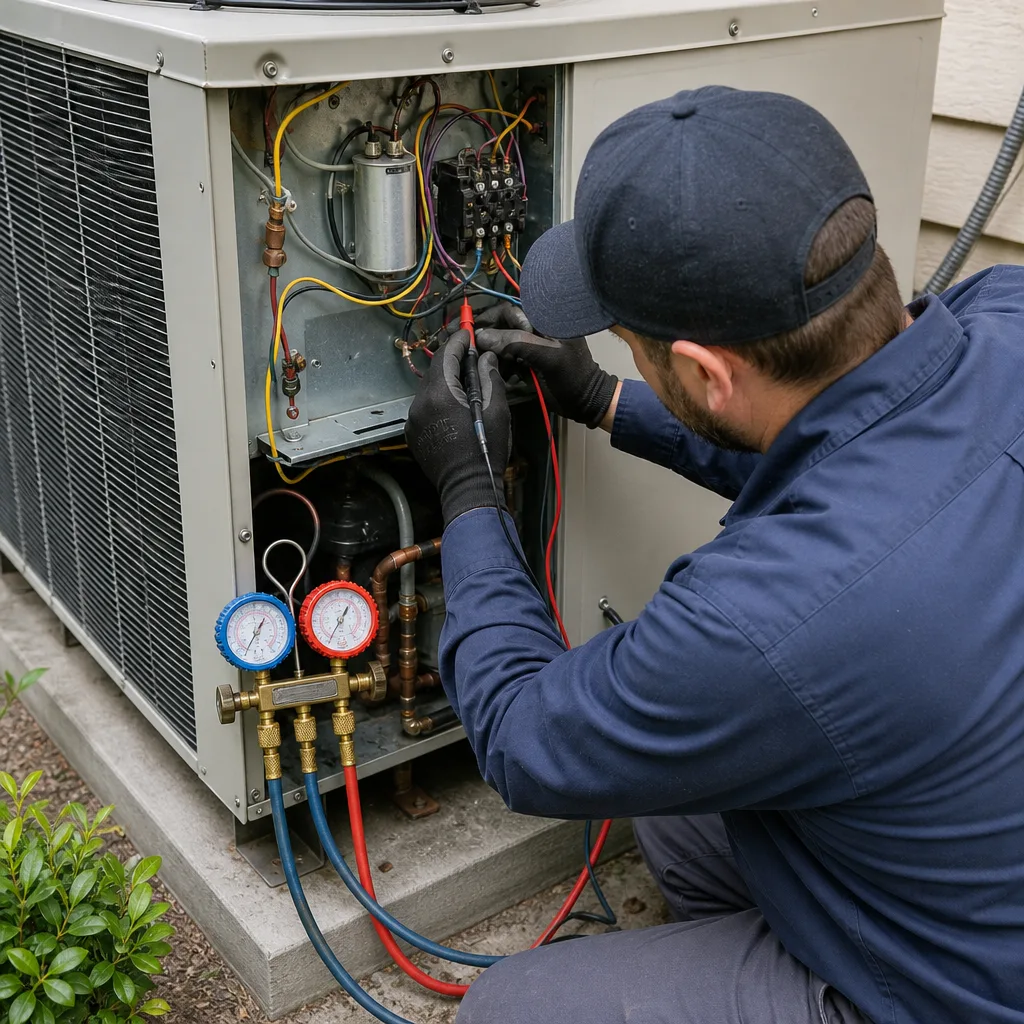 After
After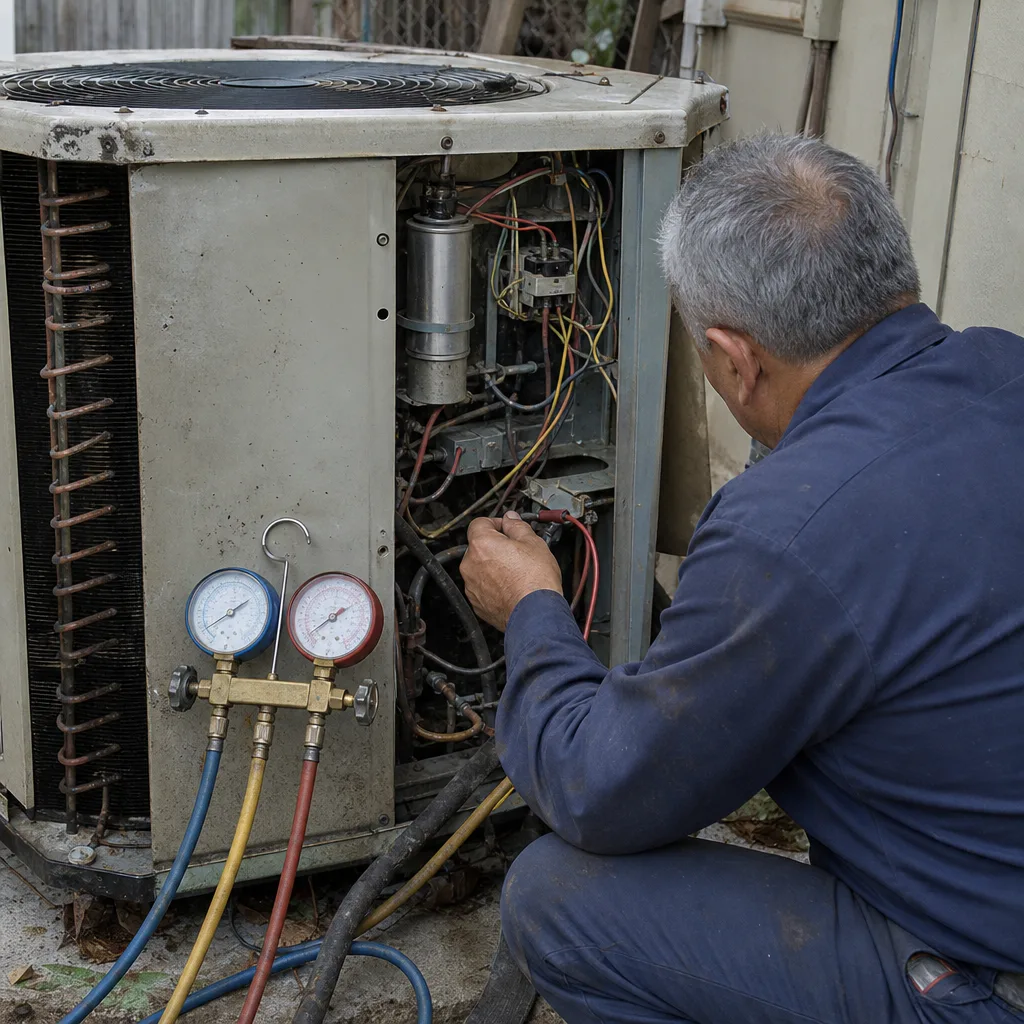 Before
 After
After