
Last updated October 16, 2026
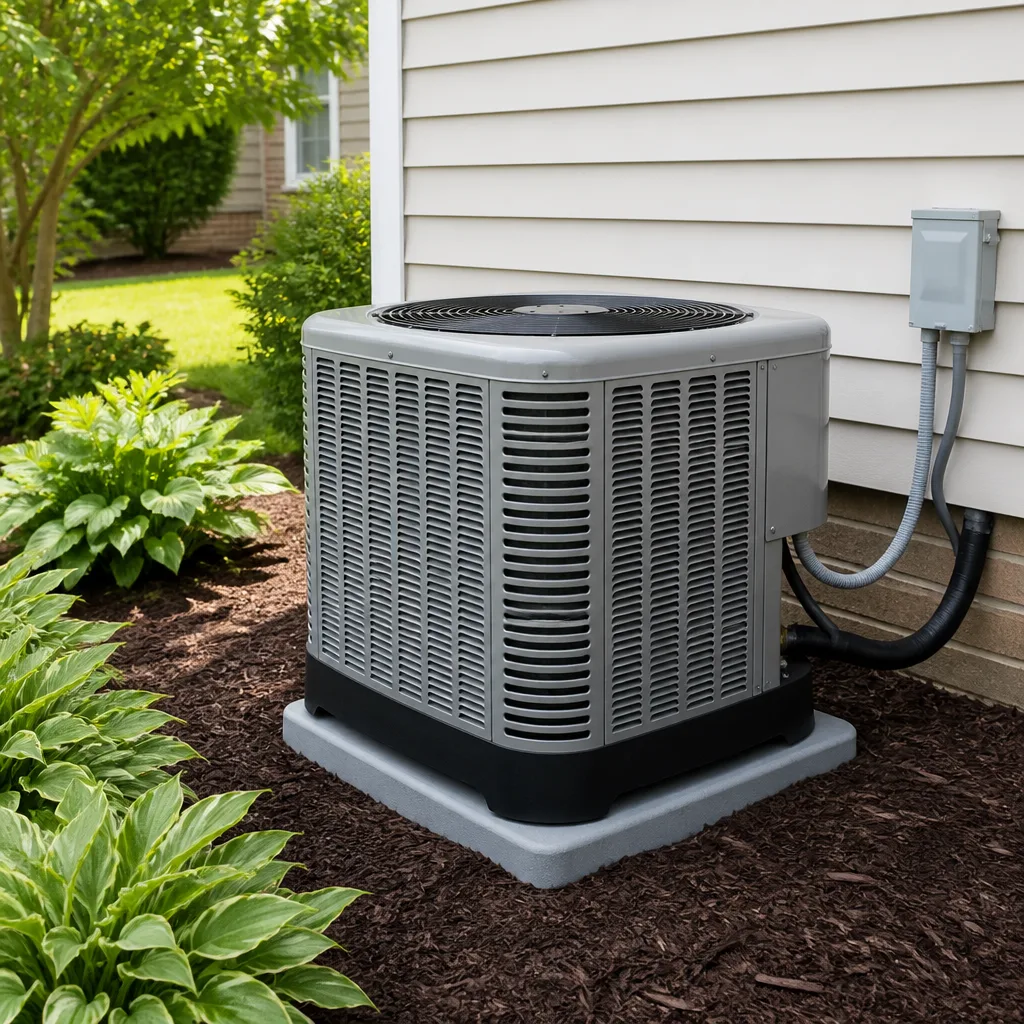 AC repair
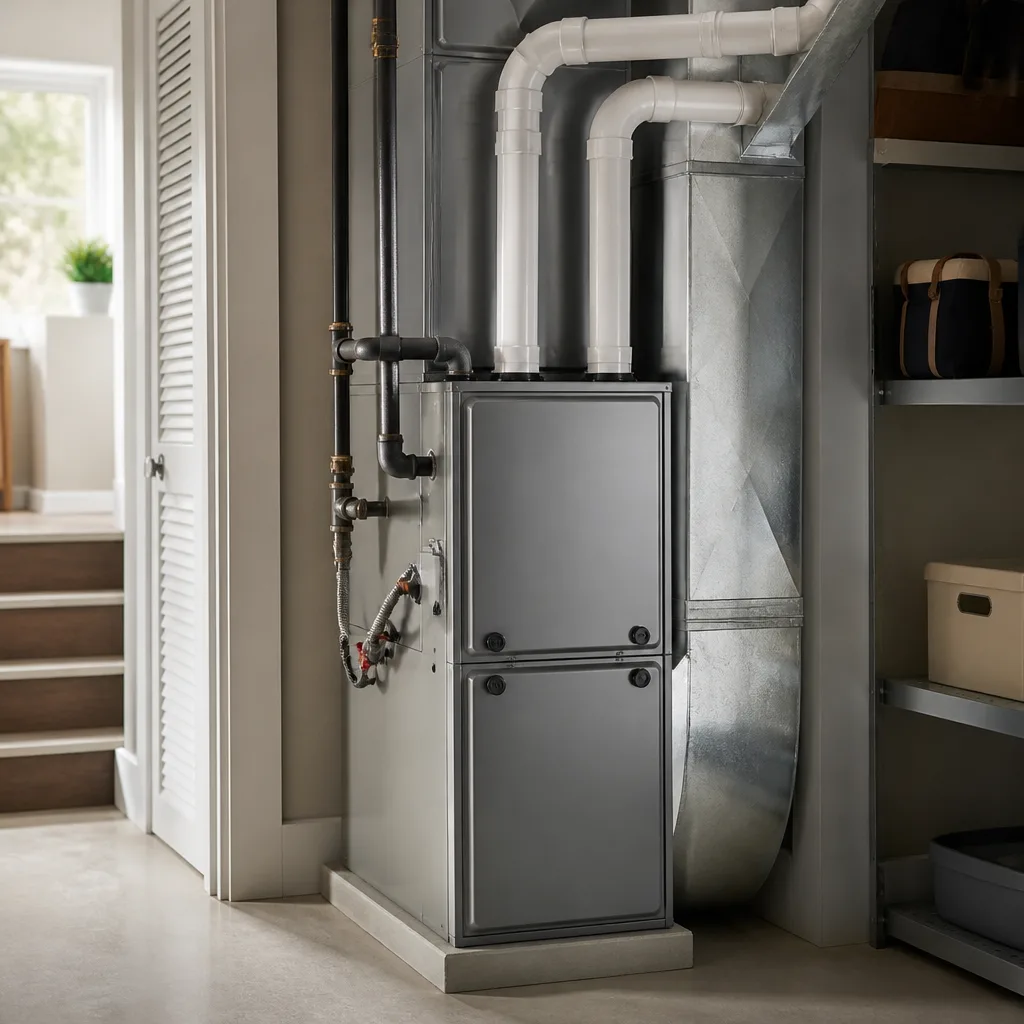 Furnace & heating
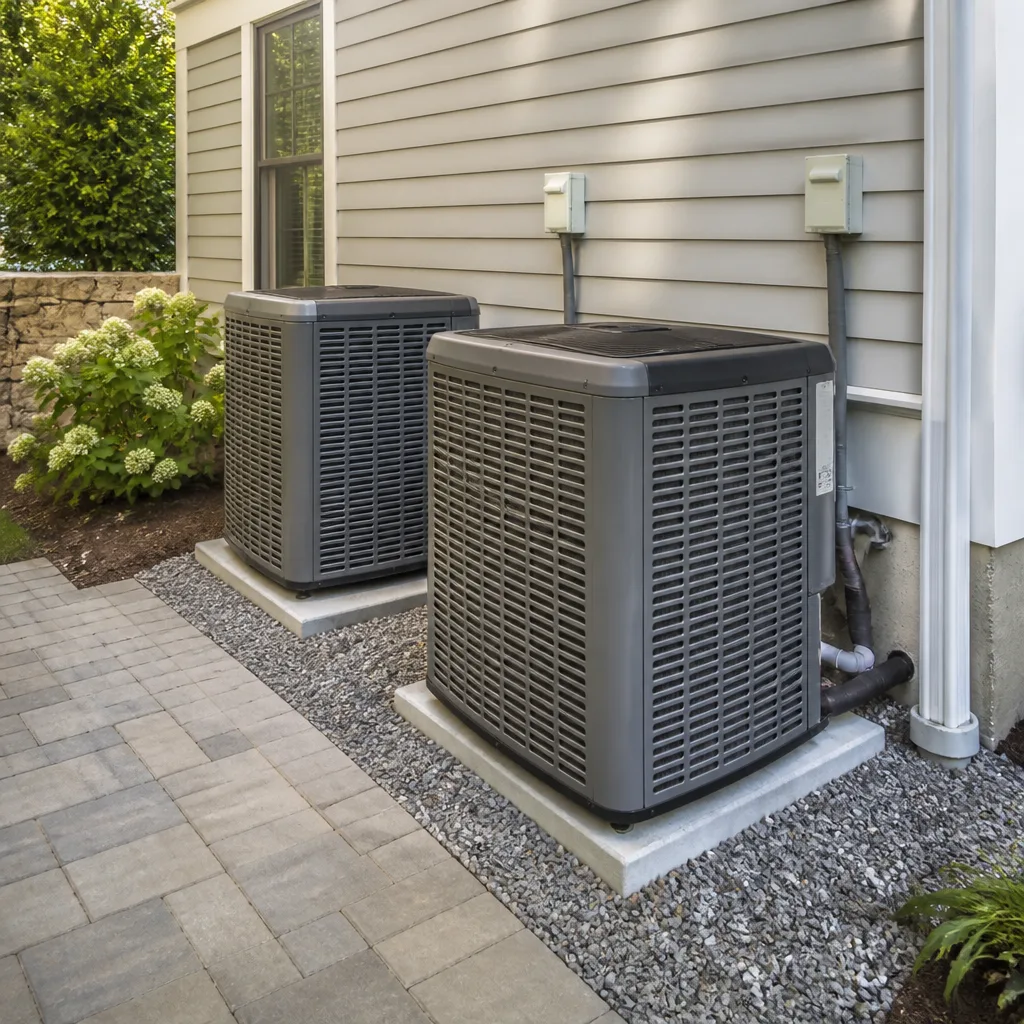 Heat pumps
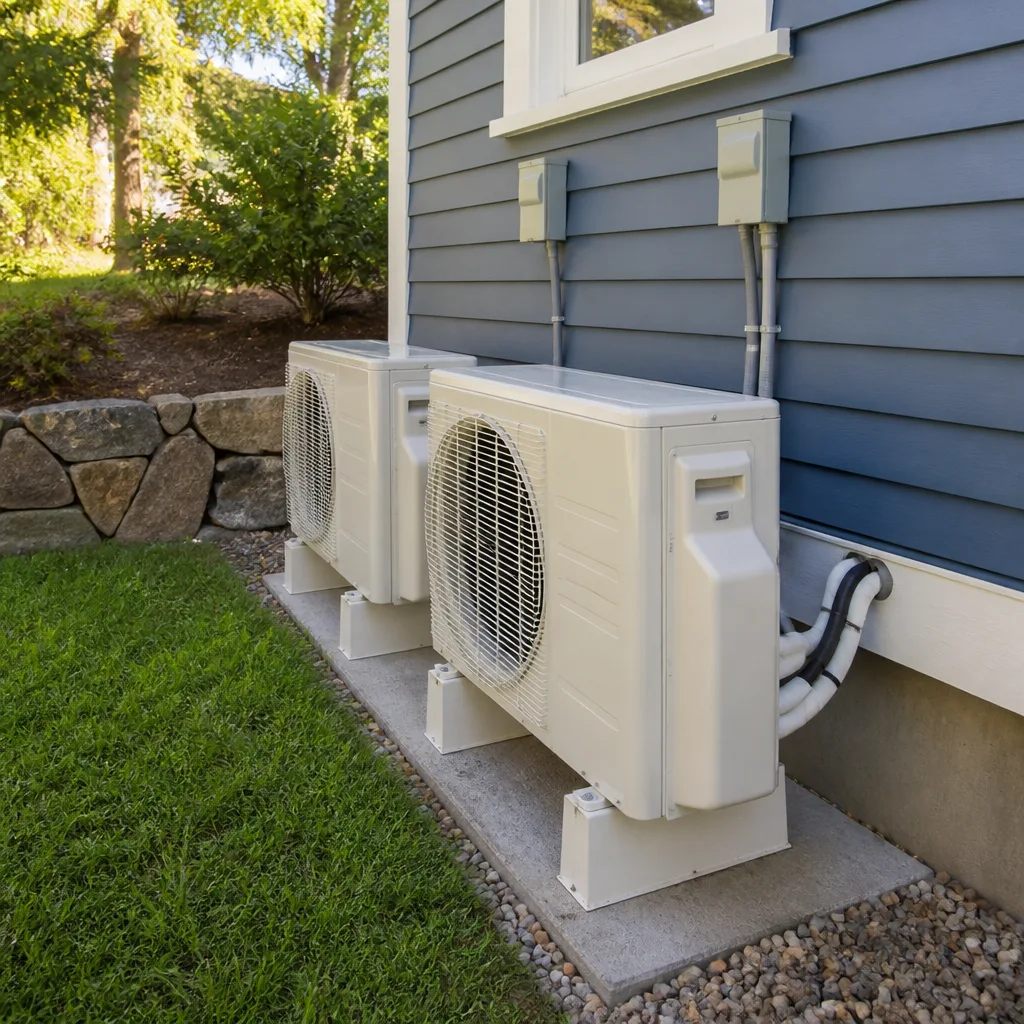 Ductless mini splits
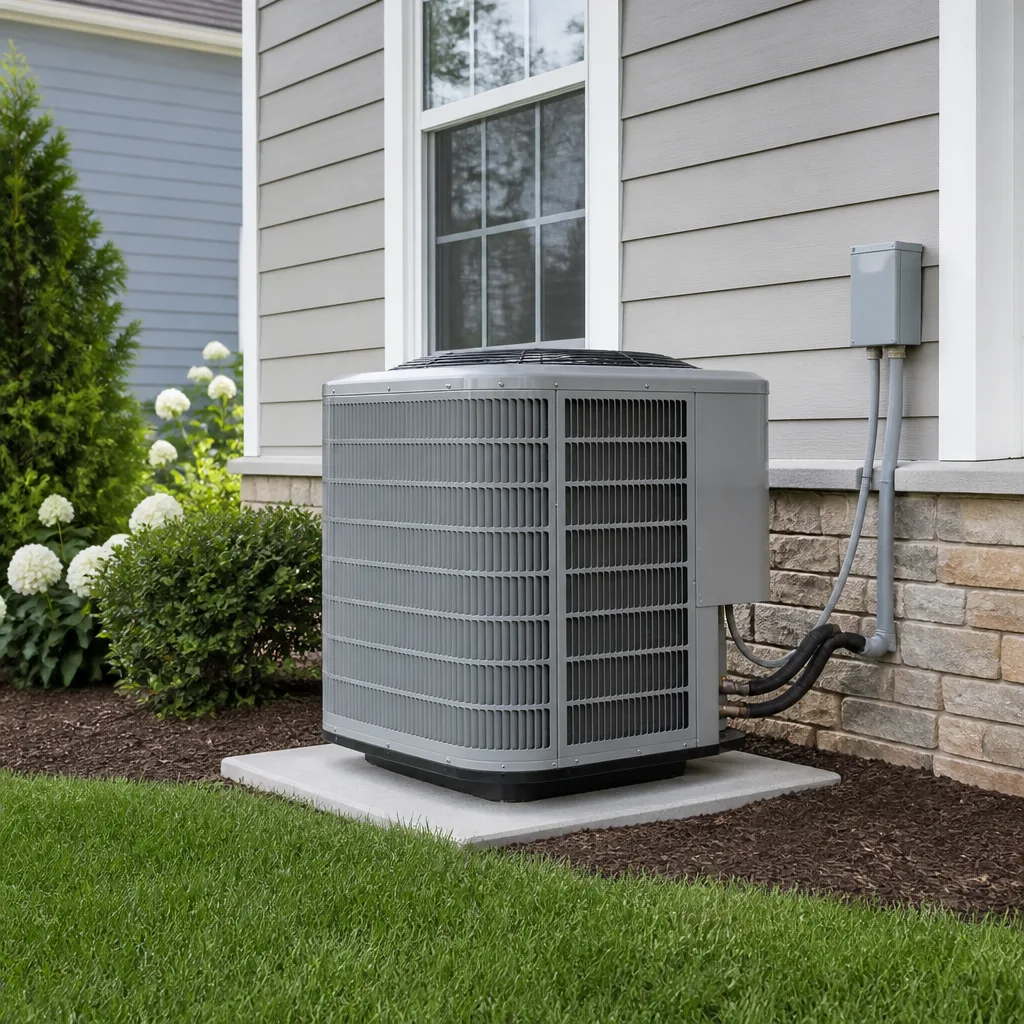 Carrier
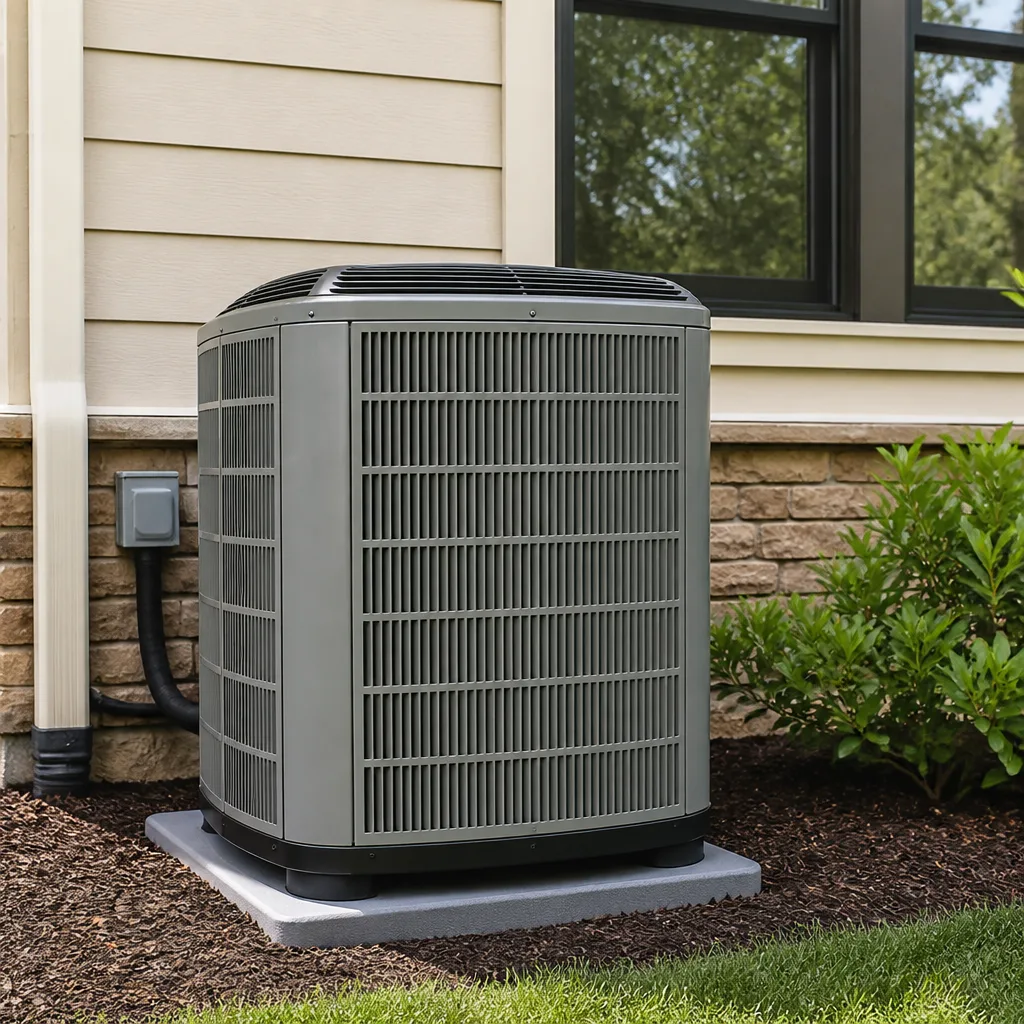 Trane
Trane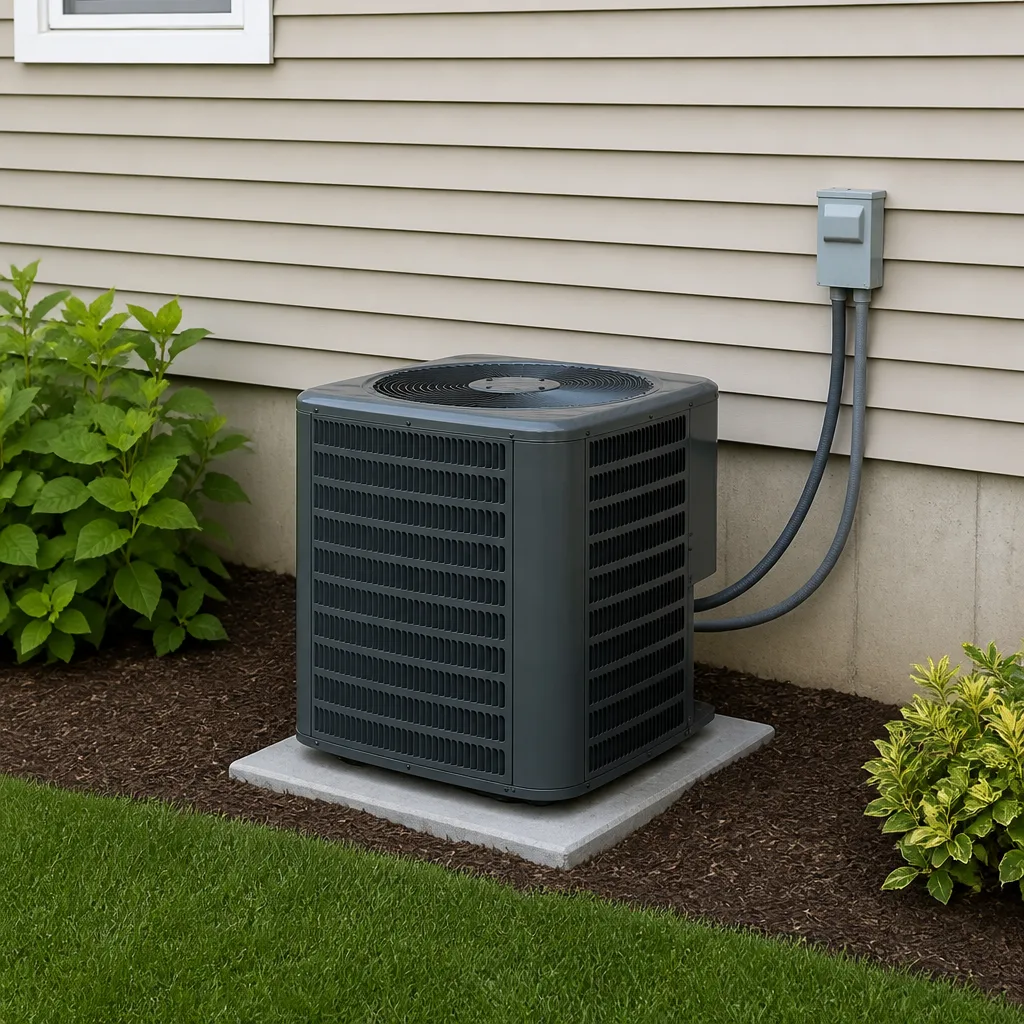 Goodman
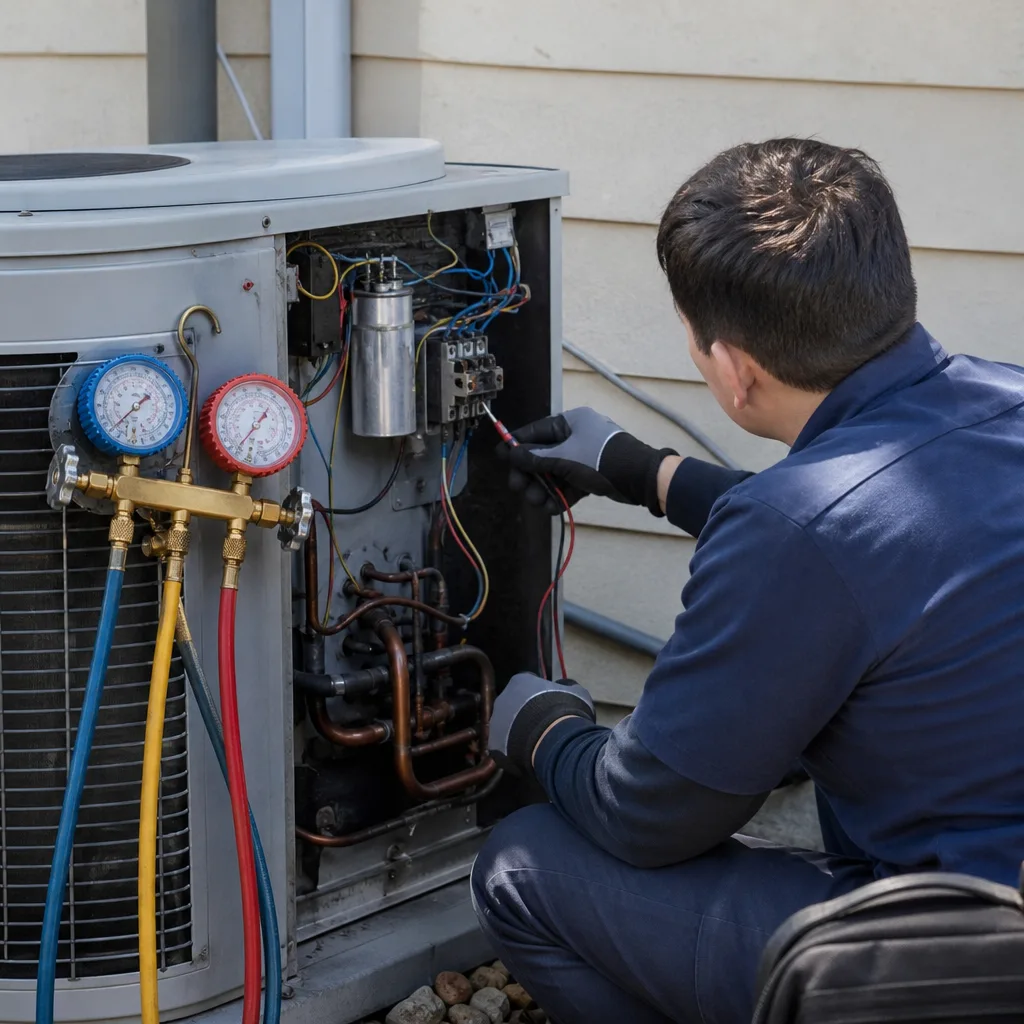
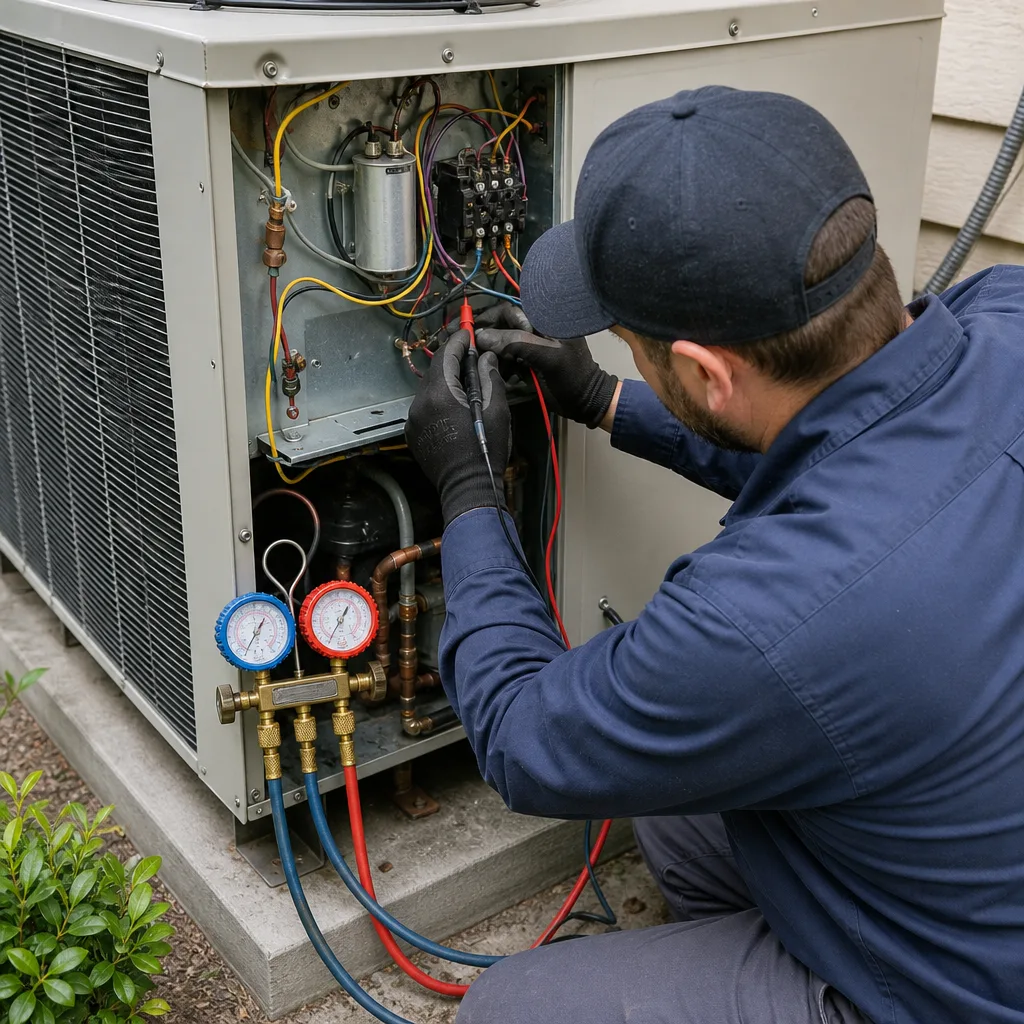
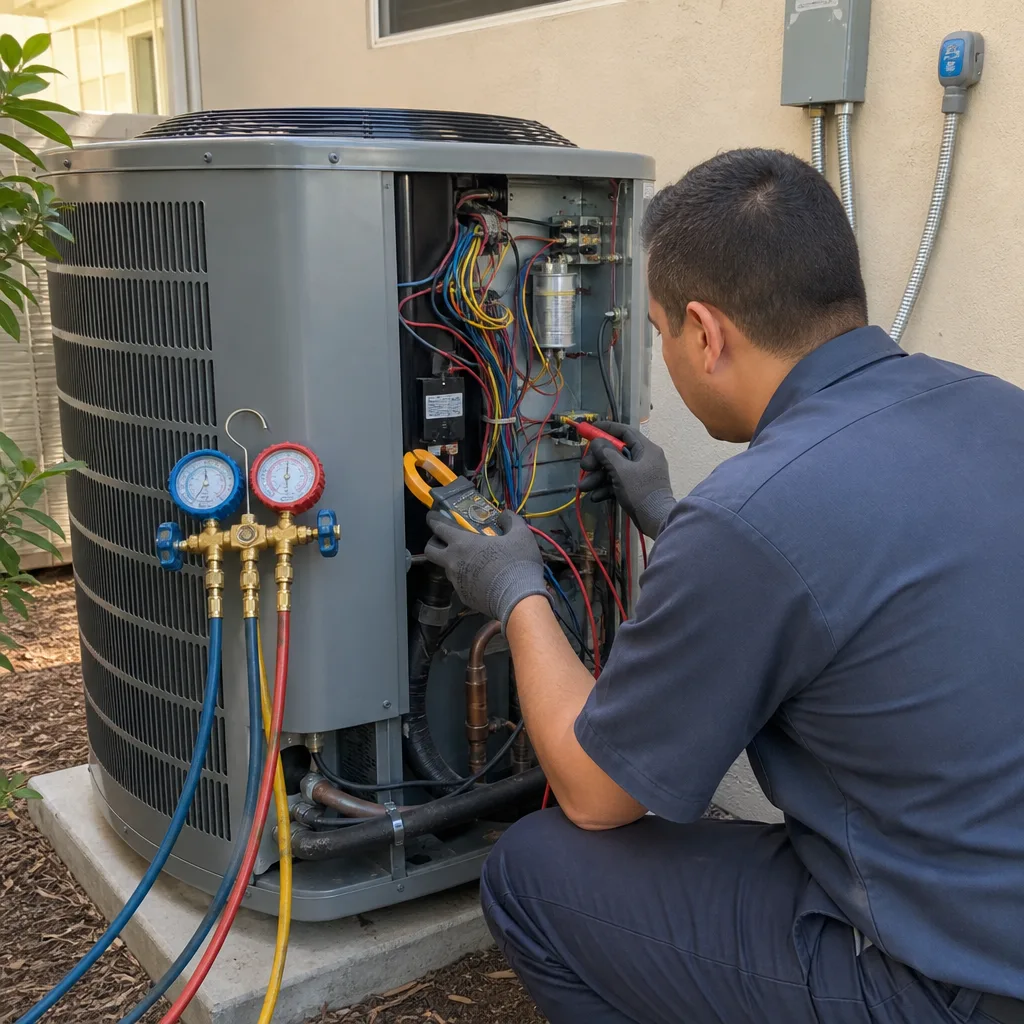
Seasonal tune-up and full diagnostic on your Carrier, Trane, or Goodman system - readings shown to you before any repair is proposed
Diagnosis first, numbers second - you approve the repair price before a single part goes in.
Get your free estimateThe Complete Guide to HVAC in San Jose
San Jose averages just 11 days above 90 degrees at the airport sensor, yet homeowners in the Evergreen foothills regularly log twice that many. A few miles and a few hundred feet of elevation change everything about how your heating and cooling system performs. This guide walks through what actually matters for HVAC in San Jose: equipment sizing by microclimate, real cost ranges, the permit and licensing rules that protect you, and the trade vocabulary you’ll hear on every service call.
Styles & brands we work with
Quick Answer
HVAC in San Jose means matching equipment to your specific microclimate, not the citywide average. Most San Jose homeowners need a 3-ton system with a 14 – 17 SEER2 rating, routine maintenance twice a year, and a contractor who answers the phone when the heat hits in June and again in July. See our How to Hire a HVAC Contractor in San Jose: A Step-by-Step Guide for what to ask before you sign.
Table of Contents
- San Jose’s Microclimates: Why Your Zip Code Changes the Math
- Equipment Sizing and SEER2 Ratings for San Jose Homes
- What HVAC Work Actually Costs in San Jose
- C-20 Licensing, Permits, and Why Your Insurance Cares
- The Maintenance Schedule San Jose Homeowners Actually Need
- The Kingswell Guarantee: What Written Promises Look Like in Practice
- Ten Trade Terms Every San Jose Homeowner Will Hear
- Common Mistakes to Avoid
- When to Call a Professional
- Frequently Asked Questions
- The Bottom Line
San Jose’s Microclimates: Why Your Zip Code Changes the Math
San Jose covers 180 square miles stretching from San Francisco Bay up into the Santa Cruz Mountains and Diablo Range foothills. That geography creates three distinct climate bands, and your HVAC decisions depend on which one you live in.
The valley floor includes most of Willow Glen, Rose Garden, downtown, and the neighborhoods around Santana Row. Summer highs typically land in the mid-80s with occasional 90-degree days. Winters are mild, with lows rarely dipping below 38 degrees. Homes here need moderate cooling capacity and can often get by with a heat pump or standard gas furnace.
The eastern and southern foothills cover Evergreen, Silver Creek Valley, Almaden Valley, and the areas climbing toward Mount Hamilton. Elevation gains of 300 to 800 feet mean summer afternoons run 10 to 15 degrees hotter than the valley floor, and heat radiates off the hillsides well past sunset. In our experience, homes in these zones regularly log 20 or more days above 90 degrees each year. That’s a different cooling load than the airport data suggests.
The westside foothills and coastal-influenced areas include parts of Cambrian, west San Jose, and the neighborhoods near Saratoga and Cupertino. Marine air drifts through gaps in the Santa Cruz Mountains, keeping summer highs in the high 70s and low 80s. Heating matters more than cooling here, and humidity runs slightly higher than the east side.
Why this matters for equipment: a 3-ton air conditioner that keeps an Evergreen home at 74 degrees on a 100-degree August afternoon is oversized for a Willow Glen bungalow, where an oversized unit will short-cycle, leave humidity in the air, and wear out its compressor years early. Generic HVAC advice that treats San Jose as one climate does not hold up at the address level.
Equipment Sizing and SEER2 Ratings for San Jose Homes
Equipment sizing starts with a load calculation, which measures square footage, window orientation, insulation levels, ceiling height, and the direction your home faces. A Manual J calculation is the industry standard. If a contractor quotes you a new system without measuring anything beyond the existing unit’s nameplate, walk away.
How many tons does a San Jose home need?
Most single-family homes in San Jose between 1,400 and 2,200 square feet need a 3-ton or 3.5-ton system. Smaller condos and townhomes in complexes like those near Japantown or North San Jose often run 2 tons. Larger executive homes in Almaden Valley or Silver Creek with vaulted ceilings and west-facing glass may need 4 or 5 tons, sometimes zoned. Two-story homes benefit from either zoning or a variable-speed system that adjusts airflow between floors.
SEER2 and why it matters here
SEER2 is the current efficiency rating for air conditioners and heat pumps, updated in 2023 to reflect more realistic testing conditions. California requires new residential AC units to meet at least 14.3 SEER2 for split systems. For most San Jose homes, we recommend the 14 to 17 SEER2 range.
Higher SEER2 ratings cost more upfront and pay back slowly in San Jose’s relatively short cooling season. A 20+ SEER2 variable-speed system makes sense if you’re running cooling 1,200-plus hours a year, which describes foothill homes and some west-facing valley homes, but not a shaded Willow Glen rancher that cools for 400 hours a season. Buy the efficiency that matches your actual run time, not the brochure.
What about heat pumps?
Heat pumps are becoming more common in San Jose as gas prices climb and local incentives expand. A heat pump replaces both your furnace and air conditioner with one system that moves heat rather than generating it. San Jose’s mild winters make heat pumps a solid fit, particularly in homes without existing gas service or with aging furnaces. The tradeoff is the upfront cost runs 15 – 30 percent higher than a standard AC-and-furnace replacement. We’ll help you run the numbers on both options before any work begins.
What HVAC Work Actually Costs in San Jose
San Jose labor rates run 15 – 25 percent above the national average because of the cost of doing business in Santa Clara County, and that shows up in every line item. Our HVAC Cost Breakdown: The San Jose Homeowner’s Reference for 2026 explains where the money goes. Here are realistic ranges for common jobs in this market:
| Job | Typical San Jose Range | Notes |
|---|---|---|
| AC repair diagnostic visit | $89 – $149 | Applied toward repair if you proceed |
| Capacitor replacement | $180 – $320 | Parts and labor included |
| Furnace igniter replacement | $150 – $280 | Most common winter repair |
| Refrigerant recharge (after leak repair) | $250 – $600 | Depends on refrigerant type and volume |
| Full AC replacement (3-ton, 14.3 SEER2) | $7,500 – $11,500 | Includes permit and disposal |
| AC and furnace replacement together | $11,000 – $17,000 | Best value, one install date |
| Annual maintenance visit | $120 – $200 | One system, includes inspection report |
These are honest ranges for San Jose work with a licensed contractor. If a quote is dramatically lower, someone is cutting corners on permits, labor quality, or equipment provenance. If it is dramatically higher, ask for line-item detail. You deserve to see the math before you sign anything.
For AC installation numbers broken out in more detail, see our page on AC Installation in San Jose.
C-20 Licensing, Permits, and Why Your Insurance Cares
In California, anyone who installs, repairs, or services heating and cooling equipment for money must hold a C-20 Warm-Air Heating, Ventilating and Air-Conditioning Contractor license from the Contractors State License Board. A general B license does not cover HVAC work. Neither does a handyman registration.
The practical difference matters more than most homeowners realize. A licensed C-20 contractor carries workers’ compensation insurance for their technicians and is bonded. If a technician is injured on your property, you are not liable. If an unlicensed worker falls off a ladder in your backyard, your homeowner’s insurance can be on the hook, and many policies specifically exclude coverage for work done by unlicensed contractors.
That’s why we tell every homeowner to check the CSLB license number before work begins. It takes 30 seconds on the CSLB website. You can verify the license is active, see how long it has been held, and check for any disciplinary history. Cold Harbour Heating and Air San Jose has been operating as a licensed C-20 contractor in San Jose since 2003, and we’re happy to provide our license number on request.
Permits in San Jose and Santa Clara County
San Jose requires mechanical permits for HVAC equipment replacements. A proper permit means the city reviews the installation for code compliance and performs an inspection after the work is done. Unpermitted work can create problems when you sell your home, since buyers and their inspectors may flag it, and it can void manufacturer warranties.
Our AC Repair in San Jose work rarely requires permits, but replacement and installation jobs do. We pull the permit, schedule the inspection, and handle the paperwork as part of the quoted price. You should never have to chase a contractor for permit documents.
The Maintenance Schedule San Jose Homeowners Actually Need
San Jose’s long, mild shoulder seasons are one of the quietest dangers to HVAC equipment in the Bay Area. From October through May, most systems barely run. Homeowners forget they exist. Then the first heat wave hits in June and every dormant system in Santa Clara County tries to start on the same day. Deferred maintenance becomes an emergency call, and emergency pricing follows.
Here is the schedule that keeps a San Jose system running reliably:
- Late spring (April – May): AC tune-up before the first heat wave. This catches low refrigerant, failing capacitors, and clogged condensate drains before they strand you on a 95-degree day.
- Mid-summer (July): Check the condensate line if your system runs daily. Algae buildup is common in San Jose’s warm, dry summers and can trigger a float switch that shuts down your AC.
- Early fall (September – October): Furnace inspection before the heating season. Igniters, flame sensors, and heat exchangers all need checking.
- Late winter (January – February): Replace or clean the air filter if you haven’t recently. San Jose’s winter winds send dust through the valley, and most systems have a dirty filter by February.
We recommend twice-yearly professional maintenance for most San Jose homes. A flat-rate maintenance visit includes a written report of what was found and what it would cost to fix, with no obligation. Technicians at Cold Harbour are not paid on what they sell, so the report tells you what the system needs and nothing more.
The Kingswell Guarantee: What Written Promises Look Like in Practice
Cold Harbour Heating and Air is independently owned and operated as part of the Kingswell network, which was founded in 2003 around a set of written standards called The Kingswell Way. Five values govern every job: say the price before the work, show up in the window given, leave the place cleaner than found, put the guarantee in writing, and come back if it fails.
Here’s what those promises look like on an actual San Jose repair call:
- A written price before the work starts. The technician hands you a printed quote before a single tool comes out of the truck. The price on that sheet is the price on the final invoice. No door-surprises, no amended estimates.
- A firm arrival window. We give you a two-hour window and we hit it. If you call, a live person answers, 24 hours a day, 7 days a week. No voicemail trees.
- A clean job site. The technician wears shoe covers inside your home, lays down floor protection, and cleans the work area before leaving. You should not be able to tell we were there except for the working HVAC.
- The 365-Day Done Right Promise, on paper. Every repair comes with a written guarantee valid for a full year. If the repair fails inside that window, Cold Harbour returns and corrects the work at no charge. This is not a verbal promise or a conditional one. It is printed on the guarantee document you receive before the technician leaves.
Victor Mancini, who leads Cold Harbour Heating and Air San Jose, is accountable for making sure every job meets these standards. The name Cold Harbour, by the way, comes from the old roadside shelters where travelers waited out bad weather before continuing their journey. Comfort in any season is the job.
Learn more about our broader offerings from the Cold Harbour Heating and Air San Jose home page.
Ten Trade Terms Every San Jose Homeowner Will Hear
HVAC technicians are not trying to confuse you, but the trade’s shorthand can leave homeowners nodding along without understanding what they’re approving. Here are the ten terms you will hear on almost every service call, each translated into plain English:
- Load calculation (Manual J): The math that determines what size system your home needs. It accounts for square footage, windows, insulation, and which way your house faces. If nobody did this before quoting your system, ask why.
- SEER2: Seasonal Energy Efficiency Ratio, the current standard measuring an air conditioner’s cooling efficiency. Higher is more efficient. California’s minimum for new split ACs is 14.3.
- Ton: A measure of cooling capacity, not weight, equal to 12,000 BTUs per hour. A 3-ton AC removes 36,000 BTUs of heat per hour from your home.
- Capacitor: A small component that stores electricity to start your AC’s compressor and fan motor. It is the most common failure point in San Jose systems, especially after heat waves.
- Refrigerant: The fluid that cycles through your AC to carry heat outside. A refrigerant recharge means topping off the cooling fluid your AC needs to run. Low refrigerant always means there is a leak somewhere.
- Condensate line: The drain line that carries condensation away from your indoor unit. In San Jose, algae grows inside these lines during summer and can clog them, triggering a safety shutoff.
- Heat exchanger: The metal chamber inside your furnace where gas burns and heat transfers to the air going into your home. A cracked heat exchanger is a carbon monoxide risk and a mandatory furnace shutdown.
- Compressor: The pump that presses refrigerant through your AC system. A failed compressor on an older system usually means replacement rather than repair because the cost approaches a new system.
- Float switch: A safety device that shuts off your AC when the condensate line backs up. If your AC stops working and the float switch is the culprit, clearing the line fixes the problem quickly.
- Variable-speed blower: A fan motor that runs at different speeds depending on what the thermostat calls for. These systems hold steadier temperatures and are quieter but cost more than fixed-speed equipment.
Common Mistakes to Avoid
- Skipping maintenance until something breaks. In San Jose, the system you ignored all spring fails on the first 95-degree day of June, right when every HVAC company in the county is booked solid. Preventive visits are cheaper than emergency calls.
- Buying an oversized system. A 4-ton unit in a 1,600-square-foot Willow Glen home cools the house fast, then shuts off before removing humidity. Short cycling like that shortens compressor life and leaves the house clammy.
- Using an unlicensed technician to save money. An unlicensed worker who gets hurt on your property becomes your insurance problem, and any work done without a permit can bite you at resale. The upfront savings vanish when those bills arrive.
- Ignoring the furnace because San Jose winters are mild. A neglected heat exchanger develops cracks over time, and a cracked heat exchanger is a carbon monoxide risk regardless of how warm the winters are. Annual furnace inspections are non-negotiable.
- Choosing the cheapest quote without comparing scope. Two quotes can differ by $3,000 because one includes a permit, new refrigerant lines, and disposal, and the other doesn’t. Stripped-down quotes cost more over the life of the system.
- Replacing equipment without a load calculation. If the contractor never measured your home, window area, or insulation, they don’t actually know what size system you need. They’re guessing, and you’re paying.
- Running the AC with a clogged filter. A dirty filter restricts airflow, which makes the system work harder, freezes the evaporator coil, and can destroy a compressor. Check your filter monthly during summer and winter.
When to Call a Professional
Some HVAC work is homeowner-friendly, like changing a filter or clearing the debris from around your outdoor condenser unit. Most of it is not, as we cover in our DIY vs Professional HVAC: The San Jose Homeowner’s Decision Guide. If your AC is blowing warm air, your furnace is making a loud bang when it starts, you smell gas near your furnace, or you see ice forming on your indoor or outdoor unit, stop investigating and call a licensed C-20 contractor. These symptoms point to refrigerant leaks, failing igniters, or heat exchanger problems, and DIY attempts on these components can make the repair more expensive.
Cold Harbour Heating and Air San Jose offers free estimates in San Jose. Call (669) 800-4179 and a live person will answer, day or night. For heater-specific issues, see our Furnace Repair in San Jose page.
Frequently Asked Questions
A new 3-ton AC system in San Jose typically costs between $7,500 and $11,500, including permit, labor, and disposal of the old unit. The final number depends on your home’s size, existing ductwork condition, and the efficiency rating you choose. Call (669) 800-4179 for a written quote with no surprises, because the price you see is the price you pay.
Twice a year is the right schedule for most San Jose homes: once in spring for the AC, once in fall for the furnace. The mild shoulder seasons mean systems sit dormant for months, and that dormancy hides problems that show up the moment you really need the equipment.
Yes, San Jose requires mechanical permits for HVAC equipment replacement. A licensed C-20 contractor pulls the permit as part of the job, and the city inspects the installation afterward. Unpermitted work can create problems at resale and may void manufacturer warranties.
Every repair performed by Cold Harbour Heating and Air San Jose comes with a written guarantee valid for 365 days from the date of service. If that repair fails during the covered year, we return and make it right at no additional charge. The guarantee is printed on a document you receive before the technician leaves, not hidden in fine print.
A properly sized AC runs nearly continuously on the hottest days of the year, and that’s normal. If it runs nonstop on mild days or never reaches the thermostat setpoint, you likely have a refrigerant leak, a dirty coil, or an undersized system. Those need a technician’s diagnosis, not more thermostat adjustments.
For many San Jose homes, yes. The city’s mild winters mean heat pumps operate efficiently all year, and local incentives are improving. The main tradeoff is a higher upfront cost compared to a standard AC and furnace. We’ll run the numbers for your specific home and system before you commit.
The Bottom Line
HVAC in San Jose is a microclimate problem, not a citywide one. Your address determines what size system you need, how much you’ll run it, and what efficiency rating actually pays off. Work with a licensed C-20 contractor who pulls permits, writes the price down before starting, and backs the repair in writing for a full year. Whatever service you need, from seasonal maintenance to full replacement, a company that answers the phone when you call and shows up when promised is worth more than any brochure claim. Browse our more guides & resources to keep learning. At Cold Harbour Heating and Air San Jose, those promises are printed on every invoice and every guarantee.
Written by Victor Mancini, Owner at Cold Harbour Heating and Air San Jose, serving San Jose since 2003.
See the difference
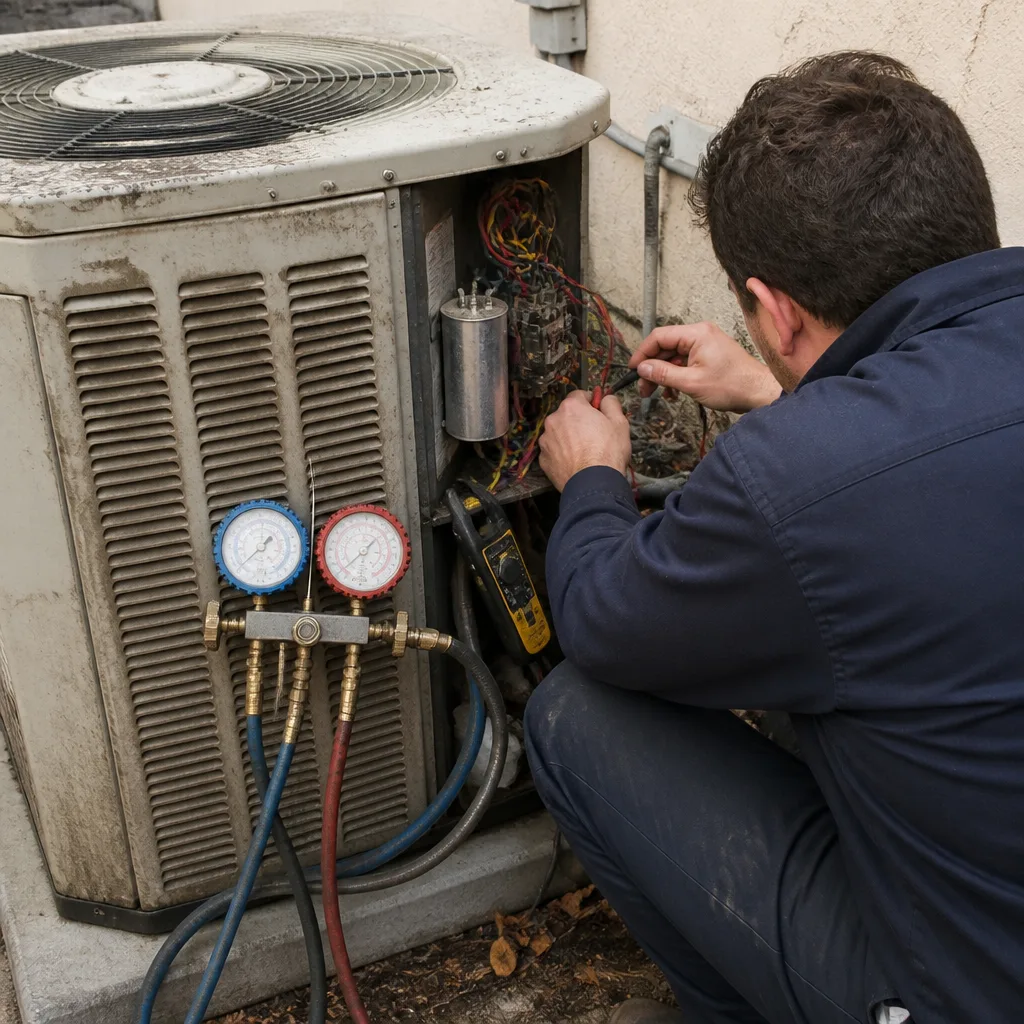 Before
 After
After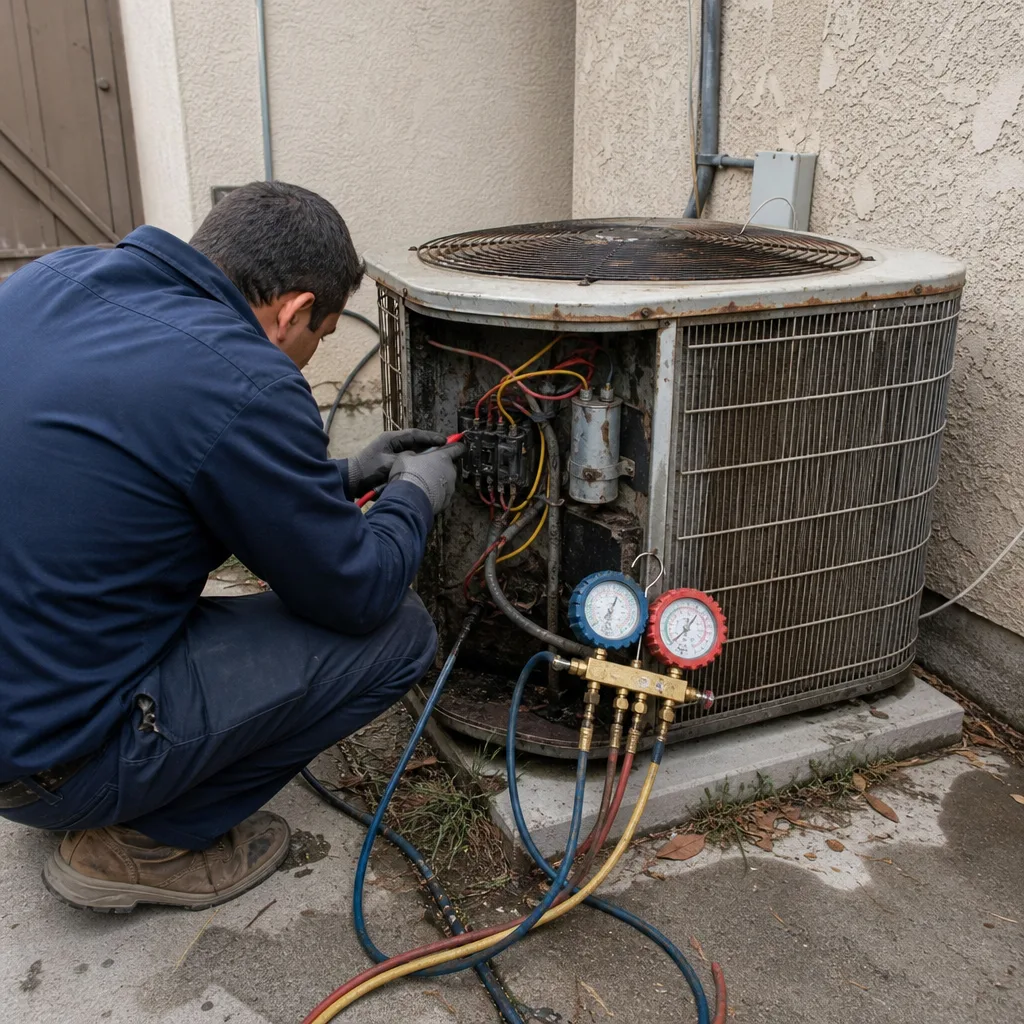 Before
 After
After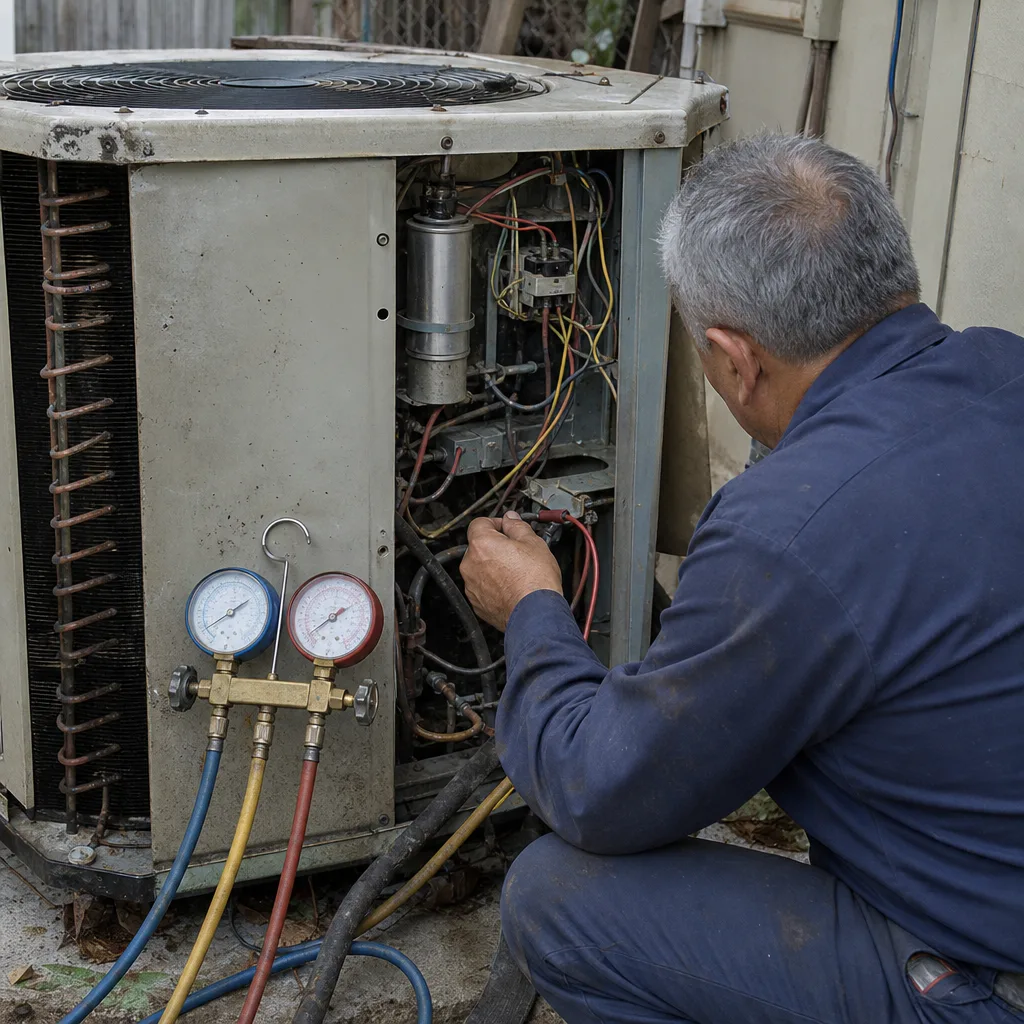 Before
 After
After