
Last updated October 16, 2026
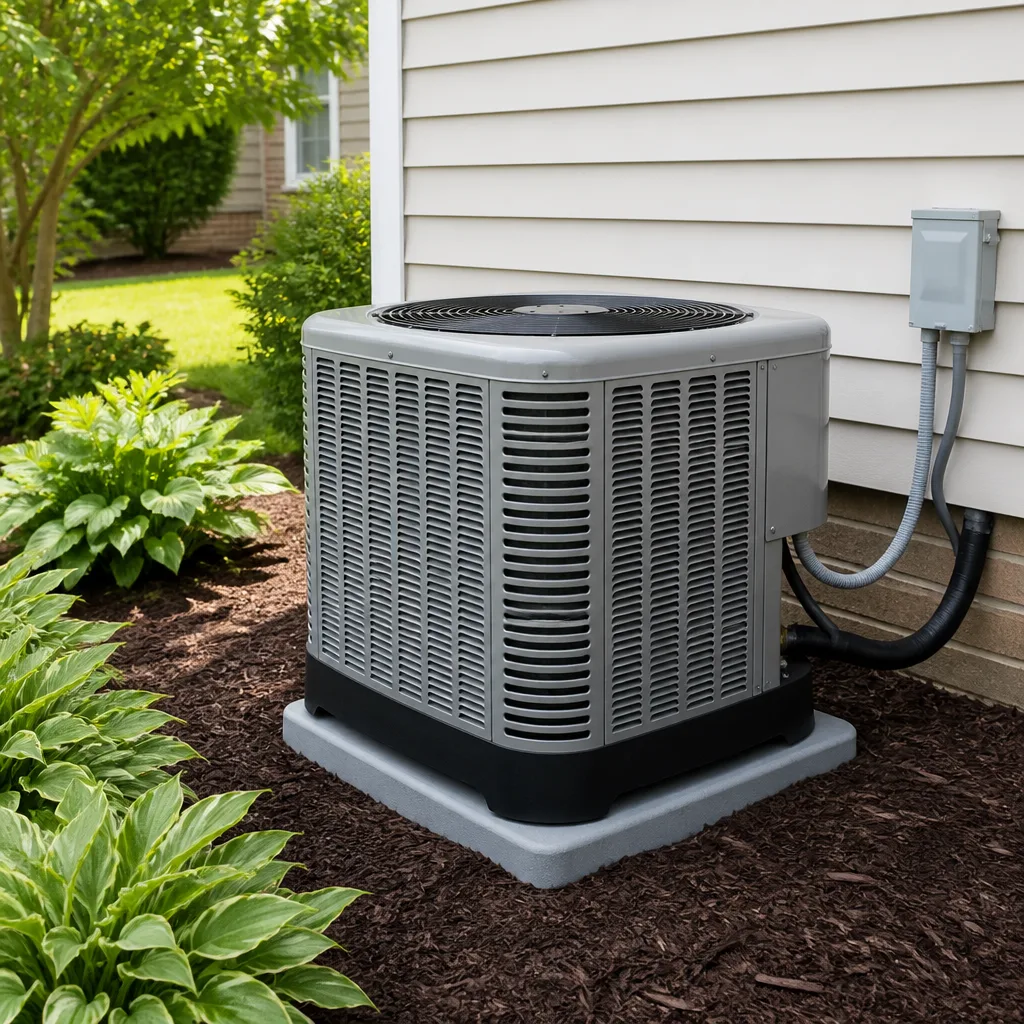 AC repair
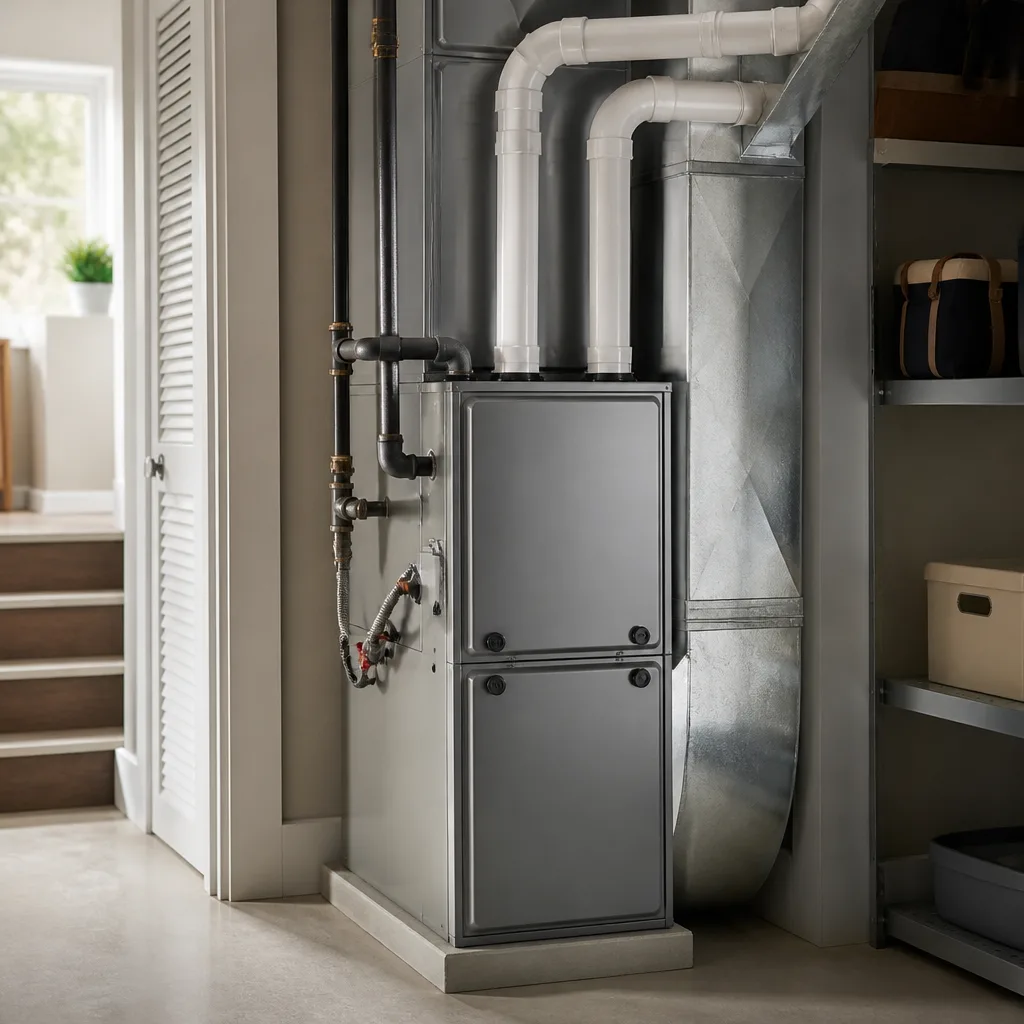 Furnace & heating
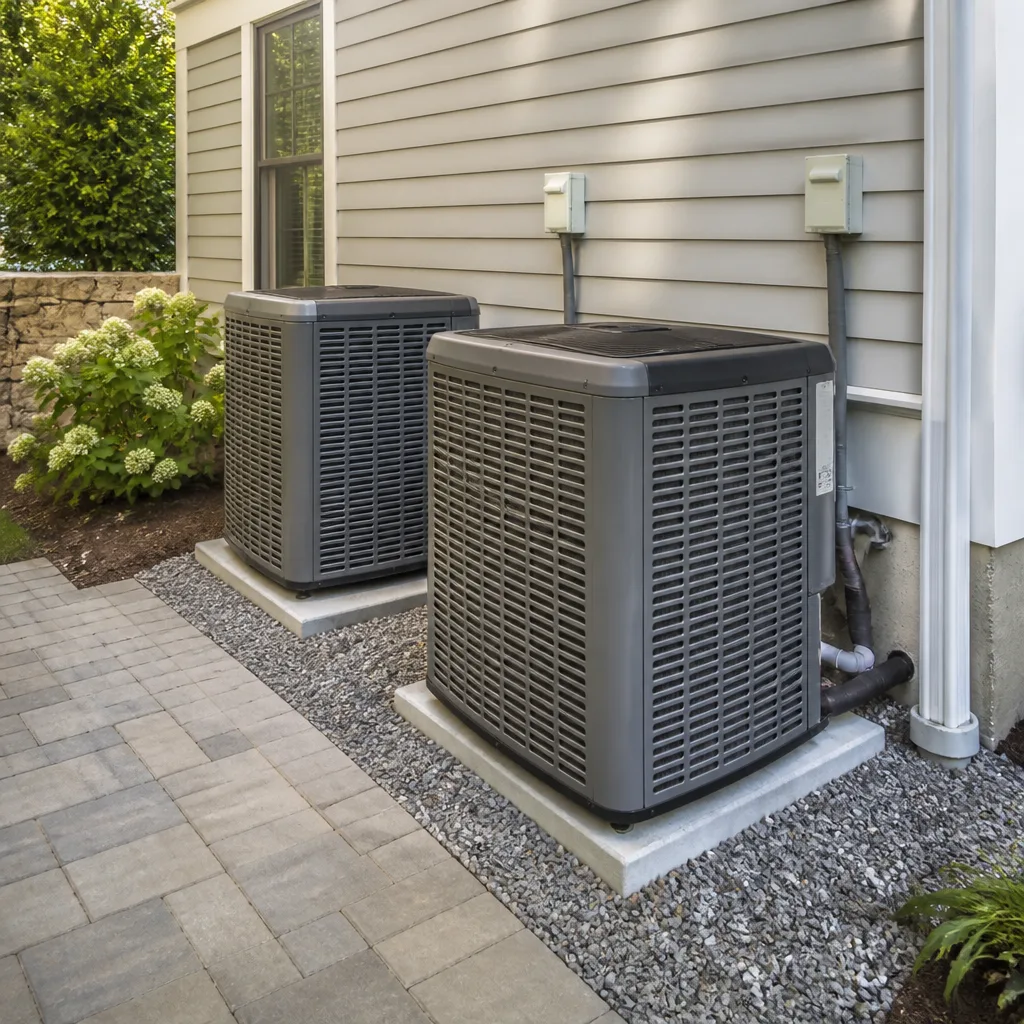 Heat pumps
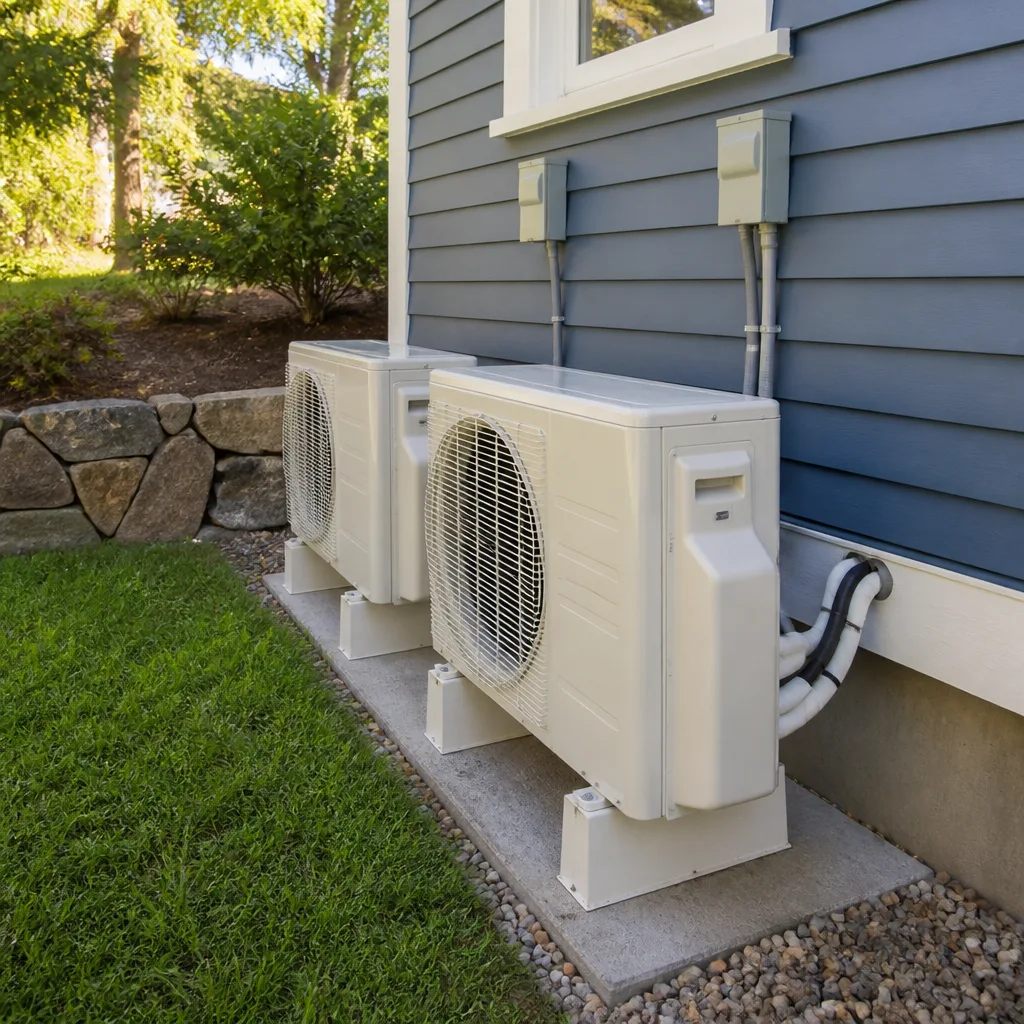 Ductless mini splits
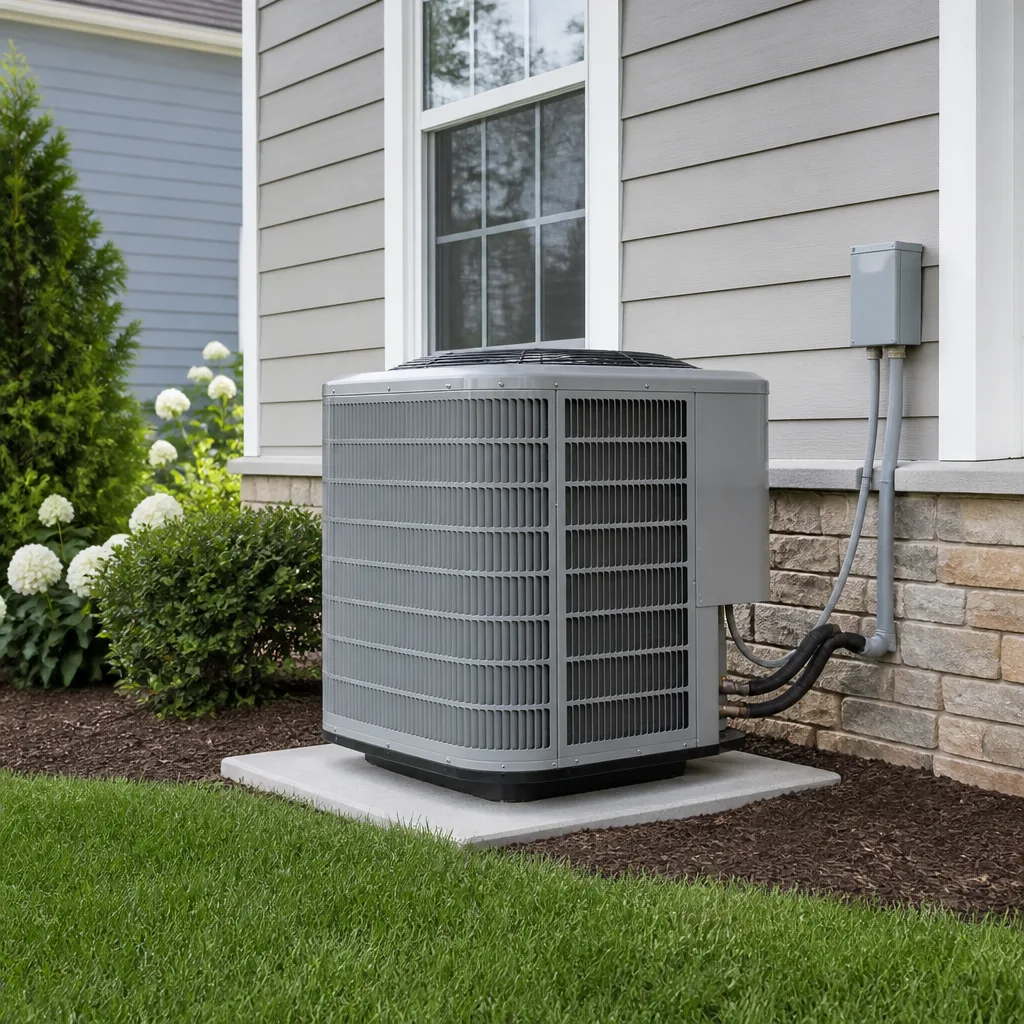 Carrier
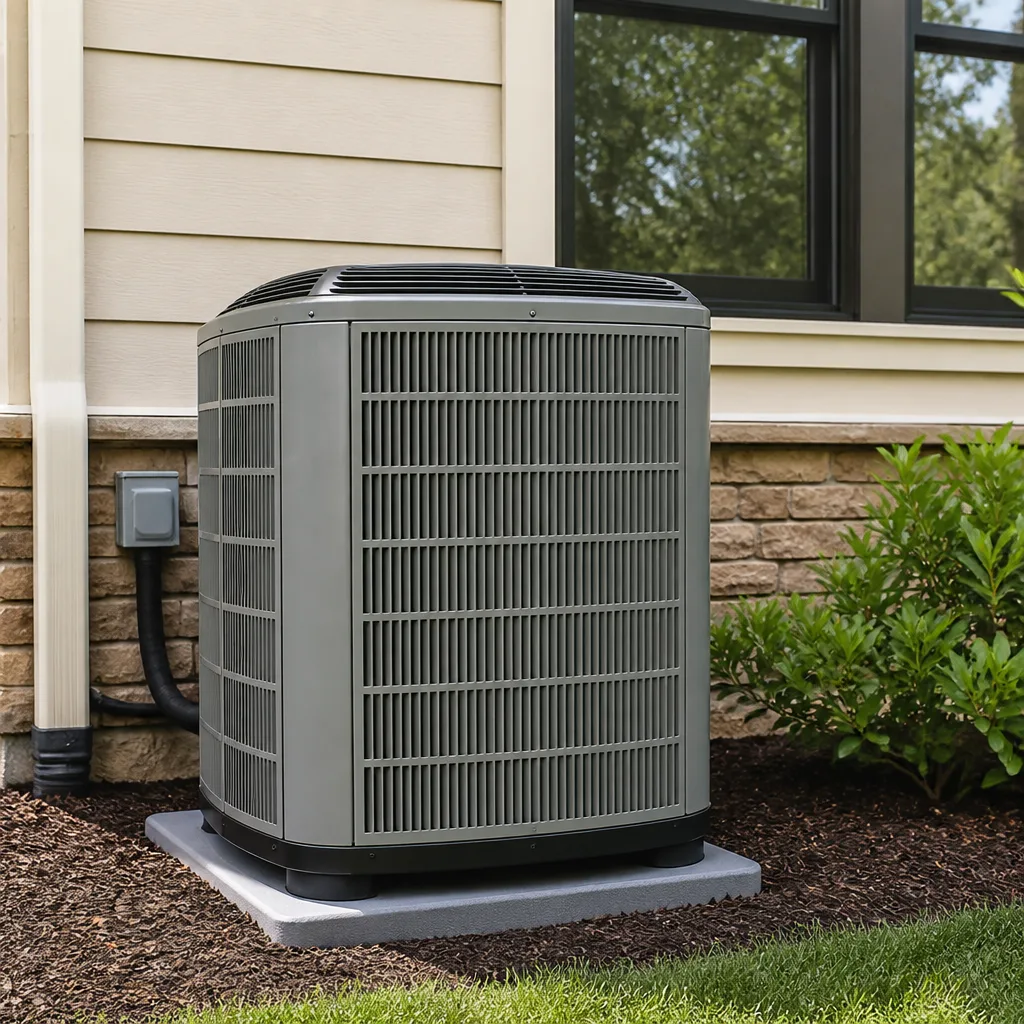 Trane
Trane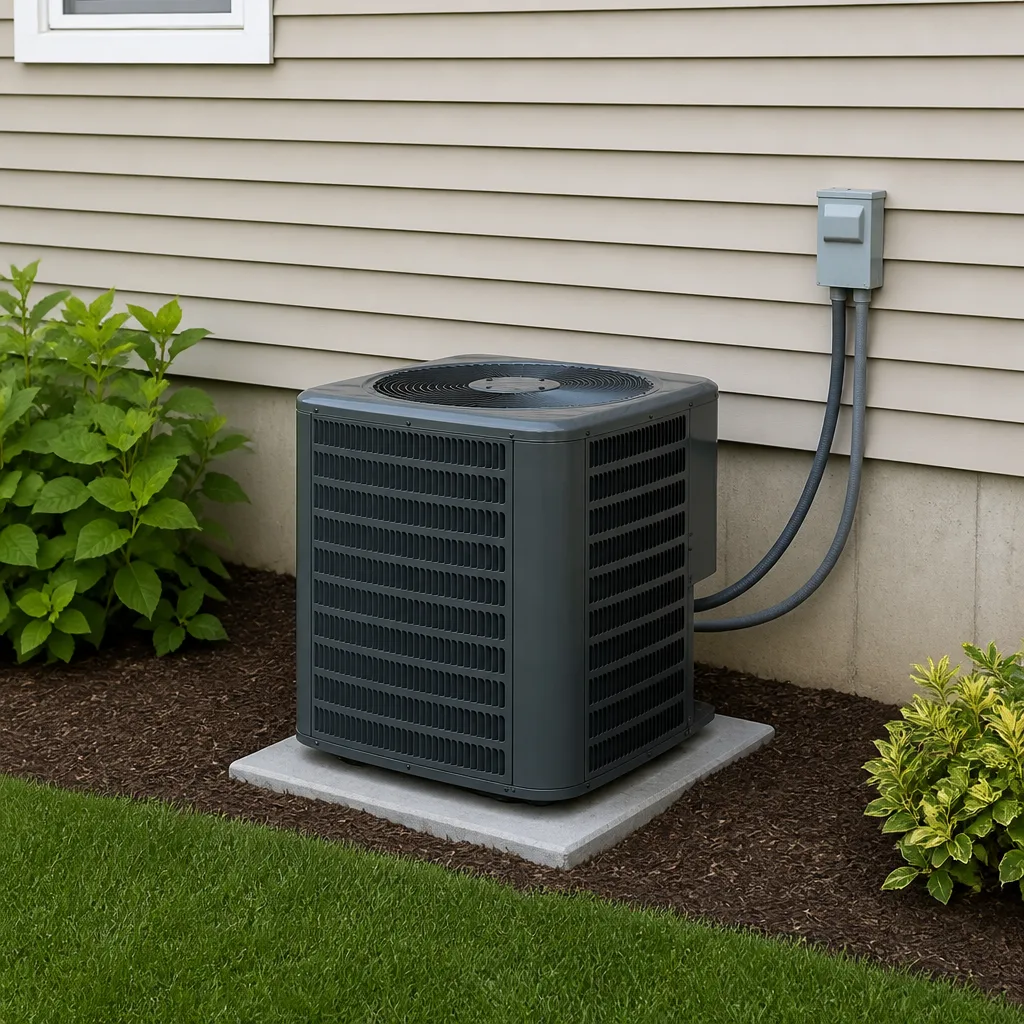 Goodman
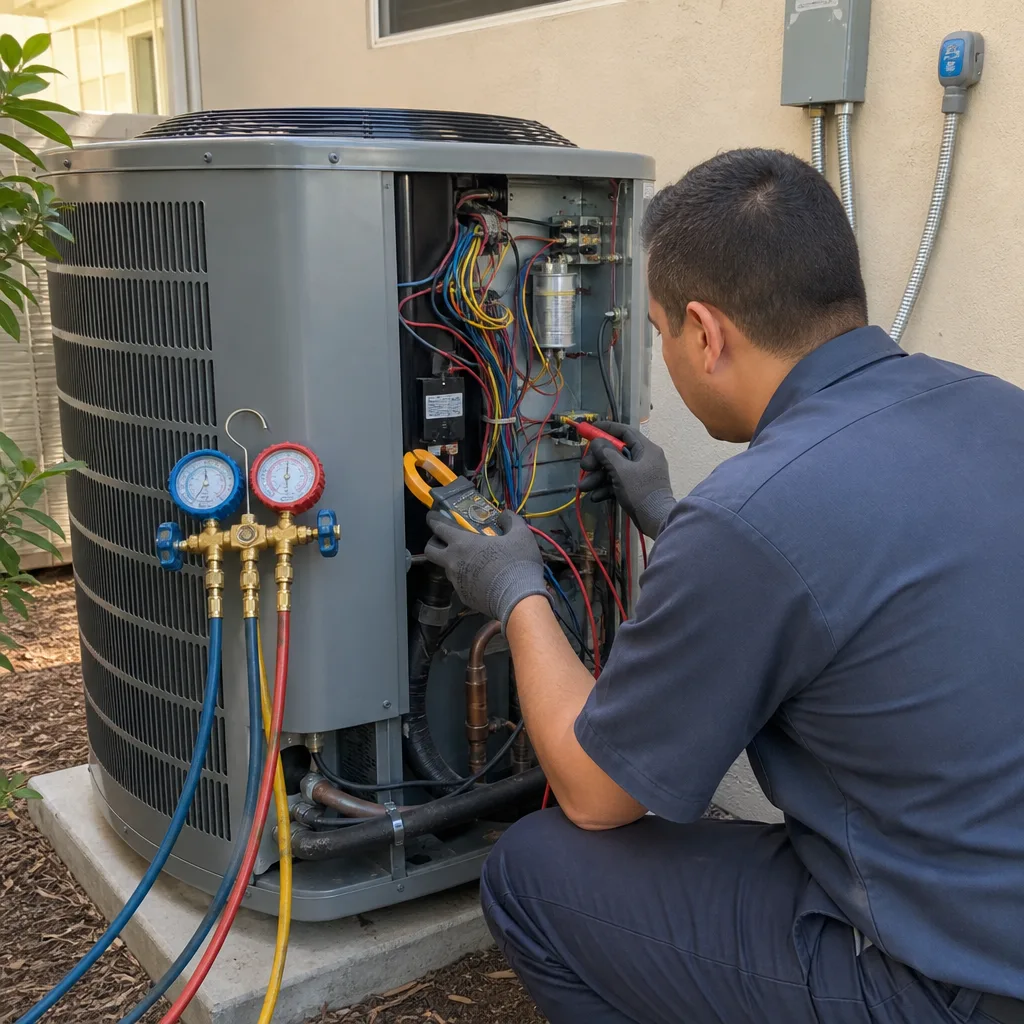
Seasonal tune-up and full diagnostic on your Carrier, Trane, or Goodman system - readings shown to you before any repair is proposed
Diagnosis first, numbers second - you approve the repair price before a single part goes in.
Get your free estimateHVAC Warning Signs: A San Jose Homeowner’s Reference Guide
Here’s a number most San Jose homeowners don’t know: a refrigerant leak and a dirty evaporator coil can produce nearly identical symptoms – weak airflow, lukewarm air, a bill that climbs month over month – but one is a $150 coil cleaning and the other is a $600-$1,200 repair with an EPA-required leak search. The signs your system sends are not all equally urgent, and treating them as if they were leads to either panic-calling over a normal expansion tick or ignoring a compressor grinding itself to death. This guide, along with our complete guide to HVAC in San Jose, sorts the warning signs into three tiers – act today, schedule this week, and watch and document – so you can make a clear-headed call before you ever pick up the phone. We’ve been fixing HVAC systems in San Jose since 2003, and we’d rather you understand what you’re hearing than guess.
Styles & brands we work with
Quick Answer
HVAC warning signs fall into three urgency tiers: immediate shutdown risks (burning smells, refrigerant hiss, mid-cycle grinding, no heat or cooling in extreme weather), schedule-within-72-hours issues (weak airflow, short cycling, condensate leaks, ice on coils), and monitor-and-document symptoms (occasional start-up rattles, slight temperature swings, modest bill increases). A burning or electrical smell, a hissing refrigerant line, or a grinding blower motor bearing means turn the system off now and call a professional. Most other symptoms in San Jose’s climate can wait a few days if you document what you’re seeing, but continuing to run a system with any Tier 1 sign risks turning a $280 repair into a $3,800 compressor replacement.
Table of Contents
- Tier 1 Signs: Act Today – Shut It Down
- Tier 2 Signs: Schedule This Week
- Tier 3 Signs: Watch and Document
- What Those Sounds Actually Mean: A Diagnostic Field Guide
- Why Your Utility Bill Is a Warning Sign (And How to Do the Math)
- Wildfire Smoke, Dirty Coils, and San Jose’s Seasonal Surge
- What to Document Before You Call a Technician
- Common Mistakes to Avoid
- When to Call a Professional
- Frequently Asked Questions
- The Bottom Line
Tier 1 Signs: Act Today – Shut It Down
These signs mean a component is failing in a way that can damage other components. Not “someday soon.” Now. Turn the system off at the thermostat, and if the smell is electrical or burning, trip the breaker for the air handler or furnace before you call. Continuing to run a system with any of these signs is how a $280 capacitor replacement becomes a $2,100 compressor swap. We’ve walked into enough San Jose homes in Almaden Valley and Willow Glen to know the pattern: the homeowner heard the noise for two weeks, the compressor seized, and now the repair is a full AC repair in San Jose with a much bigger price tag.
Burning or acrid electrical smell
A burning smell from your vents or from the air handler itself usually means a motor winding is overheating, a capacitor is leaking, or wiring insulation is melting. In a furnace, this can also be dust burning off after a long idle stretch, which is normal for the first hour of the season. Here’s the difference: dust burnout smells like a hair dryer left on too long and fades within an hour. An acrid, sharp, chemical or fishy smell that gets worse means an electrical component is actively failing. Shut the system down and call a technician. This one is not worth a wait-and-see window.
Refrigerant hiss that isn’t just a normal equalization
When an AC system shuts off, the refrigerant equalizes pressure between the high and low sides, and you’ll sometimes hear a faint hiss from the line set for a few seconds. That’s normal. A continuous hiss while the system runs, especially paired with weaker cooling, means refrigerant is escaping. Refrigerant leaks require an EPA-required leak search and repair before the system can be recharged. In San Jose, a refrigerant recharge and leak repair on a typical split system runs roughly $600 to $1,200 depending on the leak location and the refrigerant type. A system that runs low on refrigerant for weeks will eventually ice the evaporator coil, flood liquid refrigerant back to the compressor, and destroy the compressor itself. Act before that happens.
Mid-cycle grinding or metal-on-metal sound
A bearing in the blower motor or the outdoor condenser fan motor is failing. You’ll hear it as a grinding, scraping, or rumbling noise that occurs while the system runs, not at start-up. Bearings don’t heal themselves. The motor will run hotter, draw more current, and eventually seize – and a seized blower motor in a furnace can overheat the heat exchanger, which is a carbon monoxide concern. If you hear this in San Jose’s colder winter months and your furnace is a Trane or Carrier, turn it off and call. The motor replacement is a fraction of the cost of what happens if it seizes while you’re away.
No heat or no cooling during extreme weather
A system that quits entirely during a San Jose heat wave or a cold snap is not just an inconvenience. In a city where summer highs routinely push past 90°F, a failed AC in an unshaded single-story home can make indoor temperatures dangerous for elderly residents, infants, or anyone with a respiratory condition by mid-afternoon. In winter, a failed furnace can drop indoor temperatures below safe levels overnight. Cold Harbour Heating and Air San Jose answers the phone with a live person around the clock, and for Tier 1 failures, that matters. When a system has fully stopped, the clock is running on both comfort and possible secondary damage.
Key takeaway: If you smell something acrid, hear a continuous hiss, detect metal grinding mid-cycle, or your system has fully quit in extreme weather, turn it off and call a professional. Do not keep running it to see if it clears up.
Tier 2 Signs: Schedule This Week
Tier 2 signs mean the system is losing efficiency or fighting a problem, but it can run for a few more days without turning a repair into a replacement. You should schedule a visit within 72 hours. The risk of waiting longer is an increase in your repair bill and continued energy waste. These signs are common across San Jose neighborhoods – from Evergreen to Berryessa – and they’re the ones most often misread as “normal aging” until the system fails outright. Our AC repair maintenance checklist for San Jose homeowners covers how to catch them early.
Weak airflow from multiple vents
If the air coming out of your vents feels noticeably weaker in every room, not just one closed-off bedroom, the likely culprits are a clogged filter, a failing blower capacitor, or a dirty evaporator coil. Start with the filter: if you haven’t changed it in three months, change it and check airflow again in an hour. If airflow is still weak, the blower or coil needs attention. In our experience across San Jose, a failing blower capacitor is the single most common Tier 2 issue we repair – it’s a $39 part and a 45-minute fix, but ignored, it makes the blower motor run hot and shortens its life.
Short cycling
Short cycling means the system turns on, runs for five or ten minutes, shuts off, and repeats the cycle too frequently. It’s usually caused by an oversized unit, a refrigerant charge that’s off, a failing thermostat, or an overheating compressor. Short cycling is hard on equipment because compressors and heat exchangers are designed for longer run cycles. A compressor that starts and stops constantly wears out its start components faster. If your AC in San Jose’s East Side is short cycling on a 95°F day, it’s also not pulling enough humidity out of the air, which makes the house feel warmer than the thermostat reads.
Condensate leaks or water pooling near the indoor unit
Your AC removes moisture from the air as it cools. That water drips into a condensate pan and drains through a PVC pipe to the exterior or a floor drain. When the drain line clogs – common in San Jose homes with older copper drain lines and persistent mineral buildup from the city’s water – the pan overflows. You’ll see water staining the ceiling below an attic unit or puddling around a garage or closet install. A clogged condensate line is a straightforward fix, but the water damage isn’t: ceiling drywall, insulation, and flooring all suffer the longer it drips. Schedule the visit before the stain spreads.
Ice on the outdoor line or on the indoor coil
If you see frost or ice building on the copper line connecting the outdoor condenser to the indoor coil, the system is starving for heat exchange. Low refrigerant, a dirty filter, or a failed blower can all cause coil icing. An iced coil blocks airflow, which ices it further, which blocks more airflow – the system will run constantly and cool nothing. Turn the cooling off, set the fan to “on” to help thaw the coil, and schedule a visit. Thawing takes a few hours; the underlying cause still needs to be fixed.
Key takeaway: Tier 2 signs don’t require an emergency call, but they do require a call. Schedule within 72 hours. The fixes are still inexpensive compared to what happens in three weeks of ignoring them.
Tier 3 Signs: Watch and Document
Not every new sound or small change means a component is failing. Some symptoms are just your system’s age showing, and some are seasonal variables in San Jose’s microclimates. See our Seasonal HVAC Care for San Jose: Year-Round Homeowner’s Guide for what to expect each season. Tier 3 signs are worth a log entry, not a service call – unless they slide into Tier 2 or Tier 1 territory. The discipline here is documentation: note the date, the outdoor temperature, what you heard, and whether it changed. A month of notes gives a technician real diagnostic information. A vague “it’s been making a noise” gives them nothing.
Occasional start-up rattle or bang
Many furnaces rattle briefly right after ignition because the metal ductwork expands as hot air hits it. It’s called oil canning, and it’s most common in San Jose’s older Rancho and Cambrian homes with original galvanized ducting. If the rattle lasts less than 60 seconds and only happens when the system first fires, it’s likely normal thermal expansion. A continuous rattle throughout the run cycle is different – that’s a loose panel or a failing fan mount. Log what you hear, and if the rattle stretches beyond start-up, move it up a tier.
Slight temperature swings between rooms
In a two-story San Jose home with a single zone system, the upstairs will almost always run warmer in summer and cooler in winter because hot air rises and cold air sinks. A consistent 3-5°F difference is normal. A 10°F difference that’s new is not – that points to a damper issue, a leaky duct run, or an undersized return. The Tier 3 approach: measure the temperature in each room at the same time of day for a week, write it down, and decide whether the spread is stable or growing. Stable spread with no other symptoms? Document and move on. Growing spread? Schedule a look.
Modest bill increase (under 15%)
A bill that climbs 10% year-over-year in a summer with more 90°F days is not automatically a sign of a failing system. It could be the rate schedule, more cooling hours, or a higher thermostat setpoint differential. The comparison that matters is degree-days against energy used, which few homeowners ever calculate. We’ll walk through that math later in this guide. For Tier 3 classification: a modest increase with no other symptoms goes in your log. An increase with weak airflow or a new sound moves to Tier 2.
Key takeaway: Tier 3 signs are for your notebook, not your panic button. Document them consistently, and if they change character or intensity, reclassify them accordingly.
What Those Sounds Actually Mean: A Diagnostic Field Guide
Your HVAC system talks to you. Most San Jose homeowners hear the sounds but don’t know the vocabulary. Here’s the translation for the sounds that matter, in the order you’re most likely to hear them during a normal cooling or heating cycle.
- Start-up rattle (first 60 seconds). Usually loose panels, loose screws on the cabinet, or thermal expansion in ductwork. Cosmetic until proven otherwise. Watch for it to become continuous.
- Mid-cycle grinding or rumbling. Blower motor bearing failure, in most cases. This is the one that separates a $385 motor swap from a $1,900 heat exchanger replacement. Act on it.
- High-pitched squeal while running. A slipping or failing blower belt on older furnaces, or a dry condenser fan motor bearing. The squeal means friction, and friction means heat, and heat means imminent failure.
- Hissing from the line set while the AC runs. Refrigerant escaping. A short hiss at shutdown is normal equalization; a continuous hiss during operation is not. Act on it now.
- Clicking that repeats without the system starting. The thermostat is calling for heat or cooling, a relay or contactor is closing, but the compressor or blower doesn’t respond. This can be a failed start capacitor, a bad contactor, or a safety switch doing its job. Log the pattern: how many clicks, how often, and whether the system eventually starts.
- Boom or bang when the furnace ignites. Delayed ignition in a gas furnace: gas builds up in the burner chamber before the igniter fires, and the small explosion you hear is the result. Modern furnaces have safety switches that should prevent this, but older York and Rheem units in San Jose’s mid-century housing stock sometimes develop dirty burners or a weak igniter that delays the flame. Have it checked. It’s a small repair now, and ignoring it risks heat exchanger damage later.
In our experience, the sound that most often gets ignored in San Jose is the start-up rattle that becomes a mid-cycle rumble. Homeowners hear it every day, they get used to it, and by the time they call, the blower motor has seized. The sound is your early warning system. Pay attention to it.
Why Your Utility Bill Is a Warning Sign (And How to Do the Math)
Most San Jose homeowners attribute a higher utility bill to PG&E rate increases. And sometimes that’s exactly right – PG&E rates have climbed steadily for years. But a system losing efficiency will also push the bill up, and figuring out which is which is a simple math exercise that almost no one does.
Here’s the approach:
- Find your baseline. Pull the same billing month from two years ago, one year ago, and this year. Write down the kilowatt-hours used, not just the dollar amount. The dollar amount includes rate changes; the kWh tells you about actual energy consumption.
- Normalize for weather. San Jose’s weather varies year to year. A July with 18 days above 90°F will always use more kWh than a July with 8 such days. Use degree-day data – available free from NOAA for the San Jose airport station – to compare cooling demand between the two periods. If both months had similar degree-days and you still used 20% more kWh, the system or the building envelope is the culprit.
- Compare against the system’s age. A 2014 Goodman in a South San Jose rancher that has never had a refrigerant top-off will be less efficient than it was at install. Efficiency loss of 1-2% per year is normal. A 15% jump in one season is not. That’s a system working harder to deliver the same cooling, and the usual causes are a dirty coil, low refrigerant, or a failing blower motor.
- Rule out the other draws. New EV? Pool pump running longer? Second refrigerator in the garage? San Jose has all of these in abundance. A Hyundai Ioniq or Tesla charged at home can add hundreds of kWh per month. A 1-HP pool pump running eight hours a day draws about 6 kWh daily. Rule these out before blaming the HVAC.
If the math points to your HVAC system rather than the rate schedule or the EV, the next step is a technician who can measure the system’s actual refrigerant pressures and airflow. A system that’s 25% down on refrigerant will cool, but it will run longer cycles and use more energy to do it. The symptom is a bill that climbs while the house never quite feels as cold as it used to.
Wildfire Smoke, Dirty Coils, and San Jose’s Seasonal Surge
San Jose’s wildfire smoke season – which now stretches from August through October most years – creates a distinct pattern we see at Cold Harbour Heating and Air San Jose every season. As smoke settles into the valley, the fine particulate matter loads up filters and coats condenser coils. Homeowners call us describing symptoms that sound like major component failures: weak airflow, reduced cooling, a system running constantly. In many cases, the true cause is simply a saturated filter and a smoke-coated outdoor coil.
The physics is straightforward. A 1-inch fiberglass filter that would last three months under normal San Jose conditions can load up in three weeks during a heavy wildfire smoke event. Once the filter loads, airflow drops. Coil temperature drops. Ice can form. The system runs longer cycles. The symptoms present like a refrigerant problem, but the fix is a $15 filter and a gentle coil rinse.
The lesson for San Jose homeowners: during wildfire season, check your filter every two weeks, not every three months. If the filter is gray when it should be white, replace it. And if you’re running an older Bryant or Daikin system with a microchannel condenser coil, be cautious about aggressive coil cleaning – those coils are thin and easily damaged by high-pressure washing. A technician who knows the difference will clean it correctly without bending the fins.
This is also the season when we see a spike in unnecessary diagnostic calls. A homeowner sees a bill jump in September, smells something faint, hears the system running more often, and assumes the worst. Often it’s smoke and ash, resolved with a filter change and a coil cleaning. But the only way to know for sure is to eliminate the obvious causes first, then call a professional if the symptoms persist. The Cold Harbour Heating and Air San Jose home page has details on how we approach diagnostics without padding the ticket.
What to Document Before You Call a Technician
Diagnostic labor charges are real. In San Jose, a typical HVAC diagnostic visit runs $79-$129 depending on the company and the time of day. The more specific information you can hand the technician when they arrive, the faster the diagnosis goes, and the less likely you are to pay for the technician to re-derive what you already know.
Here’s what to write down before you call:
- Date, time, and outdoor temperature for each symptom occurrence. “Tuesday at 3 PM, 91°F outside” tells a technician whether the symptom is heat-related or load-related in ways that “it happened a few times” never will.
- Thermostat setting and indoor temperature at the time of the symptom. If the thermostat is set to 74°F and the house reads 79°F after three hours of continuous runtime, that’s a quantitative shortfall, not a vague “it doesn’t feel cold enough.”
- What you heard, in plain words, with a sense of duration. “A rumbling that lasted about ten minutes, started about fifteen minutes after the system turned on.” The timing within the cycle matters for diagnosis.
- What you smelled, if anything, and how long it lasted. “A musty smell that faded after twenty minutes” is different from “a sharp electrical smell that got stronger over an hour.”
- Any pattern by time of day or by event. “The noise is worse in the evening when the system has been running since noon” or “it shut off every time the temperature outside hit 95°F.” Patterns like this narrow the diagnosis considerably.
- A photo of the equipment nameplate. Model and serial number for the condenser, the furnace, and the air handler if accessible. The nameplate is on a sticker on the equipment. A clear photo lets the technician verify the refrigerant type, electrical requirements, and age of the unit before they climb into the attic.
When you call us, a live person answers around the clock. Give them this log, and the technician arrives already knowing what they’re likely looking for. For additional help, explore more guides & resources on our blog. That’s how you minimize diagnostic time and get to the actual repair faster.
Common Mistakes to Avoid
- Treating every symptom as equally urgent. A start-up rattle and a mid-cycle grinding are not the same emergency. Misreading urgency leads to either ignored failures or expensive after-hours calls for a normal noise. Tier the symptom, then act at the right speed.
- Changing the filter once a year. In San Jose’s wildfire smoke months, a filter can load in weeks, not months. A loaded filter mimics refrigerant problems and wastes energy. Check it monthly during smoke season, quarterly the rest of the year.
- Keeping a system running because it “still kind of works.” A compressor grinding its way through a heat wave is not “kind of working.” It’s destroying itself in real time. The repair for the grinding is affordable; the replacement for the seized compressor is not.
- Attributing every bill increase to PG&E. Sometimes it’s the rate schedule. Sometimes it’s a system that has lost 20% of its efficiency because it has never been properly serviced. Do the degree-day math before you accept either explanation.
- Not documenting symptoms. “It makes a noise sometimes” costs you diagnostic time that the technician has to spend recreating. A simple log with dates, temperatures, and descriptions shortens the visit and the bill.
- Trying to DIY refrigerant or electrical repairs. Refrigerant handling is EPA-regulated, and a residential electrical panel is not a place for guesswork. Both can cause serious injury or property damage. Leave these to a licensed professional with the right training and equipment.
- Assuming the system needs replacement when a repair is realistic. A compressor or heat exchanger failure on a 20-year-old system may genuinely warrant replacement. But a failed capacitor on a 9-year-old Trane does not. Get a straight diagnosis before signing for new equipment. When replacement is the right call, AC installation in San Jose is a conversation we have with a written price on the table before the first tool comes out.
When to Call a Professional
Call immediately if you have a burning or acrid electrical smell, a continuous refrigerant hiss, mid-cycle grinding, or the system has quit entirely during extreme weather. Call within a few days if airflow is weak, the system is short cycling, water is pooling near the indoor unit, or ice is forming on the lines. And if you’ve logged a Tier 3 symptom for a month and it’s getting worse, not better, that’s your cue to call too.
Cold Harbour Heating and Air San Jose offers free estimates in San Jose – call (669) 800-4179. A live person answers the phone 24 hours a day, seven days a week. You’ll get a written price before any work begins, and furnace repair in San Jose comes with the same guarantee we put on every repair: a written 365-Day Done Right Promise. If the repair fails within a year, we come back and correct it at no charge.
Frequently Asked Questions
Use the three-tier system: burning smells, continuous refrigerant hissing, mid-cycle grinding, and complete system failure during extreme weather are emergencies – shut the system down and call now. Weak airflow, short cycling, condensate leaks, and coil icing are schedule-within-72-hours issues. Start-up rattles, slight temperature swings, and bill increases under 15% with no other symptoms are monitor-and-document items.
A refrigerant leak typically presents as a continuous hissing sound from the copper line set while the system runs, paired with gradually weaker cooling. In San Jose, the repair – including the EPA-required leak search, repair, pressure test, and full recharge – typically runs $600 to $1,200 depending on the leak location and the refrigerant type in your system. Call (669) 800-4179 for an exact quote – estimates are free.
A bang right at ignition is usually delayed ignition: gas builds up in the burner chamber before the igniter fires, and the small explosion is the result. It’s most common in older gas furnaces with dirty burners or a weak igniter, and the fix is typically a cleaning and ignition adjustment. It’s a small repair now, but ignored, the repeated pressure spikes can crack a heat exchanger, which is both expensive and a carbon monoxide risk.
Every three months under normal conditions, but every two weeks during wildfire smoke season – roughly August through October in San Jose. Smoke loads a standard 1-inch filter in a few weeks, and a loaded filter mimics the symptoms of a refrigerant problem: weak airflow, reduced cooling, longer run cycles. Check the filter visually first before calling a technician.
As a rule of thumb, a compressor or heat exchanger failure on a system over 15 years old makes replacement worth considering, while component failures on systems under 12 years old – capacitors, contactors, blower motors, igniters – are usually repairs. In San Jose, a complete system replacement typically runs $9,000-$16,000 depending on the efficiency tier and equipment brand, so the repair-versus-replace math matters. Get a straight diagnosis and a written quote before deciding.
Write down the date, time, and outdoor temperature for each symptom, what the thermostat was set to, what indoor temperature you were getting, what you heard and how long it lasted, and anything you smelled. Add a photo of the equipment nameplates showing model and serial numbers. This log speeds up diagnosis and reduces the labor time you pay for.
The Bottom Line
Most HVAC warning signs are not equally urgent, and treating them as if they are costs you either money or safety. Learn the three tiers. Act on Tier 1 signs immediately – burning smells, hissing refrigerant, grinding bearings, total failure in extreme weather. Schedule Tier 2 signs within 72 hours. Log Tier 3 signs and reclassify if they change. In San Jose’s wildfire smoke season, check filters every two weeks before assuming the worst. And before you call anyone, write down what you’ve seen and heard – a documented log is the single fastest way to get an accurate diagnosis and a fair price. Cold Harbour Heating and Air San Jose puts a written price in front of you before work begins, and every repair carries a written 365-day guarantee. Call (669) 800-4179 and a live person answers, day or night.
Written by Victor Mancini, Owner at Cold Harbour Heating and Air San Jose, serving San Jose since 2003.
See the difference
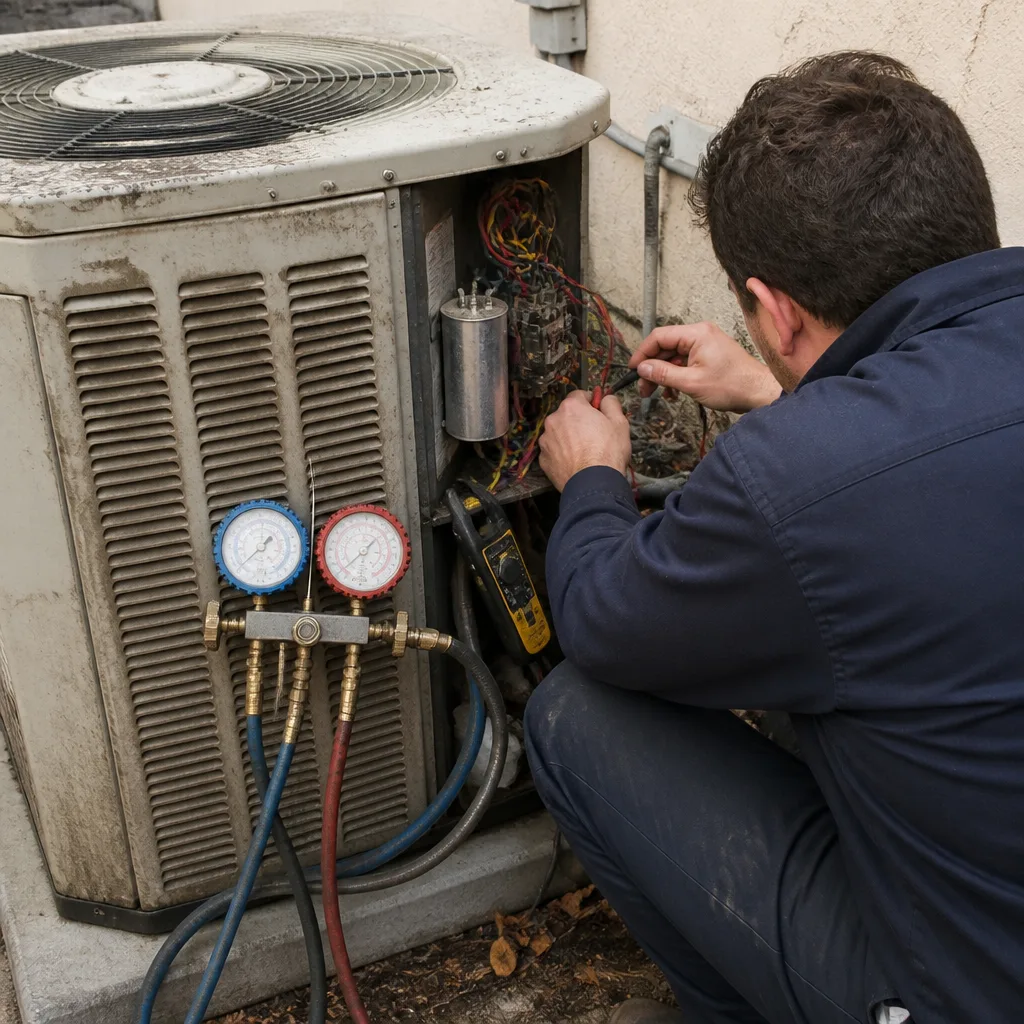 Before
 After
After Before
 After
After Before
 After
After